Charms, amulets and talismans
Made and worn things: the nazar, the hamsa, the omamori, the mojo bag and the witch bottle.
Charms, amulets and talismans are things made or chosen to carry a purpose. The blue glass nazar in Turkey, the hamsa hand across North Africa and the Middle East, the Japanese omamori, the Haitian pwen, the Italian cornicello and the Hoodoo mojo bag all belong here. They are small, portable and personal, and found on every continent. This page looks at what they are said to do and how they are made, sold and understood.
Amulet or talisman
The two words are often used loosely. An amulet is usually said to protect by what it is, such as a blue bead against the evil eye. A talisman is made or empowered for a purpose, often with writing, a name or a date. Islamic, Jewish, Taoist and Hindu traditions all have written talismans: the Taoist fu, the Jewish kame'a, the Hindu yantra and the Muslim hirz. The common thread is that something small and personal is believed to hold a purpose on behalf of its owner.
Making and keeping
Many charms are made by specialists, then blessed or sold at a temple, shrine or market. Others are made at home, such as a red thread, a knotted cord, or a horseshoe nailed over a door. Practitioners usually say a charm should be kept clean, respected and not shown off. In Japan an omamori is returned to its shrine after a year. Charm makers are often women, jewellers, scribes or temple staff, and the person who makes a charm may not be the person who blesses it.
Faith and suspicion
Religious authorities disagree on charms. Some Islamic scholars allow Quranic verses carried as a reminder and reject objects held to work by themselves. Many Christian churches have blessed medals and scapulars while condemning amulets of folk origin. Sikh teaching rejects charms altogether. Anthropologists read them as ways to hold fear and uncertainty in a form a person can carry. Interpretation is divided within religions too, so one family may treat a bead as decoration while a neighbour treats it as a serious shield.
Market and appropriation
Charms are big business. Evil-eye beads sell as fashion on every high street, and the hamsa appears as a decoration far from its homes. Fakes are common, and some sellers promise outcomes in ways that amount to fraud, particularly in expensive gemstone or lottery charm schemes. Sacred designs used as a logo can offend the community they come from. Designers have taken eyes, hands and runes as motifs, and while many communities are glad to see them shared, others ask that sacred symbols not be turned into trivia or used by brands.
Charm on EveryJaadu
The entries written up so far, best known first.
 🇮🇩 Indonesia and 1 moreSandung
A house-shaped ossuary for the bones of the deceased among Dayak peoples in Borneo.Charm · Speaking with spirits and the dead · Power and authority Living
🇮🇷 Iran and 1 moreCup of Jamshidجام جم (jām-e Jam)
A mythical Persian cup used for scrying and seeing the world's truths.Charm · Seeing and foretelling · Power and authority Legendary
 🇪🇸 SpainIndalo
A Bronze Age pictograph used as a protective house charm and lucky symbol in Almería, SpainCharm · Protection · Luck and prosperity Living
 🇮🇳 IndiaDrishti bommai
A fearsome doll hung at homes and vehicles to ward off the evil eye in South India.Charm · Protection Living
 🇮🇳 IndiaPashaपाश
A divine weapon symbolizing the binding of obstacles and worldly attachment in HinduismCharm · Binding and oaths · Power and authority Historical
🇮🇸 IcelandSingasteinn
A stone named in a Norse poem about Loki and Heimdall as sealsSubstance · Protection Legendary
 🇮🇹 ItalyLunula
A crescent-shaped amulet worn by girls in ancient Rome for protection.Charm · Protection Historical
 🇬🇷 GreeceAmulet MS 5236
A stamped gold amulet from ancient Greece invoking ApolloCharm · Protection · Cursing and harm Historical
 🇺🇸 United StatesGhost shirt
A sacred garment of the Ghost Dance believed to protect the wearer from bulletsCharm · Protection Historical
 🇸🇪 Sweden and 1 moreTroll crosstrollkors
A carved or bent iron sigil used in Sweden and Norway to ward off harmful magic and creatures.Charm · Protection Revived
 🇩🇪 Germany and 1 moreNutcracker doll
A carved wooden figurine of a soldier used to crack nuts and now a popular Christmas decorationCharm · Luck and prosperity Living
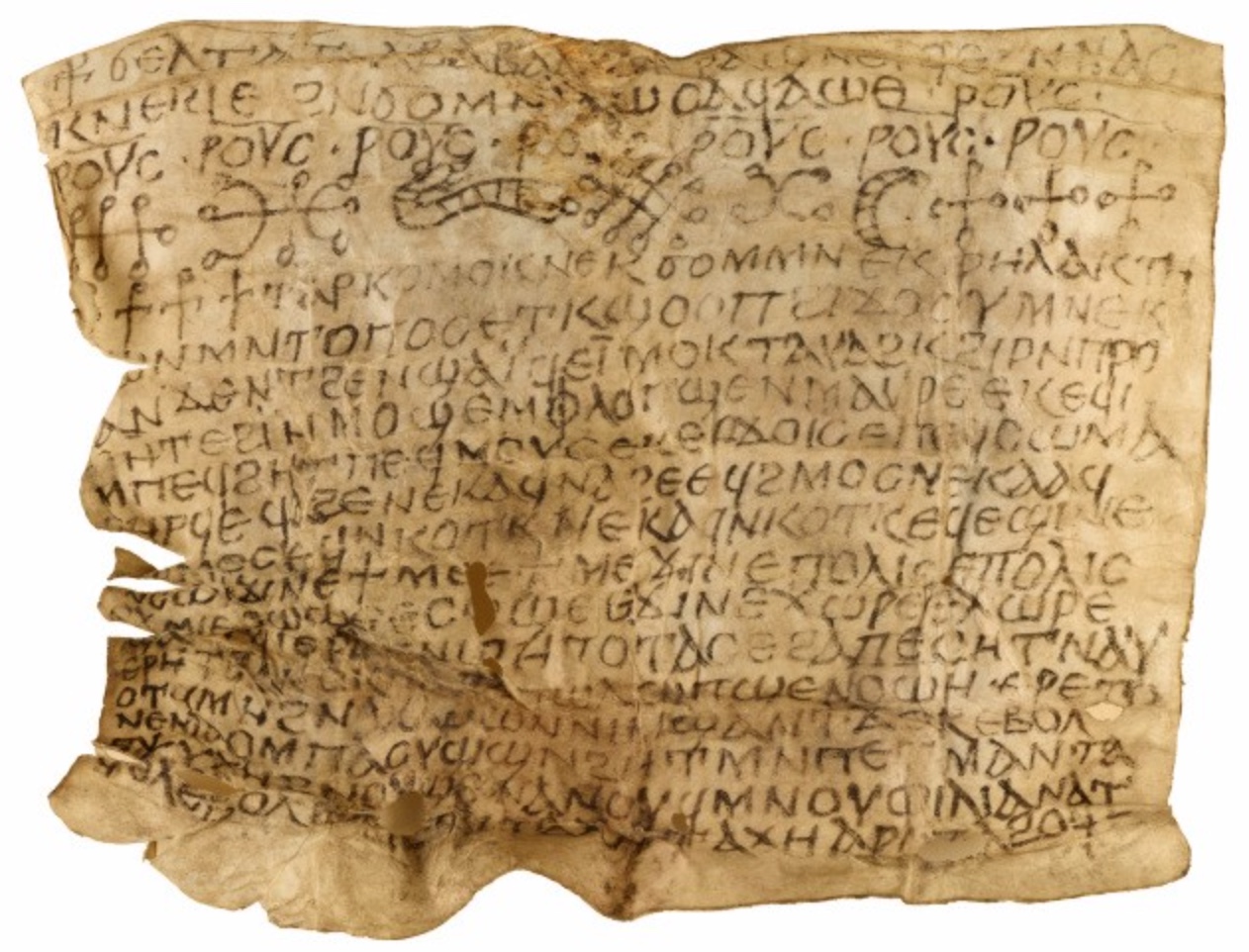 🇪🇬 EgyptAshmolean Parchment AN 1981.940
A folded Coptic love charm from Egypt, written by one man to win anotherText · Love and attraction Historical
 🇪🇬 Egypt and 2 moreAnra scarab
Ancient Egyptian-style seals bearing an undeciphered glyph sequence found across the Levant and Egypt.Charm · Protection · Luck and prosperity Historical
🇮🇹 Italy and 3 moreSaint Valentine's Key
A metal key charm from Padua used for healing epilepsy and as a romantic tokenCharm · Healing · Love and attraction Living
 🇬🇧 United Kingdom and 1 moreWitch's ladder
A knotted cord or braided string used to bind spells or cursesCharm · Cursing and harm · Power and authority Revived
 🇯🇵 JapanFūrin風鈴
A Japanese summer wind chime, once hung at temples to turn away evil spiritsCharm · Protection · Seeing and foretelling Living
🇮🇶 Iraq and 3 moreMandaic lead rolls
Lead sheets inscribed with Mandaic incantations, rolled and worn as protective talismans by Mandaeans.Charm · Protection Historical
🇰🇪 KenyaFingo
A protective talisman of the Mijikenda people in KenyaCharm · Protection Living
 🇸🇾 SyriaArslan Tash amulets
Assyrian limestone charms found in Syria that ward off demons through inscribed prayersCharm · Protection Historical
🇵🇱 Poland and 1 moreTwardowski's Mirror
A cracked Renaissance mirror linked to the legend of a magical alchemistCharm · Power and authority Historical
 🇯🇵 JapanŌnusa大幣
A wand with paper streamers waved in Shinto rites to carry off impuritiesCharm · Cleansing and purification Living
🇭🇹 HaitiPotomitanpoto mitan
The painted centre post of a Haitian Vodou temple, said to be the spirits' way downCharm · Speaking with spirits and the dead Living
 🇬🇷 GreeceAkanthos curse tablet
A lead tablet from Macedonia carrying a man's spell to draw two people to himCharm · Binding and oaths · Love and attraction Historical
 🇺🇸 United StatesHaint blue
A pale blue-green paint kept on porches to turn ghosts and boo hags awayCharm · Protection Living
 🇰🇷 South KoreaMengdu멩두
Brass ritual instruments central to Jeju Island shamanismCharm · Speaking with spirits and the dead · Power and authority Fading
 🇹🇼 Taiwan and 1 moreTiangong censer天公爐
An incense burner for the Jade Emperor in Chinese folk religionCharm · Speaking with spirits and the dead Living
 🇪🇬 EgyptSekhem scepter
An ancient Egyptian staff symbolizing power and authorityCharm · Power and authority Historical
 🇲🇽 Mexico and 4 moreMirrors in Mesoamerican culture
Reflective stones used for divination and elite status across ancient Mexico and Central AmericaCharm · Seeing and foretelling · Power and authority Historical
 🇨🇳 China and 2 moreHu笏
A flat ceremonial baton used by East Asian officials and priests for ritual purposes.Charm · Power and authority · Wonder and entertainment Living
🇮🇶 Iraq and 1 moreAdam and Eve cylinder seal
A small Akkadian stone seal once linked to the Genesis storyCharm · Power and authority Historical
 🇳🇿 New Zealand and 1 moreManaia
A composite guardian spirit in Māori art and beliefBeing · Protection · Speaking with spirits and the dead Living
🇯🇵 JapanAzusa Yumi梓弓
A sacred bow made from cherry birch wood, used in Shinto rituals to ward off spirits.Charm · Protection · Wonder and entertainment Living
 🇮🇳 IndiaTormaགཏོར་མ
Sculpted offerings of flour and butter used in Tibetan Buddhist ritualsTradition · Speaking with spirits and the dead · Protection Living
 🇮🇱 Israel and 2 moreNehushtanנְחֻשְׁתָּן
A bronze serpent on a pole from the Hebrew Bible, once worshipped for healing before its destruction.Charm · Healing · Protection Historical
🇵🇰 Pakistan and 1 moreGanga Sagarਗੰਗਾ ਸਾਗਰ
A 17th-century copper urn linked to Guru Gobind Singh and the Rai family of RaikotCharm · Speaking with spirits and the dead Living
 🇬🇷 GreeceNebrisνεβρίς
A fawn skin worn by Dionysus and his followers in ancient GreeceCharm · Protection Historical
 🇵🇱 PolandLucky JewŻyd z pieniążkiem
A Polish figurine of a Jewish man with a coin, used as a talisman for financial fortune.Charm · Luck and prosperity Living
 🇮🇱 IsraelMatzevahמַצֵּבָה
A standing stone used as a sacred marker or grave monument in ancient and Jewish traditionCharm · Speaking with spirits and the dead · Protection Living
 🇮🇳 India and 5 moreNavaratnaनवरत्न
A nine-gem talisman set in gold or silver, linked to Hindu astrology and planetary worshipCharm · Protection · Healing Living
 🇲🇳 Mongolia and 1 moreOngon
Ancestor spirits in Mongolian shamanism, represented by consecrated idols and talismansBeing · Protection · Speaking with spirits and the dead Living
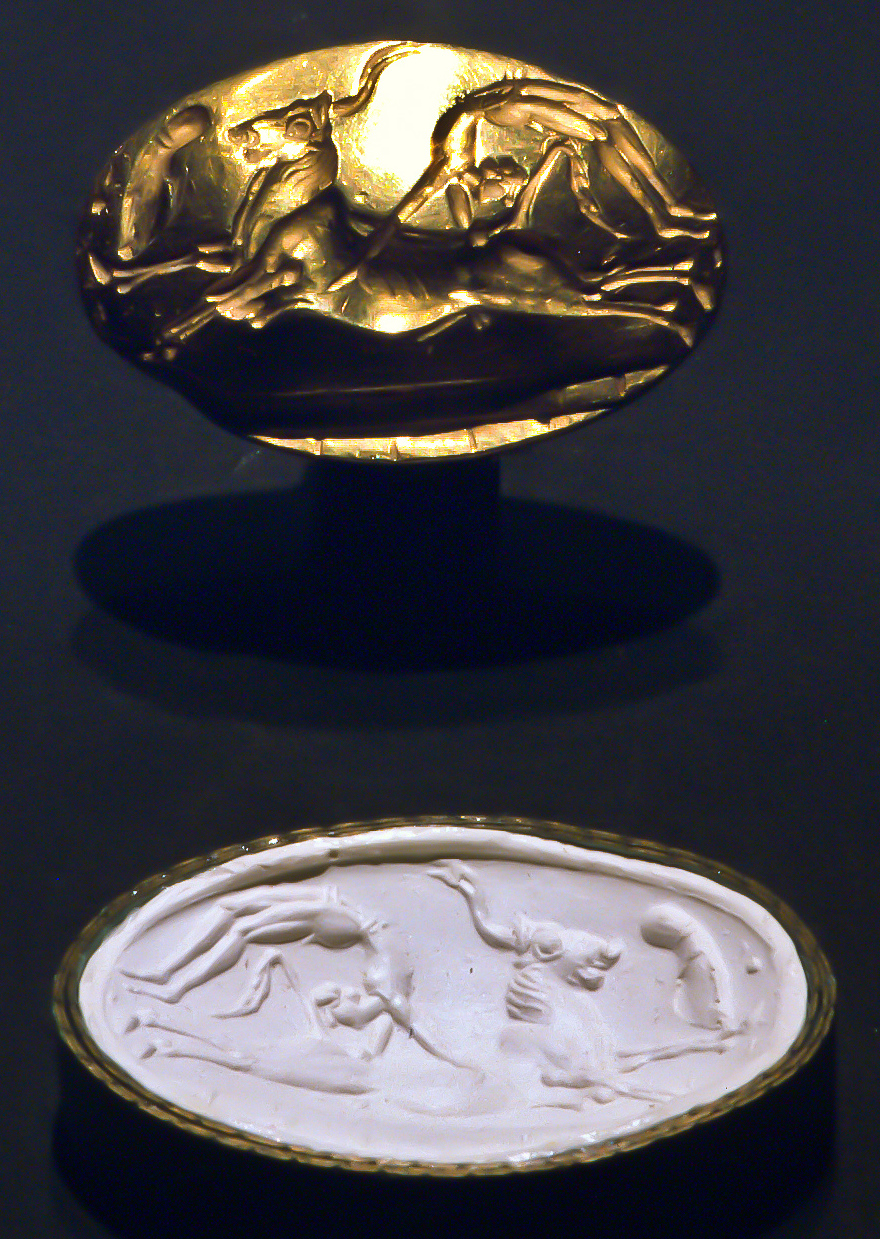 🇬🇷 GreeceMinoan sealstones
Carved gemstones and amulets from Bronze Age Crete used for identification and ritualCharm · Protection · Power and authority Historical
 🇯🇵 JapanAkabeko赤べこ
A bobbing papier-mâché toy from Japan believed to ward off illnessCharm · Protection · Healing Living
 🇹🇷 Turkey and 5 moreRelics of Muhammad
Objects linked to Muhammad, kept and venerated for blessingCharm · Luck and prosperity · Power and authority Living
 🇪🇬 EgyptLotus chalice
An alabaster cup from Tutankhamun's tomb, carved as an open lotusCharm · Change and initiation Historical
 🇸🇪 SwedenSigtuna rib
A runic bone amulet from medieval Sweden bearing a spell against diseaseCharm · Healing Historical
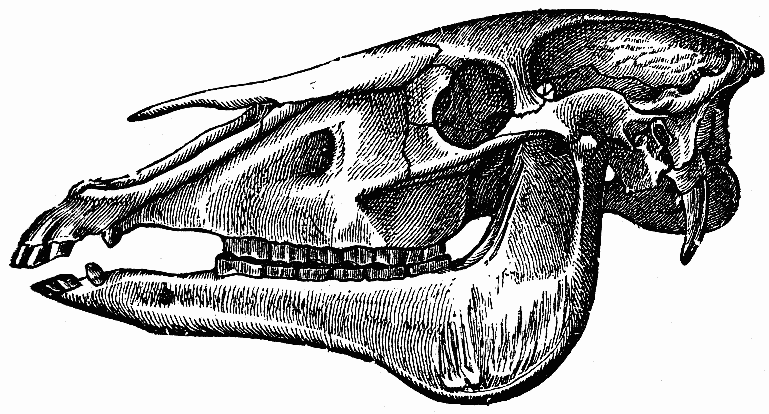 🇮🇪 Ireland and 2 moreHorse skulls
Concealed horse skulls found in buildings across Europe and North AmericaCharm · Protection · Wonder and entertainment Historical
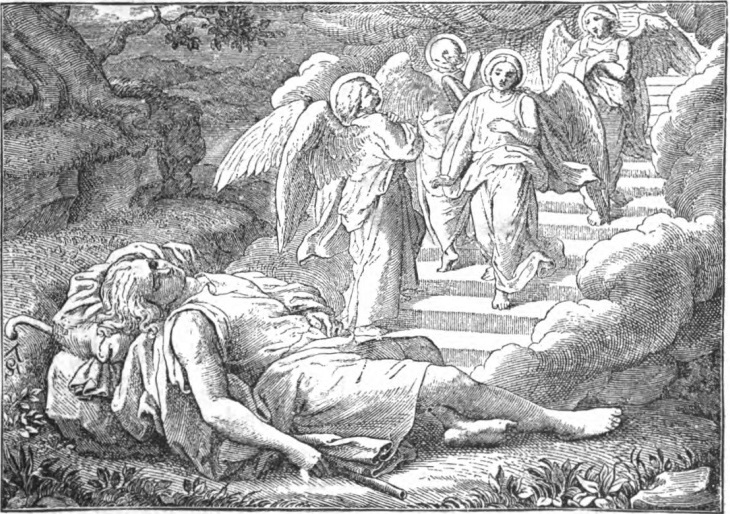 🇮🇱 Israel and 2 moreStone of Jacob
A biblical stone linked to a patriarch's vision and later claimed by Scottish coronation loreCharm · Power and authority Historical
 🇦🇺 AustraliaTjurunga
Sacred objects of the Arrernte people, embodying ancestral power and clan identity.Charm · Power and authority · Speaking with spirits and the dead Historical
Photo credits on this page
The small pictures above come from Wikimedia Commons under free licences. Some are cropped to fit.
- Ghost shirt: Wolfgang Sauber, CC BY-SA 3.0, source
- Troll cross: Unknown author, Public domain, source
- Nutcracker doll: Raul654, CC BY-SA 3.0, source
- Anra scarab: Temerarius, CC BY-SA 4.0, source
- Arslan Tash amulets: National Museum of Aleppo, Public domain, source
- Ōnusa: 教派研究, CC BY-SA 3.0, source
- Akanthos curse tablet: CNG Coins, CC BY-SA 3.0, source
- Manaia: Sarang, Public domain, source
- Torma: John Hill, CC BY-SA 4.0, source
- Nehushtan: Michelangelo, Public domain, source
- Nebris: Brygos Painter, Public domain, source
- Lucky Jew: Silar, CC BY-SA 3.0, source
- Ongon: Vyacheslav Kirillin, CC BY-SA 4.0, source
- Minoan sealstones: Andree Stephan, CC BY 3.0, source
- Akabeko: Wdqh, CC BY-SA 4.0, source
- Relics of Muhammad: Georges Jansoone ( JoJan, CC BY 3.0, source
- Lotus chalice: Sat Ra, CC BY-SA 3.0, source
- Horse skulls: Dr. Karl Rothe, Ferdinand Frank, Josef Steigl, Public domain, source
- Indalo: Ismael Olea, Public domain, source
- Drishti bommai: Chrissy starsi, CC BY-SA 4.0, source
- Amulet MS 5236: Martin Schøyen, CC BY-SA 3.0, source
- Ashmolean Parchment AN 1981.940: Apapolo, Public domain, source
- Witch's ladder: Various, published by David Nutt, Public domain, source
- Haint blue: Lake Lou, CC BY 2.0, source
- Mengdu: National Folk Museum of Korea, CC BY 4.0, source
- Tiangong censer: WiDE, CC BY-SA 3.0, source
- Mirrors in Mesoamerican culture: Vassil, CC0, source
- Matzevah: Gilslovik, CC BY-SA 4.0, source
- Navaratna: Pradeep717, CC BY-SA 4.0, source
- Sigtuna rib: Swedish National Heritage Board, CC BY 4.0, source
- Tjurunga: No machine-readable author provided. Sepu~commonswiki assumed (based o, CC BY-SA 2.5, source
- Sandung: Wibowo Djatmiko ( Wie146 ), CC BY-SA 3.0, source
- Pasha: unknown author, Public domain, source
- Lunula: Anonymous ( Category:Roman Empire ) Unknown author, Public domain, source
- Fūrin: 100yen 04:47, 28 October 2006 (UTC), CC BY-SA 3.0, source
- Sekhem scepter: Maler der Grabkammer der Nefertari, Public domain, source
- Hu: Zhangzhugang, CC BY-SA 4.0, source
- Stone of Jacob: Unknown author, Public domain, source