Charms, amulets and talismans
Made and worn things: the nazar, the hamsa, the omamori, the mojo bag and the witch bottle.
Charms, amulets and talismans are things made or chosen to carry a purpose. The blue glass nazar in Turkey, the hamsa hand across North Africa and the Middle East, the Japanese omamori, the Haitian pwen, the Italian cornicello and the Hoodoo mojo bag all belong here. They are small, portable and personal, and found on every continent. This page looks at what they are said to do and how they are made, sold and understood.
Amulet or talisman
The two words are often used loosely. An amulet is usually said to protect by what it is, such as a blue bead against the evil eye. A talisman is made or empowered for a purpose, often with writing, a name or a date. Islamic, Jewish, Taoist and Hindu traditions all have written talismans: the Taoist fu, the Jewish kame'a, the Hindu yantra and the Muslim hirz. The common thread is that something small and personal is believed to hold a purpose on behalf of its owner.
Making and keeping
Many charms are made by specialists, then blessed or sold at a temple, shrine or market. Others are made at home, such as a red thread, a knotted cord, or a horseshoe nailed over a door. Practitioners usually say a charm should be kept clean, respected and not shown off. In Japan an omamori is returned to its shrine after a year. Charm makers are often women, jewellers, scribes or temple staff, and the person who makes a charm may not be the person who blesses it.
Faith and suspicion
Religious authorities disagree on charms. Some Islamic scholars allow Quranic verses carried as a reminder and reject objects held to work by themselves. Many Christian churches have blessed medals and scapulars while condemning amulets of folk origin. Sikh teaching rejects charms altogether. Anthropologists read them as ways to hold fear and uncertainty in a form a person can carry. Interpretation is divided within religions too, so one family may treat a bead as decoration while a neighbour treats it as a serious shield.
Market and appropriation
Charms are big business. Evil-eye beads sell as fashion on every high street, and the hamsa appears as a decoration far from its homes. Fakes are common, and some sellers promise outcomes in ways that amount to fraud, particularly in expensive gemstone or lottery charm schemes. Sacred designs used as a logo can offend the community they come from. Designers have taken eyes, hands and runes as motifs, and while many communities are glad to see them shared, others ask that sacred symbols not be turned into trivia or used by brands.
Charm on EveryJaadu
The entries written up so far, best known first.
 🇹🇼 Taiwan and 1 moreAuspicious train ticket吉祥語車票
Train tickets with station names that form lucky phrases through wordplay.Charm · Luck and prosperity Living
🇻🇪 VenezuelaDjucu
A warm sea nut used as a lucky charm in the CaribbeanCharm · Luck and prosperity Living
🇯🇵 JapanGohei御幣
A wooden wand with two paper streamers, used by Shinto priests to purify and blessCharm · Cleansing and purification · Protection Living
 🇦🇱 Albania and 3 moreCross necklace
A pendant bearing the Christian cross worn as a sign of faith or protection.Charm · Protection · Power and authority Living
🇮🇳 India and 2 moreBlack Orlov
A black diamond linked to a legend of theft and tragic deathsCharm · Cursing and harm Historical
 🇮🇱 Israel and 2 moreStaff of Mosesmaṭṭeh
A walking stick with miraculous powers in Jewish and Islamic traditionCharm · Power and authority · Healing Historical
 🇳🇴 NorwayBergen rune charm
A four-sided wooden stick with runic verses for love and protection from medieval Norway.Charm · Love and attraction · Protection Historical
 🇬🇷 GreeceLabrysλάβρυς
A double-headed axe from ancient Crete, now a symbol of lesbian feminism and neo-paganismCharm · Power and authority · Protection Living
 🇮🇱 IsraelAsherah pole
A wooden cult object linked to the goddess Asherah in ancient Canaan and IsraelCharm · Speaking with spirits and the dead Historical
 🇮🇩 IndonesiaTaiganja
A bronze amulet of Central Sulawesi shaped like a keyhole, worn for status and protectionCharm · Protection · Luck and prosperity Living
🇮🇹 ItalyBologna bottle
A glass vessel that withstands hammer blows but shatters from an internal scratchCharm · Wonder and entertainment Historical
 🇯🇵 JapanAme-no-Nuboko天沼矛
The jewel-decorated spear of Japanese myth, used to stir the sea into landCharm · Protection · Change and initiation Legendary
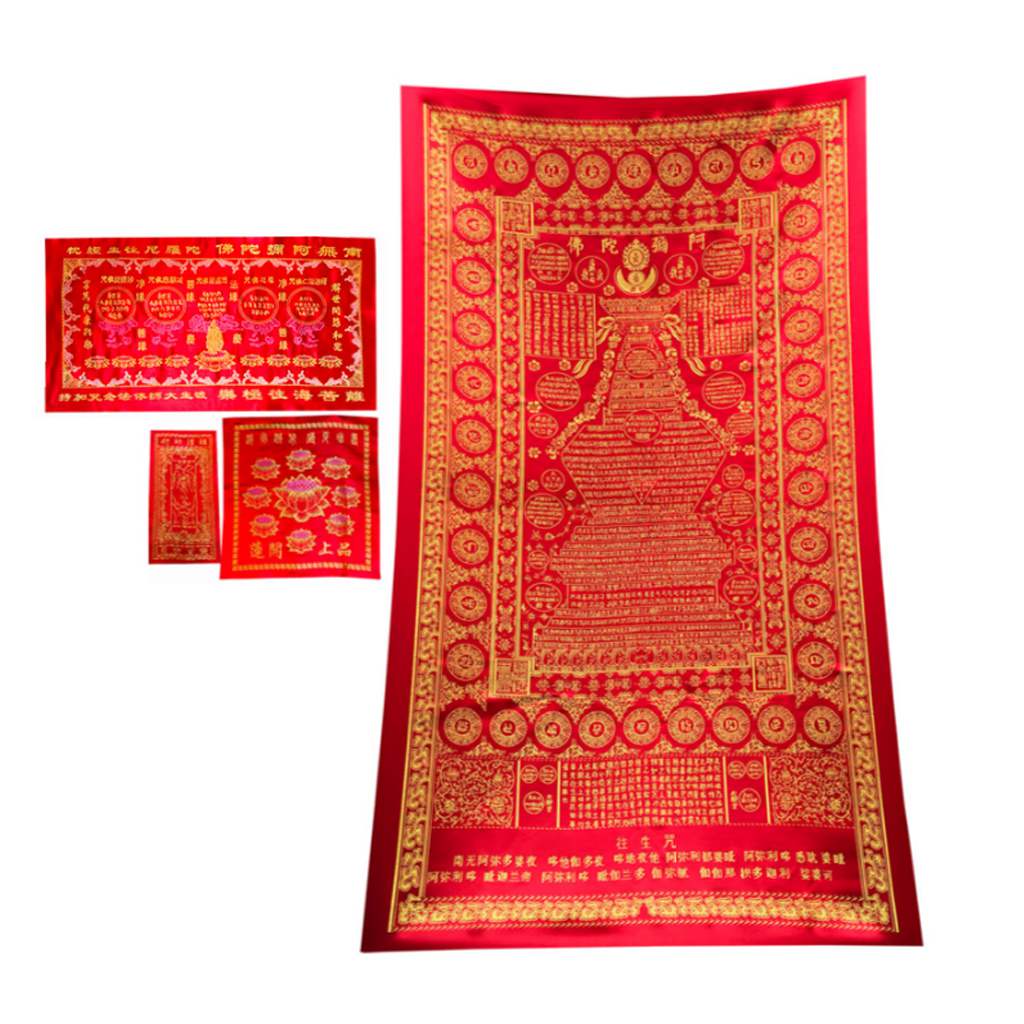 🇹🇭 Thailand and 1 moreYantra clothผ้ายันต์
Cloth marked with sacred designs, hung in a house to keep harm awayCharm · Protection Living
 🇲🇹 Malta and 2 moreDevotional medal
Small metal pieces made and worn for Christian devotionCharm · Protection Living
 🇮🇶 IraqBurney Relief
A Mesopotamian terracotta plaque depicting a winged goddess with owl companions and lion mounts.Charm · Power and authority · Speaking with spirits and the dead Historical
 🇯🇵 JapanKomainu狛犬
Stone lion-dog pairs that guard Japanese shrines and ward off evil spirits.Charm · Protection Living
 🇮🇹 ItalyFascinusfascinum
A Roman phallus image and charm, kept to turn away envyBeing · Protection · Luck and prosperity Historical
 🇬🇷 GreeceThyrsusθύρσος
Dionysus's fennel staff, wreathed in ivy and crowned with a pine coneCharm · Love and attraction · Luck and prosperity Historical
 🇬🇷 GreeceOmphalos of Delphi
A marble stone marking the center of the world in ancient Greek myth and oracle practice.Charm · Power and authority Historical
 🇫🇷 France and 1 moreGargoylegargouille
A carved stone waterspout shaped like a creature, used on Gothic buildings to shed rainwaterCharm · Protection · Wonder and entertainment Historical
 🇮🇩 IndonesiaBhoma
A Balinese earth god whose carved face on temple gates is believed to repel spiritsBeing · Protection · Love and attraction Living
 🇬🇷 Greece and 1 moreCaduceus
A herald's staff entwined with two serpents and wings, linked to commerce and peace.Charm · Luck and prosperity · Speaking with spirits and the dead Historical
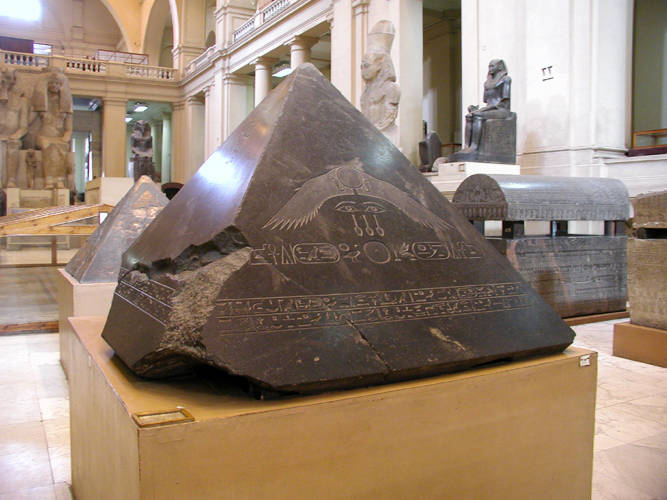 🇪🇬 EgyptBenben
The primeval mound of Egyptian creation myth and the stone cap of a pyramidBelief · Power and authority Historical
 🇨🇳 China and 1 moreCash coins in feng shui古銅錢的風水
Old Chinese square-holed coins, hung or carried to draw luck and bar harmCharm · Luck and prosperity · Protection Living
 🇬🇱 Greenland and 1 moreTupilaqᑐᐱᓚᒃ
A carved monster from Inuit tradition, made to seek out and destroy an enemy.Being · Cursing and harm Living
 🇨🇳 ChinaDragon turtle龍龜 (Lóngguī)
A Chinese mythic creature with a dragon body and turtle shell, used as a Feng Shui charm.Figure · Luck and prosperity · Power and authority Living
 🇹🇷 TurkeyHittite sun disk
An ancient Anatolian bronze symbol used in Hattian and Hittite religious ceremoniesCharm · Speaking with spirits and the dead · Power and authority Historical
 🇳🇿 New Zealand and 4 moreFeather cloak
A garment of feathers worn by royalty and gods across cultures to signal rank or enable flightCharm · Power and authority · Wonder and entertainment Historical
 🇩🇴 Dominican Republic and 5 moreZemi
A Taíno deity or ancestral spirit housed in a carved object used for worship and protectionBeing · Protection · Healing Historical
 🇩🇪 Germany and 5 moreYellow badgeJudenstern
A marked garment worn by Jews under laws of distinction and humiliation across centuries.Charm · Cursing and harm Historical
 🇯🇵 JapanOkiagari-koboshi起き上がり小法師
A Japanese roly-poly doll that rights itself when knocked overCharm · Luck and prosperity · Power and authority Living
 🇨🇳 China and 3 moreCash方孔錢
A round copper coin with a square hole used in China and East Asia for two millennia.Charm · Luck and prosperity · Speaking with spirits and the dead Living
 🇯🇵 JapanSuzu鈴
A hollow Japanese bell with inner pellets, used in Shinto rites and shrines.Charm · Protection · Speaking with spirits and the dead Living
 🇮🇱 Israel and 4 moreChaiחי
A Hebrew word and symbol meaning 'alive', used as an amulet and in Jewish culture.Charm · Protection · Luck and prosperity Living
 🇯🇵 JapanOmamori御守/お守り
Japanese amulets from shrines and temples for luck and protectionCharm · Protection · Luck and prosperity Living
🇺🇸 United StatesGoofer dust
A hoodoo powder used for hexes, protection and coercive love spells in the American South.Charm · Cursing and harm · Protection Historical
 🇪🇸 Spain and 2 moreHoly ChaliceSanto Cáliz
A cup believed to have held the blood of Jesus at the Last SupperCharm · Speaking with spirits and the dead · Power and authority Living
 🇮🇩 IndonesiaTunggal panaluan
A carved magic staff of the Batak shamans in North SumatraCharm · Protection · Cursing and harm Historical
 🇧🇷 BrazilCarranca
A carved figurehead for river boats, believed to ward off evil spiritsCharm · Protection Historical
 🇯🇵 JapanMagatama勾玉
A curved Japanese bead used as jewelry, status symbol, and sacred object in Shinto.Charm · Power and authority · Speaking with spirits and the dead Living
 🇷🇺 Russia and 2 moreBesomвеник
A twig broom used for sweeping, folk magic, and fire responseCharm · Protection · Wonder and entertainment Living
 🇹🇷 Turkey and 1 moreSeal of Muhammadختم الرسول (Khatm ar-Rasul)
Relics and designs attributed to the Prophet's signet ring and correspondence marks.Charm · Power and authority · Protection Historical
 🇬🇧 United KingdomFairy FlagA' Bhratach Shìth
A tattered silk heirloom of Clan MacLeod, said to hold fairy magic and ancient power.Charm · Protection · Luck and prosperity Historical
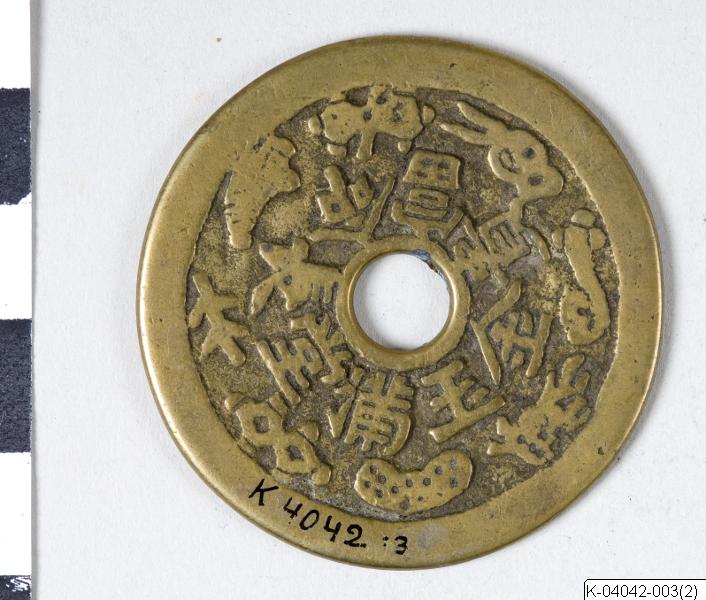 🇨🇳 ChinaEight Treasures八寶 (Bābǎo)
A set of eight symbols in Chinese art and amulets representing good fortune.Charm · Luck and prosperity · Protection Living
 🇮🇳 India and 2 moreEndless knotདཔལ་བེའུ།
A knotted sign of good fortune in Buddhist, Hindu and Jain artCharm · Luck and prosperity Living
🇪🇬 EgyptWadj amulet
A papyrus-shaped charm for eternal youth in the afterlifeCharm · Healing · Luck and prosperity Historical
🇮🇱 IsraelEphodאֵפוֹד
A priestly apron of ancient Israel, worn for ritual and used to seek answersCharm · Seeing and foretelling · Speaking with spirits and the dead Historical
 🇬🇷 Greece and 3 morePalladium
A sacred image or object believed to guarantee the safety of a city or nationCharm · Protection Historical
Photo credits on this page
The small pictures above come from Wikimedia Commons under free licences. Some are cropped to fit.
- Auspicious train ticket: SSR2000, CC BY-SA 3.0, source
- Chai: BASWIM, CC BY 3.0, source
- Suzu: Unknown author, CC0, source
- Palladium: Marie-Lan Nguyen ( Jastrow ), Public domain, source
- Apollo: Wolfgang Sauber, CC BY-SA 3.0, source
- Staff of Moses: John Everett Millais, Public domain, source
- Bergen rune charm: Bengt A. Lundberg, CC BY 2.5, source
- Asherah pole: Oren Rozen, CC BY-SA 4.0, source
- Ame-no-Nuboko: Kobayashi Eitaku, Public domain, source
- Omamori: Leongboy1, Public domain, source
- Burney Relief: Unknown author, CC0, source
- Komainu: Unknown author, Public domain, source
- Fascinus: Vassil, Public domain, source
- Omphalos of Delphi: Yucatan ( Юкатан ), CC BY-SA 3.0, source
- Bhoma: Siti Noviali, CC BY-SA 4.0, source
- Caduceus: Providence Painter, Public domain, source
- Benben: Unknown author, Public domain, source
- Cash coins in feng shui: No machine-readable author provided. Galopin~commonswiki assumed (base, CC BY-SA 3.0, source
- Dragon turtle: Jonathan O'Donnell, CC BY 2.0, source
- Hittite sun disk: Noumenon, CC BY-SA 3.0, source
- Feather cloak: Lusanaherandraton, CC BY-SA 4.0, source
- Yellow badge: Edited version of original photo by Rama, CC BY-SA 3.0, source
- Holy Chalice: Vitold Muratov, CC BY-SA 3.0, source
- Seal of Muhammad: unknown (drawing is signed in lower left corner), Public domain, source
- Cross necklace: paterm, CC BY-SA 4.0, source
- Taiganja: sailko, CC BY-SA 3.0, source
- Yantra cloth: QIANSION, CC BY-SA 4.0, source
- Devotional medal: Xhienne, CC BY-SA 3.0, source
- Thyrsus: ArchaiOptix, CC BY-SA 4.0, source
- Gargoyle: Bernard Gagnon, CC BY-SA 4.0, source
- Tupilaq: Louis Chemnitz, CC BY-SA 4.0, source
- Zemi: Unknown author, CC0, source
- Okiagari-koboshi: Unknown author, CC BY-SA 3.0, source
- Cash: User 冷玉 on zh.wikipedia, CC BY-SA 3.0, source
- Tunggal panaluan: Tropenmuseum, CC BY-SA 3.0, source
- Carranca: Glauco Umbelino, CC BY 2.0, source
- Magatama: Kakidai, CC BY-SA 3.0, source
- Besom: https://en.wikipedia.org/wiki/David_Cox_(artist), Public domain, source
- Fairy Flag: Otter, CC BY-SA 3.0, source
- Eight Treasures: Etnografiska Museet, CC BY 2.5, source
- Endless knot: Unknown author, CC BY 4.0, source