
The Sigtuna rib is a 12th-century runic amulet discovered in the town of Sigtuna in Uppland, Sweden. It consists of a rib bone inscribed with Old Norse text on both sides, which appears to be a spell intended to cure or prevent illness.
- Found in Sigtuna, Sweden, in the 1990s
- Dated to the 12th century, around 1100 AD
- Made from a rib bone with inscriptions on both sides
- Inscribed with Younger Futhark runes in Old Norse
- Believed to be a spell against disease
What it is
The Sigtuna rib is a small runic amulet dating to the 12th century. It was crafted from a rib bone and bears an inscription on both sides. The text is written in the Younger Futhark runic alphabet using the Old Norse language. Scholars interpret the content as a magical spell designed to combat disease. Such objects were likely used as personal protective charms by individuals seeking health or recovery during the medieval period in Scandinavia.
Where it comes from
The artifact originates from Sigtuna, a significant town in the province of Uppland, Sweden. It was discovered during archaeological excavations in the 1990s, specifically identified by the signum U NOR1998;25. The object belongs to the cultural context of the Norsemen, reflecting the continued use of runic magic in Sweden well into the Christian era. Its creation is dated to approximately the year 1100, placing it in the late Viking Age or early medieval period.
How it is done
The amulet functions through the physical presence of the inscribed bone. The creator carved runes onto both surfaces of a rib bone. The specific arrangement of characters forms a sequence believed to possess healing power. Users would likely carry or wear the object as a talisman. The dual-sided nature of the inscription may have been intended to maximize the magical efficacy or ensure the spell's visibility and potency from multiple angles.
Tools and materials
The primary material is a rib bone, repurposed as a writing surface. The tool used for inscription would have been a sharp implement capable of carving into bone. The script employed is the Younger Futhark, a simplified runic alphabet used in Scandinavia during this period. The language of the inscription is Old West Norse or Old East Norse, normalized by modern scholars for study. No other materials or decorative elements are recorded for this specific artifact.
Sigtuna rib, drawn and placed
- Living
- Revived
- Fading
- Historical
- Legendary
- Performed
- Lineage
- Norse runic tradition
What it is for
The Sigtuna rib serves as a charm against disease. Its intent is therapeutic, aimed at curing or preventing illness. In the medieval Norse worldview, sickness could be addressed through magical means alongside physical remedies. The owner would rely on the spell's power to restore health. This reflects a common practice where runic texts were applied to practical problems like health, protection, and luck in daily life.
Who does it
The maker of the Sigtuna rib remains unknown, but such items were often produced by cunning folk or skilled individuals familiar with runic lore. The user was likely a layperson, part of the general household population seeking help for health issues. There is no evidence of specialized priestly involvement. The practice of creating and using runic charms was widespread among the Norse people, transcending strict social hierarchies.
Peoples and places
The artifact is associated with the Norsemen of Sweden, specifically the region of Uppland. Sigtuna was a major center of trade and culture in medieval Sweden. The use of runes persisted here even as Christianity spread. Similar runic charms have been found across Scandinavia, indicating a shared cultural tradition of using inscribed objects for magical purposes. The Sigtuna rib fits within this broader pattern of Norse folk magic.
At a glance: who, where and when
What people believe
The underlying belief system holds that written words possess inherent power. Inscribing a spell on a durable material like bone was thought to preserve and concentrate that power. The runes themselves were seen as more than just letters; they were active symbols. The community believed that these magical formulas could influence physical reality, such as driving away disease. This reflects a syncretic blend of older pagan beliefs and contemporary practices.
When it is done
No specific festivals or calendar dates are associated with the Sigtuna rib. It appears to have been created and used in response to immediate needs, such as illness, rather than for seasonal rituals. Runic charms were often made on demand when a problem arose. This contrasts with public religious ceremonies tied to the agricultural or liturgical calendar.
How scholars and sceptics see it
Researchers classify the Sigtuna rib as a historical artifact of runic literacy and folk medicine. Epigraphers analyze the inscription to understand the linguistic features of Old Norse. Anthropologists view it as evidence of how ordinary people dealt with health crises in the past. The discovery helps map the geographical spread of runic usage beyond monumental stones. It confirms that rune magic remained relevant in domestic contexts during the 12th century.
Cautions and what is closed
There are no recorded instances of harm or fraud associated with this specific artifact. As a historical object, it poses no risk to modern users. However, ancient runic charms sometimes carried taboos regarding their handling or disposal. Today, it is studied as an archaeological find.
Compare and confuse
The Sigtuna rib is similar to other Scandinavian runic amulets, such as the Canterbury charm or the Kvinneby amulet. These objects share the use of bone or metal surfaces and spells for protection or healing. They differ in specific wording and regional styles. The term 'Sigtuna amulet' might refer to other finds from the same town, requiring careful distinction. All belong to the broader category of Nordic runic magic.
Law and persecution
The Sigtuna rib is a protected archaeological find in Sweden. Its discovery and excavation followed legal protocols for heritage management. Ownership typically rests with the state or museum institutions. Private trading of such artifacts is regulated to prevent looting. The object is preserved for public education and research. No specific laws target runic charms themselves, but general antiquities laws apply.
Questions people ask about Sigtuna rib
What is the Sigtuna rib?
It is a 12th-century runic amulet made from a rib bone. Found in Sigtuna, Sweden, it bears an inscription interpreted as a spell to cure or prevent disease. It represents medieval Norse folk magic.
Where was the Sigtuna rib discovered?
The artifact was discovered in Sigtuna, located in the province of Uppland, Sweden. It was unearthed during archaeological work in the 1990s and is cataloged under the signum U NOR1998;25.
What language is written on the Sigtuna rib?
The text is written in Old Norse, using the Younger Futhark runic alphabet. Scholars have provided normalizations of the text in both Old West Norse and Old East Norse dialects for study.
Who used the Sigtuna rib?
It was likely used by ordinary Norse people in Sweden who sought relief from illness. The practice of using runic charms for health was common among households in medieval Scandinavia.
Good reading and sources
The facts on this page come from the Wikipedia article "Sigtuna rib", written by its contributors and used under the CC BY-SA 4.0 licence, and from its Wikidata record (CC0). EveryJaadu rewrote the text in its own words, with AI assistance, and compares every page with the article to make sure no passage is copied. It may be reused under the same CC BY-SA 4.0 licence with a link back.
It may contain mistakes. Names and customs differ from one community to the next, and some knowledge is closed to outsiders and left out here. This page describes belief and practice. It does not say that any of it works, it is not a how-to, and it is not medical advice. If something is wrong, tell us. Last refreshed 2026-10-09.
More from Sweden
All the entries from Sweden 🇸🇪 Sweden and 3 moreSilver bullet
A folk weapon for monsters and a metaphor for simple solutionsCharm · Cursing and harm Historical
🇸🇪 Sweden and 3 moreSilver bullet
A folk weapon for monsters and a metaphor for simple solutionsCharm · Cursing and harm Historical
 🇸🇪 SwedenKvinneby amulet
An 11th-century Swedish copper plate with a long runic inscription seeking protectionCharm · Protection Historical
🇸🇪 SwedenKvinneby amulet
An 11th-century Swedish copper plate with a long runic inscription seeking protectionCharm · Protection Historical
 🇮🇸 Iceland and 2 moreBrísingamen
The enchanted necklace of the Norse goddess FreyjaCharm · Power and authority Legendary
🇮🇸 Iceland and 2 moreBrísingamen
The enchanted necklace of the Norse goddess FreyjaCharm · Power and authority Legendary
 🇸🇪 Sweden and 1 moreTroll crosstrollkors
A carved or bent iron sigil used in Sweden and Norway to ward off harmful magic and creatures.Charm · Protection Revived
🇸🇪 Sweden and 1 moreTroll crosstrollkors
A carved or bent iron sigil used in Sweden and Norway to ward off harmful magic and creatures.Charm · Protection Revived
Related elsewhere
All charm 🇨🇳 China and 5 moreGuanyin觀音 (Guānyīn)
The Bodhisattva of compassion, worshipped across East Asia as a listener to human sufferingBeing · Protection · Healing Living
🇨🇳 China and 5 moreGuanyin觀音 (Guānyīn)
The Bodhisattva of compassion, worshipped across East Asia as a listener to human sufferingBeing · Protection · Healing Living
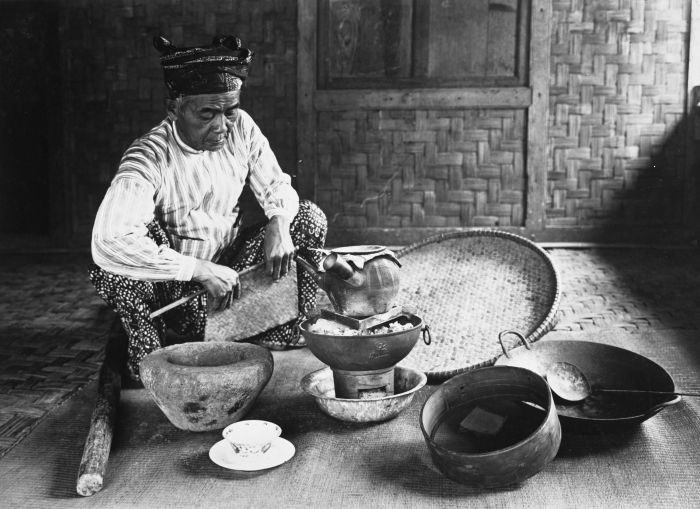 🇮🇩 Indonesia and 2 moreDukun
A traditional healer and spirit medium in Indonesian folk practiceTradition · Healing · Seeing and foretelling Living
🇮🇩 Indonesia and 2 moreDukun
A traditional healer and spirit medium in Indonesian folk practiceTradition · Healing · Seeing and foretelling Living
 🇸🇳 Senegal and 1 moreSerer religionA ƭat Roog
The traditional faith of the Serer people, centred on the supreme deity Roog and ancestral veneration.Tradition · Protection · Speaking with spirits and the dead Living
🇮🇳 IndiaPanchagavya
A fermented mixture of five cow products used in Hindu rituals and Ayurvedic traditions.Substance · Cleansing and purification · Healing Living
🇸🇳 Senegal and 1 moreSerer religionA ƭat Roog
The traditional faith of the Serer people, centred on the supreme deity Roog and ancestral veneration.Tradition · Protection · Speaking with spirits and the dead Living
🇮🇳 IndiaPanchagavya
A fermented mixture of five cow products used in Hindu rituals and Ayurvedic traditions.Substance · Cleansing and purification · Healing Living