
Akabeko
In its own language: 赤べこ
from Japanese akabeko, meaning red cow
A bobbing papier-mâché toy from Japan believed to ward off illness
Akabeko is a traditional Japanese folk toy shaped like a red cow. It originates from the Aizu region and is based on a legendary beast that guarded a temple. People believe the toy protects against smallpox and other sicknesses.
- Toy made of papier-mâché with a bobbing head
- Legend involves a cow turning to stone at a temple
- Believed to protect children from smallpox
- Crafted by fewer than a dozen family workshops
- Symbol of the Aizu region and Fukushima Prefecture
What it is
Akabeko is a handmade charm from Japan designed to look like a red cow or ox. The toy features a hollow body and a head suspended by a string. When handled, the head bobs up and down. It serves as a protective talisman in households. People hold that it wards off smallpox and general illness. The red colour is central to its reputation as a health charm. It stands as a well-known symbol of the Aizu region.
Where it comes from
The toy stems from a ninth-century legend about a cow at Enzō-ji temple in Yanaizu. Stories say the animal turned to stone after offering its spirit to Buddha. Another tale claims it refused to leave the temple grounds. In the late sixteenth century, court artisans created the first papier-mâché versions. They were ordered to do so by Gamō Ujisato, who ruled the area. These early toys established the basic design used today.
How it is done
Artisans build the toy using wetted washi paper wrapped around wooden blocks. The blocks shape the body and the separate head. After drying, the paper is split and removed from the wood. More paper layers are added to join the pieces. The surface is painted black, then red, with white details for the eyes. A final coat of lacquer seals the work. The process takes roughly ten days to complete.
Tools and materials
The craft relies on specific materials and tools. Artisans use wooden blocks that have lasted for generations. Wetted washi paper forms the main structure. Paint provides the signature red colour and black base. White paint marks the eyes. Lacquer finishes the surface. Some workshops add gold markings or characters for luck on the back.
Akabeko, drawn and placed
- Living
- Revived
- Fading
- Historical
- Legendary
- Performed
- Lineage
- Japanese folk craft tradition
What it is for
People keep the toy to protect against disease. Belief holds that it wards off smallpox specifically. Children owning the toy were thought safe during outbreaks. The red colour strengthens this protective association. Families view it as a guardian against sickness. The charm persists as a popular superstition in modern times.
Who does it
Fewer than a dozen family-run workshops produce the toys. Craftsmen pass the technique through generations. The makers are skilled artisans trained in traditional methods. They maintain the specific shapes and painting styles. The workshops operate within Fukushima Prefecture. Their work preserves the regional identity.
Peoples and places
The toy belongs to the people of the Aizu region in Japan. It represents local culture and history. Fukushima Prefecture claims it as a famous craft. The larger Tōhoku region also adopts it as a symbol. People across Japan recognize the item. It connects communities through shared heritage.
At a glance: who, where and when


What people believe
The legend ties the toy to Buddhist devotion. The original cow gave its spirit to Buddha. This act transformed its flesh into stone. Red amulets are traditionally seen as shields against illness. The toy inherits this spiritual protection. Households rely on faith rather than medical science. The belief sustains the toy's popularity.
When it is done
No specific festivals or calendar days govern the toy. It functions as a daily household object. Parents give it to children for protection. It remains relevant whenever illness is feared. The toy does not require special dates to be effective.
How scholars and sceptics see it
Scholars study the toy as a cultural artifact. Thomas Madden recorded the local legends. Researchers note the link between the toy and historical smallpox outbreaks. Anthropologists view it as an example of folk healing beliefs. Historians trace its production to the Sengoku period.
Cautions and what is closed
The toy poses no physical danger. It is made of paper and wood. No harmful substances are involved. The belief in protection is psychological. Modern medicine treats diseases scientifically. The toy remains a harmless cultural keepsake.
Compare and confuse
Akabeko differs from other Japanese charms. Okiagari-koboshi is another bobbing toy but lacks the animal form. Red heifers exist in different traditions. The Akabeko is unique to the Aizu dialect and region. Its name means red cow in local speech.
Law and persecution
No laws restrict the toy. It is a legal craft product. Government bodies may support its preservation. It faces no persecution or bans. The craft enjoys official recognition as a regional symbol.
Questions people ask about Akabeko
What is Akabeko?
It is a Japanese folk toy shaped like a red cow. The head hangs from a string and bobs when moved. It originates from the Aizu region of Japan.
Why is it red?
The red colour links to beliefs that red amulets protect against smallpox. The legend describes a red cow that guarded a temple. The colour enhances its role as a health charm.
How is it made?
Artisans wrap wetted washi paper around wooden blocks. They paint it black and red, then seal it with lacquer. The process takes about ten days per toy.
What does it protect against?
People believe it wards off smallpox and other illnesses. Families kept it to protect children during outbreaks. The belief persists as a cultural superstition.
Good reading and sources
- Akabeko on WikipediaEncyclopedia
- More photos on Wikimedia CommonsPhotos and video
- Wikidata recordOpen data
The facts on this page come from the Wikipedia article "Akabeko", written by its contributors and used under the CC BY-SA 4.0 licence, and from its Wikidata record (CC0). EveryJaadu rewrote the text in its own words, with AI assistance, and compares every page with the article to make sure no passage is copied. It may be reused under the same CC BY-SA 4.0 licence with a link back.
It may contain mistakes. Names and customs differ from one community to the next, and some knowledge is closed to outsiders and left out here. This page describes belief and practice. It does not say that any of it works, it is not a how-to, and it is not medical advice. If something is wrong, tell us. Last refreshed 2026-10-09.
More from Japan
All the entries from Japan 🇯🇵 JapanOfudaお札/御札 (ofuda)
Paper and wooden talismans from Japanese Shinto shrines and Buddhist templesCharm · Protection · Cleansing and purification Living
🇯🇵 JapanOfudaお札/御札 (ofuda)
Paper and wooden talismans from Japanese Shinto shrines and Buddhist templesCharm · Protection · Cleansing and purification Living
 🇨🇳 China and 1 moreFulu符籙
Taoist talismans with cryptic symbols used for healing and protectionCharm · Healing · Protection Living
🇨🇳 China and 1 moreFulu符籙
Taoist talismans with cryptic symbols used for healing and protectionCharm · Healing · Protection Living
 🇯🇵 JapanOmamori御守/お守り
Japanese amulets from shrines and temples for luck and protectionCharm · Protection · Luck and prosperity Living
🇯🇵 JapanOmamori御守/お守り
Japanese amulets from shrines and temples for luck and protectionCharm · Protection · Luck and prosperity Living
 🇨🇳 China and 5 moreChinese guardian lions石獅 (shíshī)
Stone lion pairs placed at entrances to ward off harm and welcome fortuneCharm · Protection · Luck and prosperity Living
🇨🇳 China and 5 moreChinese guardian lions石獅 (shíshī)
Stone lion pairs placed at entrances to ward off harm and welcome fortuneCharm · Protection · Luck and prosperity Living
Related elsewhere
All charm 🇮🇶 Iraq and 5 moreGrimoire
A textbook containing instructions for spells, rituals, and the creation of magical objects.Text · Protection · Healing Historical
🇮🇶 Iraq and 5 moreGrimoire
A textbook containing instructions for spells, rituals, and the creation of magical objects.Text · Protection · Healing Historical
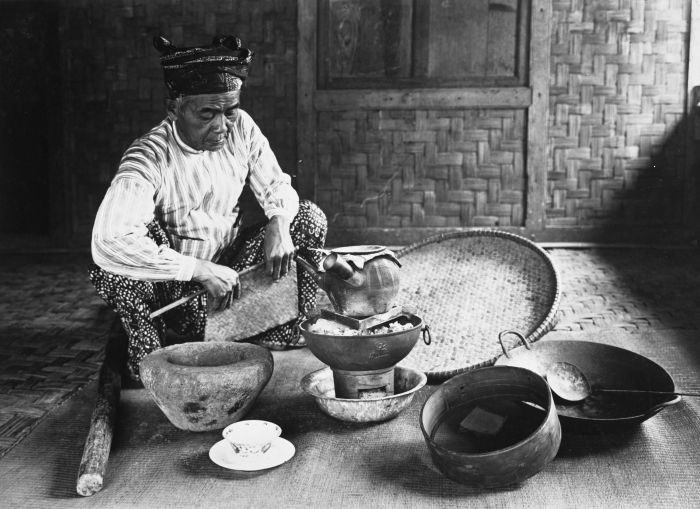 🇮🇩 Indonesia and 2 moreDukun
A traditional healer and spirit medium in Indonesian folk practiceTradition · Healing · Seeing and foretelling Living
🇮🇩 Indonesia and 2 moreDukun
A traditional healer and spirit medium in Indonesian folk practiceTradition · Healing · Seeing and foretelling Living
 🇸🇳 Senegal and 1 moreSerer religionA ƭat Roog
The traditional faith of the Serer people, centred on the supreme deity Roog and ancestral veneration.Tradition · Protection · Speaking with spirits and the dead Living
🇸🇳 Senegal and 1 moreSerer religionA ƭat Roog
The traditional faith of the Serer people, centred on the supreme deity Roog and ancestral veneration.Tradition · Protection · Speaking with spirits and the dead Living
 🇮🇹 Italy and 5 morePrecious coral
A marine skeleton harvested for jewelry and worn as a protective charm in several culturesSubstance · Protection · Healing Living
🇮🇹 Italy and 5 morePrecious coral
A marine skeleton harvested for jewelry and worn as a protective charm in several culturesSubstance · Protection · Healing Living