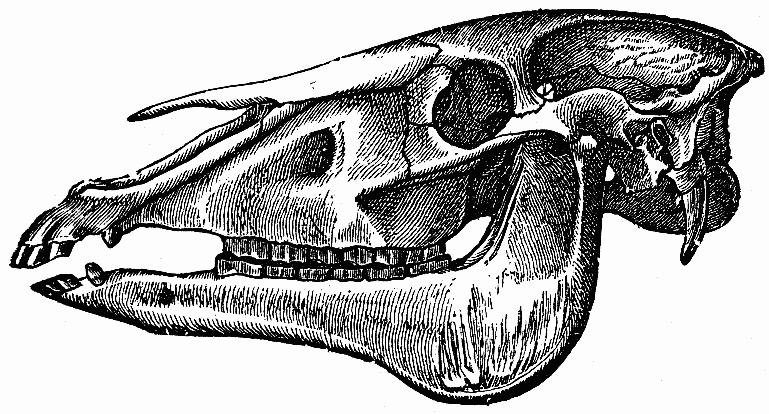
Horse skulls are animal remains hidden inside building structures, a practice documented in Ireland, England, Wales, Scandinavia, and the United States. They are part of a folk tradition that includes hiding shoes and cats, with theories suggesting they were used to improve acoustics or repel evil spirits.
- Found in Ireland, England, Wales, and Scandinavia
- Also discovered in the United States, rarely
- Related to hiding shoes, cats, and witch bottles
- Theories include acoustics and spirit repelling
- Part of European folk building traditions
What it is
Horse skulls are the skeletal remains of horses placed within the walls, floors, or foundations of buildings. This practice is a specific type of concealed object ritual, similar to hiding dried cats, witch bottles, or old footwear. The skulls are not typically displayed but are buried or tucked away during construction or renovation. Scholars view them as part of a broader European custom of embedding items into structures for protective or functional purposes.
Where it comes from
The practice is primarily associated with Ireland, England, Wales, and the Scandinavian Peninsula. Archaeological finds have also occurred in the United States, though much less frequently. The tradition is linked to other forms of structural concealment, such as the hiding of shoes or animals, which were common in folk architecture across these regions. The exact origins are tied to local building customs rather than a single unified religion.
How it is done
Skulls were concealed within the fabric of buildings. Locations included under floorboards, within wall cavities, or beneath foundations. The act was usually performed by builders or homeowners during the construction phase. The placement was deliberate, ensuring the skull remained hidden from daily view while becoming part of the structure's permanent makeup.
Tools and materials
The primary tool is the horse skull itself. These are often cleaned of flesh and sometimes painted or marked, though sources vary on decoration. The skull is treated as a potent object due to its association with the horse, an animal of significance in folklore. It is placed alongside other ritual items like shoes or bottles in some traditions.
Horse skulls, drawn and placed
- Living
- Revived
- Fading
- Historical
- Legendary
- Performed
- Lineage
- European folk magic
What it is for
Two main theories explain the purpose. One suggests the skulls were used to enhance room acoustics, particularly in churches or threshing barns, acting as a resonating chamber. The other theory holds that they served a magical function, repelling evil spirits, witches, or ghosts. The acoustic theory is often debated against the protective intent.
Who does it
The practitioners were likely ordinary household members or builders involved in construction. There is no evidence of specialized priests or shamans performing this rite. It appears to be a domestic or communal building practice, integrated into the normal process of erecting a home or public building.
Peoples and places
The custom is most strongly documented in Ireland, England, Wales, and Scandinavia. In these regions, horse skulls are a recognized part of the archaeological record. The practice exists in the United States but is far less common, suggesting it may have been brought by settlers or developed independently on a smaller scale.
At a glance: who, where and when
Who does it
Belief worlds
What people believe
The belief system underlying this practice is rooted in folk magic and superstition. Horses were seen as powerful creatures, and their skulls were thought to hold spiritual weight. Placing them in a home was believed to create a barrier against malevolent forces. Alternatively, if used for acoustics, it reflects a practical understanding of sound physics disguised or combined with traditional methods.
How scholars and sceptics see it
Anthropologists and historians study these finds to understand past building practices and folk beliefs. Some researchers argue for the acoustic explanation, noting the resonance properties of bone in large rooms. Others emphasize the apotropaic (evil-averting) nature of the skulls, linking them to wider European traditions of protecting dwellings from supernatural harm.
Cautions and what is closed
There are no known cautions related to health or legal risk in the historical context. However, disturbing these finds can be sensitive for modern communities. The practice is historical, and no living group actively performs this ritual today. It is studied as a cultural artifact rather than a current practice.
Compare and confuse
Horse skulls are related to other concealed objects like cat skins, shoes, and witch bottles. These items share the theme of embedding protective or symbolic objects into buildings. The Mari Lwyd and hobby horse traditions involve horse imagery but are performance-based, unlike the static burial of skulls.
Law and persecution
No specific laws govern the historical practice. Today, finding such items may fall under heritage or archaeological protection laws depending on the country. Disturbing historic structures to remove them may require permission from local authorities or preservation societies.
Today
The practice is largely historical. Finds continue to surface during renovations or archaeological digs. Museums and historians preserve these skulls as examples of folk material culture. The tradition has not been revived as a living practice but remains a subject of academic interest in European archaeology.
Questions people ask about Horse skulls
What are horse skulls in buildings?
They are horse skeletons hidden in walls or floors, found mainly in Europe and the US. They are part of a folk tradition of concealing objects in structures for protection or utility.
Why were they hidden?
Scholars suggest two reasons: to improve acoustics in rooms like barns or churches, or to ward off evil spirits and witches. Both explanations appear in historical records.
Where are they most commonly found?
They are most frequently found in Ireland, England, Wales, and the Scandinavian Peninsula. Occasional finds occur in the United States, but these are rare.
Good reading and sources
The facts on this page come from the Wikipedia article "Horse skulls", written by its contributors and used under the CC BY-SA 4.0 licence, and from its Wikidata record (CC0). EveryJaadu rewrote the text in its own words, with AI assistance, and compares every page with the article to make sure no passage is copied. It may be reused under the same CC BY-SA 4.0 licence with a link back.
It may contain mistakes. Names and customs differ from one community to the next, and some knowledge is closed to outsiders and left out here. This page describes belief and practice. It does not say that any of it works, it is not a how-to, and it is not medical advice. If something is wrong, tell us. Last refreshed 2026-10-12.
More from Ireland
All the entries from Ireland 🇬🇧 United Kingdom and 4 moreCorn dolly
A woven straw figure made from the last sheaf of a European harvest to house the crop spirit.Tradition · Protection · Speaking with spirits and the dead Revived
🇬🇧 United Kingdom and 4 moreCorn dolly
A woven straw figure made from the last sheaf of a European harvest to house the crop spirit.Tradition · Protection · Speaking with spirits and the dead Revived
 🇮🇪 IrelandBlarney StoneCloch na Blarnan
A limestone block in an Irish castle kissed for the gift of eloquenceCharm · Power and authority Living
🇮🇪 IrelandBlarney StoneCloch na Blarnan
A limestone block in an Irish castle kissed for the gift of eloquenceCharm · Power and authority Living
 🇮🇪 IrelandLia Fáil
A standing stone at the Hill of Tara used for royal inaugurations in Irish legendCharm · Power and authority Historical
🇮🇪 IrelandLia Fáil
A standing stone at the Hill of Tara used for royal inaugurations in Irish legendCharm · Power and authority Historical
 🇬🇧 United Kingdom and 5 moreConcealed shoes
Shoes hidden in building structures as folk charms for protection and fertilityCharm · Protection · Speaking with spirits and the dead Historical
🇬🇧 United Kingdom and 5 moreConcealed shoes
Shoes hidden in building structures as folk charms for protection and fertilityCharm · Protection · Speaking with spirits and the dead Historical
Related elsewhere
All charm 🇮🇩 IndonesiaBarongᬩᬭᭀᬂ
A lion-like spirit king of Balinese mythology who battles the witch-queen Rangda in ritual dance.Being · Protection · Wonder and entertainment Living
🇮🇩 IndonesiaBarongᬩᬭᭀᬂ
A lion-like spirit king of Balinese mythology who battles the witch-queen Rangda in ritual dance.Being · Protection · Wonder and entertainment Living
 🇸🇩 Sudan and 5 moreIncense
Aromatic plant materials burned to release fragrant smoke for ritual, scent, or timekeeping.Substance · Protection · Speaking with spirits and the dead Living
🇸🇩 Sudan and 5 moreIncense
Aromatic plant materials burned to release fragrant smoke for ritual, scent, or timekeeping.Substance · Protection · Speaking with spirits and the dead Living
 🇲🇽 Mexico and 2 moreAlebrije
Brightly painted Mexican sculptures of fantastical creatures, made from paper or woodTradition · Protection · Wonder and entertainment Living
🇲🇽 Mexico and 2 moreAlebrije
Brightly painted Mexican sculptures of fantastical creatures, made from paper or woodTradition · Protection · Wonder and entertainment Living
 🇯🇵 JapanKitsuneきつね
A Japanese fox spirit known for shapeshifting and trickeryBeing · Cursing and harm · Protection Legendary
🇯🇵 JapanKitsuneきつね
A Japanese fox spirit known for shapeshifting and trickeryBeing · Cursing and harm · Protection Legendary