
Ghost shirt
A sacred garment of the Ghost Dance believed to protect the wearer from bullets
Ghost shirts are clothing items worn by followers of the Ghost Dance religion founded by Wovoka in the late nineteenth century. Certain factions of the Lakota people believed these garments were imbued with spiritual power that could guard against bullets.
- Worn by Lakota followers of the Ghost Dance religion
- Believed to protect the wearer from bullets
- Associated with the 1890 Wounded Knee Massacre
- Founded by Northern Paiute leader Wovoka
- One shirt was returned to the Lakota in 1998
What it is
Ghost shirts are sacred garments worn by members of the Ghost Dance religion. This faith was established by Wovoka, a Northern Paiute leader, during the final decades of the nineteenth century. The movement spread rapidly among Indigenous communities across the Great Basin and Plains regions. While the religion generally promoted peace, specific groups within the Lakota nation viewed these shirts as powerful protective talismans. They held that the spiritual energy woven into the fabric could shield the wearer from physical harm, particularly gunfire.
Where it comes from
The practice emerged from the Ghost Dance movement initiated by Wovoka. He advocated for non-violent resistance to white settlers, believing that peaceful adherence would eventually drive them away through natural disasters. However, leaders like Kicking Bear and Short Bull interpreted the teachings differently. They argued that the Ghost shirts provided sufficient spiritual armor to actively fight back against U.S. military forces. Anthropologist James Mooney suggested this specific belief in bullet protection may have been influenced by the Mormon temple garment, which is also thought to offer spiritual defense.
How it is done
The shirts were worn as part of religious observance and preparation for conflict. Followers believed the garments possessed inherent spiritual power rather than relying on physical construction alone. The act of wearing the shirt was an expression of faith in its protective capabilities. This belief led some warriors to enter battle wearing only the shirt, expecting it to repel enemy fire. The practice was deeply tied to the militant interpretation of the Ghost Dance held by certain Lakota factions.
Tools and materials
The primary tool is the shirt itself, often made from ordinary cloth but transformed by ritual significance. Some accounts mention decorations or specific materials used in their creation, though the core element is the garment's association with the Ghost Dance spirit. The shirts served as wearable amulets, distinct from other forms of magic due to their direct link to the movement's founder and his visions.
Ghost shirt, drawn and placed
- Living
- Revived
- Fading
- Historical
- Legendary
- Performed
- Lineage
- Ghost Dance religion
What it is for
The main purpose was protection from violence, specifically bullets fired by the U.S. Army. Believers sought safety and victory in conflicts with settlers and military forces. The shirts were intended to ensure survival and uphold the dignity of the Native American people against oppression. For those who adopted the militant view, the shirts were essential for resisting displacement and maintaining sovereignty through armed struggle.
Who does it
The shirts were worn by laypeople and warriors within the Ghost Dance community. Leadership figures like Kicking Bear played a key role in promoting the belief in their protective powers. The practice was not restricted to a single gender but was particularly significant among men preparing for potential conflict. Participation required adherence to the Ghost Dance rituals and the spiritual framework established by Wovoka.
Peoples and places
The tradition is most closely associated with the Lakota people of the Plains region. It originated among the Northern Paiute under Wovoka before spreading westward. Other Indigenous groups in the Great Basin also participated in the broader Ghost Dance movement. The belief in bulletproof shirts became a defining feature of the Lakota resistance during the late nineteenth century, distinguishing their experience from other tribes involved in the dance.
At a glance: who, where and when
Who does it
Peoples
Belief worlds


What people believe
The underlying worldview holds that spiritual forces can manifest in physical objects to alter reality. Followers believed that the Ghost Dance rituals infused the shirts with power capable of stopping projectiles. This reflects a cosmology where the spiritual and material worlds intersect, allowing divine intervention to protect the faithful. The belief was tested tragically at Wounded Knee, where many wearers died despite their faith in the garments' invulnerability.
When it is done
The shirts were used during periods of tension and conflict between Native Americans and U.S. forces. Their use peaked around 1890, leading up to the Wounded Knee Massacre. There were no fixed annual festivals tied exclusively to the shirts, but they were worn during gatherings and preparations for potential clashes. The timing was driven by immediate political and social pressures rather than a seasonal calendar.
How scholars and sceptics see it
Anthropologists like James Mooney analyzed the origins of the bulletproof belief, linking it to external influences such as Mormon beliefs. Scholars note the tragic irony of the shirts failing to protect wearers at Wounded Knee, where over one hundred fifty Lakota died. Researchers study the Ghost Dance as a response to colonial oppression and cultural disruption. The event is seen as a pivotal moment in Native American history, highlighting the clash between spiritual hope and military force.
Cautions and what is closed
The belief in the shirts' protective power led to fatal consequences during the Wounded Knee Massacre. Many warriors entered the confrontation trusting the garments, resulting in significant loss of life. The incident serves as a somber reminder of the dangers of relying on supernatural protection in violent conflicts. Historical records document the high casualty rates among those wearing the shirts, underscoring the gap between spiritual belief and physical reality.
Compare and confuse
Similar beliefs in protective clothing appear in other contexts, such as the Chinese Boxer Rebellion, where adherents claimed spiritual immunity to bullets. Islamic culture features talismanic shirts designed for protection. Spanish soldiers historically used inscriptions called Detente bala for the same purpose. These examples show a recurring human desire for magical defense against weapons, though the specific rituals and cultural meanings differ widely.
Law and persecution
The Ghost Dance movement faced suppression by U.S. authorities, contributing to the tensions that led to Wounded Knee. The massacre marked a brutal end to the large-scale practice of the Ghost Dance. Today, the shirts are recognized as important cultural artifacts. Some have been returned to descendant communities, such as the one returned by Glasgow City Council in 1998. Legal and ethical debates continue regarding the ownership and repatriation of such sacred items.
Today
The Ghost Dance is largely a historical movement, though its legacy persists in Native American identity and memory. The shirts are preserved in museums and private collections, with ongoing efforts to return them to tribal communities. Popular culture references, such as in literature and film, keep the image of the Ghost shirt alive. Contemporary discussions focus on cultural heritage, the trauma of Wounded Knee, and the resilience of Indigenous traditions.
Questions people ask about Ghost shirt
What is a Ghost shirt?
A Ghost shirt is a sacred garment worn by followers of the Ghost Dance religion. It was believed to possess spiritual power capable of protecting the wearer from harm, particularly bullets, during conflicts with U.S. forces.
Where did the Ghost Dance originate?
The Ghost Dance originated in the late nineteenth century among the Northern Paiute people. It was founded by Wovoka and quickly spread to other Indigenous groups across the Great Basin and Plains regions of North America.
Why did the Lakota believe the shirts worked?
Some Lakota leaders, such as Kicking Bear, taught that the Ghost shirts provided spiritual armor. They believed this power would allow warriors to resist U.S. military aggression without fear of injury from gunfire.
What happened at Wounded Knee?
During the Wounded Knee Massacre in 1890, many Lakota wearing Ghost shirts were killed. The shirts failed to protect them from army fire, resulting in over one hundred fifty deaths and demonstrating the tragic limits of the belief.
Good reading and sources
- Ghost shirt on WikipediaEncyclopedia
- More photos on Wikimedia CommonsPhotos and video
- Wikidata recordOpen data
The facts on this page come from the Wikipedia article "Ghost shirt", written by its contributors and used under the CC BY-SA 4.0 licence, and from its Wikidata record (CC0). EveryJaadu rewrote the text in its own words, with AI assistance, and compares every page with the article to make sure no passage is copied. It may be reused under the same CC BY-SA 4.0 licence with a link back.
It may contain mistakes. Names and customs differ from one community to the next, and some knowledge is closed to outsiders and left out here. This page describes belief and practice. It does not say that any of it works, it is not a how-to, and it is not medical advice. If something is wrong, tell us. Last refreshed 2026-10-08.
More from the United States
All the entries from the United States 🇺🇸 United States and 5 moreMojo bag
A cloth pouch holding charms for protection, luck, or love in the Hoodoo tradition.Charm · Protection · Healing Living
🇺🇸 United States and 5 moreMojo bag
A cloth pouch holding charms for protection, luck, or love in the Hoodoo tradition.Charm · Protection · Healing Living
 🇺🇸 United StatesHex sign
Pennsylvania Dutch barn symbols that range from folk art to talismansCharm · Protection · Wonder and entertainment Living
🇺🇸 United StatesHex sign
Pennsylvania Dutch barn symbols that range from folk art to talismansCharm · Protection · Wonder and entertainment Living
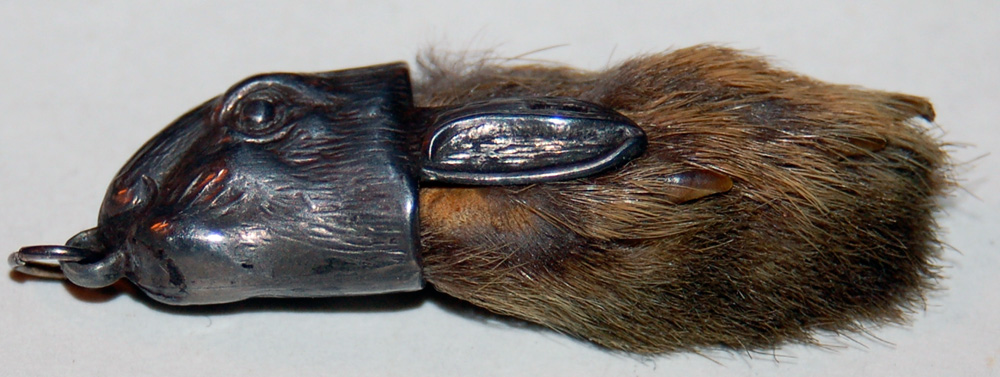 🇺🇸 United States and 2 moreRabbit's foot
A charm carried for luck, often linked to graveyards and strict folk rulesCharm · Luck and prosperity Historical
🇺🇸 United States and 2 moreRabbit's foot
A charm carried for luck, often linked to graveyards and strict folk rulesCharm · Luck and prosperity Historical
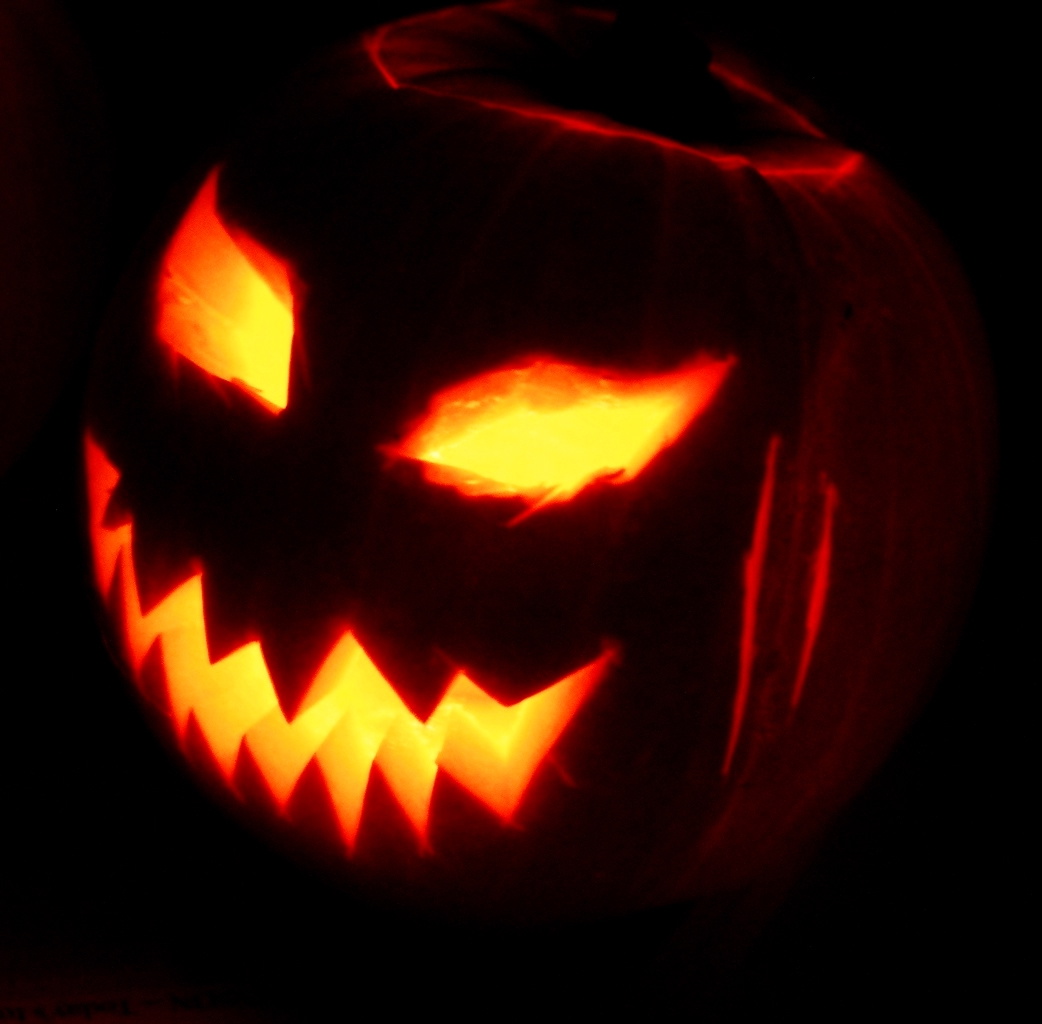 🇮🇪 Ireland and 2 moreJack-o'-lantern
A hollowed vegetable carved with a face and lit from within, worn as a Halloween symbolCharm · Protection · Wonder and entertainment Living
🇮🇪 Ireland and 2 moreJack-o'-lantern
A hollowed vegetable carved with a face and lit from within, worn as a Halloween symbolCharm · Protection · Wonder and entertainment Living
Related elsewhere
All charm 🇪🇬 Egypt and 1 moreSphinx
A mythical hybrid with a human head and lion body, serving as guardian or riddler in Egyptian and Greek traditions.Being · Protection · Wonder and entertainment Legendary
🇪🇬 Egypt and 1 moreSphinx
A mythical hybrid with a human head and lion body, serving as guardian or riddler in Egyptian and Greek traditions.Being · Protection · Wonder and entertainment Legendary
 🇧🇪 Belgium and 2 moreHorseshoe
A metal shoe for a horse's hoof and a talisman of good fortuneCharm · Protection · Luck and prosperity Living
🇧🇪 Belgium and 2 moreHorseshoe
A metal shoe for a horse's hoof and a talisman of good fortuneCharm · Protection · Luck and prosperity Living
 🇪🇬 Egypt and 3 moreAmulet
A portable object worn or carried to ward off harm and invite fortuneCharm · Protection · Luck and prosperity Living
🇪🇬 Egypt and 3 moreAmulet
A portable object worn or carried to ward off harm and invite fortuneCharm · Protection · Luck and prosperity Living
 🇹🇷 Turkey and 5 moreEvil eye
A curse caused by an envious look and the charms used to block itBelief · Protection · Cursing and harm Living
🇹🇷 Turkey and 5 moreEvil eye
A curse caused by an envious look and the charms used to block itBelief · Protection · Cursing and harm Living