
Ongon
A common term in Mongol mythology for shamanic souls
Ancestor spirits in Mongolian shamanism, represented by consecrated idols and talismans
Ongon refers to the souls of deceased shamans within Mongolian shamanic traditions. These spirits are invoked through physical representations, such as carved idols or household talismans, to offer protection and guidance to their living descendants.
- Ongon are the souls of deceased Mongolian shamans
- Physical idols are consecrated within three years of death
- Black shamans use drumming to induce trance and contact spirits
- Household talismans attract and contain ancestral energy
- Yellow shamans gather triennially to renew spiritual connections
What it is
Ongon describes the spiritual essence left behind by a shaman after they die. Within Mongolian belief systems, these entities serve as protective ancestors who maintain a connection with their families. The term also covers the physical objects created to house or represent these spirits. Such items range from small household charms to larger ceremonial idols. They act as focal points for rituals where practitioners seek guidance or safeguarding from the ancestral realm.
Where it comes from
The concept emerges directly from Mongolian shamanic cosmology. It holds that every shaman transforms into an ongon upon passing. Communities believe these souls retain power and influence over the living. Historical records indicate that idols dedicated to these spirits were consecrated within three years of the practitioner's death.
How it is done
Rituals involving ongon typically require a shaman to enter a trance state while beating a drum. This action is believed to summon the spirit for communication. In black shamanism, the primary role of the practitioner is facilitating this contact. Yellow shamanism also engages with these entities, gathering periodically to renew their connection. The physical idol serves as the anchor for the spirit during these ceremonies.
Tools and materials
Representations vary widely but often include carved figures attached to drums. One example features a figure with a pink head, black crown, and red eyes, using wire for arms. Talismans known as lineage or household ongon are kept in homes. These objects are designed to attract and contain the spirit. Locations for placement include domestic spaces or open shelters in the field.
Ongon, drawn and placed
- Living
- Revived
- Fading
- Historical
- Legendary
- Performed
- Lineage
- Mongolian shamanism
- Timing
- after a shaman's death
What it is for
The main goal is to secure protection and maintain familial bonds with the dead. Practitioners invoke the ongon to guide living relatives and ward off misfortune. The spirits are seen as powerful allies who can intervene in worldly affairs. By keeping the idol close, families ensure the ancestor continues to watch over them.
Who does it
Shamans are the central figures in this tradition. They create the physical representations and lead the invocations. Specific roles exist within different branches; black shamans focus heavily on contacting ongon through trance. Yellow shamans participate in collective renewal rituals. Training involves learning how to handle the spirits and manage the associated rituals.
Peoples and places
The practice is rooted in Mongolia, with significant presence among the Darkhad people in the northern valleys. Tuvan communities also utilize similar concepts, integrating spirits into their own shamanic frameworks. Regional differences appear in how the spirits are housed and invoked. Some areas emphasize mountain locations, while others focus on domestic household maintenance.
At a glance: who, where and when
What people believe
Mongolian shamanism views the afterlife as a continuation of spiritual service. Deceased shamans do not fade away but become active forces. They inhabit specific places like mountains or rivers, which take their names. The boundary between the physical and spiritual worlds is porous, allowing ongon to move between realms when invited by ritual.
When it is done
Idols are consecrated shortly after a shaman's death, usually within a three-year window. Yellow shamans historically gathered every three years at specific monasteries to renew their ties. Daily life may involve maintaining household talismans, ensuring the spirit remains welcomed and respected within the home.
Questions people ask about Ongon
What exactly is an ongon?
It is the soul of a shaman after death, believed to protect and guide their living descendants within Mongolian shamanic traditions.
Where do ongon come from?
They originate from Mongolian shamanism, where deceased practitioners transform into spiritual entities that remain connected to their clans.
How are these spirits represented physically?
They are housed in carved idols, drum components, or household talismans that are consecrated to hold the spirit's presence.
Who interacts with ongon?
Shamans, particularly those in black and yellow traditions, lead rituals to communicate with and renew bonds with these ancestral spirits.
Good reading and sources
- Ongon on WikipediaEncyclopedia
- More photos on Wikimedia CommonsPhotos and video
- Wikidata recordOpen data
The facts on this page come from the Wikipedia article "Ongon", written by its contributors and used under the CC BY-SA 4.0 licence, and from its Wikidata record (CC0). EveryJaadu rewrote the text in its own words, with AI assistance, and compares every page with the article to make sure no passage is copied. It may be reused under the same CC BY-SA 4.0 licence with a link back.
It may contain mistakes. Names and customs differ from one community to the next, and some knowledge is closed to outsiders and left out here. This page describes belief and practice. It does not say that any of it works, it is not a how-to, and it is not medical advice. If something is wrong, tell us. Last refreshed 2026-10-06.
More from Mongolia
All the entries from Mongolia 🇲🇳 Mongolia and 2 moreWind Horseརླུང་རྟ་
An East and Central Asian symbol of the soul, luck, and vital energyBeing · Luck and prosperity · Protection Living
🇲🇳 Mongolia and 2 moreWind Horseརླུང་རྟ་
An East and Central Asian symbol of the soul, luck, and vital energyBeing · Luck and prosperity · Protection Living
 🇲🇳 Mongolia and 1 moreOvooовоо
A stone or branch cairn used as a shrine and boundary marker in Mongolic folk practice.Tradition · Protection · Speaking with spirits and the dead Living
🇲🇳 Mongolia and 1 moreOvooовоо
A stone or branch cairn used as a shrine and boundary marker in Mongolic folk practice.Tradition · Protection · Speaking with spirits and the dead Living
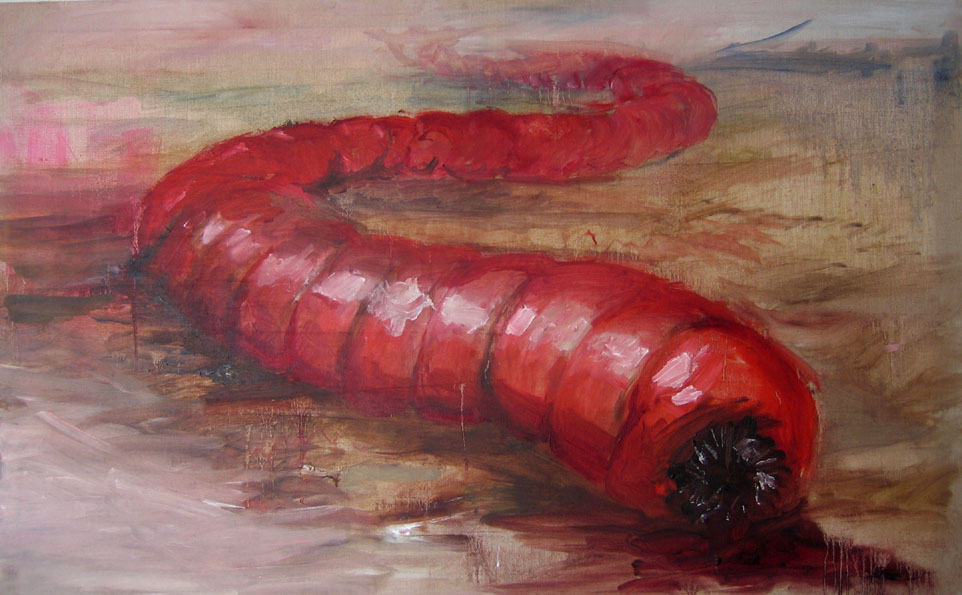 🇲🇳 MongoliaMongolian death wormолгой-хорхой (olgoi-khorkhoi)
A legendary desert creature said to kill with venom or electricityBeing · Cursing and harm Legendary
🇲🇳 MongoliaAlmaz
A feral forest spirit from the North Caucasus with magical hair and a split nature.Being · Cursing and harm Legendary
🇲🇳 MongoliaMongolian death wormолгой-хорхой (olgoi-khorkhoi)
A legendary desert creature said to kill with venom or electricityBeing · Cursing and harm Legendary
🇲🇳 MongoliaAlmaz
A feral forest spirit from the North Caucasus with magical hair and a split nature.Being · Cursing and harm Legendary
Related elsewhere
All being 🇪🇸 Spain and 5 moreSt John's Eve
A Christian vigil marked by bonfires and plant gathering on the summer solstice eveRite · Protection · Speaking with spirits and the dead Living
🇨🇳 China and 4 moreKitchen God灶君
The Chinese hearth deity who reports domestic conduct to the Jade EmperorBeing · Protection · Luck and prosperity Living
🇪🇸 Spain and 5 moreSt John's Eve
A Christian vigil marked by bonfires and plant gathering on the summer solstice eveRite · Protection · Speaking with spirits and the dead Living
🇨🇳 China and 4 moreKitchen God灶君
The Chinese hearth deity who reports domestic conduct to the Jade EmperorBeing · Protection · Luck and prosperity Living
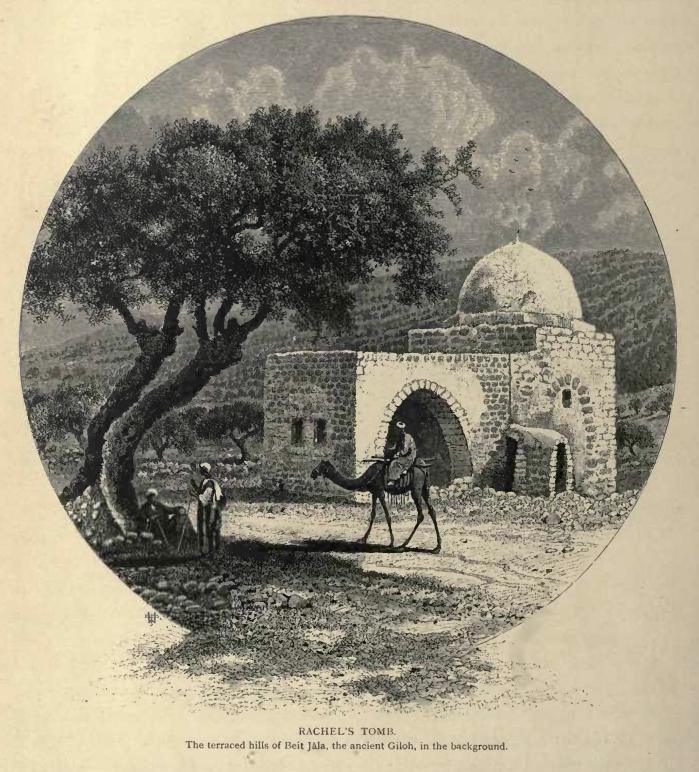 🇵🇸 Palestine and 1 moreRachel's TombQever Raḥel; Qabr Rāḥīl
A shared holy site near Bethlehem revered by Jews, Christians, and MuslimsTradition · Speaking with spirits and the dead · Protection Living
🇵🇸 Palestine and 1 moreRachel's TombQever Raḥel; Qabr Rāḥīl
A shared holy site near Bethlehem revered by Jews, Christians, and MuslimsTradition · Speaking with spirits and the dead · Protection Living
 🇸🇳 Senegal and 1 moreSerer religionA ƭat Roog
The traditional faith of the Serer people, centred on the supreme deity Roog and ancestral veneration.Tradition · Protection · Speaking with spirits and the dead Living
🇸🇳 Senegal and 1 moreSerer religionA ƭat Roog
The traditional faith of the Serer people, centred on the supreme deity Roog and ancestral veneration.Tradition · Protection · Speaking with spirits and the dead Living