Charms, amulets and talismans
Made and worn things: the nazar, the hamsa, the omamori, the mojo bag and the witch bottle.
Charms, amulets and talismans are things made or chosen to carry a purpose. The blue glass nazar in Turkey, the hamsa hand across North Africa and the Middle East, the Japanese omamori, the Haitian pwen, the Italian cornicello and the Hoodoo mojo bag all belong here. They are small, portable and personal, and found on every continent. This page looks at what they are said to do and how they are made, sold and understood.
Amulet or talisman
The two words are often used loosely. An amulet is usually said to protect by what it is, such as a blue bead against the evil eye. A talisman is made or empowered for a purpose, often with writing, a name or a date. Islamic, Jewish, Taoist and Hindu traditions all have written talismans: the Taoist fu, the Jewish kame'a, the Hindu yantra and the Muslim hirz. The common thread is that something small and personal is believed to hold a purpose on behalf of its owner.
Making and keeping
Many charms are made by specialists, then blessed or sold at a temple, shrine or market. Others are made at home, such as a red thread, a knotted cord, or a horseshoe nailed over a door. Practitioners usually say a charm should be kept clean, respected and not shown off. In Japan an omamori is returned to its shrine after a year. Charm makers are often women, jewellers, scribes or temple staff, and the person who makes a charm may not be the person who blesses it.
Faith and suspicion
Religious authorities disagree on charms. Some Islamic scholars allow Quranic verses carried as a reminder and reject objects held to work by themselves. Many Christian churches have blessed medals and scapulars while condemning amulets of folk origin. Sikh teaching rejects charms altogether. Anthropologists read them as ways to hold fear and uncertainty in a form a person can carry. Interpretation is divided within religions too, so one family may treat a bead as decoration while a neighbour treats it as a serious shield.
Market and appropriation
Charms are big business. Evil-eye beads sell as fashion on every high street, and the hamsa appears as a decoration far from its homes. Fakes are common, and some sellers promise outcomes in ways that amount to fraud, particularly in expensive gemstone or lottery charm schemes. Sacred designs used as a logo can offend the community they come from. Designers have taken eyes, hands and runes as motifs, and while many communities are glad to see them shared, others ask that sacred symbols not be turned into trivia or used by brands.
Charm on EveryJaadu
The entries written up so far, best known first.
 🇪🇬 Egypt and 3 moreAmulet
A portable object worn or carried to ward off harm and invite fortuneCharm · Protection · Luck and prosperity Living
🇪🇬 Egypt and 3 moreAmulet
A portable object worn or carried to ward off harm and invite fortuneCharm · Protection · Luck and prosperity Living
 🇪🇬 Egypt and 3 moreEx-voto
A gift left in a shrine to mark a vow kept or a miracle receivedCharm · Protection · Healing Living
🇪🇬 Egypt and 3 moreEx-voto
A gift left in a shrine to mark a vow kept or a miracle receivedCharm · Protection · Healing Living
 🇮🇹 Italy and 5 morePrecious coral
A marine skeleton harvested for jewelry and worn as a protective charm in several culturesSubstance · Protection · Healing Living
🇮🇹 Italy and 5 morePrecious coral
A marine skeleton harvested for jewelry and worn as a protective charm in several culturesSubstance · Protection · Healing Living
 🇪🇬 Egypt and 5 moreHamsaخمسة
A palm-shaped amulet used across North Africa and the Middle East to ward off harm.Charm · Protection · Luck and prosperity Living
🇪🇬 Egypt and 5 moreHamsaخمسة
A palm-shaped amulet used across North Africa and the Middle East to ward off harm.Charm · Protection · Luck and prosperity Living
 🇯🇵 JapanDaruma doll達磨
A round Japanese talisman that rights itself when knocked overCharm · Luck and prosperity · Power and authority Living
🇯🇵 JapanDaruma doll達磨
A round Japanese talisman that rights itself when knocked overCharm · Luck and prosperity · Power and authority Living
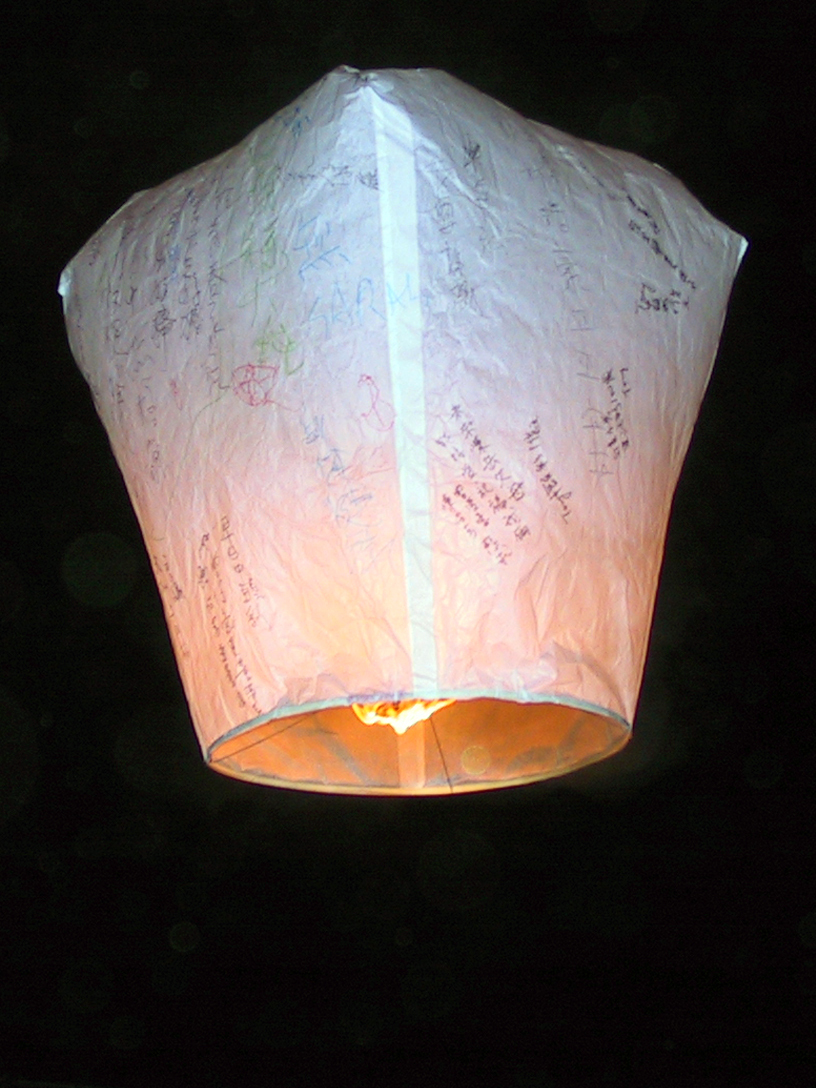 🇨🇳 China and 5 moreSky lantern天燈
A paper hot air balloon lifted by flame to carry wishes and blessingsRite · Luck and prosperity · Protection Living
🇨🇳 China and 5 moreSky lantern天燈
A paper hot air balloon lifted by flame to carry wishes and blessingsRite · Luck and prosperity · Protection Living
 🇯🇵 JapanOmamori御守/お守り
Japanese amulets from shrines and temples for luck and protectionCharm · Protection · Luck and prosperity Living
🇯🇵 JapanOmamori御守/お守り
Japanese amulets from shrines and temples for luck and protectionCharm · Protection · Luck and prosperity Living
 🇹🇭 Thailand and 3 moreThai Buddha amuletsพระเครื่อง (phrakhrueang)
Sacred Buddhist images and relics worn for protection, merit, and fortune in Thailand.Charm · Protection · Luck and prosperity Living
🇹🇭 Thailand and 3 moreThai Buddha amuletsพระเครื่อง (phrakhrueang)
Sacred Buddhist images and relics worn for protection, merit, and fortune in Thailand.Charm · Protection · Luck and prosperity Living
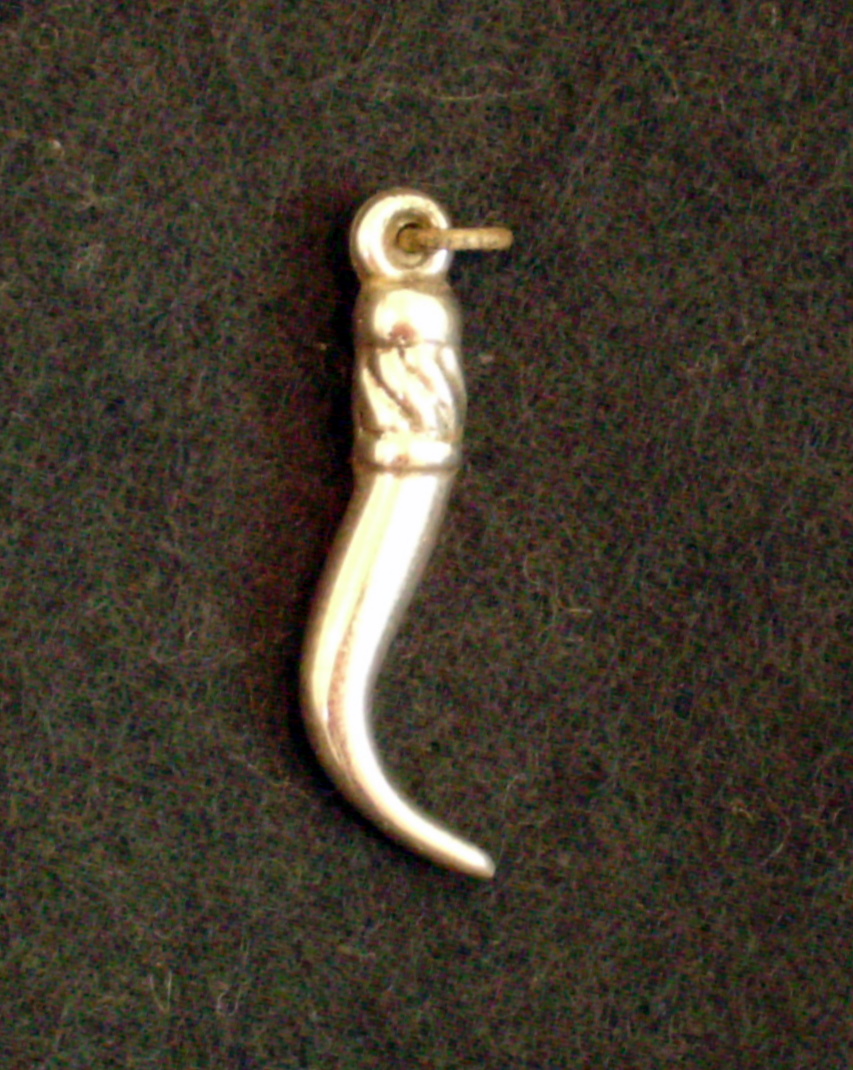 🇮🇹 ItalyCornicello
A twisted horn charm worn in Italy to ward off the evil eye and invite luck.Charm · Protection · Luck and prosperity Living
🇮🇹 ItalyCornicello
A twisted horn charm worn in Italy to ward off the evil eye and invite luck.Charm · Protection · Luck and prosperity Living
 🇲🇳 Mongolia and 2 moreWind Horseརླུང་རྟ་
An East and Central Asian symbol of the soul, luck, and vital energyBeing · Luck and prosperity · Protection Living
🇲🇳 Mongolia and 2 moreWind Horseརླུང་རྟ་
An East and Central Asian symbol of the soul, luck, and vital energyBeing · Luck and prosperity · Protection Living
 🇲🇳 Mongolia and 1 moreOvooовоо
A stone or branch cairn used as a shrine and boundary marker in Mongolic folk practice.Tradition · Protection · Speaking with spirits and the dead Living
🇲🇳 Mongolia and 1 moreOvooовоо
A stone or branch cairn used as a shrine and boundary marker in Mongolic folk practice.Tradition · Protection · Speaking with spirits and the dead Living
 🇮🇱 IsraelRed stringחוט השני
A scarlet wool bracelet worn to ward off the evil eye and bring good luckCharm · Protection · Luck and prosperity Living
🇮🇱 IsraelRed stringחוט השני
A scarlet wool bracelet worn to ward off the evil eye and bring good luckCharm · Protection · Luck and prosperity Living
 🇮🇪 Ireland and 4 moreFour-leaf clover
A rare plant mutation believed to bring good luck and used as a symbol of fortune.Charm · Luck and prosperity Living
🇮🇪 Ireland and 4 moreFour-leaf clover
A rare plant mutation believed to bring good luck and used as a symbol of fortune.Charm · Luck and prosperity Living
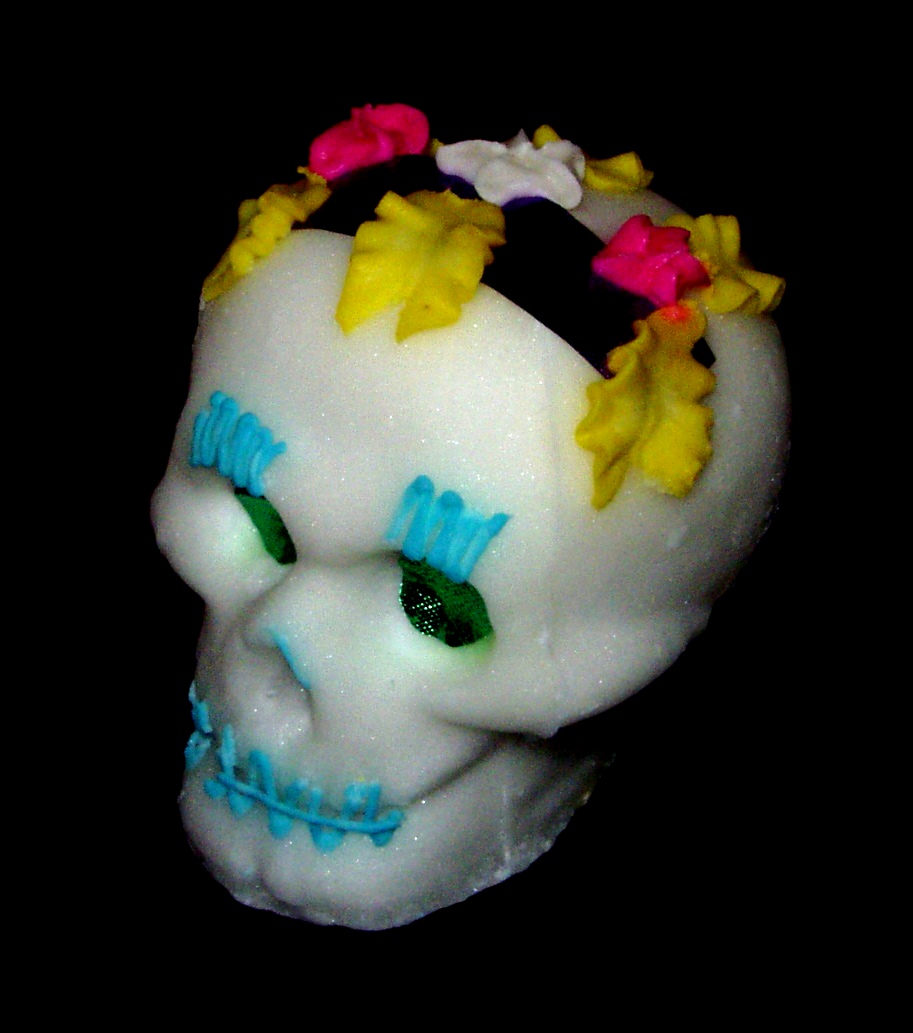 🇲🇽 MexicoCalavera
A sugar or clay skull used in Mexican Day of the Dead celebrations.Charm · Speaking with spirits and the dead · Luck and prosperity Living
🇲🇽 MexicoCalavera
A sugar or clay skull used in Mexican Day of the Dead celebrations.Charm · Speaking with spirits and the dead · Luck and prosperity Living
 🇮🇳 India and 1 moreDiyaदीया
A small oil lamp used in prayers and festivals across the Indian subcontinentTradition · Protection · Luck and prosperity Living
🇮🇳 India and 1 moreDiyaदीया
A small oil lamp used in prayers and festivals across the Indian subcontinentTradition · Protection · Luck and prosperity Living
 🇯🇵 Japan and 3 moreManeki-neko招き猫
A Japanese figurine of a beckoning cat believed to bring luck and prosperityCharm · Luck and prosperity · Protection Living
🇯🇵 Japan and 3 moreManeki-neko招き猫
A Japanese figurine of a beckoning cat believed to bring luck and prosperityCharm · Luck and prosperity · Protection Living
 🇨🇳 China and 5 moreJoss paper金紙
Paper burned as money and goods for ancestors, gods and the deadCharm · Speaking with spirits and the dead · Luck and prosperity Living
🇨🇳 China and 5 moreJoss paper金紙
Paper burned as money and goods for ancestors, gods and the deadCharm · Speaking with spirits and the dead · Luck and prosperity Living
 🇬🇧 United Kingdom and 2 moreSoul cake
A spiced cake given to soulers during Allhallowtide to remember the dead.Tradition · Speaking with spirits and the dead · Luck and prosperity Living
🇬🇧 United Kingdom and 2 moreSoul cake
A spiced cake given to soulers during Allhallowtide to remember the dead.Tradition · Speaking with spirits and the dead · Luck and prosperity Living
 🇮🇪 Ireland and 1 moreBrigid's crossCros Bhríde
A woven straw charm hung for protection, named after Ireland's patron saintCharm · Protection · Luck and prosperity Living
🇮🇪 Ireland and 1 moreBrigid's crossCros Bhríde
A woven straw charm hung for protection, named after Ireland's patron saintCharm · Protection · Luck and prosperity Living
 🇮🇳 India and 5 moreCowrie
A sea snail shell used as currency, divination tool, and charm across many culturesSubstance · Seeing and foretelling · Luck and prosperity Living
🇮🇳 India and 5 moreCowrie
A sea snail shell used as currency, divination tool, and charm across many culturesSubstance · Seeing and foretelling · Luck and prosperity Living
 🇨🇳 China and 5 moreChinese guardian lions石獅 (shíshī)
Stone lion pairs placed at entrances to ward off harm and welcome fortuneCharm · Protection · Luck and prosperity Living
🇨🇳 China and 5 moreChinese guardian lions石獅 (shíshī)
Stone lion pairs placed at entrances to ward off harm and welcome fortuneCharm · Protection · Luck and prosperity Living
 🇦🇷 Argentina and 2 moreSan La Muerte
A skeletal folk saint venerated in South America for protection and favorsTradition · Protection · Healing Living
🇯🇵 JapanOmamori (sample)お守り
A small shrine charm in a brocade pouch.Charm · Protection · Luck and prosperity Living
🇹🇷 TurkeyHamsa (sample)Khamsa
An open hand with an eye, hung on doors.Charm · Protection · Luck and prosperity Living
🇦🇷 Argentina and 2 moreSan La Muerte
A skeletal folk saint venerated in South America for protection and favorsTradition · Protection · Healing Living
🇯🇵 JapanOmamori (sample)お守り
A small shrine charm in a brocade pouch.Charm · Protection · Luck and prosperity Living
🇹🇷 TurkeyHamsa (sample)Khamsa
An open hand with an eye, hung on doors.Charm · Protection · Luck and prosperity Living
 🇯🇵 JapanTeru teru bōzuてるてる坊主
A white paper doll hung outside to ask for sunny weatherCharm · Luck and prosperity Living
🇯🇵 JapanTeru teru bōzuてるてる坊主
A white paper doll hung outside to ask for sunny weatherCharm · Luck and prosperity Living
 🇺🇸 United States and 1 moreBarnstar
A painted or carved star used to decorate barns in parts of the United States and Canada.Charm · Luck and prosperity · Wonder and entertainment Living
🇺🇸 United States and 1 moreBarnstar
A painted or carved star used to decorate barns in parts of the United States and Canada.Charm · Luck and prosperity · Wonder and entertainment Living
 🇯🇵 JapanSaruboboさるぼぼ
A faceless red doll from Japan, given as a charm for family and fortuneCharm · Luck and prosperity · Protection Living
🇯🇵 JapanSaruboboさるぼぼ
A faceless red doll from Japan, given as a charm for family and fortuneCharm · Luck and prosperity · Protection Living
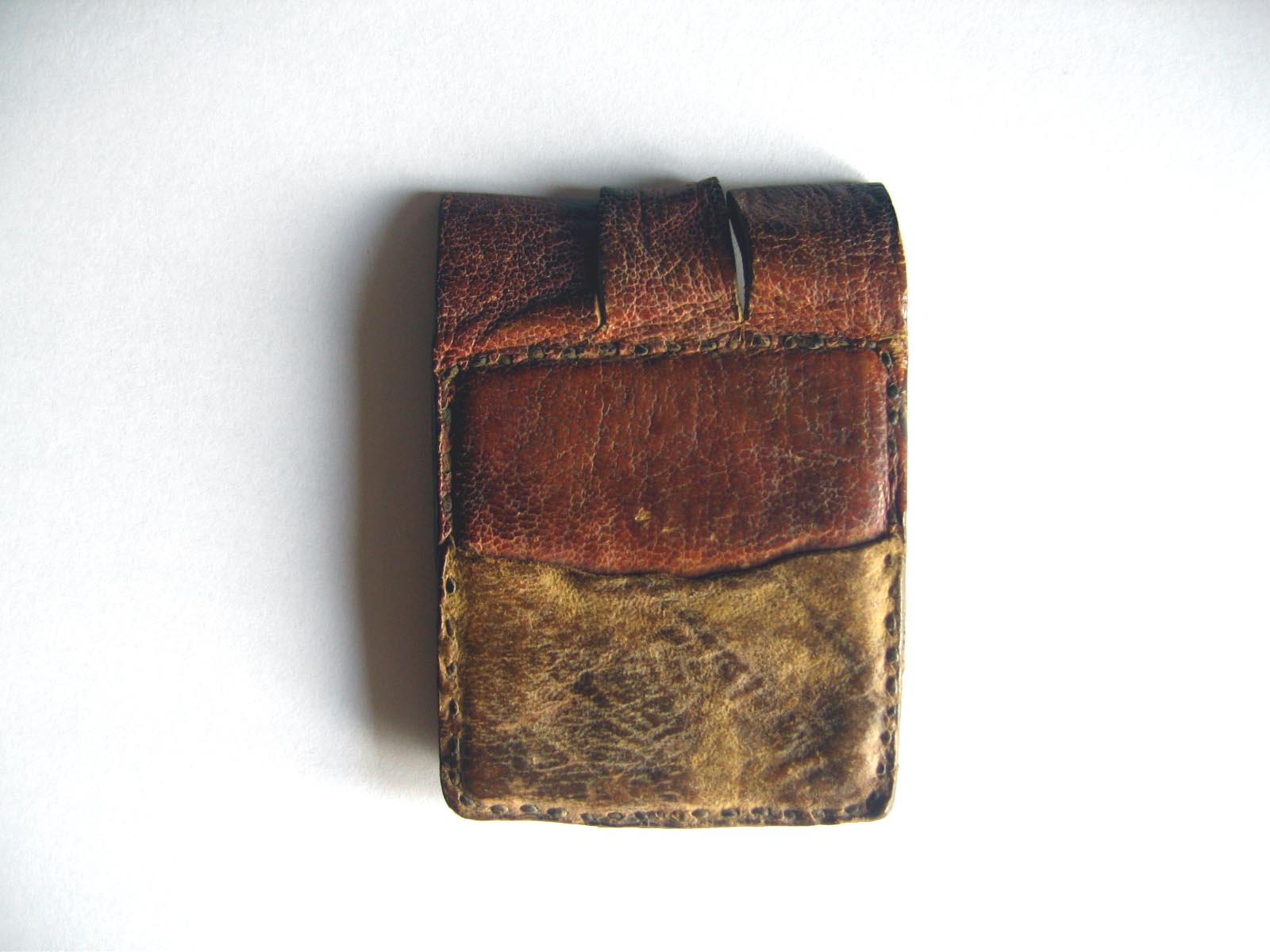 🇲🇱 Mali and 3 moreGris-gris
A small pouch or charm from West Africa used for protection and luck.Charm · Protection · Luck and prosperity Living
🇲🇱 Mali and 3 moreGris-gris
A small pouch or charm from West Africa used for protection and luck.Charm · Protection · Luck and prosperity Living
 🇯🇵 Japan and 1 moreGood Luck Flag寄せ書き日の丸 (yosegaki hinomaru)
A Japanese national flag signed by loved ones to wish a soldier safety and victory.Charm · Protection · Luck and prosperity Living
🇯🇵 Japan and 1 moreGood Luck Flag寄せ書き日の丸 (yosegaki hinomaru)
A Japanese national flag signed by loved ones to wish a soldier safety and victory.Charm · Protection · Luck and prosperity Living
 🇯🇵 JapanKin no unko金のうんこ
A Japanese charm shaped like faeces that is believed to bring good fortuneCharm · Luck and prosperity Living
🇯🇵 JapanKin no unko金のうんこ
A Japanese charm shaped like faeces that is believed to bring good fortuneCharm · Luck and prosperity Living
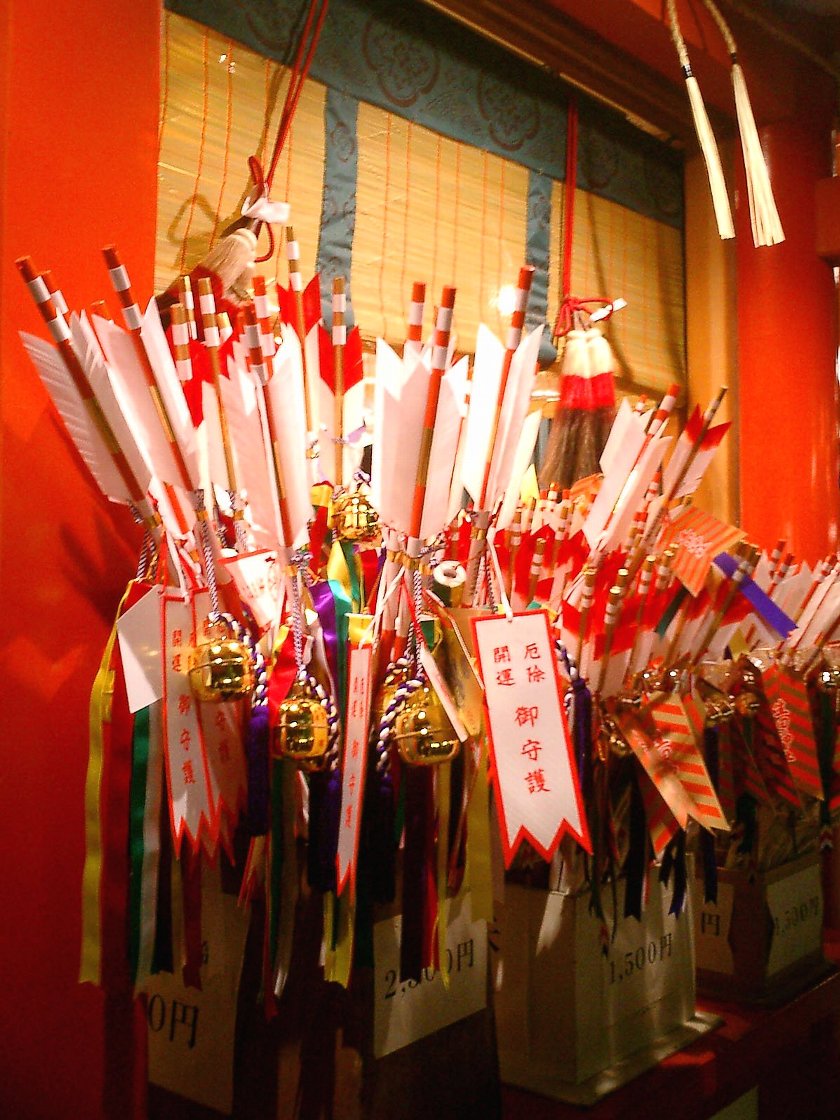 🇯🇵 JapanHamaya破魔矢
A blunt arrow given at shrines to ward off evil and secure good luck for the new yearCharm · Protection · Luck and prosperity Living
🇯🇵 JapanHamaya破魔矢
A blunt arrow given at shrines to ward off evil and secure good luck for the new yearCharm · Protection · Luck and prosperity Living
 🇯🇵 JapanFukusuke福助
A kneeling Japanese doll believed to bring wealth and honorCharm · Luck and prosperity · Power and authority Living
🇯🇵 JapanFukusuke福助
A kneeling Japanese doll believed to bring wealth and honorCharm · Luck and prosperity · Power and authority Living
 🇹🇭 Thailand and 1 morePalad khikปลัดขิก
A Thai phallic amulet believed to bring luck and protectionCharm · Protection · Luck and prosperity Living
🇮🇩 IndonesiaIndonesian numismatic charmUang Gobog
Coin-like amulets from Indonesia used for protection and ritual offerings.Charm · Protection · Luck and prosperity Living
🇪🇬 Egypt and 5 moreAmulet
A portable object worn or carried to ward off harm and invite protection.Charm · Protection · Healing Living
🇹🇭 Thailand and 1 morePalad khikปลัดขิก
A Thai phallic amulet believed to bring luck and protectionCharm · Protection · Luck and prosperity Living
🇮🇩 IndonesiaIndonesian numismatic charmUang Gobog
Coin-like amulets from Indonesia used for protection and ritual offerings.Charm · Protection · Luck and prosperity Living
🇪🇬 Egypt and 5 moreAmulet
A portable object worn or carried to ward off harm and invite protection.Charm · Protection · Healing Living
 🇹🇭 Thailand and 1 morePra Jiadประเจียด
A Muay Thai armband worn for luck and confidenceCharm · Luck and prosperity · Protection Living
🇨🇳 China and 1 moreZhengde Tongbao正德通寶
A fantasy cash coin used as a Chinese and Vietnamese amulet for luck and protection.Charm · Luck and prosperity · Protection Living
🇹🇭 Thailand and 1 morePra Jiadประเจียด
A Muay Thai armband worn for luck and confidenceCharm · Luck and prosperity · Protection Living
🇨🇳 China and 1 moreZhengde Tongbao正德通寶
A fantasy cash coin used as a Chinese and Vietnamese amulet for luck and protection.Charm · Luck and prosperity · Protection Living
 🇺🇸 United StatesLemon pig
A carved fruit figure made for amusement and later linked to New Year luckCharm · Luck and prosperity Living
🇯🇵 Japan and 2 moreJapanese numismatic charm絵銭
Coin-shaped charms from Japan used for protection, luck, and blessings.Charm · Protection · Luck and prosperity Living
🇮🇱 IsraelSegulaסגולה
A Jewish charm or ritual believed to bring protection, healing, or blessings.Charm · Protection · Healing Living
🇺🇸 United StatesLemon pig
A carved fruit figure made for amusement and later linked to New Year luckCharm · Luck and prosperity Living
🇯🇵 Japan and 2 moreJapanese numismatic charm絵銭
Coin-shaped charms from Japan used for protection, luck, and blessings.Charm · Protection · Luck and prosperity Living
🇮🇱 IsraelSegulaסגולה
A Jewish charm or ritual believed to bring protection, healing, or blessings.Charm · Protection · Healing Living
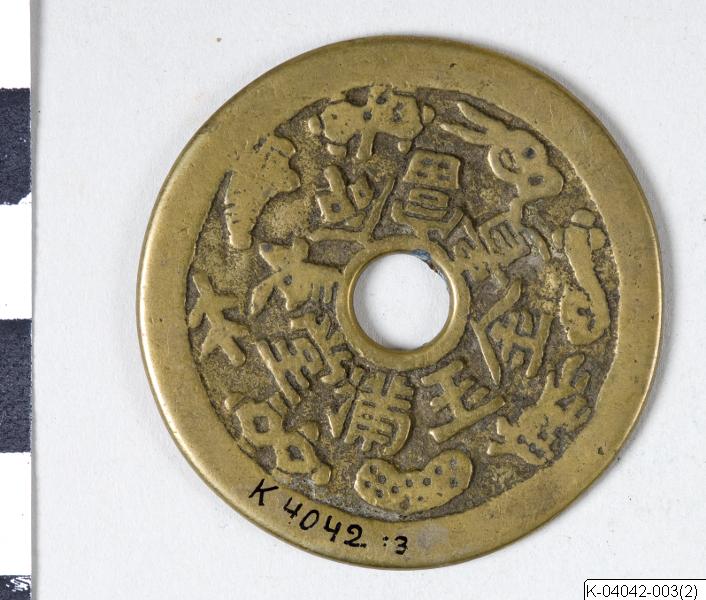 🇨🇳 ChinaEight Treasures八寶 (Bābǎo)
A set of eight symbols in Chinese art and amulets representing good fortune.Charm · Luck and prosperity · Protection Living
🇨🇳 ChinaEight Treasures八寶 (Bābǎo)
A set of eight symbols in Chinese art and amulets representing good fortune.Charm · Luck and prosperity · Protection Living
 🇹🇼 Taiwan and 1 moreAuspicious train ticket吉祥語車票
Train tickets with station names that form lucky phrases through wordplay.Charm · Luck and prosperity Living
🇹🇼 Taiwan and 1 moreAuspicious train ticket吉祥語車票
Train tickets with station names that form lucky phrases through wordplay.Charm · Luck and prosperity Living
 🇪🇸 SpainIndalo
A Bronze Age pictograph used as a protective house charm and lucky symbol in Almería, SpainCharm · Protection · Luck and prosperity Living
🇪🇸 SpainIndalo
A Bronze Age pictograph used as a protective house charm and lucky symbol in Almería, SpainCharm · Protection · Luck and prosperity Living
 🇹🇭 ThailandPla taphianปลาตะเพียนสาน
A woven palm leaf fish mobile hung as a blessing for health and plentyCharm · Protection · Luck and prosperity Living
🇹🇭 ThailandPla taphianปลาตะเพียนสาน
A woven palm leaf fish mobile hung as a blessing for health and plentyCharm · Protection · Luck and prosperity Living
 🇮🇳 India and 5 moreNavaratnaनवरत्न
A nine-gem talisman set in gold or silver, linked to Hindu astrology and planetary worshipCharm · Protection · Healing Living
🇮🇳 India and 5 moreNavaratnaनवरत्न
A nine-gem talisman set in gold or silver, linked to Hindu astrology and planetary worshipCharm · Protection · Healing Living
 🇨🇳 China and 3 moreCash方孔錢
A round copper coin with a square hole used in China and East Asia for two millennia.Charm · Luck and prosperity · Speaking with spirits and the dead Living
🇨🇳 China and 3 moreCash方孔錢
A round copper coin with a square hole used in China and East Asia for two millennia.Charm · Luck and prosperity · Speaking with spirits and the dead Living
 🇮🇱 Israel and 4 moreChaiחי
A Hebrew word and symbol meaning 'alive', used as an amulet and in Jewish culture.Charm · Protection · Luck and prosperity Living
🇮🇱 Israel and 4 moreChaiחי
A Hebrew word and symbol meaning 'alive', used as an amulet and in Jewish culture.Charm · Protection · Luck and prosperity Living
 🇯🇵 JapanOkiagari-koboshi起き上がり小法師
A Japanese roly-poly doll that rights itself when knocked overCharm · Luck and prosperity · Power and authority Living
🇯🇵 JapanOkiagari-koboshi起き上がり小法師
A Japanese roly-poly doll that rights itself when knocked overCharm · Luck and prosperity · Power and authority Living
Photo credits on this page
The small pictures above come from Wikimedia Commons under free licences. Some are cropped to fit.
- Barnstar: Una Smith, CC BY-SA 4.0, source
- Sarubobo: Unknown author, CC BY-SA 3.0, source
- Teru teru bōzu: Novaric at English Wikipedia, CC BY-SA 3.0, source
- Good Luck Flag: takato marui, CC BY-SA 2.0, source
- Daruma doll: Crisco 1492, Public domain, source
- Amulet: Anonymous ( Egypt ) Unknown author, Public domain, source
- Kin no unko: enmoto, CC BY 2.0, source
- Hamaya: Tomomarusan, CC BY 2.5, source
- Ovoo: Bouette ., CC BY-SA 3.0, source
- Red string: Mx. Granger, CC0, source
- Fukusuke: Nesnad, CC BY-SA 3.0, source
- Palad khik: deror_avi, CC BY-SA 3.0, source
- Diya: Suyash Dwivedi, CC BY-SA 4.0, source
- Maneki-neko: Su--May, CC BY 2.0, source
- Folk saint: Sergio Serrano, CC BY-SA 2.0, source
- Pra Jiad: Samy Sana, CC BY-SA 3.0, source
- Soul cake: Samantha, CC BY 2.0, source
- Imbolc: Culnacreann, CC BY 3.0, source
- Chinese guardian lions: Pvt pauline, CC BY-SA 3.0, source
- Omamori: Leongboy1, Public domain, source
- Lemon pig: GenesisNZ, CC0, source
- Cornicello: Antonio Cavallo, Public domain, source
- Sky lantern: Richy, CC BY-SA 3.0, source
- Ex-voto: JTSH26, CC BY-SA 4.0, source
- Thai Buddha amulets: User:Mattes, Public domain, source
- Okiagari-koboshi: Unknown author, CC BY-SA 3.0, source
- Cash: User 冷玉 on zh.wikipedia, CC BY-SA 3.0, source
- Navaratna: Pradeep717, CC BY-SA 4.0, source
- Chai: BASWIM, CC BY 3.0, source
- Cowrie: NOAA (Photo Collection of Dr. James P. McVey, NOAA Sea Grant Program), Public domain, source
- Joss paper: Vmenkov, CC BY-SA 3.0, source
- Gris-gris: Teogomez, CC BY-SA 3.0, source
- Calavera: Unknown author, CC BY-SA 3.0, source
- Four-leaf clover: Phyzome under the GFDL., CC BY-SA 3.0, source
- Eight Treasures: Etnografiska Museet, CC BY 2.5, source
- Auspicious train ticket: SSR2000, CC BY-SA 3.0, source
- Indalo: Ismael Olea, Public domain, source
- Pla taphian: Mr.Peerapong Prasutr, CC BY-SA 4.0, source
- Wind Horse: Clemensmarabu, CC BY-SA 3.0, source
- Hamsa: Kritzolina, CC BY-SA 4.0, source
- Precious coral: Géry PARENT, CC BY-SA 3.0, source