
Yōkai
In its own language: 妖怪
from kanji meaning suspicious or doubtful; derived from Chinese yāoguài
A vast class of supernatural spirits and entities in Japanese folklore
Yōkai are a broad category of supernatural beings in Japanese folklore. They include ghosts, demons, tricksters, and shapeshifters that embody the uncanny aspects of nature and human emotion.
- Inoue Enryō founded yōkaigaku in the Meiji era
- Chinkon rituals aimed to calm violent ara-mitama spirits
- Toriyama Sekien invented new yōkai designs in the Edo period
- Emaki scrolls provided first visual depictions in the Middle Ages
- Yōkai include shapeshifters known as bakemono or obake
What it is
Yōkai represent a vast spectrum of supernatural entities within Japanese tradition. These beings range from malevolent demons to helpful tricksters. They often appear as animal-like figures, possessed objects, or humanoids. The term covers shapeshifters, ghosts, and spirits that reflect the mysterious side of the natural world. They are not always evil but can be mischievous or benevolent depending on the context.
Where it comes from
The concept evolved from ancient animism, where spirits were believed to reside in all things. Early texts like the Shoku Nihongi used the word for strange phenomena. Over time, specific spirits became categorized as yōkai. The modern academic study was formalized by Inoue Enryō in the Meiji era. He created yōkaigaku to address superstitions, shifting the term from general usage to a defined folkloric category.
Yōkai, drawn and placed
- Living
- Revived
- Fading
- Historical
- Legendary
- Performed
- Lineage
- Japanese folklore
What it is for
Yōkai are linked to fear and misfortune in traditional belief. Rituals called chinkon aimed to calm violent spirits known as ara-mitama. If these rituals failed, the spirits could become yōkai. The naming of yōkai served to identify specific threats in a perilous landscape. Understanding them helped people explain unexplained events and natural disasters.
Who does it
Scholars and folklorists study yōkai as cultural artifacts. Inoue Enryō established the discipline of yōkaigaku to analyze these beliefs. Artists like Toriyama Sekien depicted yōkai during the Edo period, creating new forms through imagination. Historians view them as reflections of societal fears and the desire to categorize the unknown.
Peoples and places
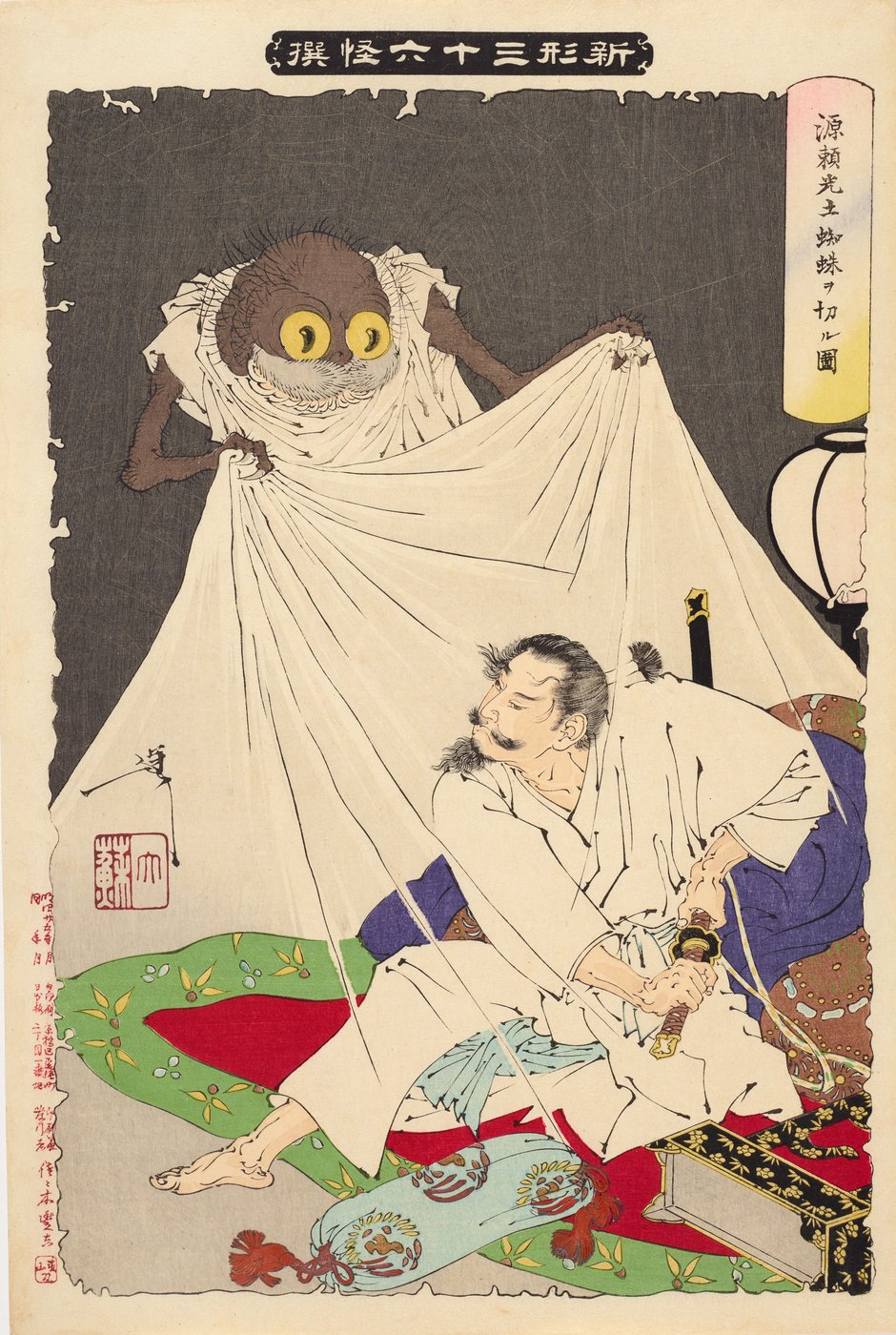
Yōkai are central to Japanese folklore. They appear in ancient texts like the Kojiki and Nihon Shoki. During the Heian period, collections like Konjaku Monogatarishū recorded their tales. Visual depictions emerged in the Middle Ages through emaki scrolls. The Edo period saw a boom in yōkai literature and art, standardizing their images for public entertainment.
At a glance: who, where and when
Who does it
Peoples
Belief worlds


What people believe
Traditional views held that spirits influenced daily life. Benevolent spirits brought good fortune, while violent ones caused illness. Yōkai often resulted from spirits that lost worshippers or failed ritual conversion. Some beings shifted between god and yōkai status. The boundary between kami and yōkai is sometimes blurred in Shinto thought, with both seen as nature spirits.
How scholars and sceptics see it
Folklorists classify yōkai by form, source of mutation, and appearance. Tsutomu Ema divided them into categories like human, animal, plant, and object. Scholars note that older periods had more phenomena deemed supernatural. The depiction of yōkai evolved from fearsome entities to caricatures in picture scrolls. Modern academics view them as concrete representations of abstract dangers.
Compare and confuse
Yōkai are similar to nymphs in Greek mythology in their connection to location. They are distinct from kami, which are generally beneficent. The term overlaps with mononoke and ayakashi. Some beings classified as yōkai in one area may be treated as gods in another. The concept shares roots with Chinese yāoguài but developed unique Japanese characteristics.
Questions people ask about Yōkai
What exactly are yōkai?
Yōkai are a broad class of supernatural entities in Japanese folklore. They include ghosts, demons, tricksters, and shapeshifters. They embody the mysterious aspects of nature and human emotions.
Where does the word come from?
The word comes from kanji meaning suspicious or doubtful. It is a Japanese pronunciation of the Chinese term yāoguài. The meaning has expanded to cover uniquely Japanese creatures.
Are yōkai always evil?
No, their behavior ranges from malevolent to benevolent. Some bring good fortune, while others cause harm. Their nature depends on the specific entity and the context of the story.
How did yōkai get their visual forms?
Visual depictions began in the Middle Ages with emaki scrolls. Artists like Toriyama Sekien in the Edo period created many new designs. They drew inspiration from folktales and their own imaginations.
Good reading and sources
- Yōkai on WikipediaEncyclopedia
- More photos on Wikimedia CommonsPhotos and video
- Wikidata recordOpen data
The facts on this page come from the Wikipedia article "Yōkai", written by its contributors and used under the CC BY-SA 4.0 licence, and from its Wikidata record (CC0). EveryJaadu rewrote the text in its own words, with AI assistance, and compares every page with the article to make sure no passage is copied. It may be reused under the same CC BY-SA 4.0 licence with a link back.
It may contain mistakes. Names and customs differ from one community to the next, and some knowledge is closed to outsiders and left out here. This page describes belief and practice. It does not say that any of it works, it is not a how-to, and it is not medical advice. If something is wrong, tell us. Last refreshed 2026-10-06.
More from Japan
All the entries from Japan 🇨🇳 China and 3 moreChinese dragon龍
A legendary water deity and imperial symbol in East Asian cultureBeing · Protection · Luck and prosperity Historical
🇨🇳 China and 3 moreChinese dragon龍
A legendary water deity and imperial symbol in East Asian cultureBeing · Protection · Luck and prosperity Historical
 🇯🇵 JapanOni鬼(おに)
A horned demon of Japanese folklore known for strength and evil deedsBeing · Cursing and harm · Luck and prosperity Legendary
🇯🇵 JapanOni鬼(おに)
A horned demon of Japanese folklore known for strength and evil deedsBeing · Cursing and harm · Luck and prosperity Legendary
 🇯🇵 JapanBaku獏
A Japanese spirit said to eat bad dreams and protect sleepersBeing · Protection Living
🇯🇵 JapanKuda-gitsune管狐 (kuda-gitsune)
A small spirit kept in a tube or sleeve to aid fortune-telling and cursing in Japanese folklore.Being · Seeing and foretelling · Cursing and harm Legendary
🇯🇵 JapanBaku獏
A Japanese spirit said to eat bad dreams and protect sleepersBeing · Protection Living
🇯🇵 JapanKuda-gitsune管狐 (kuda-gitsune)
A small spirit kept in a tube or sleeve to aid fortune-telling and cursing in Japanese folklore.Being · Seeing and foretelling · Cursing and harm Legendary
Related elsewhere
All being 🇷🇸 Serbia and 5 moreVampire
An undead creature from folklore that feeds on the blood or life force of the livingBeing · Cursing and harm · Luck and prosperity Legendary
🇷🇸 Serbia and 5 moreVampire
An undead creature from folklore that feeds on the blood or life force of the livingBeing · Cursing and harm · Luck and prosperity Legendary
 🇪🇬 EgyptCurse
A spoken wish for misfortune to befall a person or placeBelief · Cursing and harm · Luck and prosperity Historical
🇺🇸 United StatesPukwudgie
A short forest spirit from Algonquian lore, known for mischief and danger.Being · Cursing and harm · Luck and prosperity Legendary
🇪🇬 EgyptCurse
A spoken wish for misfortune to befall a person or placeBelief · Cursing and harm · Luck and prosperity Historical
🇺🇸 United StatesPukwudgie
A short forest spirit from Algonquian lore, known for mischief and danger.Being · Cursing and harm · Luck and prosperity Legendary
 🇮🇳 India and 5 moreHoliहोली
A Hindu spring festival marked by coloured powders and bonfires to celebrate love and virtue.Tradition · Love and attraction · Cursing and harm Living
🇮🇳 India and 5 moreHoliहोली
A Hindu spring festival marked by coloured powders and bonfires to celebrate love and virtue.Tradition · Love and attraction · Cursing and harm Living