🇳🇴 Magic in Norway
51 entries from Norway, best known first, across 16 places of magic.
Norway's folk belief in magic intersects with a severe history of state-sanctioned persecution. While cunning folk practiced traditional healing and protection, the legal system criminalized these acts, leading to intense witch trials that targeted marginalized communities.
- Approximately 277 to 350 executions occurred between 1561 and 1760.
- King Frederick II expanded the death penalty for sorcery to all of Norway in 1593.
- Eighty percent of those accused were women, often widows or married women.
- Torture was commonly used despite being formally illegal under Danish law.
- The Witchcraft Act remained legally valid until 1842.
Overview
Magic in Norway is rooted in local customs where cunning men and women provided community services. These practitioners were often trusted for their knowledge but faced suspicion from religious authorities. The blend of folk practices and official demonology created a tense environment. This dynamic was distinct from neighboring regions due to the intensity of the legal response. The historical record shows a clear divide between popular belief and state enforcement.
Practices and beliefs
Cunning folk offered services that included healing and protection against harm. Accusations often arose from conflicts or unexplained illnesses. People sought help for issues like death or injury, believing magic could cause or cure them. The accused sometimes admitted to folk magic but rejected associations with Satan. Authorities interpreted these admissions through demonology handbooks, twisting local beliefs into heresy.
Rites and charms
Trials involved rigorous interrogation designed to fit testimonies into predefined categories of witchcraft. Torture was frequently used to extract confessions about pacts with the Devil. Condemned individuals were forced to name accomplices under duress. Executions varied from burning at the stake to decapitation as methods changed over time. Prison deaths were also common outcomes for those found guilty.
Who practises
Most victims were poor, vagabonds, or beggars who lived on the margins of society. Cunning folk, often married women or widows, were also frequent targets. Eighty percent of those accused were women. Prominent figures like Anne Pedersdotter and Lisbeth Nypan became well-known cases. These individuals were viewed with suspicion by both clergy and neighbors.
Regions and communities
Documentation highlights Finnmark, Rogaland, and Hordaland as areas with significant trial activity starting in the 1590s. Local bailiffs could initiate investigations based on rumors from multiple households. Regional variations existed in how strictly laws were applied. The union with Denmark influenced judicial procedures across different parts of the country.
The calendar
Accusations often followed personal conflicts or periods of illness within communities. There is no specific seasonal calendar mentioned for these events. Trials occurred sporadically throughout the year based on social tensions. The peak period spanned from the late sixteenth to the early eighteenth century.
Law and the state
The Witchcraft Act remained formally in place until 1842. Early laws imposed the death penalty for all sorcery. Judicial improvements after the 1670s reduced the frequency of trials. High courts began preventing illegal tactics like torture. The last confirmed execution occurred in 1695, with imprisonment becoming the final sentence in 1715.
Today
Modern remembrance includes memorials such as Steilneset. Historical accounts serve as reminders of past injustices. Contemporary interest focuses on understanding the social dynamics of the era. No active magical practices are linked directly to this legal history.
The facts in this overview come from the Wikipedia article "Witch trials in Norway", written by its contributors and used under the CC BY-SA 4.0 licence. EveryJaadu rewrote the text in its own words, with AI assistance, and compares every page with the article to make sure no passage is copied. It may be reused under the same CC BY-SA 4.0 licence with a link back.
 🇳🇴 NorwayHuldra
Seductive forest woman of Scandinavian tales, her animal tail hidden from viewBeing · Protection Legendary
 🇬🇧 United Kingdom and 4 moreCunning folk
European practitioners of folk medicine and helpful magic from the Middle Ages to the twentieth centuryTradition · Protection · Healing Historical
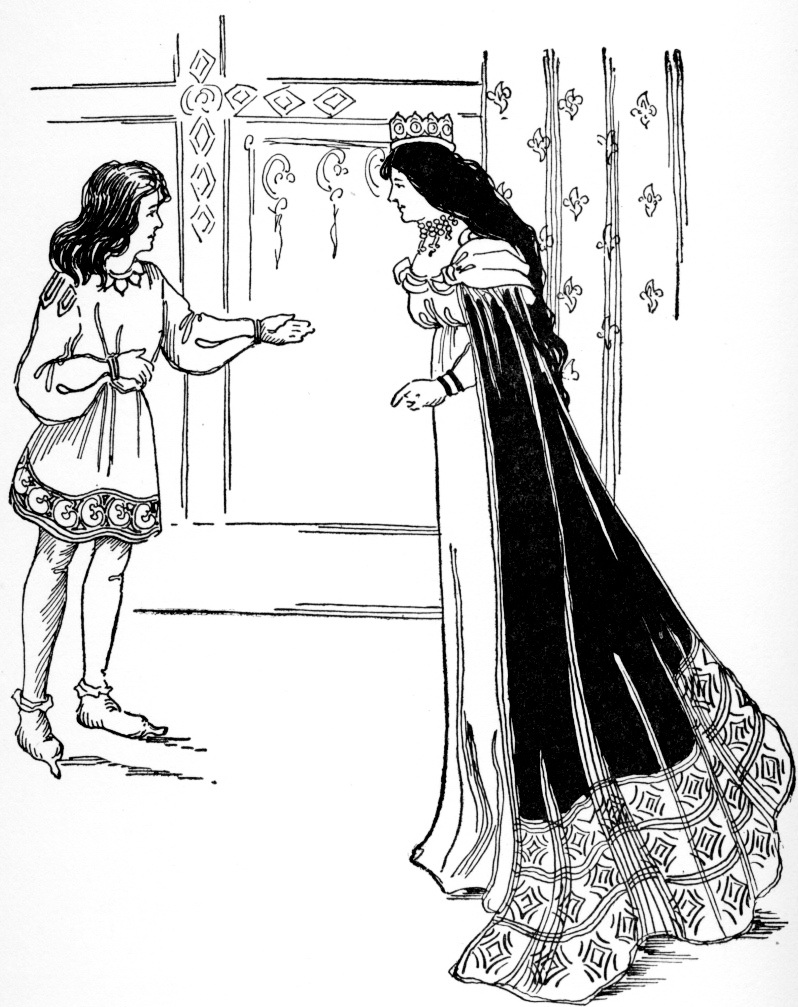 🇬🇧 United Kingdom and 3 moreMorgause
A legendary queen of Orkney and sister to King Arthur in British mythFigure · Power and authority Legendary
 🇸🇪 Sweden and 2 moreMjölnirMjǫllnir
The hammer of the Norse thunder god Thor, used as a weapon and for blessingsBeing · Cursing and harm · Protection Historical
 🇮🇸 Iceland and 3 moreDraugr
A malevolent undead revenant from Nordic folklore, often guarding buried treasure.Being · Cursing and harm · Luck and prosperity Legendary
 🇸🇪 Sweden and 2 moreDísdísir
Female spirits of fate and protection in Norse traditionBeing · Protection · Luck and prosperity Historical
 🇮🇸 Iceland and 2 moreValkyrievalkyrja
Female figures in Norse myth who select fallen warriors and guide them to Odin's hallBeing · Speaking with spirits and the dead Legendary
 🇬🇧 United Kingdom and 4 moreSelkie
Mythical seal-people who shed their skin to walk as humans on landBeing · Love and attraction · Cursing and harm Legendary
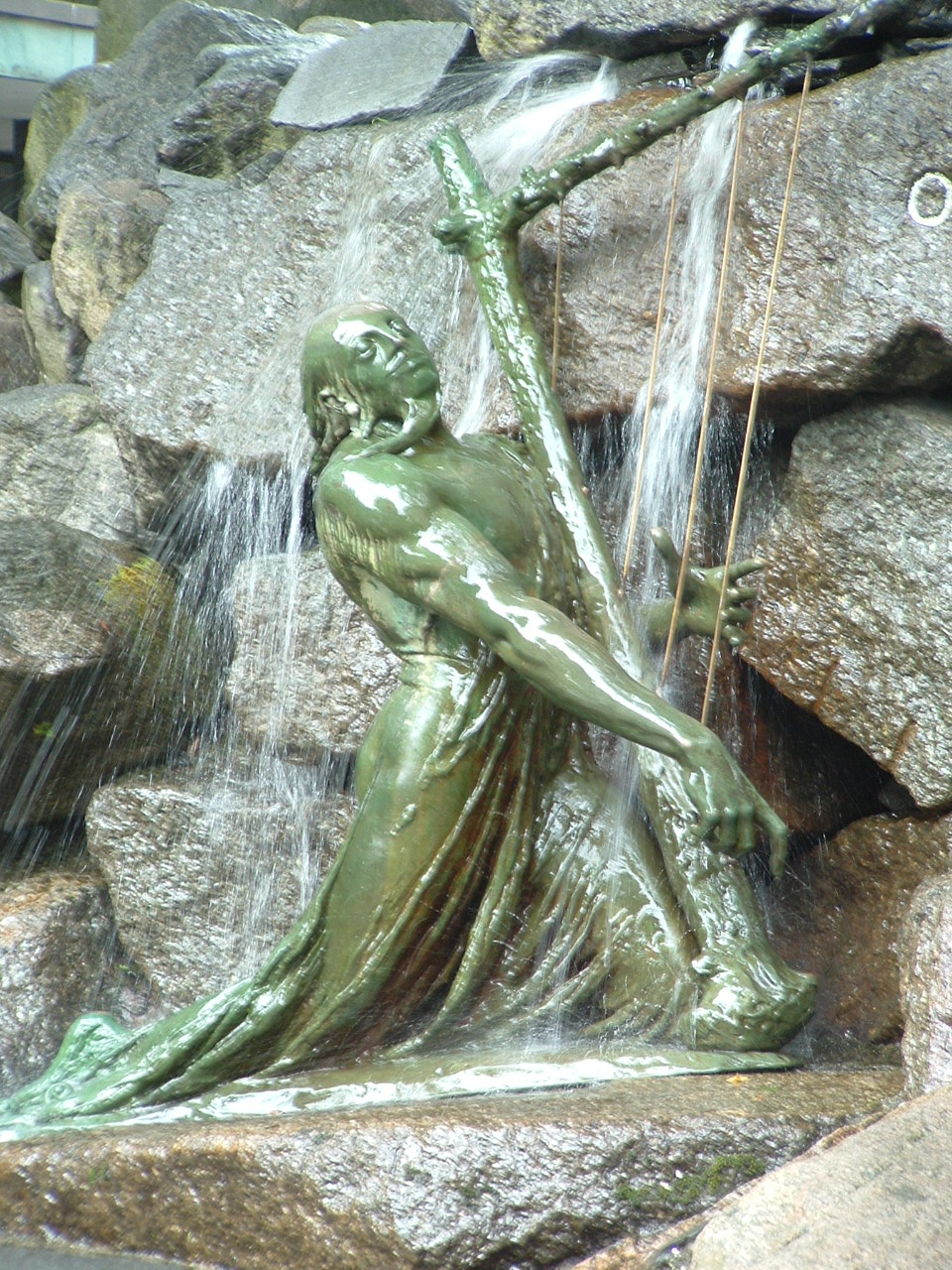 🇳🇴 Norway and 1 moreFossegrim
A Scandinavian water spirit known for teaching fiddle music in exchange for offeringsBeing · Power and authority Legendary
 🇩🇪 Germany and 3 moreRunesᚱᚢᚾᛟ
An ancient Germanic script used for writing and magical signs.Text · Seeing and foretelling · Power and authority Historical
🇳🇴 NorwayEsbat
A monthly Wiccan ritual held at the full or new moon for worship and community.Rite · Speaking with spirits and the dead · Love and attraction Living
 🇳🇴 Norway and 2 moreValknut
A symbol of three interlocked triangles found on Germanic artifacts and used in modern Heathenry.Belief · Power and authority Living
 🇳🇴 Norway and 2 moreSámi drumgoavddis
A ceremonial instrument used by Sámi noaidi for trance and divinationTradition · Seeing and foretelling · Speaking with spirits and the dead Historical
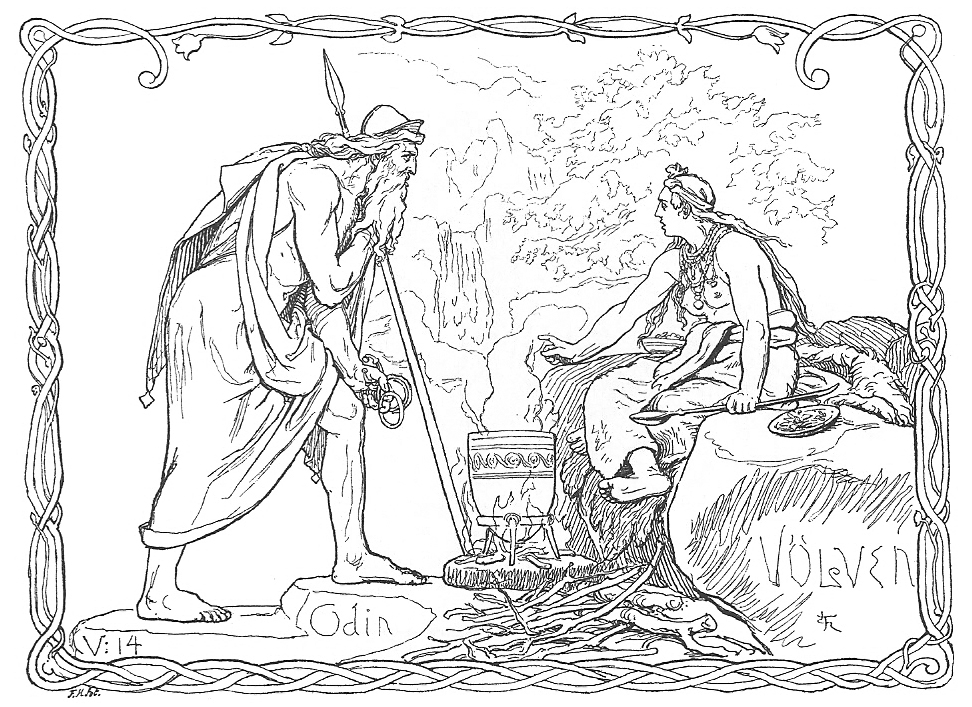 🇮🇸 Iceland and 1 moreNorse mythology
The mythic tales of the North Germanic peoples and their ancient gods.Tradition · Wonder and entertainment Historical
 🇸🇪 Sweden and 2 moreGermanic seeressvǫlva
Diviners and sorceresses of early Germanic and Norse societyTradition · Seeing and foretelling · Power and authority Revived
 🇮🇸 Iceland and 2 moreYulejól
A Germanic midwinter festival merged with Christmas and revived by modern pagansTradition · Luck and prosperity · Speaking with spirits and the dead Living
 🇸🇪 Sweden and 2 moreFreyja
Norse goddess of love, war, and seiðr magic who rides a chariot pulled by catsBeing · Love and attraction · Seeing and foretelling Legendary
 🇸🇪 Sweden and 3 moreTyrTýr
A Germanic deity of war and oaths, known for sacrificing his hand to a wolfBeing · Power and authority Historical
🇳🇴 NorwayVardø witch trials
A major Scandinavian persecution of women accused of sorcery in 17th-century NorwayBelief · Cursing and harm Historical
🇳🇴 NorwaySami religion
The animist and polytheistic beliefs of the Sámi people across northern ScandinaviaTradition · Protection · Luck and prosperity Historical
 🇳🇴 NorwaySteilneset Memorial
A 2011 monument in Norway marking the 1621 Vardø witch trials and their victims.Illusion · Wonder and entertainment Historical
 🇬🇧 United Kingdom and 3 moreRowancaorann
A Northern Hemisphere tree believed to ward off witches and protect travellers.Substance · Protection · Speaking with spirits and the dead Living
🇳🇴 NorwayWitch trials in Norway
A wave of executions and legal persecution for sorcery in early modern Norway.Belief · Cursing and harm Historical
🇳🇴 NorwayCyprianus
A Scandinavian folk magic grimoire and the tradition of spells it containsText · Healing · Seeing and foretelling Historical
🇳🇴 Norway and 1 moreTroll cat
A familiar spirit in Nordic folklore blamed for stealing milk and cream from farmsBeing · Cursing and harm Legendary
🇳🇴 Norway and 3 moreTheosophy in Scandinavia
A network of independent lodges studying esoteric philosophy across the Nordic countries.Tradition · Speaking with spirits and the dead · Change and initiation Living
 🇮🇸 Iceland and 2 moreBrísingamen
The enchanted necklace of the Norse goddess FreyjaCharm · Power and authority Legendary
🇺🇸 United States and 4 moreAMORCAntiquus Mysticusque Ordo Rosae Crucis
A US-based Rosicrucian order with global lodges and a focus on correspondence study.Tradition · Change and initiation · Power and authority Living
 🇮🇹 Italy and 5 moreSaint Michael
A Christian archangel who defends the faithful and weighs soulsBeing · Protection · Cursing and harm Living
 🇩🇪 Germany and 4 moreNight ravennattravn
A nocturnal creature of European folklore, feared as a child-stealer or seen as a ghost in bird form.Being · Cursing and harm Historical
🇳🇴 NorwayDeildegast
A Norwegian ghost bound to boundary stones it moved in lifeBeing · Cursing and harm Historical
 🇸🇪 Sweden and 4 moreStarkadStarkaðr
A Norse warrior cursed to commit crimes across three lifetimesFigure · Cursing and harm Legendary
 🇸🇪 Sweden and 1 moreStalloStállu
A large, clumsy creature from Sámi folklore that eats people and is often outwitted by humans.Being · Cursing and harm · Wonder and entertainment Historical
 🇳🇴 Norway and 1 moreBödvar BjarkiBöðvarr Bjarki
A Norse hero who fights as a bear and appears in legends of King Hrolf KrakiFigure · Power and authority Legendary
🇳🇴 NorwayTycho Brahe daysTycho Brahes-dage
Scandinavian folklore dates believed to be unlucky for magic and businessBelief · Luck and prosperity Historical
 🇫🇷 France and 4 moreEctoplasm
A substance said to be excreted by mediums during séances, later exposed as common household materials.Substance · Speaking with spirits and the dead Historical
 🇩🇪 Germany and 3 moreCruentation
A medieval judicial test where a suspect touched a victim's body to see if it bled.Rite · Cursing and harm Historical
 🇮🇸 Iceland and 3 moreRune poem
Proverbial verses used to memorize the names and order of runic lettersText · Power and authority Historical
 🇸🇪 Sweden and 1 moreTroll crosstrollkors
A carved or bent iron sigil used in Sweden and Norway to ward off harmful magic and creatures.Charm · Protection Revived
 🇳🇴 NorwayGrógaldr
An Old Norse poem about raising a dead seeress to ask for helpText · Cursing and harm · Protection Historical
 🇩🇪 Germany and 5 moreWitchcraft accusations against children
Historical and modern persecution of children blamed for witchcraftBelief · Cursing and harm Living
 🇸🇪 Sweden and 4 moreSun cross
A cross inside a circle found in prehistoric art and modern political symbolsBelief · Power and authority Historical
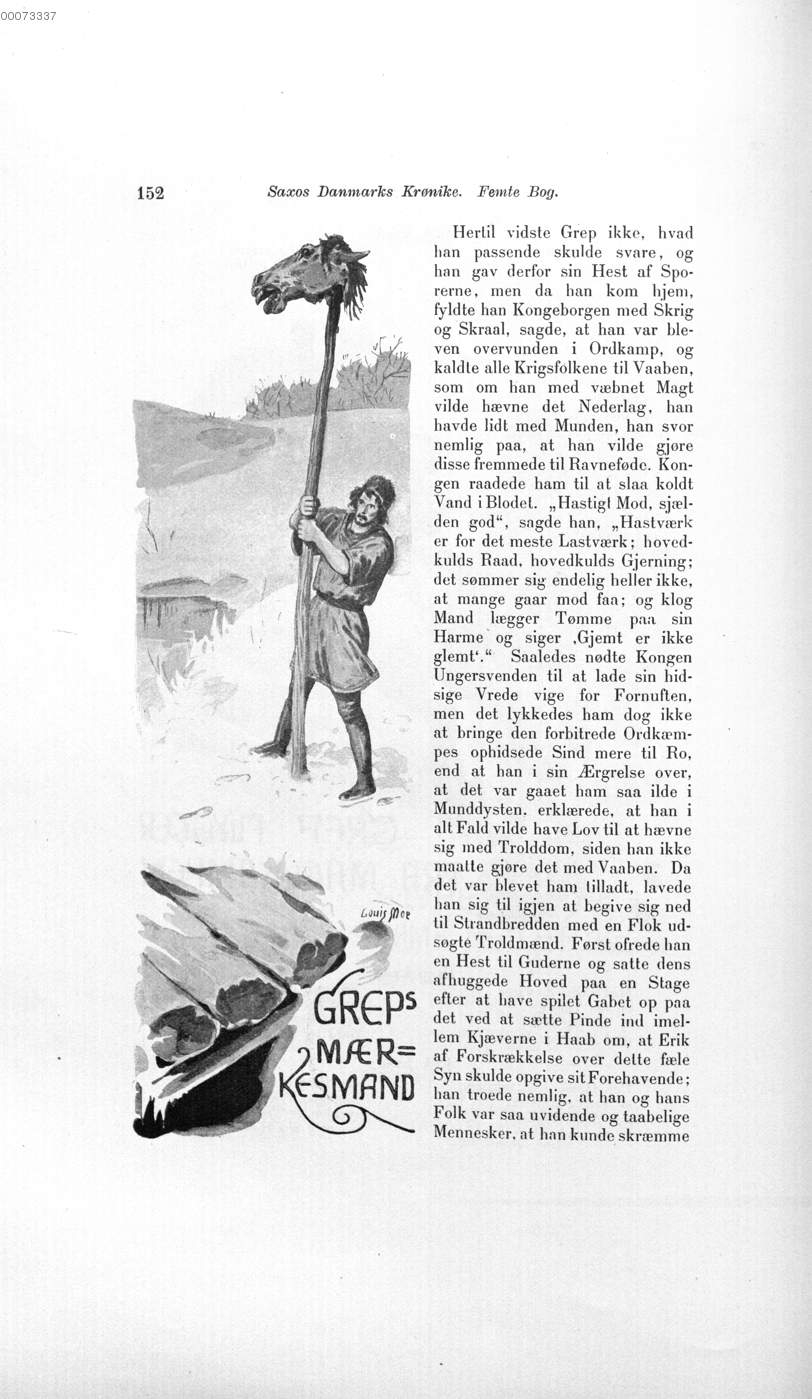 🇮🇸 Iceland and 1 moreNithing poleníðstǫng
A curse pole from Norse tradition used to shame or harm an enemyRite · Cursing and harm Living
 🇳🇴 NorwayTroll
A Nordic creature of folklore and myth, ranging from mountain dwellers to modern fantasy icons.Being · Wonder and entertainment Legendary
 🇮🇸 Iceland and 1 moreLandvættir
Spirits tied to specific places in Norse tradition and modern HeathenryBeing · Protection · Luck and prosperity Living
 🇸🇪 Sweden and 2 moreSea monk
A sixteenth-century sea creature said to look like a human monk in robesBeing · Wonder and entertainment Legendary
 🇳🇴 NorwayEinherjar
Óðinn's host of warriors killed in battle, feasting in Valhalla until RagnarökBeing Legendary
 🇮🇸 Iceland and 3 moreElf
A supernatural person of Germanic lore, linked to illness, beauty and magicBeing · Cursing and harm Legendary
Photo credits on this page
The small pictures above come from Wikimedia Commons under free licences. Some are cropped to fit.
- Troll cross: Unknown author, Public domain, source
- Night raven: Kim Diaz Holm (den unge herr Holm), CC BY 4.0, source
- Morgause: H. S. Campbell, Public domain, source
- Germanic seeress: Emil Doepler, Public domain, source
- Dís: Emil Doepler, Public domain, source
- Freyja: John Bauer, Public domain, source
- Sjörå: Bernard Evans Ward, Public domain, source
- Mediumship: Harvey Metcalfe, Public domain, source
- Saint Michael: Francesco Botticini, Public domain, source
- Sea monk: Japetus Steenstrup, Public domain, source
- Witchcraft accusations against children: Radbot, CC BY-SA 3.0, source
- Fossegrim: Bjørn som tegner, CC BY-SA 3.0, source
- Starkad: User:Skadinaujo, Public domain, source
- Stallo: John Bauer, Public domain, source
- Steilneset Memorial: Stylegar, CC BY-SA 4.0, source
- Sami religion: Zouavman Le Zouave, CC BY-SA 3.0, source
- Bödvar Bjarki: Louis Moe, Public domain, source
- Valknut: Sacrificial_scene_on_Hammars_(I).JPG : Berig derivative work: The Man, CC BY-SA 3.0, source
- Nithing pole: r Saxo Gramaticus; tr. (Danish) Frederik Winkel Horn; illus. Louis Moe, Public domain, source
- Elf: Martin Brandenburg, Public domain, source
- Rune poem: Tollef Salemann, CC0, source
- Runes: Bengt Olof ÅRADSSON, CC BY 1.0, source
- Sun cross: National Museum of Denmark, CC BY-SA 3.0, source
- Cunning folk: Midnightblueowl at English Wikipedia, CC BY-SA 3.0, source
- Selkie: Carolyn Emerick, CC BY-SA 3.0, source
- Rowan: Taken by me, Jonik , on August 25, 2004., CC BY-SA 2.0, source
- Mjölnir: Mårten Eskil Winge, Public domain, source
- Troll: John Bauer, Public domain, source
- Yule: Robert Chambers, Public domain, source
- Grógaldr: W.G. Collingwood (1854 - 1932), Public domain, source
- Brísingamen: Nils Blommér, Public domain, source
- Landvættir: TommyBee, Public domain, source
- Cruentation: Unknown author, Public domain, source
- Draugr: Kim Diaz Holm, CC BY 4.0, source
- Einherjar: Emil Doepler, Public domain, source
- Valkyrie: Lorenz Frølich, Public domain, source
- Tyr: Gunnar Creutz, CC BY-SA 4.0, source
- Norse mythology: Lorenz Frølich, Public domain, source
The weekly digest
Every Monday: seven entries you may not know, what is on the calendar this week, and one rite drawn step by step.