🇳🇴 Magic in Norway
44 entries from Norway, best known first, across 12 places of magic.
Norway's folk belief in magic intersects with a severe history of state-sanctioned persecution. While cunning folk practiced traditional healing and protection, the legal system criminalized these acts, leading to intense witch trials that targeted marginalized communities.
- Approximately 277 to 350 executions occurred between 1561 and 1760.
- King Frederick II expanded the death penalty for sorcery to all of Norway in 1593.
- Eighty percent of those accused were women, often widows or married women.
- Torture was commonly used despite being formally illegal under Danish law.
- The Witchcraft Act remained legally valid until 1842.
Overview
Magic in Norway is rooted in local customs where cunning men and women provided community services. These practitioners were often trusted for their knowledge but faced suspicion from religious authorities. The blend of folk practices and official demonology created a tense environment. This dynamic was distinct from neighboring regions due to the intensity of the legal response. The historical record shows a clear divide between popular belief and state enforcement.
Practices and beliefs
Cunning folk offered services that included healing and protection against harm. Accusations often arose from conflicts or unexplained illnesses. People sought help for issues like death or injury, believing magic could cause or cure them. The accused sometimes admitted to folk magic but rejected associations with Satan. Authorities interpreted these admissions through demonology handbooks, twisting local beliefs into heresy.
Rites and charms
Trials involved rigorous interrogation designed to fit testimonies into predefined categories of witchcraft. Torture was frequently used to extract confessions about pacts with the Devil. Condemned individuals were forced to name accomplices under duress. Executions varied from burning at the stake to decapitation as methods changed over time. Prison deaths were also common outcomes for those found guilty.
Who practises
Most victims were poor, vagabonds, or beggars who lived on the margins of society. Cunning folk, often married women or widows, were also frequent targets. Eighty percent of those accused were women. Prominent figures like Anne Pedersdotter and Lisbeth Nypan became well-known cases. These individuals were viewed with suspicion by both clergy and neighbors.
Regions and communities
Documentation highlights Finnmark, Rogaland, and Hordaland as areas with significant trial activity starting in the 1590s. Local bailiffs could initiate investigations based on rumors from multiple households. Regional variations existed in how strictly laws were applied. The union with Denmark influenced judicial procedures across different parts of the country.
The calendar
Accusations often followed personal conflicts or periods of illness within communities. There is no specific seasonal calendar mentioned for these events. Trials occurred sporadically throughout the year based on social tensions. The peak period spanned from the late sixteenth to the early eighteenth century.
Law and the state
The Witchcraft Act remained formally in place until 1842. Early laws imposed the death penalty for all sorcery. Judicial improvements after the 1670s reduced the frequency of trials. High courts began preventing illegal tactics like torture. The last confirmed execution occurred in 1695, with imprisonment becoming the final sentence in 1715.
Today
Modern remembrance includes memorials such as Steilneset. Historical accounts serve as reminders of past injustices. Contemporary interest focuses on understanding the social dynamics of the era. No active magical practices are linked directly to this legal history.
The facts in this overview come from the Wikipedia article "Witch trials in Norway", written by its contributors and used under the CC BY-SA 4.0 licence. EveryJaadu rewrote the text in its own words, with AI assistance, and compares every page with the article to make sure no passage is copied. It may be reused under the same CC BY-SA 4.0 licence with a link back.
 🇳🇴 Norway and 1 moreHuldra
A seductive forest spirit of Scandinavian folklore with a hidden animal tail.Being · Protection Legendary
🇳🇴 Norway and 1 moreHuldra
A seductive forest spirit of Scandinavian folklore with a hidden animal tail.Being · Protection Legendary
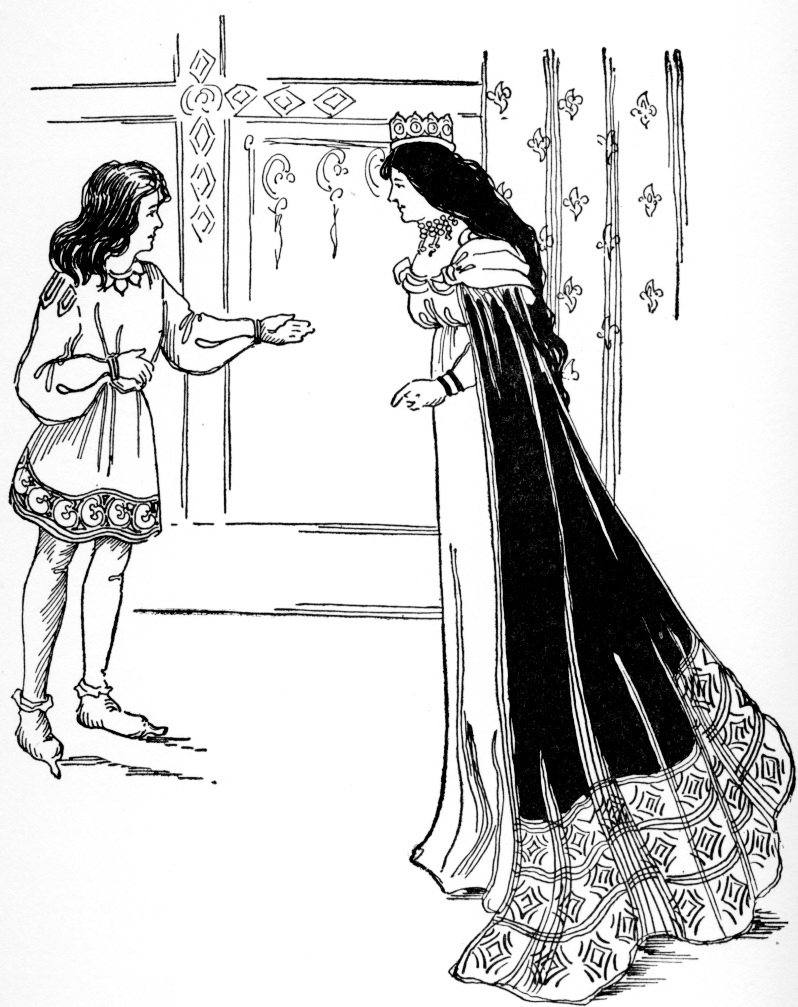 🇬🇧 United Kingdom and 3 moreMorgause
A legendary queen of Orkney and sister to King Arthur in British mythFigure · Power and authority Legendary
🇬🇧 United Kingdom and 3 moreMorgause
A legendary queen of Orkney and sister to King Arthur in British mythFigure · Power and authority Legendary
 🇮🇸 Iceland and 3 moreDraugr
A malevolent undead revenant from Nordic folklore, often guarding buried treasure.Being · Cursing and harm · Luck and prosperity Legendary
🇮🇸 Iceland and 3 moreDraugr
A malevolent undead revenant from Nordic folklore, often guarding buried treasure.Being · Cursing and harm · Luck and prosperity Legendary
 🇮🇸 Iceland and 2 moreValkyrievalkyrja
Female figures in Norse myth who select fallen warriors and guide them to Odin's hallBeing · Speaking with spirits and the dead Legendary
🇮🇸 Iceland and 2 moreValkyrievalkyrja
Female figures in Norse myth who select fallen warriors and guide them to Odin's hallBeing · Speaking with spirits and the dead Legendary
 🇬🇧 United Kingdom and 4 moreSelkie
Mythical seal-people who shed their skin to walk as humans on landBeing · Love and attraction · Cursing and harm Legendary
🇬🇧 United Kingdom and 4 moreSelkie
Mythical seal-people who shed their skin to walk as humans on landBeing · Love and attraction · Cursing and harm Legendary
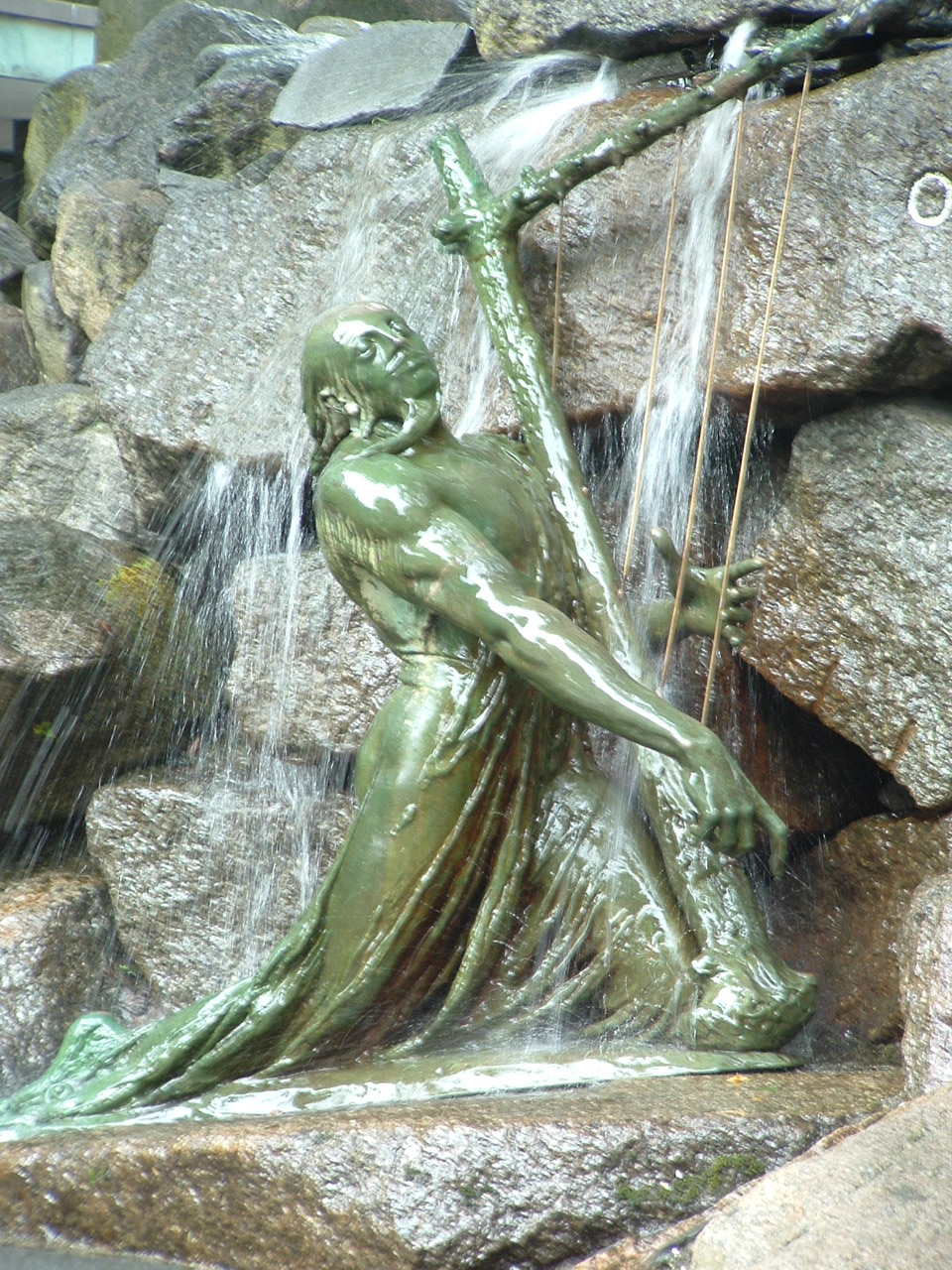 🇳🇴 Norway and 1 moreFossegrim
A Scandinavian water spirit known for teaching fiddle music in exchange for offeringsBeing · Power and authority Legendary
🇳🇴 Norway and 1 moreFossegrim
A Scandinavian water spirit known for teaching fiddle music in exchange for offeringsBeing · Power and authority Legendary
 🇸🇪 Sweden and 2 moreFreyja
Norse goddess of love, war, and seiðr magic who rides a chariot pulled by catsBeing · Love and attraction · Seeing and foretelling Legendary
🇳🇴 Norway and 1 moreTroll cat
A familiar spirit in Nordic folklore blamed for stealing milk and cream from farmsBeing · Cursing and harm Legendary
🇸🇪 Sweden and 2 moreFreyja
Norse goddess of love, war, and seiðr magic who rides a chariot pulled by catsBeing · Love and attraction · Seeing and foretelling Legendary
🇳🇴 Norway and 1 moreTroll cat
A familiar spirit in Nordic folklore blamed for stealing milk and cream from farmsBeing · Cursing and harm Legendary
 🇮🇸 Iceland and 2 moreBrísingamen
The enchanted necklace of the Norse goddess FreyjaCharm · Power and authority Legendary
🇮🇸 Iceland and 2 moreBrísingamen
The enchanted necklace of the Norse goddess FreyjaCharm · Power and authority Legendary
 🇳🇴 NorwayTroll
A Nordic creature of folklore and myth, ranging from mountain dwellers to modern fantasy icons.Being · Wonder and entertainment Legendary
🇳🇴 NorwayTroll
A Nordic creature of folklore and myth, ranging from mountain dwellers to modern fantasy icons.Being · Wonder and entertainment Legendary
 🇸🇪 Sweden and 4 moreStarkadStarkaðr
A Norse warrior cursed to commit crimes across three lifetimesFigure · Cursing and harm Legendary
🇸🇪 Sweden and 4 moreStarkadStarkaðr
A Norse warrior cursed to commit crimes across three lifetimesFigure · Cursing and harm Legendary
 🇳🇴 Norway and 1 moreBödvar BjarkiBöðvarr Bjarki
A Norse hero who fights as a bear and appears in legends of King Hrolf KrakiFigure · Power and authority Legendary
🇳🇴 Norway and 1 moreBödvar BjarkiBöðvarr Bjarki
A Norse hero who fights as a bear and appears in legends of King Hrolf KrakiFigure · Power and authority Legendary
Photo credits on this page
The small pictures above come from Wikimedia Commons under free licences. Some are cropped to fit.
- Selkie: Carolyn Emerick, CC BY-SA 3.0, source
- Huldra: Bernard Evans Ward, Public domain, source
- Morgause: H. S. Campbell, Public domain, source
- Draugr: Kim Diaz Holm, CC BY 4.0, source
- Valkyrie: Lorenz Frølich, Public domain, source
- Fossegrim: Bjørn som tegner, CC BY-SA 3.0, source
- Freyja: John Bauer, Public domain, source
- Brísingamen: Nils Blommér, Public domain, source
- Troll: John Bauer, Public domain, source
- Starkad: User:Skadinaujo, Public domain, source
- Bödvar Bjarki: Louis Moe, Public domain, source
The weekly digest
Every Monday: seven entries you may not know, what is on the calendar this week, and one rite drawn step by step.