
Valkyrie
In its own language: valkyrja
from Old Norse valkyrja, meaning chooser of the slain
Female figures in Norse myth who select fallen warriors and guide them to Odin's hall
A valkyrie is a supernatural woman from Norse mythology whose name means chooser of the slain. These beings pick heroes who die in battle and escort their spirits to Valhalla, the hall of the god Odin.
- Name means chooser of the slain in Old Norse
- Guide dead warriors to Odin's hall Valhalla
- Appear in Poetic Edda and Prose Edda
- Sometimes depicted as lovers of heroes
- Associated with ravens, swans, and battle
What it is
In Norse mythology, a valkyrie is one of many female figures who serve the god Odin. Their primary role involves selecting warriors who have died in combat. After choosing these individuals, the valkyries guide their souls to Valhalla, Odin's great hall. Once there, the deceased fighters become known as einherjar. While not preparing for the final apocalyptic conflict called Ragnarök, these chosen warriors are served mead by the valkyries. The figures also appear as lovers to mortal heroes. They are sometimes described as royal daughters or accompanied by animals such as ravens, swans, boars, or wolves.
Where it comes from
The concept appears in texts compiled during the thirteenth century, though they likely preserve older oral traditions. Key sources include the Poetic Edda, the Prose Edda, Heimskringla, and Njáls saga. These works were written or assembled by Snorri Sturluson and other Icelandic authors. Valkyries also feature in skaldic poetry and various runic inscriptions found across Scandinavia. An Old English term, wælcyrge, appears in manuscripts, suggesting possible shared pagan traditions between Anglo-Saxons and Norse peoples. Archaeologists have discovered amulets in Scandinavia that some scholars believe depict these figures.
How it is done
The texts describe valkyries riding through the sky or over battlefields. They often wear helmeted heads and waist-length mail armour stained with blood. In some accounts, they carry spears and shields. One poem describes them flying amidst lightning and storm clouds. Another narrative shows a valkyrie waking from a long sleep caused by a sleeping spell placed by Odin. She then instructs a hero in runes and wisdom. The figures are also shown bearing drinking horns to serve ale to the einherjar in Valhalla.
Tools and materials
Valkyries are associated with specific items and symbols. They wield weapons like spears and shields. Some are linked to swan garments, which allow them to fly. Ravens are mentioned as birds that feed on battlefield corpses, sometimes referred to as fed by the sisters of Gunnr. Mead horns are used to serve drinks to the dead warriors. Armour includes mail coats and helmets. Animals such as wolves and swans are connected to their imagery.
Valkyrie, drawn and placed
- Living
- Revived
- Fading
- Historical
- Legendary
- Performed
- Lineage
- Norse mythology
- Timing
- during and after battles
What it is for
The main purpose of a valkyrie is to choose those who will die in war. This selection determines who enters Valhalla. The figures ensure the safe passage of these souls to Odin's hall. They also interact romantically with human heroes. Some narratives suggest they protect specific warriors in battle. Others indicate they enforce Odin's will, such as when Odin punishes a valkyrie for defying his command regarding a battle's outcome.
Who does it
These figures are mythical beings within the belief system. They are not practitioners themselves but act as agents of Odin. Modern understanding comes from scholars studying ancient texts. Researchers examine poems, sagas, and archaeological finds to reconstruct their roles. No living tradition practices rituals specifically for valkyries today. The figures exist primarily in literature and art inspired by Norse myths.
Peoples and places
The valkyrie is central to Norse mythology, originating in Scandinavia. Iceland is a key source due to the preservation of the Poetic Edda and Sagas. Norway and Sweden are also linked through historical attestations and archaeological discoveries. The term wælcyrge suggests connections to Anglo-Saxon paganism in England. Different poems list various names for these women, such as Hildr, Gunnr, and Skuld. Regional variations exist in how they are named and described in surviving texts.
At a glance: who, where and when
Peoples
Belief worlds


What people believe
Norse paganism held that valkyries served Odin. They were believed to control fate in battle by deciding who lived and died. The einherjar awaited Ragnarök, a final cosmic struggle. Reincarnation was a belief attached to some valkyrie-lovers, such as Helgi and Sigrún. Odin could place sleeping spells on them or punish them for disobedience. The figures represent a blend of divine service and martial selection. They bridge the gap between the battlefield and the afterlife.
When it is done
No specific festivals or calendar days are tied exclusively to valkyries in the provided texts. Their actions occur during battles and in the afterlife realm of Valhalla. Some narratives mention seasonal or life events indirectly, such as marriages or deaths. The timing of their appearances is linked to combat rather than a fixed annual cycle.
How scholars and sceptics see it
Scholars analyze valkyries through literary and archaeological lenses. Philologists study etymologies, linking valkyrja to Proto-Germanic roots. Historians compare them to other supernatural figures like the Norns and dísir, all associated with fate. Archaeologists interpret amulets as potential depictions of valkyries. Debates continue regarding the extent of pre-Christian oral traditions versus Christian-era compilation. Researchers also explore the relationship between Norse valkyries and Old English wælcyrge.
Cautions and what is closed
The subject involves descriptions of violence and death inherent to battle contexts. Some narratives mention raw meat consumption by heroes, which may be unsettling. There are no known modern harms or legal risks associated with the myth itself.
Compare and confuse
Valkyries are sometimes confused with the Norns or dísir, as all three groups are linked to fate. The Old English wælcyrge may reflect a parallel tradition to the Norse valkyrja. Other terms like óskmey or Óðins meyjar appear in specific poems. Randalín is a kenning possibly derived from shield-goddess imagery. These comparisons highlight shared themes of female supernatural agency in Germanic mythology.
Questions people ask about Valkyrie
What does the word valkyrie mean?
It comes from Old Norse valkyrja, meaning chooser of the slain. It combines words for battlefield dead and to choose.
Where do valkyries take the dead?
They guide souls of fallen warriors to Valhalla, the hall of Odin. There the dead become einherjar and await Ragnarök.
Are valkyries only in Norse myths?
They appear in Norse texts like the Eddas. An Old English term wælcyrge suggests similar beliefs among Anglo-Saxons.
Do valkyries fight in battles?
They are described wearing armour and carrying weapons. Some poems say they ride into battle to choose who dies.
Good reading and sources
- Encyclopaedia BritannicaArticle
- Flight of the valkyrie: the Viking figurine thatThe Guardian, Article
- Valkyrie on WikipediaEncyclopedia
- More photos on Wikimedia CommonsPhotos and video
- Wikidata recordOpen data
The facts on this page come from the Wikipedia article "Valkyrie", written by its contributors and used under the CC BY-SA 4.0 licence, and from its Wikidata record (CC0). EveryJaadu rewrote the text in its own words, with AI assistance, and compares every page with the article to make sure no passage is copied. It may be reused under the same CC BY-SA 4.0 licence with a link back.
It may contain mistakes. Names and customs differ from one community to the next, and some knowledge is closed to outsiders and left out here. This page describes belief and practice. It does not say that any of it works, it is not a how-to, and it is not medical advice. If something is wrong, tell us. Last refreshed 2026-10-05.
More from Iceland
All the entries from Iceland 🇮🇸 Iceland and 3 moreDraugr
A malevolent undead revenant from Nordic folklore, often guarding buried treasure.Being · Cursing and harm · Luck and prosperity Legendary
🇮🇸 Iceland and 3 moreDraugr
A malevolent undead revenant from Nordic folklore, often guarding buried treasure.Being · Cursing and harm · Luck and prosperity Legendary
 🇸🇪 Sweden and 2 moreMjölnirMjǫllnir
The hammer of the Norse thunder god Thor, used as a weapon and for blessingsBeing · Cursing and harm · Protection Historical
🇸🇪 Sweden and 2 moreMjölnirMjǫllnir
The hammer of the Norse thunder god Thor, used as a weapon and for blessingsBeing · Cursing and harm · Protection Historical
 🇮🇸 Iceland and 1 moreHidden-folkhuldufólk
Supernatural beings in Nordic folklore who live in a parallel world within the landscape.Being · Protection · Luck and prosperity Living
🇮🇸 Iceland and 1 moreHidden-folkhuldufólk
Supernatural beings in Nordic folklore who live in a parallel world within the landscape.Being · Protection · Luck and prosperity Living
 🇩🇪 Germany and 3 moreMare
A spirit that sits on sleepers to cause nightmares and physical distressBeing · Cursing and harm Historical
🇩🇪 Germany and 3 moreMare
A spirit that sits on sleepers to cause nightmares and physical distressBeing · Cursing and harm Historical
Related elsewhere
All being 🇮🇳 IndiaChakraचक्र
Meditation points in the subtle body used in Hindu and Buddhist yogaTradition · Speaking with spirits and the dead · Change and initiation Living
🇮🇳 IndiaChakraचक्र
Meditation points in the subtle body used in Hindu and Buddhist yogaTradition · Speaking with spirits and the dead · Change and initiation Living
 🇳🇬 NigeriaOrunmilaỌ̀rúnmìlà
Yoruba deity of wisdom and the creator of the Ifá divination systemBeing · Seeing and foretelling · Speaking with spirits and the dead Living
🇳🇬 NigeriaOrunmilaỌ̀rúnmìlà
Yoruba deity of wisdom and the creator of the Ifá divination systemBeing · Seeing and foretelling · Speaking with spirits and the dead Living
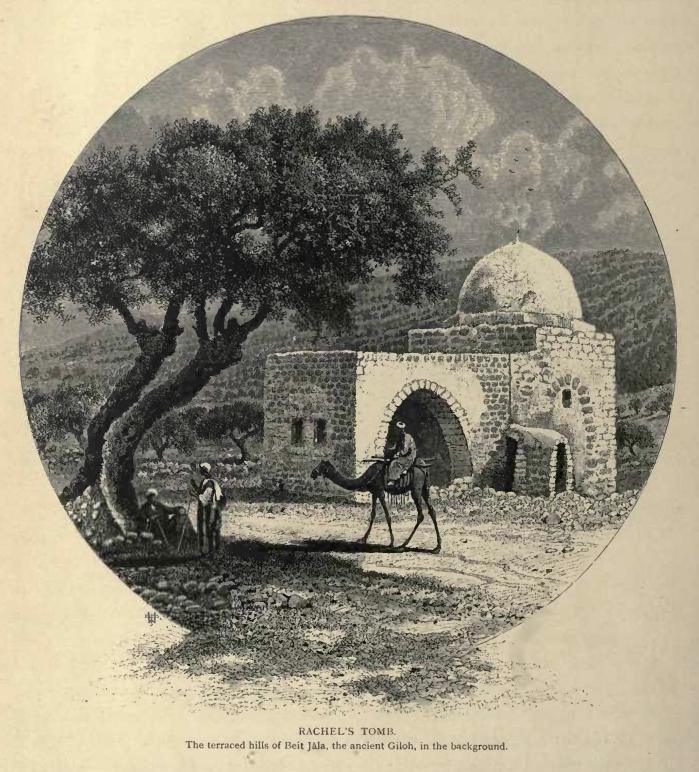 🇵🇸 Palestine and 1 moreRachel's TombQever Raḥel; Qabr Rāḥīl
A shared holy site near Bethlehem revered by Jews, Christians, and MuslimsTradition · Speaking with spirits and the dead · Protection Living
🇵🇸 Palestine and 1 moreRachel's TombQever Raḥel; Qabr Rāḥīl
A shared holy site near Bethlehem revered by Jews, Christians, and MuslimsTradition · Speaking with spirits and the dead · Protection Living
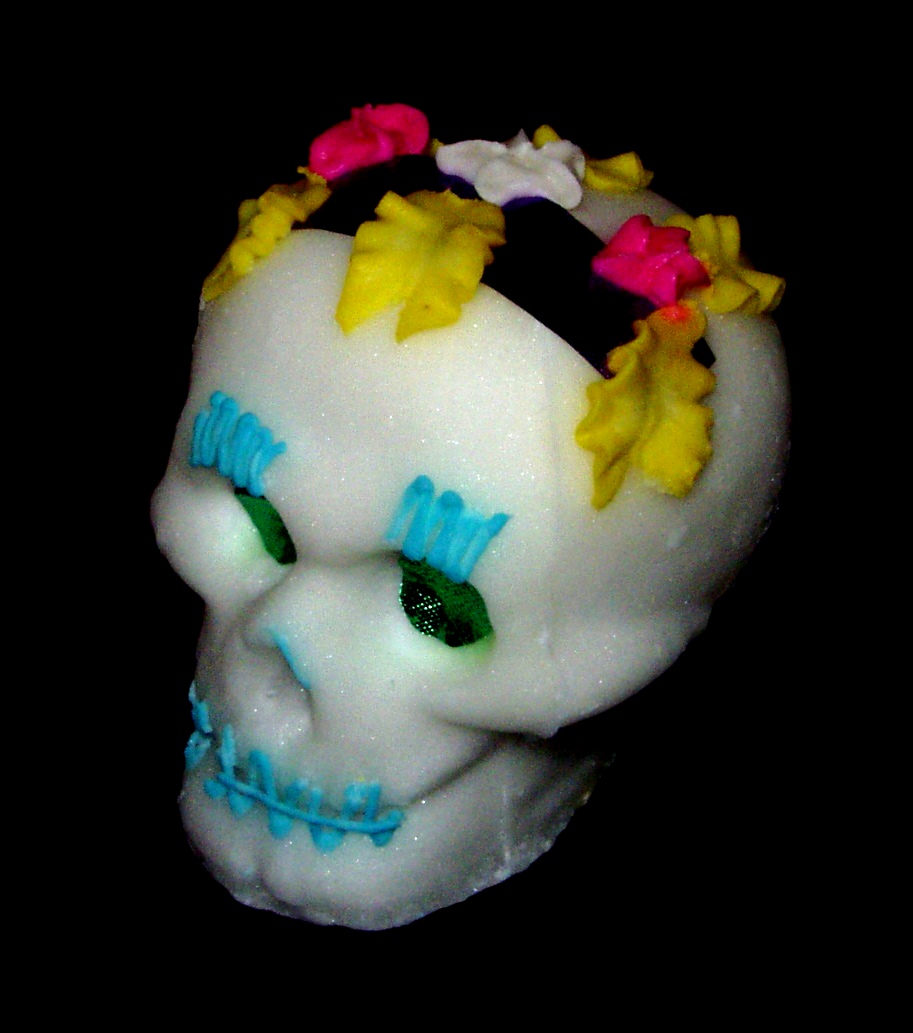 🇲🇽 MexicoCalavera
A sugar or clay skull used in Mexican Day of the Dead celebrations.Charm · Speaking with spirits and the dead · Luck and prosperity Living
🇲🇽 MexicoCalavera
A sugar or clay skull used in Mexican Day of the Dead celebrations.Charm · Speaking with spirits and the dead · Luck and prosperity Living