🇯🇵 Magic in Japan
226 entries from Japan, best known first, across 80 places of magic.
Onmyōdō is a Japanese system of divination and ritual magic rooted in the Chinese philosophies of yin-yang and the five elements. It evolved from astronomical and calendrical knowledge into a court institution that blended with Shinto beliefs to manage fortune, health, and spiritual protection.
- Abe no Seimei is the most famous onmyoji, active in the Heian period
- Shikigami are spirit servants summoned and controlled by practitioners
- Katatagae involves changing direction to avoid unlucky bearings
- The Tensha Shinto Prohibition Ordinance banned the practice in 1870
- Onmyoji handled kegare, spiritual pollution, unlike Shinto priests
Overview
This tradition began as an import from China and Korea during the sixth century, combining astronomy, calendar science, and elemental theory. Over time, it merged with indigenous Japanese beliefs, particularly Shinto and the worship of restless spirits known as goryo. The practice shifted from high-level state advisory work to include magical rites for protection and cursing. By the Heian period, it had become a distinct Japanese system that addressed both political decisions and personal well-being through the manipulation of auspicious forces.
Practices and beliefs
Practitioners used complex calculations based on celestial movements and seasonal changes to determine lucky or unlucky times and directions. They performed rituals to ward off evil influences, prevent disasters, and ensure agricultural success. A key feature was the summoning and control of shikigami, which were spirit servants used to carry out tasks or protect the practitioner. Divination helped guide major life events, such as moving capitals or choosing marriage dates, by identifying harmful energies in the environment.
Rites and charms
Rituals often involved purification and specific gestures to align with cosmic forces. Unlike Shinto priests who avoided impurity, onmyoji could handle kegare, or spiritual pollution, allowing them to perform protective ceremonies that others could not. These rites included casting talismans and conducting exorcisms to calm angry spirits. The community also observed strict rules about direction; if a person faced an unlucky bearing, they would change their path to avoid bad luck, a practice called katatagae.
Who practises
The main figures were onmyoji, civil servants appointed by the imperial court to manage these arts. They served as astronomers, diviners, and spiritual guards for the capital. Famous lineages, such as the Abe and Kamo families, dominated the field for centuries. Abe no Seimei remains the most celebrated figure, known for his exceptional skill in divination and magic. Today, while the official role has vanished, the title persists in popular culture as a symbol of occult mastery.
Regions and communities
The practice originated in the imperial capital and was centered around the court aristocracy. Its influence spread from the elite to the general public as the need for personal protection grew. The Abe and Kamo families held monopolies on the highest levels of the art within the capital region. Outside the court, local interpretations may have varied, but the core techniques remained tied to the centralized calendar and astronomical data maintained by the state.
The calendar
Daily life and major events were scheduled according to the onmyodo calendar. Specific days and hours were designated as auspicious or inauspicious for activities like starting a journey, building a house, or holding a funeral. The changing seasons dictated different types of rituals, with particular attention paid to transitional periods believed to be vulnerable to spiritual interference. Festivals and religious observances were often timed to coincide with favorable celestial alignments.
Law and the state
The system was officially part of the government structure under the Taiho Code, which defined the duties of onmyoji. In 1870, the Tensha Shinto Prohibition Ordinance banned the practice, labeling it superstition. After World War II, religious freedom allowed its revival, leading to the formation of modern organizations like Tensha Tsuchimikado Shinto in 1954. The legal status shifted from state mandate to private religious association.
Today
Modern Japan sees onmyodo primarily through popular media, including manga, anime, and novels that romanticize its history. While some groups claim continuity with the ancient traditions, the practice is largely a cultural heritage rather than a widespread religious activity. Scholars study it as a historical blend of science and magic, reflecting how pre-modern societies understood the natural world.
The facts in this overview come from the Wikipedia article "Onmyōdō", written by its contributors and used under the CC BY-SA 4.0 licence. EveryJaadu rewrote the text in its own words, with AI assistance, and compares every page with the article to make sure no passage is copied. It may be reused under the same CC BY-SA 4.0 licence with a link back.
Places of magic in Japan
 🇬🇧 United Kingdom and 5 moreStreet performance
Public entertainment offered for voluntary tips in open spacesIllusion · Wonder and entertainment · Luck and prosperity Living
🇬🇧 United Kingdom and 5 moreStreet performance
Public entertainment offered for voluntary tips in open spacesIllusion · Wonder and entertainment · Luck and prosperity Living
 🇯🇵 Japan and 1 moreChain letterFukou no Tegami
A message that demands copying and forwarding to avoid bad luck or gain fortuneBelief · Luck and prosperity · Cursing and harm Historical
🇯🇵 Japan and 1 moreOrigami (magic trick)
A stage illusion where a person vanishes into and reappears from a folding paper boxIllusion · Wonder and entertainment Performed
🇯🇵 Japan and 3 moreThoughtography念写
A claimed psychic ability to imprint mental images directly onto photographic film.Belief · Wonder and entertainment Historical
🇯🇵 Japan and 1 moreChain letterFukou no Tegami
A message that demands copying and forwarding to avoid bad luck or gain fortuneBelief · Luck and prosperity · Cursing and harm Historical
🇯🇵 Japan and 1 moreOrigami (magic trick)
A stage illusion where a person vanishes into and reappears from a folding paper boxIllusion · Wonder and entertainment Performed
🇯🇵 Japan and 3 moreThoughtography念写
A claimed psychic ability to imprint mental images directly onto photographic film.Belief · Wonder and entertainment Historical
 🇯🇵 JapanOkiagari-koboshi起き上がり小法師
A Japanese roly-poly doll that rights itself when knocked overCharm · Luck and prosperity · Power and authority Living
🇯🇵 JapanOkiagari-koboshi起き上がり小法師
A Japanese roly-poly doll that rights itself when knocked overCharm · Luck and prosperity · Power and authority Living
 🇨🇳 China and 3 moreCash方孔錢
A round copper coin with a square hole used in China and East Asia for two millennia.Charm · Luck and prosperity · Speaking with spirits and the dead Living
🇨🇳 China and 3 moreCash方孔錢
A round copper coin with a square hole used in China and East Asia for two millennia.Charm · Luck and prosperity · Speaking with spirits and the dead Living
 🇹🇼 Taiwan and 1 moreAuspicious train ticket吉祥語車票
Train tickets with station names that form lucky phrases through wordplay.Charm · Luck and prosperity Living
🇹🇼 Taiwan and 1 moreAuspicious train ticket吉祥語車票
Train tickets with station names that form lucky phrases through wordplay.Charm · Luck and prosperity Living
 🇯🇵 JapanShinigami死神
A Japanese spirit or deity associated with inviting humans toward deathBeing · Cursing and harm Historical
🇯🇵 JapanShinigami死神
A Japanese spirit or deity associated with inviting humans toward deathBeing · Cursing and harm Historical
 🇯🇵 JapanKuzunoha葛の葉
A kitsune spirit and mother of the famous onmyōji Abe no Seimei in Japanese folkloreFigure · Wonder and entertainment Legendary
🇯🇵 JapanKuzunoha葛の葉
A kitsune spirit and mother of the famous onmyōji Abe no Seimei in Japanese folkloreFigure · Wonder and entertainment Legendary
 🇨🇳 China and 2 moreThree-legged crow三足烏
A mythological bird representing the sun in East Asian traditionsFigure · Power and authority · Luck and prosperity Legendary
🇯🇵 JapanNyūdō-bōzu入道坊主
A Japanese yokai that grows taller when stared at and can kill or vanish depending on the responseBeing · Cursing and harm Legendary
🇯🇵 JapanMakuragaeshi枕返し
A Japanese spirit that flips pillows and turns sleepers upside downBeing · Cursing and harm · Luck and prosperity Legendary
🇯🇵 JapanTaka-Onna高女
A Japanese yokai of a tall woman said to spy on brothels from above.Being · Wonder and entertainment Historical
🇨🇳 China and 2 moreThree-legged crow三足烏
A mythological bird representing the sun in East Asian traditionsFigure · Power and authority · Luck and prosperity Legendary
🇯🇵 JapanNyūdō-bōzu入道坊主
A Japanese yokai that grows taller when stared at and can kill or vanish depending on the responseBeing · Cursing and harm Legendary
🇯🇵 JapanMakuragaeshi枕返し
A Japanese spirit that flips pillows and turns sleepers upside downBeing · Cursing and harm · Luck and prosperity Legendary
🇯🇵 JapanTaka-Onna高女
A Japanese yokai of a tall woman said to spy on brothels from above.Being · Wonder and entertainment Historical
 🇯🇵 JapanShidaidaka次第高
A tall spirit in Japan that grows when you look up and shrinks when you look down.Being · Cursing and harm Legendary
🇯🇵 JapanShidaidaka次第高
A tall spirit in Japan that grows when you look up and shrinks when you look down.Being · Cursing and harm Legendary
 🇯🇵 Japan and 1 moreBake-danuki化け狸
A shape-shifting raccoon dog spirit from Japanese folklore known for pranks and illusions.Being · Cursing and harm · Luck and prosperity Legendary
🇯🇵 JapanSankai産怪
A yōkai born from a woman during childbirth if proper care is neglectedBeing · Cursing and harm Legendary
🇯🇵 JapanTōfu-kozō豆腐小僧
A Japanese yōkai depicted as a child carrying a tray of tofu, popular in Edo period literature.Being · Wonder and entertainment Historical
🇯🇵 JapanŌnyūdō大僧正
A giant monk spirit in Japanese folklore, ranging from helpful helpers to menacing shadows.Being · Cursing and harm · Healing Legendary
🇯🇵 JapanTosa Obake Zōshi土佐お化け草紙
An Edo-period illustrated scroll of yōkai tales from Tosa ProvinceText · Wonder and entertainment Historical
🇯🇵 Japan and 1 moreBake-danuki化け狸
A shape-shifting raccoon dog spirit from Japanese folklore known for pranks and illusions.Being · Cursing and harm · Luck and prosperity Legendary
🇯🇵 JapanSankai産怪
A yōkai born from a woman during childbirth if proper care is neglectedBeing · Cursing and harm Legendary
🇯🇵 JapanTōfu-kozō豆腐小僧
A Japanese yōkai depicted as a child carrying a tray of tofu, popular in Edo period literature.Being · Wonder and entertainment Historical
🇯🇵 JapanŌnyūdō大僧正
A giant monk spirit in Japanese folklore, ranging from helpful helpers to menacing shadows.Being · Cursing and harm · Healing Legendary
🇯🇵 JapanTosa Obake Zōshi土佐お化け草紙
An Edo-period illustrated scroll of yōkai tales from Tosa ProvinceText · Wonder and entertainment Historical
 🇯🇵 JapanHitotsume-nyūdō独眼僧
A one-eyed Japanese monk spirit from folklore and legendBeing · Cursing and harm Legendary
🇯🇵 JapanAyakashi妖
Water spirits and ghost lights in Japanese folkloreBeing · Cursing and harm · Luck and prosperity Historical
🇯🇵 JapanJanjanbiじゃんじゃん火
Atmospheric ghost lights from Nara Prefecture, said to be the spirits of lovers or a wronged commander.Belief Historical
🇯🇵 JapanAzukibabaaあずきばばあ
A Japanese yōkai that mimics the sound of red beans to lure or frighten peopleBeing · Cursing and harm Legendary
🇯🇵 JapanKyōka Hyaku Monogatari狂歌百物語
An 1853 Japanese picture book pairing yōkai illustrations with humorous kyōka poetryText · Wonder and entertainment Historical
🇮🇳 India and 5 moreWerecat
A feline shapeshifter found in global folklore and occult beliefBeing · Cursing and harm · Power and authority Legendary
🇮🇪 Ireland and 5 moreFiddler's Green
A maritime afterlife of endless music and rest for veteran sailorsBelief · Wonder and entertainment Legendary
🇯🇵 JapanHitotsume-nyūdō独眼僧
A one-eyed Japanese monk spirit from folklore and legendBeing · Cursing and harm Legendary
🇯🇵 JapanAyakashi妖
Water spirits and ghost lights in Japanese folkloreBeing · Cursing and harm · Luck and prosperity Historical
🇯🇵 JapanJanjanbiじゃんじゃん火
Atmospheric ghost lights from Nara Prefecture, said to be the spirits of lovers or a wronged commander.Belief Historical
🇯🇵 JapanAzukibabaaあずきばばあ
A Japanese yōkai that mimics the sound of red beans to lure or frighten peopleBeing · Cursing and harm Legendary
🇯🇵 JapanKyōka Hyaku Monogatari狂歌百物語
An 1853 Japanese picture book pairing yōkai illustrations with humorous kyōka poetryText · Wonder and entertainment Historical
🇮🇳 India and 5 moreWerecat
A feline shapeshifter found in global folklore and occult beliefBeing · Cursing and harm · Power and authority Legendary
🇮🇪 Ireland and 5 moreFiddler's Green
A maritime afterlife of endless music and rest for veteran sailorsBelief · Wonder and entertainment Legendary
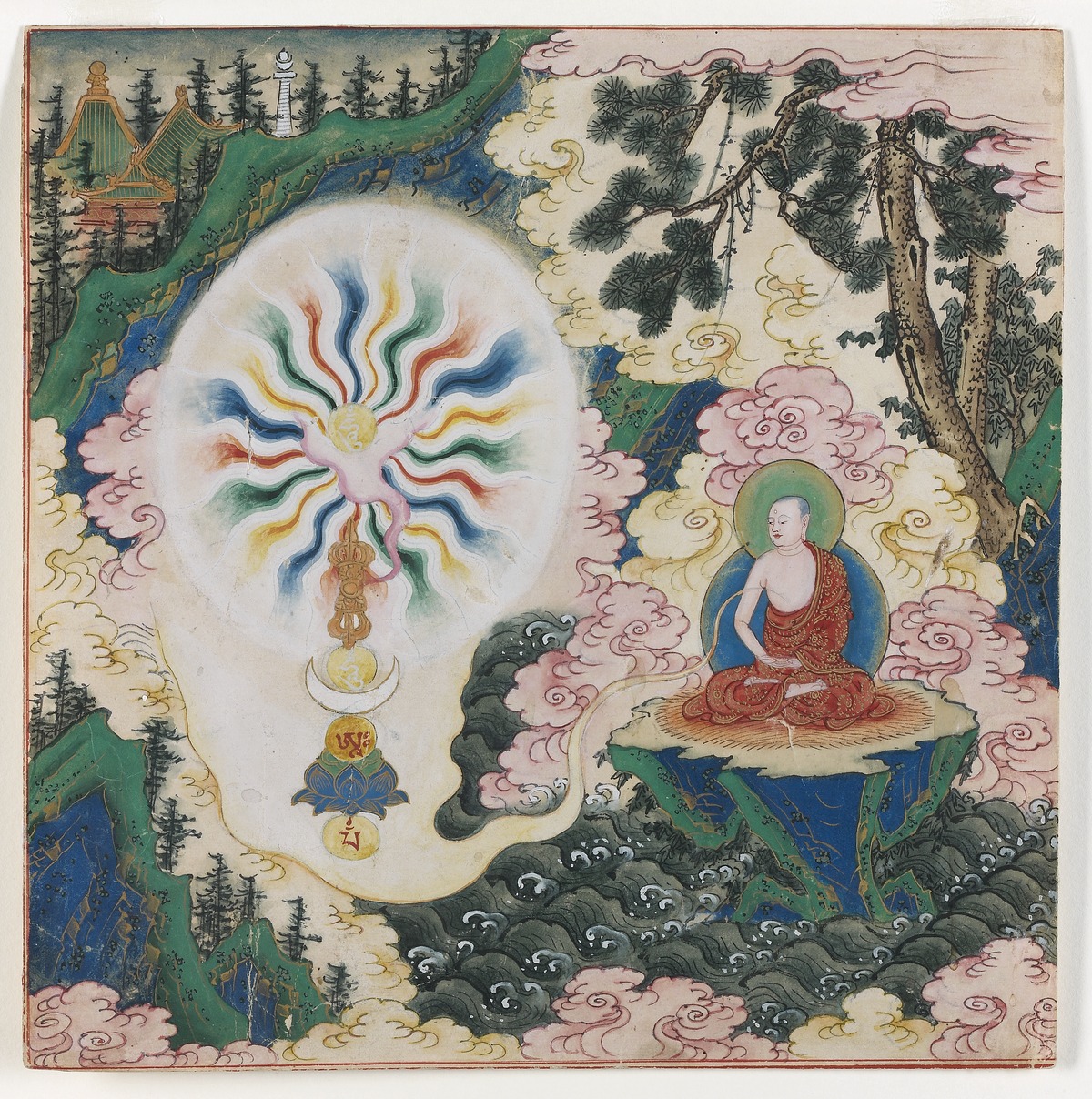 🇮🇳 India and 1 moreDeity yoga
A Vajrayana meditation on embodying a chosen Buddha figure to realize emptinessTradition · Change and initiation · Power and authority Living
🇯🇵 Japan and 5 moreMythic humanoids
Creatures that blend human and animal traits across global folkloreBeing · Wonder and entertainment Legendary
🇵🇭 Philippines and 3 moreMy Way killings
Fatal disputes in the Philippines sparked by singing Frank Sinatra's song at karaoke barsBelief · Cursing and harm Historical
🇮🇳 India and 1 moreDeity yoga
A Vajrayana meditation on embodying a chosen Buddha figure to realize emptinessTradition · Change and initiation · Power and authority Living
🇯🇵 Japan and 5 moreMythic humanoids
Creatures that blend human and animal traits across global folkloreBeing · Wonder and entertainment Legendary
🇵🇭 Philippines and 3 moreMy Way killings
Fatal disputes in the Philippines sparked by singing Frank Sinatra's song at karaoke barsBelief · Cursing and harm Historical
 🇯🇵 JapanDatsue-ba奪衣婆
A Japanese underworld figure who strips clothes from spirits at the river of deathBeing · Cursing and harm Historical
🇯🇵 JapanDatsue-ba奪衣婆
A Japanese underworld figure who strips clothes from spirits at the river of deathBeing · Cursing and harm Historical
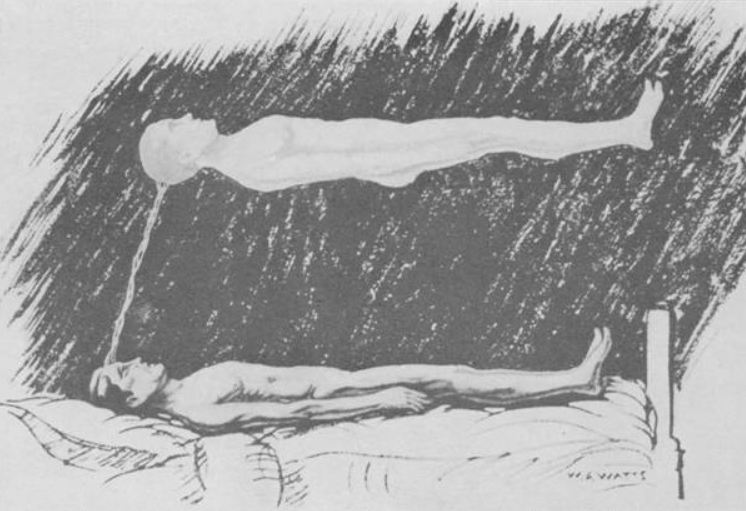 🇮🇳 India and 3 moreAstral projection
An intentional out-of-body experience where consciousness travels through the astral planeTradition · Speaking with spirits and the dead · Change and initiation Living
🇮🇳 India and 3 moreAstral projection
An intentional out-of-body experience where consciousness travels through the astral planeTradition · Speaking with spirits and the dead · Change and initiation Living
 🇯🇵 JapanKabura-ya鏑矢
A Japanese arrow with a whistling tip used in ritual archery and Shinto ritesSubstance · Protection · Speaking with spirits and the dead Living
🇯🇵 JapanKabura-ya鏑矢
A Japanese arrow with a whistling tip used in ritual archery and Shinto ritesSubstance · Protection · Speaking with spirits and the dead Living
 🇯🇵 JapanHannya般若
A Noh theater mask depicting a jealous female spirit or demonessText · Cursing and harm Living
🇯🇵 JapanHannya般若
A Noh theater mask depicting a jealous female spirit or demonessText · Cursing and harm Living
 🇯🇵 JapanBanchō Sarayashiki番町皿屋敷
A Japanese ghost story about a servant who dies unjustly and haunts her murderer by counting plates.Figure · Cursing and harm · Wonder and entertainment Legendary
🇯🇵 JapanBanchō Sarayashiki番町皿屋敷
A Japanese ghost story about a servant who dies unjustly and haunts her murderer by counting plates.Figure · Cursing and harm · Wonder and entertainment Legendary
Photo credits on this page
The small pictures above come from Wikimedia Commons under free licences. Some are cropped to fit.
- Astral projection: Hereward Carrington, Sylvan Muldoon., Public domain, source
- Kabura-ya: urasimaru, CC BY-SA 2.0, source
- Shidaidaka: by Reggaeman, CC BY-SA 3.0, source
- Street performance: Dwight Burdette, CC BY 3.0, source
- Shinigami: 日: Jnn, CC BY 2.1 jp, source
- Datsue-ba: Fred Cherrygarden, CC BY-SA 4.0, source
- Hannya: Daderot, Public domain, source
- Deity yoga: Anonymous Unknown author, CC0, source
- Banchō Sarayashiki: Tsukioka Yoshitoshi, Okiku ,, Public domain, source
- Chain letter: Alpha, CC BY-SA 2.0, source
- Okiagari-koboshi: Unknown author, CC BY-SA 3.0, source
- Cash: User 冷玉 on zh.wikipedia, CC BY-SA 3.0, source
- Auspicious train ticket: SSR2000, CC BY-SA 3.0, source
- Kuzunoha: Print artist: Utagawa Kuniyoshi (歌川国芳) Print artist: Utagawa Hiroshige, Public domain, source
- Three-legged crow: Jinsha Site Museum. Original author: ancient Shu people., Public domain, source
- Hitotsume-nyūdō: Kashiwa Seiho (柏正甫), Public domain, source
- Bake-danuki: Poposhka at English Wikipedia, Public domain, source
The weekly digest
Every Monday: seven entries you may not know, what is on the calendar this week, and one rite drawn step by step.