
Kuzunoha
In its own language: 葛の葉
from Japanese kuzunoha, meaning leaf of arrowroot
A kitsune spirit and mother of the famous onmyōji Abe no Seimei in Japanese folklore
Kuzunoha is a popular kitsune figure from Japanese legend who takes human form to marry a nobleman. She is best known as the mother of the renowned onmyōji Abe no Seimei.
- Name means leaf of arrowroot in Japanese
- Mother of famous onmyōji Abe no Seimei
- Appears as a white fox spirit
- Granted Seimei ability to understand animals
- Featured in kabuki and bunraku plays
What it is
Kuzunoha is a well-known character in Japanese folklore classified as a kitsune, or fox spirit. The name translates directly to leaf of arrowroot. Legend identifies her as the mother of Abe no Seimei, a historical figure celebrated as a powerful onmyōji, or master of yin-yang divination. Her story blends supernatural elements with human family dynamics, portraying a spirit who navigates the boundary between the wild animal world and human society.
Where it comes from
The narrative centers on Abe no Yasuna, a young nobleman traveling to a shrine in Shinoda, Settsu Province. While hunting foxes for their livers, which were used in medicine, he encounters a trapped white fox. Yasuna frees the animal despite sustaining wounds in the process. The fox later appears as Kuzunoha, a beautiful woman who heals him. They marry and have a son named Dōji, who grows up to be the prodigy Seimei.
Kuzunoha, drawn and placed
- Living
- Revived
- Fading
- Historical
- Legendary
- Performed
- Lineage
- Japanese kitsune folklore
Peoples and places
The legend is deeply rooted in Japanese culture, particularly associated with Izumi Province. A shrine dedicated to Kuzunoha Inari stands in Izumi at the site where she is said to have departed. This location preserves a historic pond linked to the tale. The farewell poem she left behind has become a famous piece of Japanese literature, often cited in cultural discussions about spirits and nature.
At a glance: who, where and when
Peoples
Belief worlds
What people believe
Kuzunoha is understood as a kami, or spirit, of the Shinoda Shrine. After revealing her true fox nature when her son glimpses her tail, she returns to the wild. Before leaving, she grants Seimei the gift of understanding animal language. This act underscores the Shinto belief in the interconnectedness of humans, spirits, and the natural world, where animals possess intelligence and spiritual authority.
How scholars and sceptics see it
Folklorists such as Kiyoshi Nozaki have analyzed the legend and its literary components. Academic interest extends to how the character is represented in art and performance. Exhibitions like those at the Metropolitan Museum of Art highlight netsuke carvings depicting Kuzunoha, showing her enduring presence in material culture and artistic tradition beyond just oral storytelling.
Questions people ask about Kuzunoha
Who is Kuzunoha?
Kuzunoha is a kitsune, or fox spirit, in Japanese folklore. She is best known as the mother of the legendary onmyōji Abe no Seimei.
What does her name mean?
Her name, written as 葛の葉, translates to leaf of arrowroot in Japanese.
Why did she leave her husband?
She revealed her true nature when her son saw the tip of her tail. She returned to the wild as a kami of Shinoda Shrine.
Where is she worshipped?
A Kuzunoha Inari shrine exists in Izumi, built at the place where she is said to have departed and left a farewell poem.
Good reading and sources
- Kuzunoha on WikipediaEncyclopedia
- More photos on Wikimedia CommonsPhotos and video
- Wikidata recordOpen data
The facts on this page come from the Wikipedia article "Kuzunoha", written by its contributors and used under the CC BY-SA 4.0 licence, and from its Wikidata record (CC0). EveryJaadu rewrote the text in its own words, with AI assistance, and compares every page with the article to make sure no passage is copied. It may be reused under the same CC BY-SA 4.0 licence with a link back.
It may contain mistakes. Names and customs differ from one community to the next, and some knowledge is closed to outsiders and left out here. This page describes belief and practice. It does not say that any of it works, it is not a how-to, and it is not medical advice. If something is wrong, tell us. Last refreshed 2026-10-07.
More from Japan
All the entries from Japan 🇨🇳 China and 2 moreJiang Ziya姜子牙
A historical strategist and war god who helped establish the Zhou dynastyFigure · Power and authority · Cursing and harm Historical
🇨🇳 China and 2 moreJiang Ziya姜子牙
A historical strategist and war god who helped establish the Zhou dynastyFigure · Power and authority · Cursing and harm Historical
 🇯🇵 Japan and 2 moreTamamo-no-Mae玉藻前
A nine-tailed fox spirit from Japanese legend who possessed emperors and concubines across Asia.Figure · Cursing and harm · Power and authority Legendary
🇯🇵 Japan and 2 moreTamamo-no-Mae玉藻前
A nine-tailed fox spirit from Japanese legend who possessed emperors and concubines across Asia.Figure · Cursing and harm · Power and authority Legendary
 🇯🇵 JapanEn no Gyōja役小角
A legendary Japanese ascetic and founder of Shugendō mountain practiceFigure · Power and authority · Protection Historical
🇯🇵 JapanKamo no Yasunori賀茂 保憲
A Heian-era onmyōji and teacher of Abe no Seimei in Japanese esoteric artsFigure · Seeing and foretelling · Cursing and harm Historical
🇯🇵 JapanEn no Gyōja役小角
A legendary Japanese ascetic and founder of Shugendō mountain practiceFigure · Power and authority · Protection Historical
🇯🇵 JapanKamo no Yasunori賀茂 保憲
A Heian-era onmyōji and teacher of Abe no Seimei in Japanese esoteric artsFigure · Seeing and foretelling · Cursing and harm Historical
Related elsewhere
All figure 🇬🇧 United Kingdom and 2 moreKing ArthurBrenin Arthur
A legendary British king and folk hero of medieval literature and Welsh mythologyFigure · Power and authority · Wonder and entertainment Legendary
🇬🇧 United Kingdom and 2 moreKing ArthurBrenin Arthur
A legendary British king and folk hero of medieval literature and Welsh mythologyFigure · Power and authority · Wonder and entertainment Legendary
 🇪🇬 Egypt and 1 moreSphinx
A mythical hybrid with a human head and lion body, serving as guardian or riddler in Egyptian and Greek traditions.Being · Protection · Wonder and entertainment Legendary
🇪🇬 Egypt and 1 moreSphinx
A mythical hybrid with a human head and lion body, serving as guardian or riddler in Egyptian and Greek traditions.Being · Protection · Wonder and entertainment Legendary
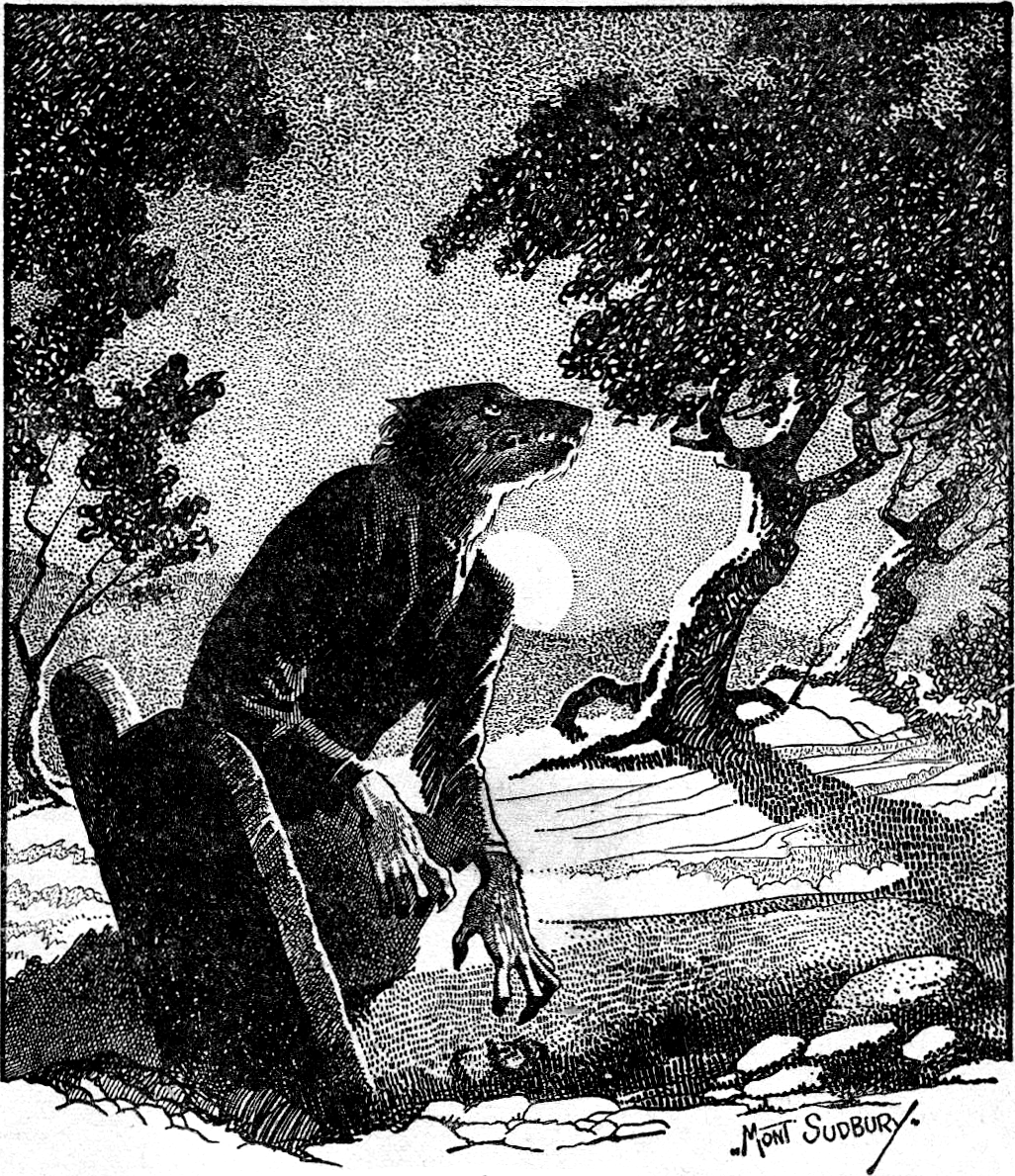 🇫🇷 France and 5 moreWerewolf
A mythical shapeshifter that turns into a wolf, central to European witch-hunts and Gothic horror.Being · Cursing and harm · Wonder and entertainment Legendary
🇫🇷 France and 5 moreWerewolf
A mythical shapeshifter that turns into a wolf, central to European witch-hunts and Gothic horror.Being · Cursing and harm · Wonder and entertainment Legendary
 🇬🇧 United KingdomBeltane Fire Festival
A modern Edinburgh performance celebrating the start of summer with fire and danceRite · Wonder and entertainment · Power and authority Living
🇬🇧 United KingdomBeltane Fire Festival
A modern Edinburgh performance celebrating the start of summer with fire and danceRite · Wonder and entertainment · Power and authority Living