Kyōka Hyaku Monogatari
In its own language: 狂歌百物語
from Japanese kyōka (comic verse) and hyaku monogatari (hundred tales)
An 1853 Japanese picture book pairing yōkai illustrations with humorous kyōka poetry
The Kyōka Hyaku Monogatari is an e-hon published in 1853 that features yōkai monsters alongside kyōka poems. It reflects a shift where feared spirits became subjects of amusement and artistic reference during the Edo period.
- Published in 1853 as an e-hon featuring yōkai and kyōka poetry
- Edited by Tenmei Rōjin with illustrations by Ryūkansai
- Features ninety-six yōkai depicted in colored illustrations
- Koizumi Yakumo translated forty-eight poems into English
- Reflects a shift from fear to amusement in Edo-period folklore
What it is
The Kyōka Hyaku Monogatari is an illustrated e-hon published in 1853 during the late Edo period. It serves as a collection of kyōka, a form of humorous Japanese verse, paired with depictions of yōkai. Unlike earlier ghost stories designed to evoke fear, this work presents supernatural creatures as subjects of amusement. The book functions as both a literary anthology and a visual reference for these mythical beings.
Where it comes from
The work emerged from a period when kyōka was highly popular, particularly following the Tenmei era. It was compiled by Tenmei Rōjin, also known as Honda Jingorō, who edited the text. The illustrations were created by Ryūkansai, or Ryūsai Masazumi. The compilation draws inspiration from Ōta Nanpo’s recitation events, which featured around one hundred yōkai-themed poems, selecting only the finest verses for this volume.
Tools and materials
The text relies on colored illustrations to depict ninety-six different yōkai. These images accompany the kyōka poems, creating a dual experience of visual and poetic engagement. The combination transforms the traditional scary monster into a colorful, humorous character suitable for entertainment rather than dread.
Kyōka Hyaku Monogatari, drawn and placed
- Living
- Revived
- Fading
- Historical
- Legendary
- Performed
- Lineage
- Edo-period e-hon tradition
What it is for
The primary intent is wonder and amusement. By presenting yōkai through comedy, the book shifts their role from terrifying figures in cautionary tales to objects of artistic appreciation. It allows readers to engage with folklore in a lighthearted manner, reflecting a cultural trend where supernatural entities were celebrated rather than feared.
Who does it
The creators were literary figures and artists of the Edo period. Tenmei Rōjin acted as the editor, curating the poems, while Ryūkansai provided the artistic vision. Later, the scholar Koizumi Yakumo engaged with the text by translating forty-eight selected poems into English under the title 'Goblin Poetry,' adding his own illustrative notes.
Peoples and places
The work is distinctly Japanese, rooted in the Edo-period culture of urban entertainment. It reflects the Japanese fascination with yōkai, reinterpreting them through the lens of contemporary humor. This approach differs from earlier solemn ghost traditions, showing how local folklore adapted to changing social tastes and literary trends.
At a glance: who, where and when
Who does it
Peoples
How scholars and sceptics see it
Scholars and translators have studied the text for its literary value. Koizumi Yakumo’s translation highlights the unique blend of verse and imagery. The work is viewed as a significant example of how Edo-period society processed folklore, turning potentially frightening myths into accessible art and comedy for a broad audience.
Compare and confuse
It relates to the Hyakumonogatari Kaidankai tradition but diverges by using comedy instead of horror. While traditional tales aimed to scare, this e-hon uses kyōka to entertain. It stands apart from serious demonology by treating yōkai as playful characters rather than malevolent forces.
Today
The book remains a historical artifact of Edo-period literature. Its legacy persists through translations like Yakumo’s 'Goblin Poetry' and the later publication Yōma Shiwa. It continues to be referenced in studies of Japanese folklore and the evolution of yōkai representation in art.
Questions people ask about Kyōka Hyaku Monogatari
What is the Kyōka Hyaku Monogatari?
It is an 1853 Japanese picture book that pairs humorous kyōka poems with illustrations of yōkai monsters, serving as a comedic reference for supernatural beings.
Who created the book?
The text was edited by Tenmei Rōjin (Honda Jingorō), and the illustrations were drawn by the artist Ryūkansai (Ryūsai Masazumi).
How does it differ from traditional ghost stories?
Unlike tales meant to frighten, this book uses comedy to present yōkai as amusing characters, reflecting a cultural shift toward entertaining folklore during the Edo period.
Good reading and sources
- Kyōka Hyaku Monogatari on WikipediaEncyclopedia
- More photos on Wikimedia CommonsPhotos and video
- Wikidata recordOpen data
The facts on this page come from the Wikipedia article "Kyōka Hyaku Monogatari", written by its contributors and used under the CC BY-SA 4.0 licence, and from its Wikidata record (CC0). EveryJaadu rewrote the text in its own words, with AI assistance, and compares every page with the article to make sure no passage is copied. It may be reused under the same CC BY-SA 4.0 licence with a link back.
It may contain mistakes. Names and customs differ from one community to the next, and some knowledge is closed to outsiders and left out here. This page describes belief and practice. It does not say that any of it works, it is not a how-to, and it is not medical advice. If something is wrong, tell us. Last refreshed 2026-10-07.
More from Japan
All the entries from Japan 🇯🇵 Japan and 1 moreKūkai空海
Founder of Shingon Buddhism who brought Vajrayana esoteric practices from China to Japan.Text · Power and authority · Protection Historical
🇯🇵 Japan and 1 moreKūkai空海
Founder of Shingon Buddhism who brought Vajrayana esoteric practices from China to Japan.Text · Power and authority · Protection Historical
 🇯🇵 JapanGazu Hyakki Yagyō画図百鬼夜行
A 1776 Japanese woodblock book of yōkai illustrations by Toriyama SekienText · Wonder and entertainment Historical
🇫🇷 France and 3 moreBardo Thodolབར་དོ་ཐོས་གྲོལ (bar do thos grol)
A Tibetan Buddhist guide for navigating the intermediate state between death and rebirth.Text Living
🇯🇵 JapanGazu Hyakki Yagyō画図百鬼夜行
A 1776 Japanese woodblock book of yōkai illustrations by Toriyama SekienText · Wonder and entertainment Historical
🇫🇷 France and 3 moreBardo Thodolབར་དོ་ཐོས་གྲོལ (bar do thos grol)
A Tibetan Buddhist guide for navigating the intermediate state between death and rebirth.Text Living
 🇨🇳 China and 2 moreJiang Ziya姜子牙
A historical strategist and war god who helped establish the Zhou dynastyFigure · Power and authority · Cursing and harm Historical
🇨🇳 China and 2 moreJiang Ziya姜子牙
A historical strategist and war god who helped establish the Zhou dynastyFigure · Power and authority · Cursing and harm Historical
Related elsewhere
All text 🇬🇧 United Kingdom and 2 moreKing ArthurBrenin Arthur
A legendary British king and folk hero of medieval literature and Welsh mythologyFigure · Power and authority · Wonder and entertainment Legendary
🇬🇧 United Kingdom and 2 moreKing ArthurBrenin Arthur
A legendary British king and folk hero of medieval literature and Welsh mythologyFigure · Power and authority · Wonder and entertainment Legendary
 🇪🇬 Egypt and 1 moreSphinx
A mythical hybrid with a human head and lion body, serving as guardian or riddler in Egyptian and Greek traditions.Being · Protection · Wonder and entertainment Legendary
🇪🇬 Egypt and 1 moreSphinx
A mythical hybrid with a human head and lion body, serving as guardian or riddler in Egyptian and Greek traditions.Being · Protection · Wonder and entertainment Legendary
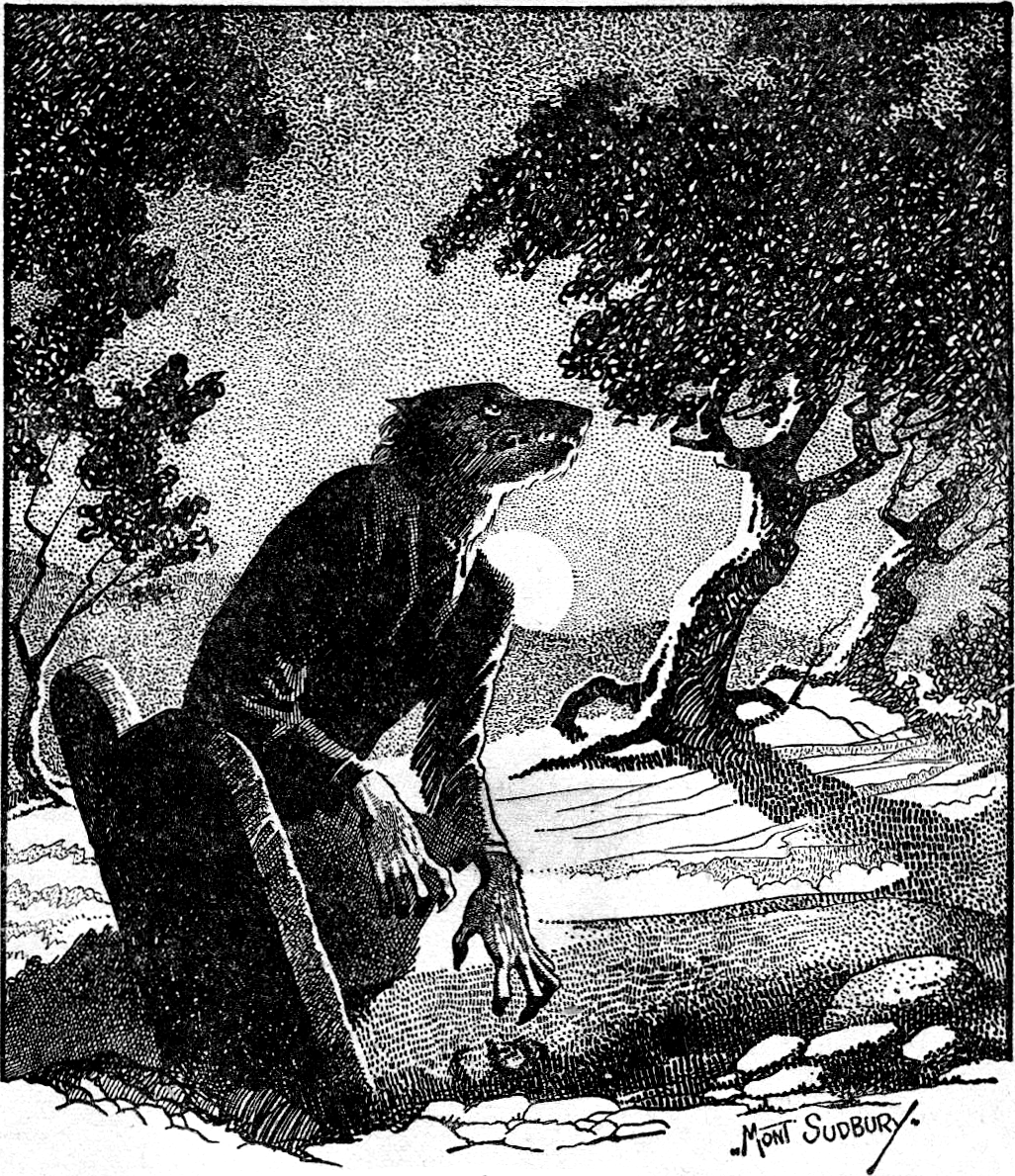 🇫🇷 France and 5 moreWerewolf
A mythical shapeshifter that turns into a wolf, central to European witch-hunts and Gothic horror.Being · Cursing and harm · Wonder and entertainment Legendary
🇫🇷 France and 5 moreWerewolf
A mythical shapeshifter that turns into a wolf, central to European witch-hunts and Gothic horror.Being · Cursing and harm · Wonder and entertainment Legendary
 🇪🇸 Spain and 5 moreSt John's Eve
A Christian vigil marked by bonfires and plant gathering on the summer solstice eveRite · Protection · Speaking with spirits and the dead Living
🇪🇸 Spain and 5 moreSt John's Eve
A Christian vigil marked by bonfires and plant gathering on the summer solstice eveRite · Protection · Speaking with spirits and the dead Living