Azukibabaa
In its own language: あずきばばあ
from azuki (red bean) and babaa (old woman)
A Japanese yōkai that mimics the sound of red beans to lure or frighten people
Azukibabaa is a yōkai from Japan known for producing sounds like stirring or washing azuki beans. It appears as an old woman in various regions, using these noises to threaten children or trap unsuspecting travelers.
- Name means bean old woman in Japanese
- Mimics sound of stirring red beans
- Appears as old woman in white
- Used to scare disobedient children
- Found in many Japanese prefectures
What it is
Azukibabaa is a creature classified as a yōkai within Japanese folklore. The name translates directly to 'bean old woman.' This entity is characterized by its ability to mimic the auditory experience of preparing azuki beans. Listeners hear rhythmic thumping or sloshing noises similar to stirring or washing red beans in water. The figure typically manifests as an elderly woman. She may appear near streams, trees, or abandoned structures. Her presence is often linked to specific regional legends across multiple prefectures.
Where it comes from
The legend originates in Miyagi Prefecture but has spread to other areas including Saitama, Gunma, Tokyo, Yamanashi, and Kanagawa. Regional variations exist in how the creature is described. Some accounts link her to mujina or itachi spirits. Others suggest she is a kitsune in disguise. The core element remains the deceptive sound of beans. Local communities used the story to explain unexplained noises in nature.
How it is done
The creature produces sounds resembling the preparation of azuki beans. In some tales, she sings questions about washing or eating the beans. If a traveler responds or shows confusion, she may capture them. One version describes her scooping people into a tree with a large basket. Another account mentions swallowing passersby. She often disappears into mist or water after appearing at dawn or dusk.
Tools and materials
The primary tool is the azuki bean itself. The sound of beans being stirred in a pot or washed in water is central to the myth. A large basket is used in some versions to trap victims. The old woman wears white clothing. These items help create the illusion of domestic activity in wild places.
Azukibabaa, drawn and placed
- Living
- Revived
- Fading
- Historical
- Legendary
- Performed
- Lineage
- yōkai tradition
- Timing
- at night, dusk, rainy evenings
What it is for
Parents used Azukibabaa stories to discipline children. The monster was described as a threat to disobedient youth. She would attack those who wandered alone at night. The legend served as a warning against straying from safe paths. It also explained mysterious sounds heard in swamps or near castles.
Who does it
No specific practitioners perform rituals for this being. She is a subject of local lore and storytelling. Scholars like Kenji Murakami have studied her connections to other yōkai such as Tsurube-otoshi. The tales are passed down through oral tradition rather than formal instruction.
Peoples and places
The legend is found throughout Japan. In Miyagi, she is called Azukiarai Old Woman. In Saitama and Kanagawa, she is the bean smasher or polisher. Gunma tales place her near Takasaki Castle. Tokyo stories mention her in Ōme. Yamanashi variants involve trees near shrines. Each region adds local details to the core bean motif.
At a glance: who, where and when
Peoples
What people believe
Yōkai are supernatural beings in Japanese culture. They inhabit natural spaces and interact with humans. Azukibabaa represents the danger of the unknown. Her bean sounds mask her true intent. Some believe she is a shapeshifter. The legend reflects fears of isolation and deception in rural settings.
When it is done
She appears at night, dusk, or on rainy evenings. Autumn moonlight is mentioned in one account. Dawn is another time of visibility before she vanishes. There are no fixed festivals associated with her. The timing aligns with periods when people might be traveling alone.
How scholars and sceptics see it
Folklorists analyze Azukibabaa as part of the broader yōkai classification. Kenji Murakami connects her to Tsurube-otoshi due to similar trapping methods. Researchers view these stories as cultural tools for social control. The bean sound motif links to agricultural life. The tales preserve regional identities within Japan.
Cautions and what is closed
The legend warns against wandering alone at night. Children were told to avoid streams and forests. The creature uses deception to harm victims. No physical evidence exists. The stories serve as cautionary tales rather than records of actual events.
Compare and confuse
Azukibabaa shares traits with other bean-related myths. Tsurube-otoshi also traps people in trees. The sound motif resembles other auditory yōkai. Different regions use the same base story with varied outcomes. The name changes reflect local dialects.
Questions people ask about Azukibabaa
What is Azukibabaa?
Azukibabaa is a Japanese yōkai known as the bean old woman. She mimics the sound of washing or stirring azuki beans to deceive people.
Where does the legend come from?
The legend originates in Miyagi Prefecture but appears in many regions including Saitama, Gunma, Tokyo, and Kanagawa with local variations.
What does Azukibabaa do?
She produces bean sounds to lure travelers. In some tales, she captures confused people with a basket or swallows them whole.
Why do parents tell this story?
Parents used the tale to warn children. They claimed the bean hag would attack disobedient kids who wandered alone at night.
Good reading and sources
The facts on this page come from the Wikipedia article "Azukibabaa", written by its contributors and used under the CC BY-SA 4.0 licence, and from its Wikidata record (CC0). EveryJaadu rewrote the text in its own words, with AI assistance, and compares every page with the article to make sure no passage is copied. It may be reused under the same CC BY-SA 4.0 licence with a link back.
It may contain mistakes. Names and customs differ from one community to the next, and some knowledge is closed to outsiders and left out here. This page describes belief and practice. It does not say that any of it works, it is not a how-to, and it is not medical advice. If something is wrong, tell us. Last refreshed 2026-10-07.
More from Japan
All the entries from Japan 🇨🇳 China and 3 moreChinese dragon龍
A legendary water deity and imperial symbol in East Asian cultureBeing · Protection · Luck and prosperity Historical
🇨🇳 China and 3 moreChinese dragon龍
A legendary water deity and imperial symbol in East Asian cultureBeing · Protection · Luck and prosperity Historical
 🇯🇵 JapanOni鬼(おに)
A horned demon of Japanese folklore known for strength and evil deedsBeing · Cursing and harm · Luck and prosperity Legendary
🇯🇵 JapanOni鬼(おに)
A horned demon of Japanese folklore known for strength and evil deedsBeing · Cursing and harm · Luck and prosperity Legendary
 🇯🇵 JapanBaku獏
A Japanese spirit said to eat bad dreams and protect sleepersBeing · Protection Living
🇯🇵 JapanKuda-gitsune管狐 (kuda-gitsune)
A small spirit kept in a tube or sleeve to aid fortune-telling and cursing in Japanese folklore.Being · Seeing and foretelling · Cursing and harm Legendary
🇯🇵 JapanBaku獏
A Japanese spirit said to eat bad dreams and protect sleepersBeing · Protection Living
🇯🇵 JapanKuda-gitsune管狐 (kuda-gitsune)
A small spirit kept in a tube or sleeve to aid fortune-telling and cursing in Japanese folklore.Being · Seeing and foretelling · Cursing and harm Legendary
Related elsewhere
All being 🇷🇸 Serbia and 5 moreVampire
An undead creature from folklore that feeds on the blood or life force of the livingBeing · Cursing and harm · Luck and prosperity Legendary
🇷🇸 Serbia and 5 moreVampire
An undead creature from folklore that feeds on the blood or life force of the livingBeing · Cursing and harm · Luck and prosperity Legendary
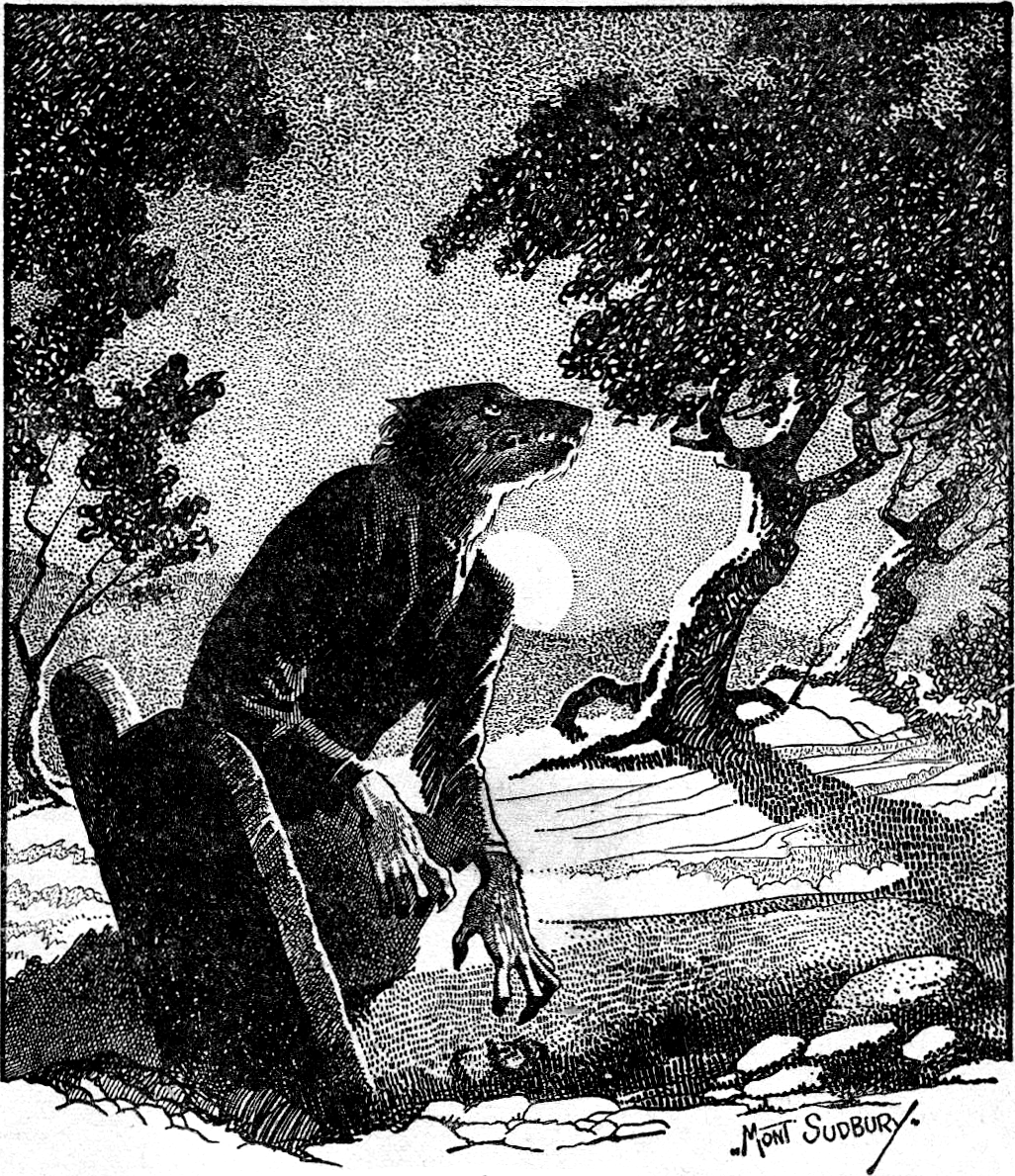 🇫🇷 France and 5 moreWerewolf
A mythical shapeshifter that turns into a wolf, central to European witch-hunts and Gothic horror.Being · Cursing and harm · Wonder and entertainment Legendary
🇫🇷 France and 5 moreWerewolf
A mythical shapeshifter that turns into a wolf, central to European witch-hunts and Gothic horror.Being · Cursing and harm · Wonder and entertainment Legendary
 🇪🇬 Egypt and 1 moreLilithלִילִית
A feminine figure from Mesopotamian and Jewish mythology, often depicted as a night demon or spirit.Being · Cursing and harm Legendary
🇪🇬 Egypt and 1 moreLilithלִילִית
A feminine figure from Mesopotamian and Jewish mythology, often depicted as a night demon or spirit.Being · Cursing and harm Legendary
 🇪🇬 EgyptCurse
A spoken wish for misfortune to befall a person or placeBelief · Cursing and harm · Luck and prosperity Historical
🇪🇬 EgyptCurse
A spoken wish for misfortune to befall a person or placeBelief · Cursing and harm · Luck and prosperity Historical