Daigensuihō
In its own language: 大元帥法
from Japanese characters meaning Great Marshal Rite
An Esoteric Shingon Buddhist rite for military defense and cursing enemies
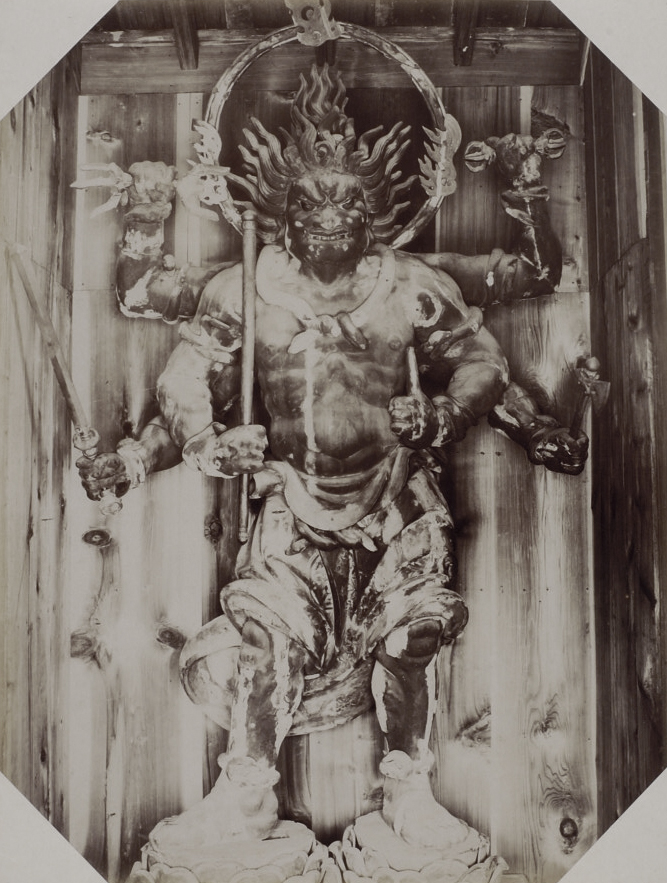
The Daigensuihō is a major ritual in Esoteric Shingon Buddhism focused on the deity Āṭavaka. Originating in ninth-century Japan, it was historically performed by the imperial court to seek victory in war or curse opposing nations.
- Introduced to Japan in 839 by monk Jōgyō
- Performed exclusively by the Imperial Court
- Used to curse enemies during wartime
- Final performance during the Pacific War
- Discontinued after the Meiji Restoration
What it is
The Daigensuihō is one of the great rites within Esoteric Shingon Buddhism. It centers on the deity Āṭavaka, who serves as the honzon, or primary object of veneration. The practice functions as a military rite, designed to protect the state from invasion and to bring about the defeat of enemy forces through ritualized means.
Where it comes from
The ritual was introduced to the Japanese Imperial Court in 839 by the monk Jōgyō, a disciple of Kūkai. It became part of the systematic adoption of Tang esoteric practices. In 851, the Daijō-kan ordered its annual performance, formally establishing the rite. Jōgyō promoted this specific practice over the competing Rite of Prajvalushnisha advocated by Ennin of the Tendai sect.
How it is done
The ceremony was conducted annually between the eighth and seventeenth days following the New Year. It took place at facilities managed by the Ministry of the Imperial Household. Equipment was sourced from Akishino-dera in Yamato Province. The ritual required the presence of the Emperor and was strictly forbidden for court aristocrats to perform independently.
Tools and materials
The central tool is an image of the deity Āṛavaka. This statue served as the focal point for the invocation. Historical records note that a standing image of Āṭavaka was produced at Gumyō-ji in Yokohama in 1904 specifically for use in this rite during times of conflict.
Daigensuihō, drawn and placed
- Living
- Revived
- Fading
- Historical
- Legendary
- Performed
- Lineage
- Esoteric Shingon Buddhism
- Timing
- annually after New Year; during wartime
What it is for
The rite was originally formulated for defense against foreign invasion and the capitulation of enemy nations. It was intended to secure military victory and national safety. Later iterations included invocations specifically targeting Allied powers during the Pacific War, reflecting its role as a mechanism for cursing adversaries.
Who does it
Only the Emperor was permitted to authorize and witness the Daigensuihō. The ritual was not available to the general public or lower-ranking officials. Violation of this exclusivity resulted in severe punishment, such as banishment, as seen in the case of Interior Minister Fujiwara no Korechika in 995.
Peoples and places
The practice is deeply rooted in Japanese history and imperial tradition. It was maintained by the Imperial Court and later revived during the Edo period at the palace in Kyoto. The rite remained active until the Meiji Restoration, serving as a state-sanctioned spiritual tool for military affairs.
At a glance: who, where and when
Who does it
Peoples
Belief worlds
Occasions
What people believe
The ritual operates within the framework of Esoteric Shingon Buddhism. It relies on the power of Āṭavaka to influence worldly events, specifically warfare. The connection between the title Grand Marshal and the rite's name suggests a belief in the divine authority of the Emperor to command both spiritual and military forces.
When it is done
The standard performance occurred annually in early January, spanning eight to seventeen days after the New Year. Additional performances were scheduled during periods of war, such as the Russo-Japanese War and the Pacific War, to invoke victory or curse enemies.
How scholars and sceptics see it
Scholars note the political implications of the rite, particularly its restriction to the Emperor. The conflict between Jōgyō and Ennin highlights sectarian competition within Japanese Buddhism. Historians also observe the revival of the rite under Oda Nobunaga and its final use by the Imperial Japanese Army.
Cautions and what is closed
The ritual was strictly controlled by the state. Unauthorized performance led to exile or loss of status. The rite's association with military curses and wartime propaganda marks it as a tool of state power rather than personal spiritual practice.
Compare and confuse
The Daigensuihō is often compared to other esoteric rites like the Rite of Prajvalushnisha. While both serve defensive purposes, they represent different sectarian approaches within Japanese Buddhism. The rite shares thematic elements with other military curses found in East Asian traditions.
Law and persecution
The ritual was officially sanctioned by the Imperial Court and later the government. Its performance was regulated by law, with strict penalties for unauthorized use. The rite was discontinued after the Meiji Restoration, ending its official status in Japanese society.
Questions people ask about Daigensuihō
What is the Daigensuihō?
It is a major ritual in Esoteric Shingon Buddhism centered on the deity Āṭavaka. It functions as a military rite for defense and cursing enemies.
Where did the ritual originate?
It originated in ninth-century Japan, introduced by the monk Jōgyō. It was formally established in 851 by order of the Daijō-kan.
Who could perform the Daigensuihō?
Only the Emperor was allowed to perform or witness the rite. Court aristocrats were forbidden from conducting it themselves.
When was the ritual performed?
It was held annually after the New Year. Additional sessions occurred during wars, such as the Russo-Japanese War and the Pacific War.
Good reading and sources
The facts on this page come from the Wikipedia article "Daigensuihō", written by its contributors and used under the CC BY-SA 4.0 licence, and from its Wikidata record (CC0). EveryJaadu rewrote the text in its own words, with AI assistance, and compares every page with the article to make sure no passage is copied. It may be reused under the same CC BY-SA 4.0 licence with a link back.
It may contain mistakes. Names and customs differ from one community to the next, and some knowledge is closed to outsiders and left out here. This page describes belief and practice. It does not say that any of it works, it is not a how-to, and it is not medical advice. If something is wrong, tell us. Last refreshed 2026-10-06.
More from Japan
All the entries from Japan 🇯🇵 Japan and 1 moreMisogi禊
A Shinto rite of full-body purification using cold waterRite · Cleansing and purification · Speaking with spirits and the dead Living
🇯🇵 Japan and 1 moreMisogi禊
A Shinto rite of full-body purification using cold waterRite · Cleansing and purification · Speaking with spirits and the dead Living
 🇯🇵 JapanSetsubun節分
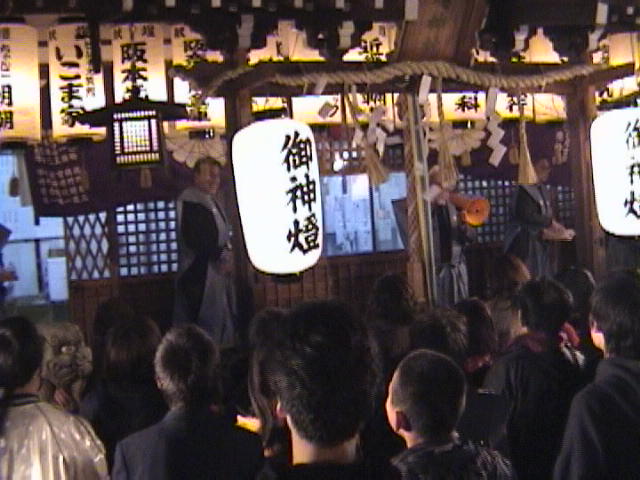
A Japanese seasonal rite to drive away bad luck and welcome spring with roasted beansRite · Protection · Luck and prosperity Living
🇯🇵 JapanSetsubun節分
A Japanese seasonal rite to drive away bad luck and welcome spring with roasted beansRite · Protection · Luck and prosperity Living
 🇯🇵 JapanHyakumonogatari Kaidankai百物語怪談会
An Edo period Japanese parlour game where ghost stories extinguish candles one by oneRite · Cursing and harm · Wonder and entertainment Historical
🇯🇵 JapanHyakumonogatari Kaidankai百物語怪談会
An Edo period Japanese parlour game where ghost stories extinguish candles one by oneRite · Cursing and harm · Wonder and entertainment Historical
Related elsewhere
All rite 🇫🇷 FranceLady of the LakeDame du Lac
A water spirit who raises knights and captures wizards in Arthurian talesFigure · Protection · Cursing and harm Legendary
🇫🇷 FranceLady of the LakeDame du Lac
A water spirit who raises knights and captures wizards in Arthurian talesFigure · Protection · Cursing and harm Legendary
 🇮🇩 Indonesia and 2 moreDukun
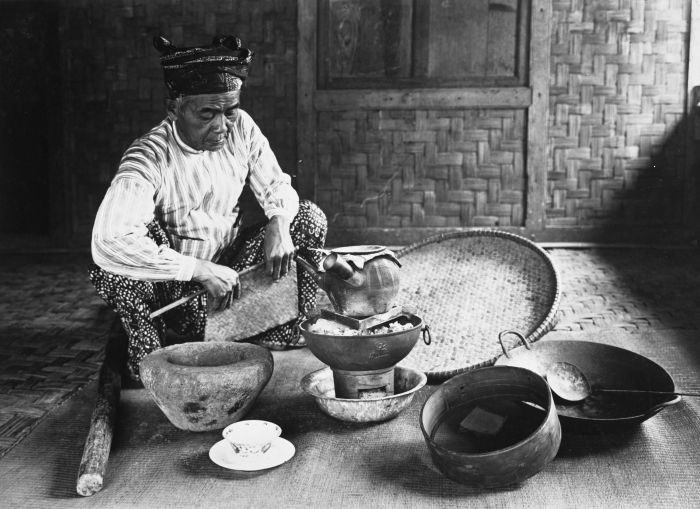
A traditional healer and spirit medium in Indonesian folk practiceTradition · Healing · Seeing and foretelling Living
🇬🇧 United KingdomGlaistig
A Scottish shape-shifting spirit linked to cattle, deer, and haunted castles.Being · Protection · Cursing and harm Legendary
🇮🇩 Indonesia and 2 moreDukun
A traditional healer and spirit medium in Indonesian folk practiceTradition · Healing · Seeing and foretelling Living
🇬🇧 United KingdomGlaistig
A Scottish shape-shifting spirit linked to cattle, deer, and haunted castles.Being · Protection · Cursing and harm Legendary
 🇺🇸 United States and 2 moreLouisiana Voodoo
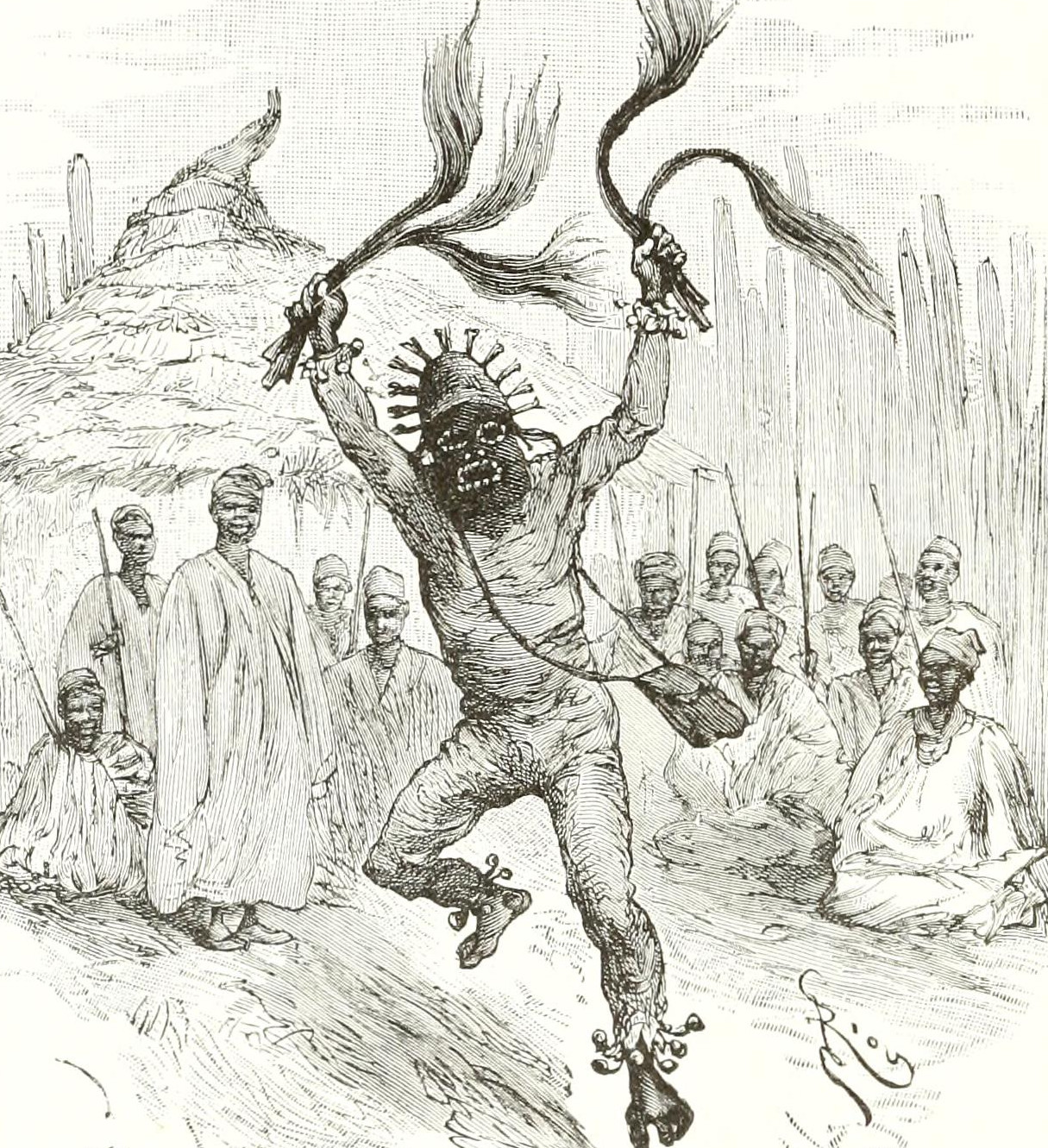
An African diasporic religion practiced in Louisiana from the 18th to early 20th centuriesTradition · Healing · Protection Historical
🇺🇸 United States and 2 moreLouisiana Voodoo
An African diasporic religion practiced in Louisiana from the 18th to early 20th centuriesTradition · Healing · Protection Historical