Ōnyūdō
In its own language: 大僧正
from Japanese ōnyūdō, meaning "big monk"
A giant monk spirit in Japanese folklore, ranging from helpful helpers to menacing shadows.
The ōnyūdō is a yōkai, or supernatural creature, from Japanese folklore. The name means "big monk," and they are often depicted as towering figures resembling Buddhist monks. Some legends say they bring illness, while others describe them as animals in disguise or spirits that help people with tasks like hulling rice.
- Name means "big monk" in Japanese
- Size ranges from 2 meters to mountain-sized
- Some legends say they are foxes or tanuki in disguise
- Festival float in Yokkaichi is a Tangible Folk Cultural Property
- Date Masamune shot an arrow at one that turned into an otter
What it is
The ōnyūdō is a type of yōkai, a supernatural creature found in Japanese folklore. The name translates to "big monk." These beings vary greatly in appearance and size. Some are described as vague shadows, while others resemble giant Buddhist monks. Their height can range from about two meters to giants as large as mountains. In some regions, they are called ōbōzu. Legends portray them in different ways. Some are seen as menacing figures that cause illness. Others are believed to be foxes, tanuki, or stone pagodas that have transformed into living beings. In many stories, their true identity remains unknown.
Where it comes from
The origins of the ōnyūdō are rooted in Japanese folklore and regional legends. Stories date back to various periods, including the Kaei era and the Edo period. Some tales suggest they are human spirits, such as conscripts who died unnaturally. Others claim they are animals like weasels or otters that transform into monk-like figures. The variety of accounts makes it difficult to pinpoint a single origin. Instead, the concept evolved through oral traditions across different parts of Japan. Some legends link them to mountain gods or natural phenomena, such as the Brocken spectre seen at hot springs.
How it is done
Encounters with ōnyūdō are described in legends rather than as rituals. In some stories, people leave offerings like rice in water wheels to attract helpful ōnyūdō that will hull the grain. However, watching this process is said to provoke the creature. Other encounters involve fleeing from menacing figures or confronting them with objects like arrows or mechanical dolls. Another story describes a feudal lord shooting an arrow at a creature that turned out to be an otter. These accounts are narrative events, not prescribed methods for interaction.
Tools and materials
Tools mentioned in ōnyūdō legends include simple agricultural items and weapons. Rice is left as an offering to summon helpful spirits. Torches are used to light up fields where ōnyūdō appear. Arrows are employed by figures like Date Masamune to confront or drive away creatures. In festival contexts, mechanical dolls with extendable necks and moving eyes are built to represent ōnyūdō. These dolls are used in parades and festivals, serving as cultural symbols rather than magical tools.
Ōnyūdō, drawn and placed
- Living
- Revived
- Fading
- Historical
- Legendary
- Performed
- Lineage
- yōkai
What it is for
Ōnyūdō serve various roles in folklore. Some are feared as sources of harm, causing illness or death when encountered. Others are viewed as helpful entities that assist with labor, such as processing rice. In some cases, they act as warnings from mountain gods against killing animals. Festival floats depicting ōnyūdō celebrate local history and legend, turning scary stories into community events. The purpose of these creatures varies by region and story, reflecting both fear and appreciation for the supernatural.
Who does it
There are no specific practitioners of ōnyūdō magic. They are subjects of folklore studied by scholars and remembered by communities. Local historians and writers have recorded these legends in books and miscellanies. Festivals in places like Yokkaichi feature ōnyūdō floats, maintained by local parishioners and artisans. These groups preserve the cultural memory of the creatures through craft and celebration, rather than through ritual practice.
Peoples and places
The ōnyūdō is a figure in Japanese folklore, with stories originating from various regions. Accounts come from Hokkaido, Tokyo, Awa Province, Iwate Prefecture, Miyagi Prefecture, Toyama Prefecture, Ehime Prefecture, Shiga Prefecture, Hyōgo Prefecture, and Kumamoto Prefecture. Each region has its own version of the legend. Some stories involve Ainu villages, while others focus on samurai or merchants. The diversity of tales shows how the concept adapted to local environments and histories.
At a glance: who, where and when
Peoples
Belief worlds
What people believe
Beliefs about ōnyūdō are part of Japanese folk religion and shinto-taoist traditions. They are seen as yōkai, supernatural beings that exist alongside humans. Some are thought to be transformed animals or spirits of the dead. Others are linked to natural forces, such as mountain gods. The belief in their power to cause illness or provide help reflects a worldview where the natural and supernatural worlds intersect. These stories serve to explain unexplained events and reinforce social norms, such as respecting nature or avoiding certain behaviors.
When it is done
Ōnyūdō are not tied to specific calendar days or festivals in most legends. However, some stories occur during particular seasons or times, such as autumn nights or winter mornings. The Yokkaichi Festival, held in October, features ōnyūdō floats, connecting the creature to annual community celebrations. This festival is a modern expression of older legends, transforming scary tales into public entertainment and cultural heritage.
How scholars and sceptics see it
Scholars study ōnyūdō as part of Japanese folklore and yōkai studies. Writers and researchers have compiled these legends in books and dictionaries. Some suggest that sightings may be explained by natural phenomena, such as optical illusions or animal behavior. Anthropologists view these stories as reflections of cultural values and fears. The variety of accounts helps historians understand regional differences and the evolution of myth over time.
Cautions and what is closed
In legends, encountering an ōnyūdō can be dangerous. Some are said to cause illness or death if stared at or approached. People are advised to flee from menacing figures or avoid watching their actions. In some stories, ignoring warnings leads to tragic outcomes. These cautionary tales serve to protect communities from perceived dangers, whether real or imagined. Modern interpretations treat these stories as folklore, but they highlight the respect for unseen forces in traditional beliefs.
Compare and confuse
The ōnyūdō is similar to other yōkai that take human or animal forms. It shares traits with kitsune (foxes) and tanuki (raccoon dogs), which are also known for transformation. Unlike some demons, ōnyūdō are not always evil; they can be helpful or neutral. The term ōbōzu is used interchangeably in some regions. Comparisons to Western giants or monks are sometimes made, but the ōnyūdō is distinct in its Japanese cultural context.
Questions people ask about Ōnyūdō
What is an ōnyūdō?
An ōnyūdō is a yōkai, or supernatural creature, from Japanese folklore. The name means "big monk," and they are often depicted as giant figures resembling Buddhist monks. They appear in various regional legends with different roles and appearances.
Are ōnyūdō always harmful?
No, not always. While some legends portray them as menacing figures that cause illness, others describe them as helpful spirits. For example, some stories say they will hull rice if offered some, though watching them work is said to provoke them.
Where do ōnyūdō come from?
They come from Japanese folklore, with stories originating from various regions across Japan. Legends date back to different historical periods, including the Edo era. Some tales suggest they are transformed animals, human spirits, or natural phenomena.
How big are ōnyūdō?
Their size varies widely in legends. Some are described as being about two meters tall, while others are giants as large as mountains. Specific accounts mention heights ranging from four meters to eighteen meters depending on the story.
Is there a festival for ōnyūdō?
Yes, the Yokkaichi Festival in Mie Prefecture features a float depicting an ōnyūdō. The float is a designated Tangible Folk Cultural Property and includes a mechanical doll with an extendable neck. It celebrates local legends and history.
Good reading and sources
- Ōnyūdō on WikipediaEncyclopedia
- More photos on Wikimedia CommonsPhotos and video
- Wikidata recordOpen data
The facts on this page come from the Wikipedia article "Ōnyūdō", written by its contributors and used under the CC BY-SA 4.0 licence, and from its Wikidata record (CC0). EveryJaadu rewrote the text in its own words, with AI assistance, and compares every page with the article to make sure no passage is copied. It may be reused under the same CC BY-SA 4.0 licence with a link back.
It may contain mistakes. Names and customs differ from one community to the next, and some knowledge is closed to outsiders and left out here. This page describes belief and practice. It does not say that any of it works, it is not a how-to, and it is not medical advice. If something is wrong, tell us. Last refreshed 2026-10-07.
More from Japan
All the entries from Japan 🇨🇳 China and 3 moreChinese dragon龍
A legendary water deity and imperial symbol in East Asian cultureBeing · Protection · Luck and prosperity Historical
🇨🇳 China and 3 moreChinese dragon龍
A legendary water deity and imperial symbol in East Asian cultureBeing · Protection · Luck and prosperity Historical
 🇯🇵 JapanOni鬼(おに)
A horned demon of Japanese folklore known for strength and evil deedsBeing · Cursing and harm · Luck and prosperity Legendary
🇯🇵 JapanOni鬼(おに)
A horned demon of Japanese folklore known for strength and evil deedsBeing · Cursing and harm · Luck and prosperity Legendary
 🇯🇵 JapanBaku獏
A Japanese spirit said to eat bad dreams and protect sleepersBeing · Protection Living
🇯🇵 JapanKuda-gitsune管狐 (kuda-gitsune)
A small spirit kept in a tube or sleeve to aid fortune-telling and cursing in Japanese folklore.Being · Seeing and foretelling · Cursing and harm Legendary
🇯🇵 JapanBaku獏
A Japanese spirit said to eat bad dreams and protect sleepersBeing · Protection Living
🇯🇵 JapanKuda-gitsune管狐 (kuda-gitsune)
A small spirit kept in a tube or sleeve to aid fortune-telling and cursing in Japanese folklore.Being · Seeing and foretelling · Cursing and harm Legendary
Related elsewhere
All being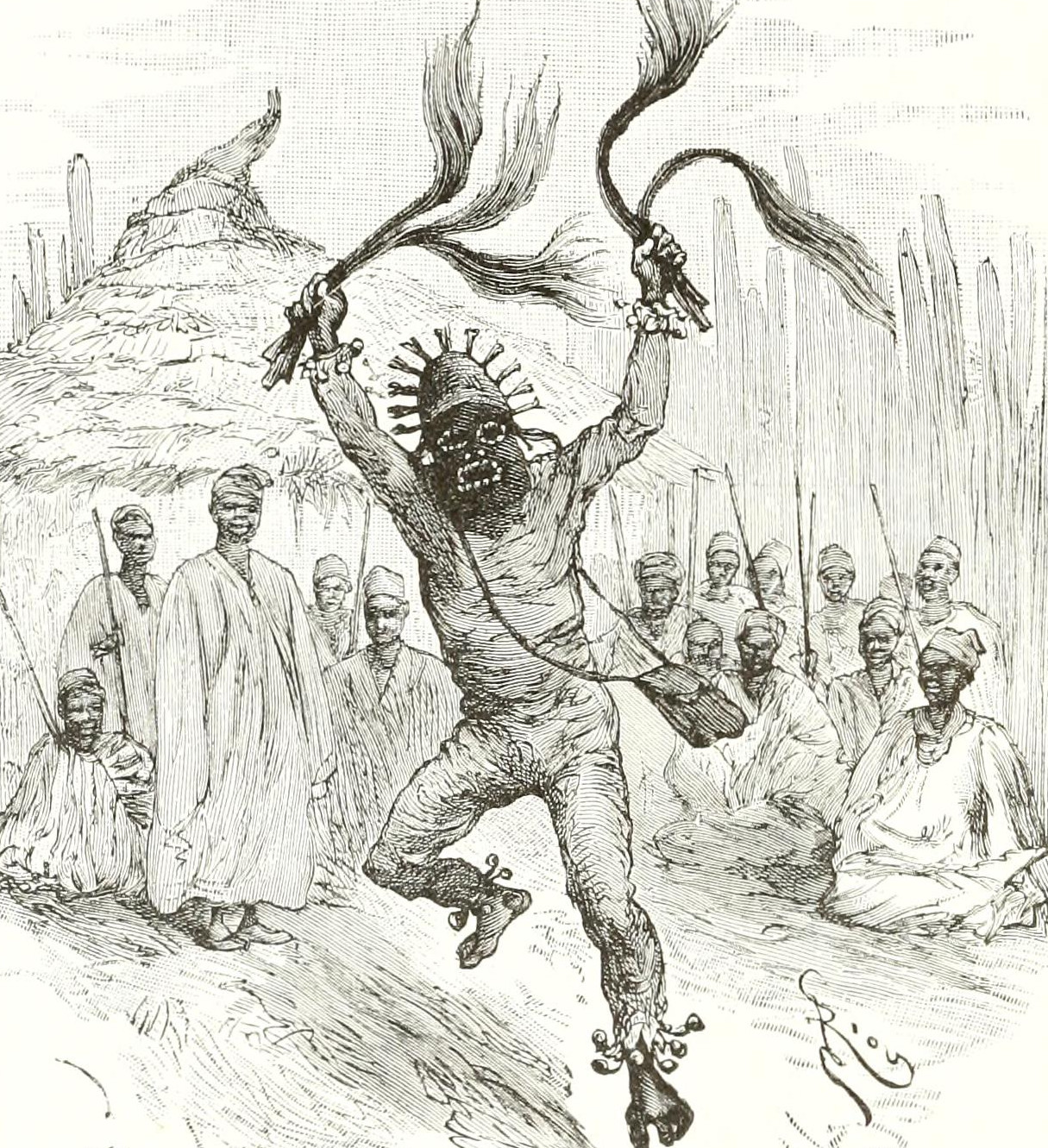 🇺🇸 United States and 2 moreLouisiana Voodoo
An African diasporic religion practiced in Louisiana from the 18th to early 20th centuriesTradition · Healing · Protection Historical
🇺🇸 United States and 2 moreLouisiana Voodoo
An African diasporic religion practiced in Louisiana from the 18th to early 20th centuriesTradition · Healing · Protection Historical
 🇨🇬 Republic of the CongoNkisi
Spirit containers and power figures from the Congo Basin used for justice and healingCharm · Protection · Healing Living
🇨🇬 Republic of the CongoNkisi
Spirit containers and power figures from the Congo Basin used for justice and healingCharm · Protection · Healing Living
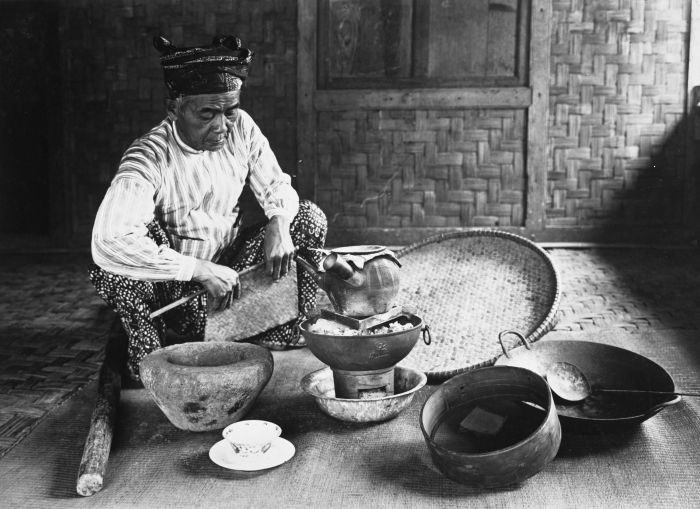 🇮🇩 Indonesia and 2 moreDukun
A traditional healer and spirit medium in Indonesian folk practiceTradition · Healing · Seeing and foretelling Living
🇲🇾 Malaysia and 1 moreBomohبوموه
A Malay shaman and traditional healer who works with spirits, herbs, and geomancy.Tradition · Healing · Seeing and foretelling Living
🇮🇩 Indonesia and 2 moreDukun
A traditional healer and spirit medium in Indonesian folk practiceTradition · Healing · Seeing and foretelling Living
🇲🇾 Malaysia and 1 moreBomohبوموه
A Malay shaman and traditional healer who works with spirits, herbs, and geomancy.Tradition · Healing · Seeing and foretelling Living