
Shinigami
In its own language: 死神
from Japanese shi (death) and kami (god or spirit)
A Japanese spirit or deity associated with inviting humans toward death
Shinigami are spirits in Japanese culture and Shintoism that are believed to invite people toward death. The concept has evolved from Buddhist demons and Shinto figures to modern fictional entities like the shinigami Ryuk.
- The term appears in Edo-period plays about double suicide
- Chikamatsu Monzaemon used the word in 1706
- Folk beliefs link them to suicide possession
- Western death god concepts influenced postwar views
- Popularized globally by anime and manga series
What it is
Shinigami are beings in Japanese culture linked to death. In Shinto and Buddhist contexts, they are sometimes seen as kami, monsters, or helpers that guide humans toward their end. The term covers a wide range of entities, from deities to malevolent spirits. They appear in religious texts, classical literature, and folk tales. Modern pop culture has reshaped them into distinct characters, often detached from traditional religious frameworks.
Where it comes from
The word shinigami appears rarely in early Japanese literature. It gained traction during the Edo period in works about double suicides. Chikamatsu Monzaemon used the term in ningyō jōruri plays around 1706. Later, it appeared in essays describing possession. The concept was influenced by Buddhist ideas of demons like Mara and Yama. Western notions of a death god entered Japan after World War II, changing how shinigami were perceived as having human-like traits.
Shinigami, drawn and placed
- Living
- Revived
- Fading
- Historical
- Legendary
- Performed
- Lineage
- Shinto and Japanese mythology
What it is for
Shinigami are primarily associated with harm and death. Folk beliefs suggest they possess individuals to commit suicide or lead them to places where others have died. In some traditions, they are invoked during crises or when people feel overwhelmed by grief. They are not typically worshipped for protection but are feared as agents of death. Their purpose is to invite humans toward the world of the dead, often through possession or psychological influence.
Peoples and places
The belief in shinigami is rooted in Japanese culture. It draws from Shinto, Buddhism, and local folk religions. Different regions have unique stories, such as those in Miyajima, Hamamatsu, and Okayama. These local variations show how the concept adapts to community fears and customs. The idea also spread through classical literature and modern media, reaching global audiences through anime and manga.
At a glance: who, where and when
Peoples
Belief worlds
What people believe
In Shinto and Buddhism, death is managed by various spirits and deities. Shinigami are part of this ecosystem, sometimes overlapping with oni or yūrei. They are believed to exploit human weakness, leading people to despair. Some texts view them as mere expressions of life's fleeting nature rather than literal gods. The belief system emphasizes the danger of ignoring spiritual taboos, such as visiting graves at wrong times or failing to perform nightly rituals.
How scholars and sceptics see it
Scholars note that the shinigami concept is fluid. It blends Buddhist demonology with Shinto animism. Literary analysis shows the term was often metaphorical in Edo-period works. Postwar Japan saw a shift toward viewing shinigami as human-like entities. Researchers distinguish between traditional folk beliefs and modern fictional portrayals. The evolution reflects changing attitudes toward death and spirituality in Japan.
Compare and confuse
Shinigami are sometimes confused with Western death gods or Buddhist figures like Yama. They differ from oni, which are generally more violent demons. The concept shares themes with European reapers but lacks a unified iconography. Modern depictions often borrow from Western fantasy, creating hybrid characters that differ significantly from traditional folklore.
Today
Shinigami remain popular in Japanese pop culture. Anime and manga series like Death Note feature them prominently. These portrayals often detach the beings from their religious origins, focusing on narrative roles. The concept continues to evolve, reflecting contemporary interests in death and the supernatural while maintaining ties to historical Japanese storytelling.
Questions people ask about Shinigami
What is a shinigami?
A shinigami is a spirit or deity in Japanese culture associated with death. They are believed to invite humans toward death, appearing in Shinto, Buddhist, and folk traditions as guides or malevolent forces.
Where does the word come from?
The word comes from Japanese shi, meaning death, and kami, meaning god or spirit. Together, they translate to 'kami of death' or 'god of death'.
Are shinigami found in other cultures?
While similar figures exist elsewhere, the shinigami is specifically Japanese. It draws from local Shinto and Buddhist beliefs, though modern media has introduced the concept globally.
Good reading and sources
The facts on this page come from the Wikipedia article "Shinigami", written by its contributors and used under the CC BY-SA 4.0 licence, and from its Wikidata record (CC0). EveryJaadu rewrote the text in its own words, with AI assistance, and compares every page with the article to make sure no passage is copied. It may be reused under the same CC BY-SA 4.0 licence with a link back.
It may contain mistakes. Names and customs differ from one community to the next, and some knowledge is closed to outsiders and left out here. This page describes belief and practice. It does not say that any of it works, it is not a how-to, and it is not medical advice. If something is wrong, tell us. Last refreshed 2026-10-07.
More from Japan
All the entries from Japan 🇨🇳 China and 3 moreChinese dragon龍
A legendary water deity and imperial symbol in East Asian cultureBeing · Protection · Luck and prosperity Historical
🇨🇳 China and 3 moreChinese dragon龍
A legendary water deity and imperial symbol in East Asian cultureBeing · Protection · Luck and prosperity Historical
 🇯🇵 JapanOni鬼(おに)
A horned demon of Japanese folklore known for strength and evil deedsBeing · Cursing and harm · Luck and prosperity Legendary
🇯🇵 JapanOni鬼(おに)
A horned demon of Japanese folklore known for strength and evil deedsBeing · Cursing and harm · Luck and prosperity Legendary
 🇯🇵 JapanBaku獏
A Japanese spirit said to eat bad dreams and protect sleepersBeing · Protection Living
🇯🇵 JapanKuda-gitsune管狐 (kuda-gitsune)
A small spirit kept in a tube or sleeve to aid fortune-telling and cursing in Japanese folklore.Being · Seeing and foretelling · Cursing and harm Legendary
🇯🇵 JapanBaku獏
A Japanese spirit said to eat bad dreams and protect sleepersBeing · Protection Living
🇯🇵 JapanKuda-gitsune管狐 (kuda-gitsune)
A small spirit kept in a tube or sleeve to aid fortune-telling and cursing in Japanese folklore.Being · Seeing and foretelling · Cursing and harm Legendary
Related elsewhere
All being 🇷🇸 Serbia and 5 moreVampire
An undead creature from folklore that feeds on the blood or life force of the livingBeing · Cursing and harm · Luck and prosperity Legendary
🇷🇸 Serbia and 5 moreVampire
An undead creature from folklore that feeds on the blood or life force of the livingBeing · Cursing and harm · Luck and prosperity Legendary
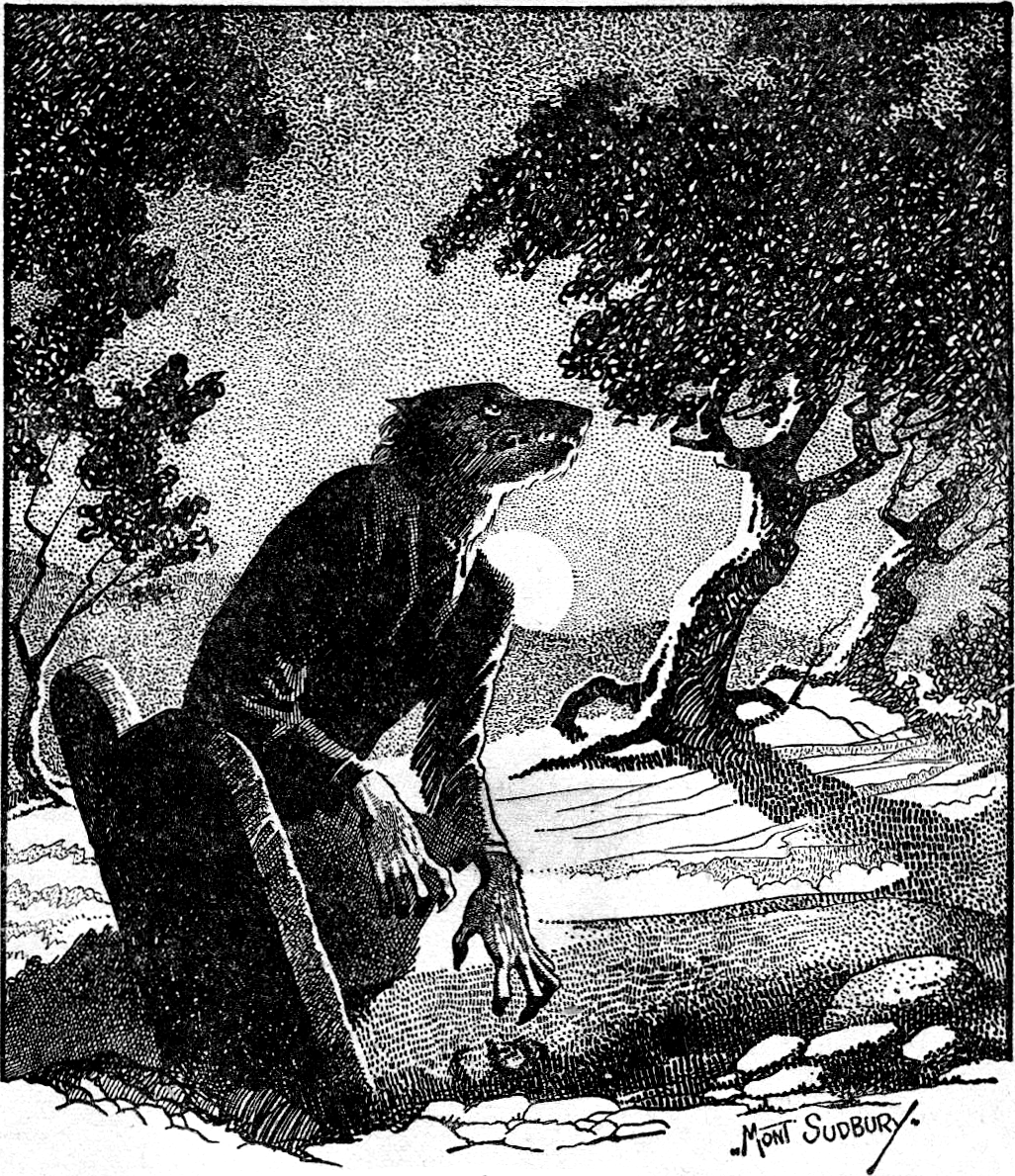 🇫🇷 France and 5 moreWerewolf
A mythical shapeshifter that turns into a wolf, central to European witch-hunts and Gothic horror.Being · Cursing and harm · Wonder and entertainment Legendary
🇫🇷 France and 5 moreWerewolf
A mythical shapeshifter that turns into a wolf, central to European witch-hunts and Gothic horror.Being · Cursing and harm · Wonder and entertainment Legendary
 🇪🇬 Egypt and 1 moreLilithלִילִית
A feminine figure from Mesopotamian and Jewish mythology, often depicted as a night demon or spirit.Being · Cursing and harm Legendary
🇪🇬 Egypt and 1 moreLilithלִילִית
A feminine figure from Mesopotamian and Jewish mythology, often depicted as a night demon or spirit.Being · Cursing and harm Legendary
 🇪🇬 EgyptCurse
A spoken wish for misfortune to befall a person or placeBelief · Cursing and harm · Luck and prosperity Historical
🇪🇬 EgyptCurse
A spoken wish for misfortune to befall a person or placeBelief · Cursing and harm · Luck and prosperity Historical