
Banchō Sarayashiki
In its own language: 番町皿屋敷
from Japanese Banchō, a district in Edo, and sarayashiki, meaning dish mansion
A Japanese ghost story about a servant who dies unjustly and haunts her murderer by counting plates.
Banchō Sarayashiki is a kaidan, or Japanese ghost story, that tells of a servant named Okiku who is killed after being falsely accused of losing a precious dish. She returns as an onryō to torment those responsible for her death. The tale has been adapted into bunraku, kabuki, and modern media since the eighteenth century.
- First appeared as a bunraku play in 1741.
- Okiku counts to nine before shrieking from a well.
- Inspired the character Sadako in The Ring.
- Himeji Castle features Okiku-Ido, a tourist site.
- Ukiyo-e prints by Hokusai depict the ghost.
What it is
Banchō Sarayashiki is a kaidan, a genre of Japanese ghost stories. It centers on Okiku, a servant who dies unjustly and returns as an onryō, a vengeful spirit. The core narrative involves a broken promise or trust that leads to her murder. Her haunting typically manifests through the sound of her counting plates from a well. The story explores themes of betrayal, injustice, and the lingering power of the dead. It exists in multiple versions, ranging from folk tales to elaborate theatrical productions.
Where it comes from
The earliest known version appeared as a bunraku play in July 1741 at the Toyotakeza theater. It was adapted by Asada Iccho and Tamenaga Tarobei I. A kabuki version followed in September 1824. The most popular adaptation was written by Okamoto Kido and debuted in February 1916. This version shifted the focus to psychological motivation rather than pure horror. Other variations exist, including one where Okiku is a maid whose mistress breaks a plate and commits suicide.
How it is done
In the folk version, Okiku counts nine plates repeatedly, shrieking when she cannot find the tenth. In some tellings, a neighbor shouts "ten" to relieve her torment. In the ningyō jōruri version, her ghost rises from the well to confront her murderer, Tetsuzan, who remains unmoved. In Okamoto's version, her ghost appears calm and beautiful, leading her lover to commit seppuku to join her. The haunting is auditory, defined by the counting and the resulting fear of the living.
Tools and materials
The central object is a set of ten precious dishes. One is missing, creating the conflict. The setting is often a well, such as Okiku-Ido at Himeji Castle. In folklore, the larvae of the byasa insect were once called the "Okiku insect" due to their thread-like appearance, believed to be her reincarnation. Ukiyo-e prints by artists like Hokusai and Yoshitoshi also serve as cultural tools for preserving the image of the ghost.
Banchō Sarayashiki, drawn and placed
- Living
- Revived
- Fading
- Historical
- Legendary
- Performed
- Lineage
- kaidan
What it is for
The story serves as a cautionary tale about broken trust and the consequences of abuse of power. It provides a framework for understanding injustice through supernatural retribution. The haunting allows the victim to assert agency after death. In theatrical contexts, it explores human psychology and romantic tragedy. The legend also functions as a cultural touchstone, referenced in modern media to evoke horror or parody.
Who does it
The primary practitioner is the storyteller or performer. Bunraku puppeteers and kabuki actors have kept the story alive since the eighteenth century. Scholars study the variations to understand Japanese cultural attitudes toward death and gender. The legend is not a ritual practice but a narrative tradition performed for entertainment and moral reflection.
Peoples and places
The story is deeply rooted in Japanese culture. Versions are set in Harima Province or the Banchō area of Edo. Himeji Castle is a key location associated with the tale. The legend has influenced various forms of Japanese art, including ukiyo-e prints and rakugo performances. It has also inspired international works, such as the character Sadako from The Ring franchise, which draws on the imagery of a girl dying in a well.
At a glance: who, where and when
Peoples
Belief worlds

What people believe
The tale reflects beliefs surrounding onryō, spirits who return from the dead with powerful grudges. It suggests that unresolved injustice can disrupt the natural order. The counting of plates represents an obsession with perfection and the inability to move past trauma. In some interpretations, the ghost seeks recognition or closure rather than mere vengeance. The belief in the spirit's presence persists in local lore, particularly at sites linked to the story.
When it is done
The story is performed during specific theatrical seasons and festivals. It has been revived in modern times, such as the 1971 staging of the one-act kabuki version. The legend is also associated with Obon, a festival honoring ancestors, where parodies of the tale appear in summer festivals. There are no specific religious holidays tied exclusively to the story, but it is frequently referenced during periods of cultural reflection on death and memory.
Questions people ask about Banchō Sarayashiki
What is Banchō Sarayashiki?
It is a Japanese ghost story, or kaidan, about a servant named Okiku who is murdered and returns as a vengeful spirit. The tale focuses on her haunting her killers by counting missing plates from a well.
Where does the story take place?
Versions of the story are set in different locations, including Harima Province and the Banchō district of Edo. Himeji Castle is also a key setting, with a well there traditionally linked to Okiku's death.
How did the story become famous?
It gained fame through theatrical adaptations, starting with bunraku in 1741 and later kabuki. Modern adaptations include manga, novels, and films, cementing its place in Japanese pop culture.
What is the significance of the plates?
The ten precious dishes represent trust and responsibility. The loss of one plate triggers Okiku's accusation and eventual death. Her ghost counts them to highlight the injustice and her unfinished business.
Is the story based on real events?
The story is a work of fiction within the kaidan tradition. While it may draw on local legends or historical settings like Himeji Castle, there is no evidence that Okiku was a real person.
Good reading and sources
- Banchō Sarayashiki on WikipediaEncyclopedia
- More photos on Wikimedia CommonsPhotos and video
- Wikidata recordOpen data
The facts on this page come from the Wikipedia article "Banchō Sarayashiki", written by its contributors and used under the CC BY-SA 4.0 licence, and from its Wikidata record (CC0). EveryJaadu rewrote the text in its own words, with AI assistance, and compares every page with the article to make sure no passage is copied. It may be reused under the same CC BY-SA 4.0 licence with a link back.
It may contain mistakes. Names and customs differ from one community to the next, and some knowledge is closed to outsiders and left out here. This page describes belief and practice. It does not say that any of it works, it is not a how-to, and it is not medical advice. If something is wrong, tell us. Last refreshed 2026-10-06.
More from Japan
All the entries from Japan 🇨🇳 China and 2 moreNaming taboo避諱
A cultural rule against speaking or writing the names of rulers and ancestors in East AsiaBelief · Protection Historical
🇨🇳 China and 3 moreQi氣 / 气
A vital force in Chinese philosophy and medicine, believed to flow through all living things.Substance · Healing · Power and authority Living
🇨🇳 China and 2 moreNaming taboo避諱
A cultural rule against speaking or writing the names of rulers and ancestors in East AsiaBelief · Protection Historical
🇨🇳 China and 3 moreQi氣 / 气
A vital force in Chinese philosophy and medicine, believed to flow through all living things.Substance · Healing · Power and authority Living
 🇯🇵 JapanKitsunebi狐火
Atmospheric ghost lights in Japanese folklore, often linked to foxes and natural phenomena.Belief · Wonder and entertainment · Luck and prosperity Historical
🇯🇵 JapanKitsunebi狐火
Atmospheric ghost lights in Japanese folklore, often linked to foxes and natural phenomena.Belief · Wonder and entertainment · Luck and prosperity Historical
Related elsewhere
All figure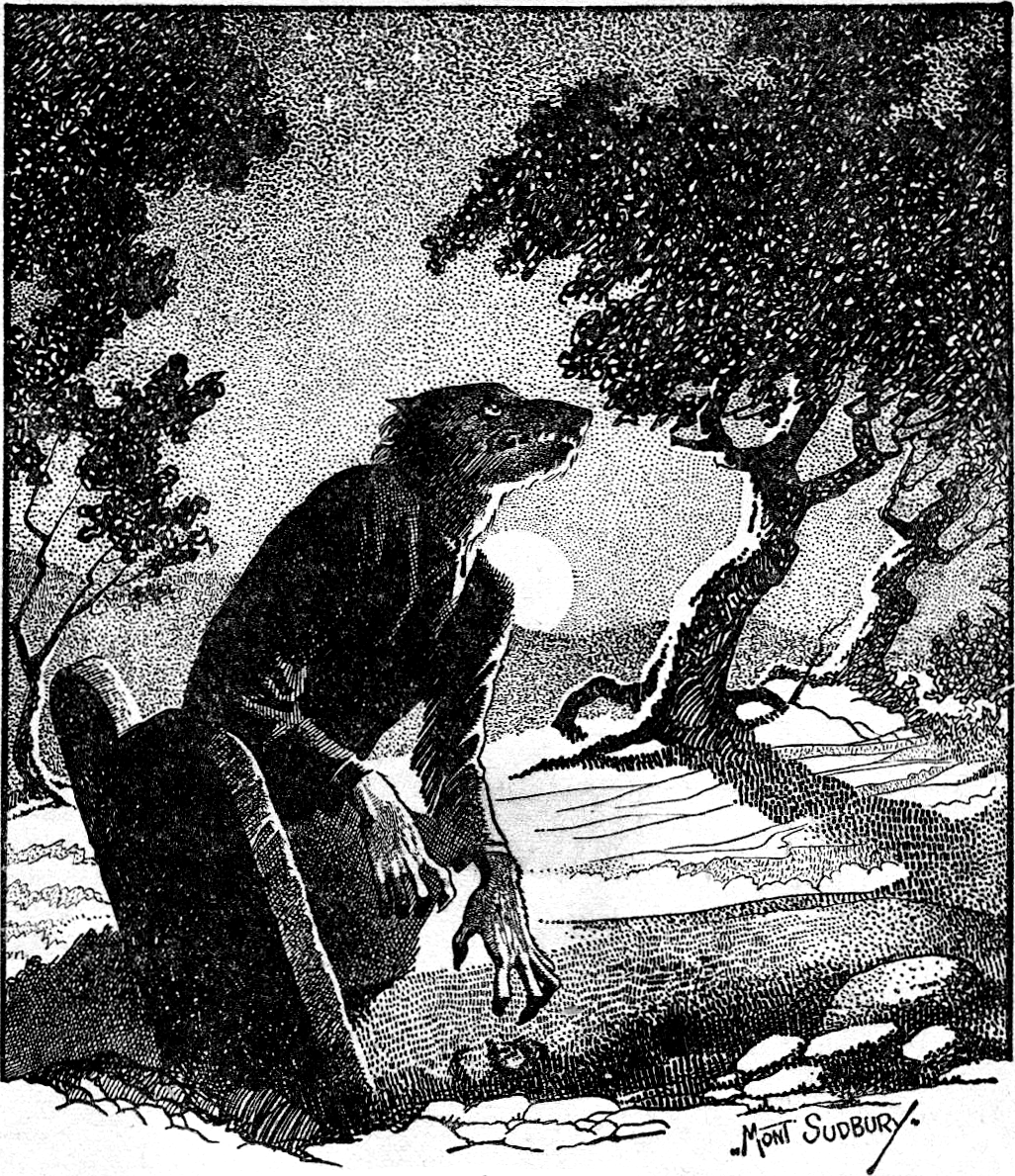 🇫🇷 France and 5 moreWerewolf
A mythical shapeshifter that turns into a wolf, central to European witch-hunts and Gothic horror.Being · Cursing and harm · Wonder and entertainment Legendary
🇫🇷 France and 5 moreWerewolf
A mythical shapeshifter that turns into a wolf, central to European witch-hunts and Gothic horror.Being · Cursing and harm · Wonder and entertainment Legendary
 🇮🇩 IndonesiaRangdaᬭᬗ᭄ᬤ
A Balinese demon queen who leads witches in an eternal battle against good.Figure · Cursing and harm · Wonder and entertainment Legendary
🇮🇩 IndonesiaRangdaᬭᬗ᭄ᬤ
A Balinese demon queen who leads witches in an eternal battle against good.Figure · Cursing and harm · Wonder and entertainment Legendary
 🇩🇪 Germany and 5 moreStraw bearStrohbär
A carnival figure wrapped in straw that visits homes for gifts and marks the turning of seasons.Tradition · Luck and prosperity · Cursing and harm Living
🇩🇪 Germany and 5 moreStraw bearStrohbär
A carnival figure wrapped in straw that visits homes for gifts and marks the turning of seasons.Tradition · Luck and prosperity · Cursing and harm Living
 🇫🇷 France and 4 moreMorgan le FayFée Morgane
An Arthurian enchantress known for her shifting role as healer and adversaryFigure · Healing · Cursing and harm Legendary
🇫🇷 France and 4 moreMorgan le FayFée Morgane
An Arthurian enchantress known for her shifting role as healer and adversaryFigure · Healing · Cursing and harm Legendary