Tosa Obake Zōshi
In its own language: 土佐お化け草紙
from Japanese tosa, obake, and zōshi, meaning 'Tosa ghost book'
An Edo-period illustrated scroll of yōkai tales from Tosa Province
The Tosa Obake Zōshi is a Japanese yōkai emaki (illustrated scroll) created during the Edo period. It features sixteen sections about yōkai in Tosa Province, now Kōchi Prefecture.
- Contains sixteen sections of yōkai tales from Tosa Province
- Two known editions: Horimi private collection and Sakawa
- Depicts yōkai as playful rather than dreadful
- Features rare yokai like Kechibi and Yamajijii
- Created by an anonymous countryside artist in the Edo period
What it is
The Tosa Obake Zōshi is an illuminated manuscript classified as a yōkai emaki, or illustrated scroll. Originating in Japan during the Edo period, it serves as a visual record of supernatural folklore. The work contains sixteen distinct sections detailing encounters with various yōkai. Unlike many depictions that portray these spirits as dreadful, this scroll presents them as mischievous, naive, and playful. This artistic choice allows readers to feel a sense of closeness to the creatures rather than fear. The text collects folktales specific to the Tosa region, preserving local colouring while attracting national interest for its iconic storytelling.
Where it comes from
The manuscript was written by an unknown author, likely a nameless artist living in the countryside rather than a famous creator of yōkai imagery. It is set in Tosa Province, which corresponds to modern-day Kōchi Prefecture. Two primary editions exist today. The first is a private collection originally owned by the Horimi family, estimated to be composed between the middle and late Edo periods. The second is held by the Sakawa Education Committee and dates to Ansei 6 (1859). While similar in era, the Sakawa version differs in sequence and characteristics, suggesting it may be a copy or a successor work rather than a simple reproduction.
How it is done
The narrative structure follows a specific pattern common to gathering tales. At the opening of each of the sixteen yōkai stories, spirits from various areas of Japan are described as gathering at Tosa. The tales unfold within this context, concluding at dawn when the yōkai disperse. This framing device unifies the disparate folklore into a single cohesive event. The illustrations accompany these narratives, depicting the spirits in their local contexts. The visual style emphasizes the playful nature of the entities, avoiding horror tropes in favor of whimsical interaction.
Tools and materials
As an emaki, the work utilizes traditional materials such as ink and paper to create its illustrations. The physical object exists in two main forms: one preserved in private hands and another maintained by an educational committee. The Horimi edition has a documented history of ownership, passing through the Fukao and Yoshimoto families before reaching the Takehira family. Postscripts indicate it was once used by a young lord for entertainment during overnight stays.
Tosa Obake Zōshi, drawn and placed
- Living
- Revived
- Fading
- Historical
- Legendary
- Performed
- Lineage
- yōkai emaki
What it is for
The primary purpose of the Tosa Obake Zōshi appears to be the preservation and sharing of regional folklore. It collects specific tales, including those of the Kechibi and Yamajijii, which are uncommon in broader yōkai pictorial works. By documenting these unique spirits, the scroll serves as a repository for local identity and myth. The playful depiction suggests an intent to entertain and engage the audience, making the supernatural accessible. It functions as a bridge between rural storytelling traditions and a wider national audience interested in Edo-period culture.
Who does it
The original author remains anonymous, identified only as a countryside resident rather than a professional artist. Modern scholarship and preservation efforts involve institutions like the Kōchi Prefectural Museum of History and the Sakawa Education Committee. These bodies maintain the physical copies and study their provenance. The Horimi edition's history includes transmission through aristocratic and merchant families, indicating its value as a cherished heirloom. Researchers analyze the postscripts and stylistic differences to understand how the text was copied and circulated during the Edo period.
Peoples and places
The subject matter is deeply rooted in Japanese culture, specifically the folklore of Tosa Province. The scroll documents the beliefs and stories of the people who lived in this region during the Edo period. It highlights the diversity of yōkai across Japan by having them gather in one place. The inclusion of rare figures like the Kechibi and Yamajijii underscores the specificity of Tosa's local myths. This regional focus distinguishes it from general collections, offering a window into the particular spiritual landscape of Kōchi Prefecture.
At a glance: who, where and when
Who does it
Peoples
What people believe
The work reflects the Edo-period understanding of yōkai as tangible yet playful entities. The gathering of spirits from across Japan suggests a worldview where the supernatural realm intersects with the human world in specific locations. Dawn acts as a boundary time, marking the end of the supernatural encounter. The playful nature of the depictions implies that these beings were not always viewed with terror but could be subjects of curiosity and amusement. This perspective contrasts with later or more dramatic interpretations of yokai lore.
When it is done
The text does not specify fixed calendar days for the events depicted, but the narrative structure relies on the passage of time within a single night. The gathering occurs, the tales are told, and the dispersion happens at dawn. The creation of the manuscripts spans the mid-to-late Edo period, with one edition explicitly dated to 1859. The timing of the stories aligns with traditional nighttime storytelling customs, where supernatural tales are shared after dark.
Questions people ask about Tosa Obake Zōshi
What is the Tosa Obake Zōshi?
It is a Japanese yōkai emaki, or illustrated scroll, created during the Edo period. It contains sixteen sections of folklore from Tosa Province, now Kōchi Prefecture, featuring playful depictions of supernatural spirits.
Who wrote the Tosa Obake Zōshi?
The author is unknown. Historical notes suggest the creator was a nameless artist living in the countryside, rather than a famous professional illustrator of yōkai or ghosts.
Where can I see the Tosa Obake Zōshi?
One edition is held by the Kōchi Prefectural Museum of History. Another version is maintained by the Sakawa Education Committee in Sakawa, Kōchi Prefecture. Both are private or institutional collections.
What makes this scroll unique?
It collects rare local tales, including the Kechibi and Yamajijii, which are uncommon in other yōkai art. Its playful tone and specific regional focus distinguish it from broader national collections.
Good reading and sources
- Tosa Obake Zōshi on WikipediaEncyclopedia
- More photos on Wikimedia CommonsPhotos and video
- Wikidata recordOpen data
The facts on this page come from the Wikipedia article "Tosa Obake Zōshi", written by its contributors and used under the CC BY-SA 4.0 licence, and from its Wikidata record (CC0). EveryJaadu rewrote the text in its own words, with AI assistance, and compares every page with the article to make sure no passage is copied. It may be reused under the same CC BY-SA 4.0 licence with a link back.
It may contain mistakes. Names and customs differ from one community to the next, and some knowledge is closed to outsiders and left out here. This page describes belief and practice. It does not say that any of it works, it is not a how-to, and it is not medical advice. If something is wrong, tell us. Last refreshed 2026-10-07.
More from Japan
All the entries from Japan 🇯🇵 Japan and 1 moreKūkai空海
Founder of Shingon Buddhism who brought Vajrayana esoteric practices from China to Japan.Text · Power and authority · Protection Historical
🇯🇵 Japan and 1 moreKūkai空海
Founder of Shingon Buddhism who brought Vajrayana esoteric practices from China to Japan.Text · Power and authority · Protection Historical
 🇯🇵 JapanGazu Hyakki Yagyō画図百鬼夜行
A 1776 Japanese woodblock book of yōkai illustrations by Toriyama SekienText · Wonder and entertainment Historical
🇫🇷 France and 3 moreBardo Thodolབར་དོ་ཐོས་གྲོལ (bar do thos grol)
A Tibetan Buddhist guide for navigating the intermediate state between death and rebirth.Text Living
🇯🇵 JapanGazu Hyakki Yagyō画図百鬼夜行
A 1776 Japanese woodblock book of yōkai illustrations by Toriyama SekienText · Wonder and entertainment Historical
🇫🇷 France and 3 moreBardo Thodolབར་དོ་ཐོས་གྲོལ (bar do thos grol)
A Tibetan Buddhist guide for navigating the intermediate state between death and rebirth.Text Living
 🇨🇳 China and 2 moreJiang Ziya姜子牙
A historical strategist and war god who helped establish the Zhou dynastyFigure · Power and authority · Cursing and harm Historical
🇨🇳 China and 2 moreJiang Ziya姜子牙
A historical strategist and war god who helped establish the Zhou dynastyFigure · Power and authority · Cursing and harm Historical
Related elsewhere
All text 🇬🇧 United Kingdom and 2 moreKing ArthurBrenin Arthur
A legendary British king and folk hero of medieval literature and Welsh mythologyFigure · Power and authority · Wonder and entertainment Legendary
🇬🇧 United Kingdom and 2 moreKing ArthurBrenin Arthur
A legendary British king and folk hero of medieval literature and Welsh mythologyFigure · Power and authority · Wonder and entertainment Legendary
 🇪🇬 Egypt and 1 moreSphinx
A mythical hybrid with a human head and lion body, serving as guardian or riddler in Egyptian and Greek traditions.Being · Protection · Wonder and entertainment Legendary
🇪🇬 Egypt and 1 moreSphinx
A mythical hybrid with a human head and lion body, serving as guardian or riddler in Egyptian and Greek traditions.Being · Protection · Wonder and entertainment Legendary
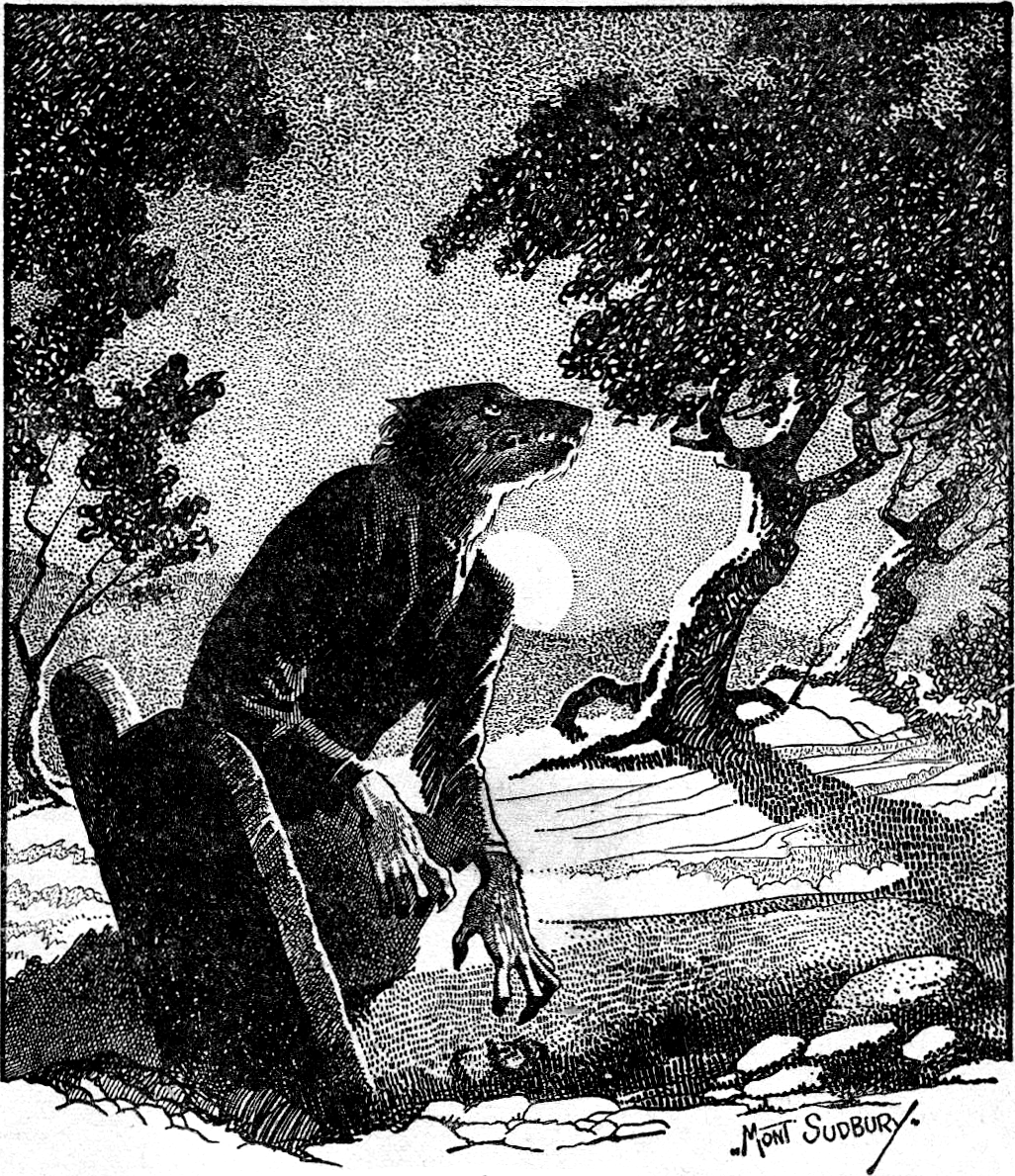 🇫🇷 France and 5 moreWerewolf
A mythical shapeshifter that turns into a wolf, central to European witch-hunts and Gothic horror.Being · Cursing and harm · Wonder and entertainment Legendary
🇫🇷 France and 5 moreWerewolf
A mythical shapeshifter that turns into a wolf, central to European witch-hunts and Gothic horror.Being · Cursing and harm · Wonder and entertainment Legendary
 🇪🇸 Spain and 5 moreSt John's Eve
A Christian vigil marked by bonfires and plant gathering on the summer solstice eveRite · Protection · Speaking with spirits and the dead Living
🇪🇸 Spain and 5 moreSt John's Eve
A Christian vigil marked by bonfires and plant gathering on the summer solstice eveRite · Protection · Speaking with spirits and the dead Living