Tōfu-kozō
In its own language: 豆腐小僧
from Japanese words meaning tofu and boy monk
A Japanese yōkai depicted as a child carrying a tray of tofu, popular in Edo period literature.
The tōfu-kozō is a creature from Japanese folklore that appears as a small boy holding a tray of tofu. It emerged in the late eighteenth century within urban print culture and became a familiar figure in toys and books throughout the nineteenth century.
- First appeared in An'ei era literature around 1772
- Depicted as a boy carrying a tray of tofu
- Popular in kusazōshi and kibyōshi books
- Statue located in Sakaiminato, Tottori Prefecture
- Clothing features smallpox warding charms
What it is
The tōfu-kozō is a spirit from Japanese folklore that resembles a young boy. It is typically shown wearing a bamboo hat and carrying a round tray with a piece of tofu on it. The tofu often has an autumn leaf shape pressed into its surface. This creature belongs to the category of yōkai, which are supernatural beings in Japanese culture. Unlike many spirits that cause fear or harm, this one is usually portrayed as timid and humorous. It acts more like a servant than a dangerous monster.
Where it comes from
This figure first appeared in literature during the An'ei era between seventeen seventy two and seventeen eighty one. It gained popularity through kusazōshi picture books and kibyōshi satirical novels. The character also appeared on toys such as kites and card games. Scholars note that no earlier records exist before this period. Its creation likely coincided with the rise of tofu shops in Edo period cities. Some theories suggest it evolved from other yōkai like the hitotsume-kozō or tanuki.
How it is done
Stories describe the tōfu-kozō wandering through towns on rainy nights. It approaches people to offer them the tofu from its tray. In later Shōwa era tales, the tofu would mold quickly after being served. Earlier accounts show it simply delivering food and sake to various locations. It does not attack humans or demand offerings. Other yōkai sometimes mock it for being weak. The creature remains friendly and avoids conflict.
Tools and materials
The spirit wears a kasa hat made of bamboo or straw. It carries a flat round tray. The tray holds momiji-dōfu which features a maple leaf imprint. Clothing patterns include harukoma horses and daruma dolls. These designs are meant to ward off smallpox. Red fish and swinging drums also appear on its garments. Lattice patterns indicate its status as a child.
Tōfu-kozō, drawn and placed
- Living
- Revived
- Fading
- Historical
- Legendary
- Performed
- Lineage
- Edo period yōkai tradition
- Timing
- rainy nights
What it is for
The tōfu-kozō serves as a comic relief character in Edo period entertainment. It provides amusement through its clumsy and gentle nature. Later interpretations view it as a comforting figure for children. It reflects the importance of tofu in daily urban life. The creature symbolizes the common street vendors who sold this nutritious food.
Who does it
No specific group practices rituals involving this spirit. It exists primarily within literary and artistic traditions. Manga artists and illustrators have kept the image alive. Shigeru Mizuki created famous depictions of the character. A statue stands in Sakaiminato near a local restaurant.
Peoples and places
The tōfu-kozō is unique to Japan. It emerged from the cultural context of Edo period urban society. Tofu was a staple food for the general public at that time. The character appears in various forms of popular media including kabuki plays. Actors performed roles based on this spirit. Ukiyo-e prints also featured the figure widely.
At a glance: who, where and when
Peoples
Belief worlds
What people believe
Folklore treats the tōfu-kozō as a harmless spirit. It lacks magical powers or divine authority. Some stories link its parentage to mikoshi-nyūdō and rokurokubi. These connections remain speculative within the texts. The spirit does not demand worship or sacrifice. It operates within the realm of everyday urban superstition rather than religious doctrine.
When it is done
The creature is associated with rainy weather. Stories place its appearances on wet nights when streets are empty. No specific festivals or holy days involve this yōkai. Its presence is tied to seasonal moisture and urban activity rather than lunar cycles.
How scholars and sceptics see it
Researchers like Natsuhiko Kyogoku and Bintarō Yamaguchi analyzed the character's evolution. They noted that the molding tofu detail appeared only in modern children's books. Adam Kabata studied its lineage in Edo period publications. Academic work confirms its sudden appearance in late eighteenth century texts. No ancient folkloric roots have been identified.
Cautions and what is closed
The tōfu-kozō poses no danger to humans. It is not involved in harmful curses or rituals. Modern interpretations focus on its gentle nature. There are no reports of negative consequences from encountering the spirit. The character remains a safe subject for study and artistic representation.
Compare and confuse
The tōfu-kozō shares traits with the hitotsume-kozō and kappa. Both are often linked to tofu in older tales. The tanuki also appears in similar contexts with hats and trays. These figures all belong to the broader category of Edo period urban yōkai. Each serves a distinct role in comedic folklore.
Questions people ask about Tōfu-kozō
What is a tōfu-kozō?
It is a Japanese yōkai that looks like a young boy holding a tray of tofu. It emerged in late eighteenth century literature and became a popular character in Edo period toys and books.
Where did the tōfu-kozō originate?
The spirit originated in Japan during the Edo period. It first appeared in printed materials around seventeen seventy two and drew inspiration from urban tofu vendors and existing yōkai traditions.
Does the tōfu-kozō have magical powers?
Original texts describe it as having no special powers. It acts as a servant or comic figure. Later stories added details about molding tofu but maintained its harmless nature.
What does the tōfu-kozō look like?
It wears a bamboo hat and carries a round tray. The tray holds tofu shaped like an autumn leaf. Its clothes feature lucky charms like daruma dolls and red fish to ward off illness.
Good reading and sources
- Tōfu-kozō on WikipediaEncyclopedia
- More photos on Wikimedia CommonsPhotos and video
- Wikidata recordOpen data
The facts on this page come from the Wikipedia article "Tōfu-kozō", written by its contributors and used under the CC BY-SA 4.0 licence, and from its Wikidata record (CC0). EveryJaadu rewrote the text in its own words, with AI assistance, and compares every page with the article to make sure no passage is copied. It may be reused under the same CC BY-SA 4.0 licence with a link back.
It may contain mistakes. Names and customs differ from one community to the next, and some knowledge is closed to outsiders and left out here. This page describes belief and practice. It does not say that any of it works, it is not a how-to, and it is not medical advice. If something is wrong, tell us. Last refreshed 2026-10-07.
More from Japan
All the entries from Japan 🇨🇳 China and 3 moreChinese dragon龍
A legendary water deity and imperial symbol in East Asian cultureBeing · Protection · Luck and prosperity Historical
🇨🇳 China and 3 moreChinese dragon龍
A legendary water deity and imperial symbol in East Asian cultureBeing · Protection · Luck and prosperity Historical
 🇯🇵 JapanOni鬼(おに)
A horned demon of Japanese folklore known for strength and evil deedsBeing · Cursing and harm · Luck and prosperity Legendary
🇯🇵 JapanOni鬼(おに)
A horned demon of Japanese folklore known for strength and evil deedsBeing · Cursing and harm · Luck and prosperity Legendary
 🇯🇵 JapanBaku獏
A Japanese spirit said to eat bad dreams and protect sleepersBeing · Protection Living
🇯🇵 JapanKuda-gitsune管狐 (kuda-gitsune)
A small spirit kept in a tube or sleeve to aid fortune-telling and cursing in Japanese folklore.Being · Seeing and foretelling · Cursing and harm Legendary
🇯🇵 JapanBaku獏
A Japanese spirit said to eat bad dreams and protect sleepersBeing · Protection Living
🇯🇵 JapanKuda-gitsune管狐 (kuda-gitsune)
A small spirit kept in a tube or sleeve to aid fortune-telling and cursing in Japanese folklore.Being · Seeing and foretelling · Cursing and harm Legendary
Related elsewhere
All being 🇬🇧 United Kingdom and 2 moreKing ArthurBrenin Arthur
A legendary British king and folk hero of medieval literature and Welsh mythologyFigure · Power and authority · Wonder and entertainment Legendary
🇬🇧 United Kingdom and 2 moreKing ArthurBrenin Arthur
A legendary British king and folk hero of medieval literature and Welsh mythologyFigure · Power and authority · Wonder and entertainment Legendary
 🇪🇬 Egypt and 1 moreSphinx
A mythical hybrid with a human head and lion body, serving as guardian or riddler in Egyptian and Greek traditions.Being · Protection · Wonder and entertainment Legendary
🇪🇬 Egypt and 1 moreSphinx
A mythical hybrid with a human head and lion body, serving as guardian or riddler in Egyptian and Greek traditions.Being · Protection · Wonder and entertainment Legendary
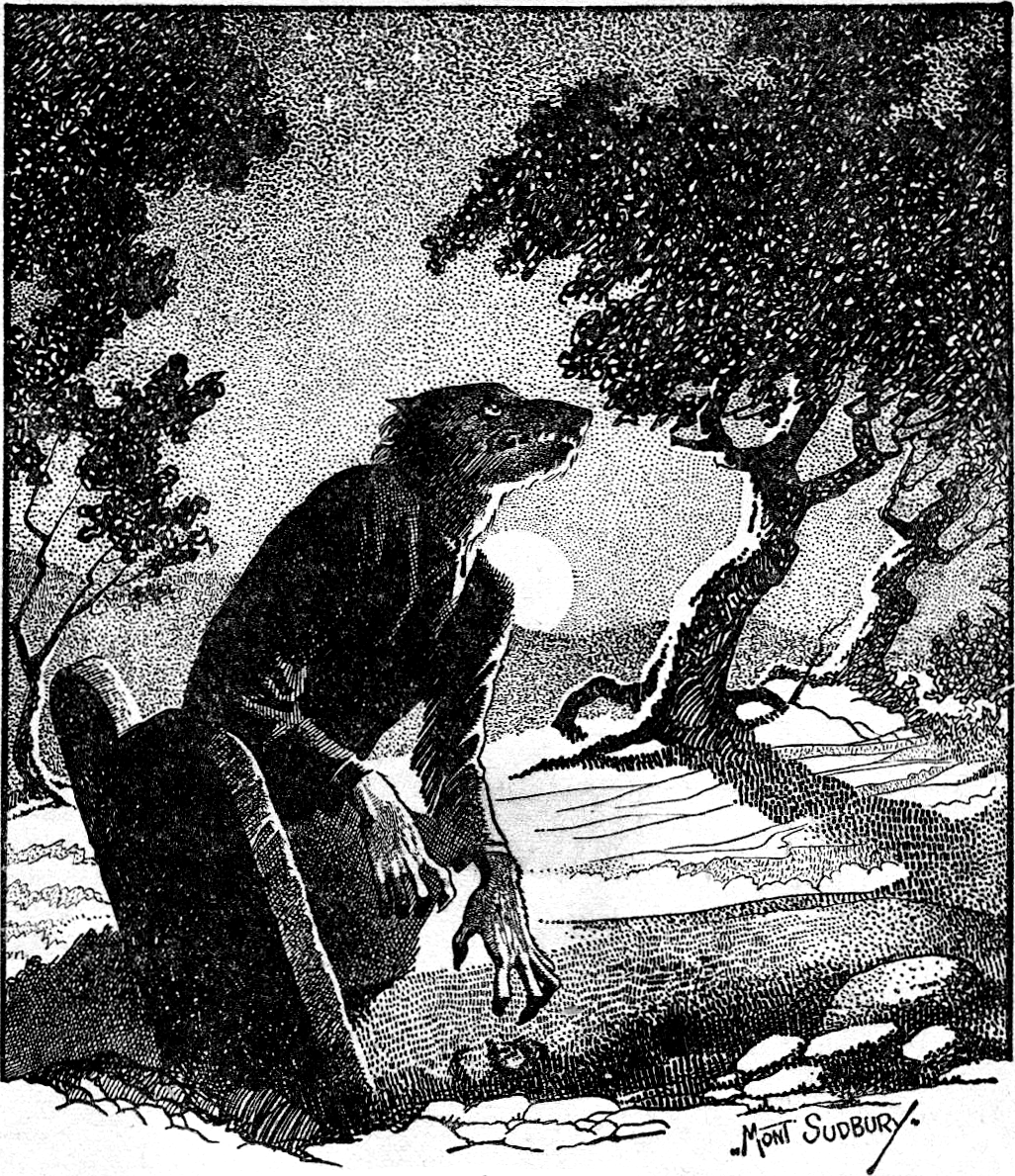 🇫🇷 France and 5 moreWerewolf
A mythical shapeshifter that turns into a wolf, central to European witch-hunts and Gothic horror.Being · Cursing and harm · Wonder and entertainment Legendary
🇫🇷 France and 5 moreWerewolf
A mythical shapeshifter that turns into a wolf, central to European witch-hunts and Gothic horror.Being · Cursing and harm · Wonder and entertainment Legendary
 🇪🇸 Spain and 5 moreSt John's Eve
A Christian vigil marked by bonfires and plant gathering on the summer solstice eveRite · Protection · Speaking with spirits and the dead Living
🇪🇸 Spain and 5 moreSt John's Eve
A Christian vigil marked by bonfires and plant gathering on the summer solstice eveRite · Protection · Speaking with spirits and the dead Living