Hashihime
In its own language: 橋姫
from Japanese hashi (bridge) and hime (princess or maiden)
A Japanese bridge spirit linked to jealousy and demonic transformation in folklore and Noh theatre.
Hashihime is a figure from Japanese folklore who serves as the guardian of bridges. She appears in Heian-era literature as a lonely woman waiting for a lover, but later legends cast her as a jealous female demon who transforms through ritual magic.
- Name means Bridge Princess in Japanese
- Guardian spirit of the Uji Bridge
- Transforms via iron tripod and red paint
- Featured in Noh play Kanawa
- Archetype for ushi no toki mairi curse
What it is
Hashihime is a spirit from Japanese folklore associated with bridges. The name translates to Bridge Princess or Bridge Maiden. Early texts describe her as a sorrowful woman waiting for an absent lover. Later stories depict her as a fierce female demon known as a kijo. She acts as a guardian deity for large ancient bridges, protecting them from harm. This role likely stems from older water deity worship at crossing points.
Where it comes from
The belief has roots in ancient practices honoring water deities at river crossings. Pairs of male and female spirits were often enshrined there. The name may also be a pun on the word for beloved, linking the guardian role to love. Local pride in specific bridges contributed to the idea that the local deity could become jealous if praised elsewhere.
How it is done
Legends describe a ritual transformation into a demoness. A woman retreats to a shrine and prays for power. She immerses herself in rapids for twenty-one days. She then paints her body red with cinnabar and ties her hair into five horns. She wears an inverted iron tripod on her head with torches attached. This guise allows her to fly and attack rivals.
Tools and materials
The transformation requires specific items. An iron tripod called kanawa is worn on the head. Torches are lit on its legs and sometimes held in the mouth. Cinnabar and red lead paint the skin bright red. These tools create a terrifying appearance intended to frighten observers and signal demonic power.
Hashihime, drawn and placed
- Living
- Revived
- Fading
- Historical
- Legendary
- Performed
- Lineage
- Japanese folklore and Noh theatre
What it is for
She protects bridges from external threats. In demon form, she seeks revenge against rivals and lovers who betray her. Couples avoid crossing her bridge together due to fear of her jealousy. Some shrines associate her with severing unwanted relationships rather than causing harm.
Who does it
The original legend involves a noblewoman performing a curse ritual. Modern practitioners of ushi no toki mairi visit Kifune Shrine using similar methods. They strike nails into trees while wearing white robes. The ritual invokes the archetype of the jealous wife seeking supernatural justice.
Peoples and places
The tradition is central to Japanese folklore. The Uji Bridge version is the most famous. Similar bridge guardians exist in Osaka and Shiga Prefecture. Literature like The Tale of Genji and Kokin Wakashu portrays her as a symbol of longing. Noh plays dramatize her violent transformation.
At a glance: who, where and when
What people believe
She embodies the duality of protective spirit and vengeful demon. Jealousy is seen as a powerful force capable of altering physical form. The narrative connects human emotion to supernatural events. Spirits are believed to respond to rituals performed at specific shrines during particular hours.
How scholars and sceptics see it
Researchers view Hashihime as a literary evolution. Early poems emphasize pathos and loneliness. Later epics focus on horror and violence. The character illustrates how local beliefs merged with courtly literature. Anthropologists link her to broader patterns of bridge and water worship in East Asia.
Cautions and what is closed
Couples consider it taboo to cross the Uji Bridge together. Visiting the shrine as a pair invites her wrath. The legend warns of the dangers of unchecked jealousy. The story includes graphic violence and death caused by the demoness.
Compare and confuse
She resembles other bridge spirits found across cultures. The ushi no toki mairi ritual shares features with curses in neighboring regions. Her iron tripod motif appears in various Asian folk tales. Different shrines claim her presence without sharing the jealous demon aspect.
Questions people ask about Hashihime
What is Hashihime?
She is a Japanese bridge spirit. Early texts show her as a lonely woman. Later legends make her a jealous demoness who guards bridges and punishes infidelity.
Where does the name come from?
It comes from the Japanese words for bridge and princess. It may also pun on the word for beloved, linking protection with romantic longing.
How does she become a demon?
A woman performs a ritual at a shrine. She immerses in rapids, paints her body red, and wears an iron tripod with torches to transform into a kijo.
Why do couples avoid her bridge?
Legend says she is intensely jealous. Couples believe visiting her shrine or crossing her bridge together will provoke her wrath and ruin their relationship.
Good reading and sources
The facts on this page come from the Wikipedia article "Hashihime", written by its contributors and used under the CC BY-SA 4.0 licence, and from its Wikidata record (CC0). EveryJaadu rewrote the text in its own words, with AI assistance, and compares every page with the article to make sure no passage is copied. It may be reused under the same CC BY-SA 4.0 licence with a link back.
It may contain mistakes. Names and customs differ from one community to the next, and some knowledge is closed to outsiders and left out here. This page describes belief and practice. It does not say that any of it works, it is not a how-to, and it is not medical advice. If something is wrong, tell us. Last refreshed 2026-10-08.
More from Japan
All the entries from Japan 🇨🇳 China and 3 moreChinese dragon龍
A legendary water deity and imperial symbol in East Asian cultureBeing · Protection · Luck and prosperity Historical
🇨🇳 China and 3 moreChinese dragon龍
A legendary water deity and imperial symbol in East Asian cultureBeing · Protection · Luck and prosperity Historical
 🇯🇵 JapanOni鬼(おに)
A horned demon of Japanese folklore known for strength and evil deedsBeing · Cursing and harm · Luck and prosperity Legendary
🇯🇵 JapanOni鬼(おに)
A horned demon of Japanese folklore known for strength and evil deedsBeing · Cursing and harm · Luck and prosperity Legendary
 🇯🇵 JapanBaku獏
A Japanese spirit said to eat bad dreams and protect sleepersBeing · Protection Living
🇯🇵 JapanKuda-gitsune管狐 (kuda-gitsune)
A small spirit kept in a tube or sleeve to aid fortune-telling and cursing in Japanese folklore.Being · Seeing and foretelling · Cursing and harm Legendary
🇯🇵 JapanBaku獏
A Japanese spirit said to eat bad dreams and protect sleepersBeing · Protection Living
🇯🇵 JapanKuda-gitsune管狐 (kuda-gitsune)
A small spirit kept in a tube or sleeve to aid fortune-telling and cursing in Japanese folklore.Being · Seeing and foretelling · Cursing and harm Legendary
Related elsewhere
All being 🇹🇷 Turkey and 5 moreEvil eye
A curse caused by an envious look and the charms used to block itBelief · Protection · Cursing and harm Living
🇹🇷 Turkey and 5 moreEvil eye
A curse caused by an envious look and the charms used to block itBelief · Protection · Cursing and harm Living
 🇫🇷 FranceLady of the LakeDame du Lac
A water spirit who raises knights and captures wizards in Arthurian talesFigure · Protection · Cursing and harm Legendary
🇫🇷 FranceLady of the LakeDame du Lac
A water spirit who raises knights and captures wizards in Arthurian talesFigure · Protection · Cursing and harm Legendary
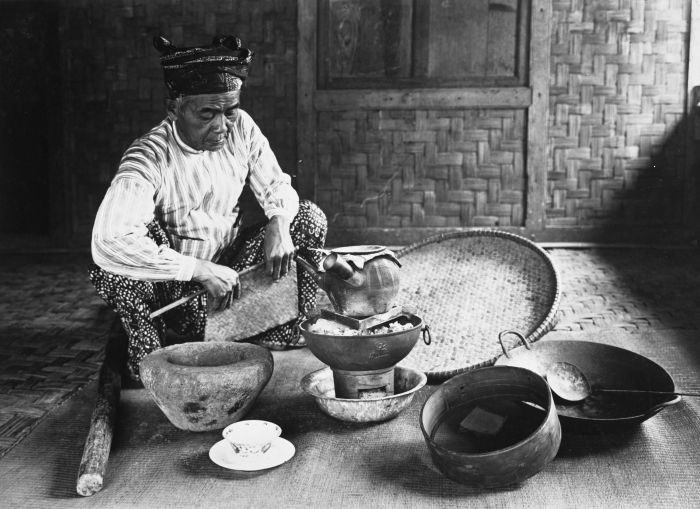 🇮🇩 Indonesia and 2 moreDukun
A traditional healer and spirit medium in Indonesian folk practiceTradition · Healing · Seeing and foretelling Living
🇬🇧 United KingdomGlaistig
A Scottish shape-shifting spirit linked to cattle, deer, and haunted castles.Being · Protection · Cursing and harm Legendary
🇮🇩 Indonesia and 2 moreDukun
A traditional healer and spirit medium in Indonesian folk practiceTradition · Healing · Seeing and foretelling Living
🇬🇧 United KingdomGlaistig
A Scottish shape-shifting spirit linked to cattle, deer, and haunted castles.Being · Protection · Cursing and harm Legendary