Shiranui
In its own language: 不知火
from Japanese shiranui, meaning unknown fire
Atmospheric ghost lights of the Yatsushiro and Ariake Seas in Japan
Shiranui are atmospheric optical phenomena appearing as flickering flames on the water off Kyushu. Historically viewed as spirits or divine lamps, they are now understood as refracted light from shore sources.
- Shiranui means unknown fire in Japanese
- Lights appear in the Yatsushiro and Ariake Seas
- Emperor Keiko used them as navigation markers
- Scientists attribute them to light refraction
- Tidal flats create the necessary air conditions
What it is
Shiranui refers to a series of strange lights seen on the surface of the sea near Kyushu, Japan. The name translates to unknown fire. These lights look like burning torches floating on the water. They appear several kilometers from the shore. Observers see one or two initial flames that split into many more. The lights can stretch for several kilometers along the coast. People once thought these were spirits or divine signs. Today, scientists classify them as an optical effect caused by light bending through air layers.
Where it comes from
Ancient texts link the lights to Emperor Keiko’s conquest of Kumamoto. He reportedly used the glowing spots as navigation markers. Local leaders did not recognize the fires, so he named them unknown fire. The region became known as the Land of Fire. Folklore also connected the lights to the Dragon God. Fishermen avoided the waters when the lights appeared. Later records describe the lights as father fires that multiply into long lines. These accounts show how communities interpreted natural events before modern science.
How it is done
The lights usually start as one or two bright spots late at night. They grow longer and split into hundreds or thousands of points. The display can last until dawn. The lights seem to move away if approached. They are visible from land but hard to see from the water. Strong winds or rain stop the phenomenon. The lights often align with the tide levels. They disappear when the sun rises or weather changes.
Tools and materials
Fishing boats provide the original light sources. Tidal flats create temperature differences in the air. These air layers bend the light from distant shores. The effect relies on specific weather conditions. Calm winds and clear skies help the light travel. Low tides expose mudflats that cool the air. This cooling creates the necessary refraction layers. No special tools are needed to witness the event.
Shiranui, drawn and placed
- Living
- Revived
- Fading
- Historical
- Legendary
- Performed
- Lineage
- yōkai folklore
- Timing
- at low tide and dawn
What it is for
Historically, the lights served as landmarks for navigation. Communities believed they signaled the presence of the Dragon God. Fishermen stopped working when the lights appeared. Some saw them as omens or spiritual visits. Modern viewers watch them for wonder and curiosity. Scholars study them to understand atmospheric physics. The lights have no practical use today beyond tourism.
Peoples and places
The phenomenon is specific to Kyushu in Japan. It occurs mainly in the Yatsushiro and Ariake Seas. Different regions have their own names for similar lights. Hitodama and will-o'-the-wisp are related concepts elsewhere. Japanese folklore treats these lights as yōkai or spirits. Other cultures interpret wandering lights as ghosts or divine signs.
At a glance: who, where and when
Peoples
Belief worlds
When it is done
The lights appear most often during specific lunar days. They are common around the new moon phase. Low tides and calm winds increase visibility. The best viewing times are near dawn. Some records mention sightings in February and September. Weather patterns dictate when the lights form.
How scholars and sceptics see it
Researchers have studied the lights since the early twentieth century. Early theories suggested volcanic activity or jellyfish. Later studies pointed to light refraction from fishing boats. Scientists measured air temperatures and tidal movements. They confirmed that heat shimmer causes the distortion. Modern pollution and filled tidal flats make sightings rarer.
Cautions and what is closed
Pollution and coastal development reduce the lights. Filled tidal flats remove the necessary air layers. Bright city lights interfere with the faint glow. Some people profit from guiding tourists to view the lights. Misinformation about the cause persists among visitors. The lights themselves pose no physical danger.
Questions people ask about Shiranui
What does Shiranui mean?
The name translates to unknown fire. It describes the mysterious flames seen on the water in Kyushu, Japan. The term comes from historical accounts where locals could not identify the source.
Where do the lights appear?
They are found in the Yatsushiro and Ariake Seas off the coast of Kyushu. The lights float several kilometers from the shore and stretch along the coastline.
Are the lights real fire?
No. They are an optical phenomenon. Light from distant sources bends through layers of air with different temperatures. This creates the illusion of floating flames.
When is the best time to see them?
Sightings are most common during low tides and calm weather. The lights often appear late at night and fade by dawn. Specific lunar phases may influence their frequency.
Good reading and sources
The facts on this page come from the Wikipedia article "Shiranui (optical phenomenon)", written by its contributors and used under the CC BY-SA 4.0 licence, and from its Wikidata record (CC0). EveryJaadu rewrote the text in its own words, with AI assistance, and compares every page with the article to make sure no passage is copied. It may be reused under the same CC BY-SA 4.0 licence with a link back.
It may contain mistakes. Names and customs differ from one community to the next, and some knowledge is closed to outsiders and left out here. This page describes belief and practice. It does not say that any of it works, it is not a how-to, and it is not medical advice. If something is wrong, tell us. Last refreshed 2026-10-08.
More from Japan
All the entries from Japan 🇨🇳 China and 2 moreNaming taboo避諱
A cultural rule against speaking or writing the names of rulers and ancestors in East AsiaBelief · Protection Historical
🇨🇳 China and 3 moreQi氣 / 气
A vital force in Chinese philosophy and medicine, believed to flow through all living things.Substance · Healing · Power and authority Living
🇨🇳 China and 2 moreNaming taboo避諱
A cultural rule against speaking or writing the names of rulers and ancestors in East AsiaBelief · Protection Historical
🇨🇳 China and 3 moreQi氣 / 气
A vital force in Chinese philosophy and medicine, believed to flow through all living things.Substance · Healing · Power and authority Living
 🇯🇵 JapanKitsunebi狐火
Atmospheric ghost lights in Japanese folklore, often linked to foxes and natural phenomena.Belief · Wonder and entertainment · Luck and prosperity Historical
🇯🇵 JapanKitsunebi狐火
Atmospheric ghost lights in Japanese folklore, often linked to foxes and natural phenomena.Belief · Wonder and entertainment · Luck and prosperity Historical
Related elsewhere
All belief 🇩🇪 Germany and 5 moreStraw bearStrohbär
A carnival figure wrapped in straw that visits homes for gifts and marks the turning of seasons.Tradition · Luck and prosperity · Cursing and harm Living
🇩🇪 Germany and 5 moreStraw bearStrohbär
A carnival figure wrapped in straw that visits homes for gifts and marks the turning of seasons.Tradition · Luck and prosperity · Cursing and harm Living
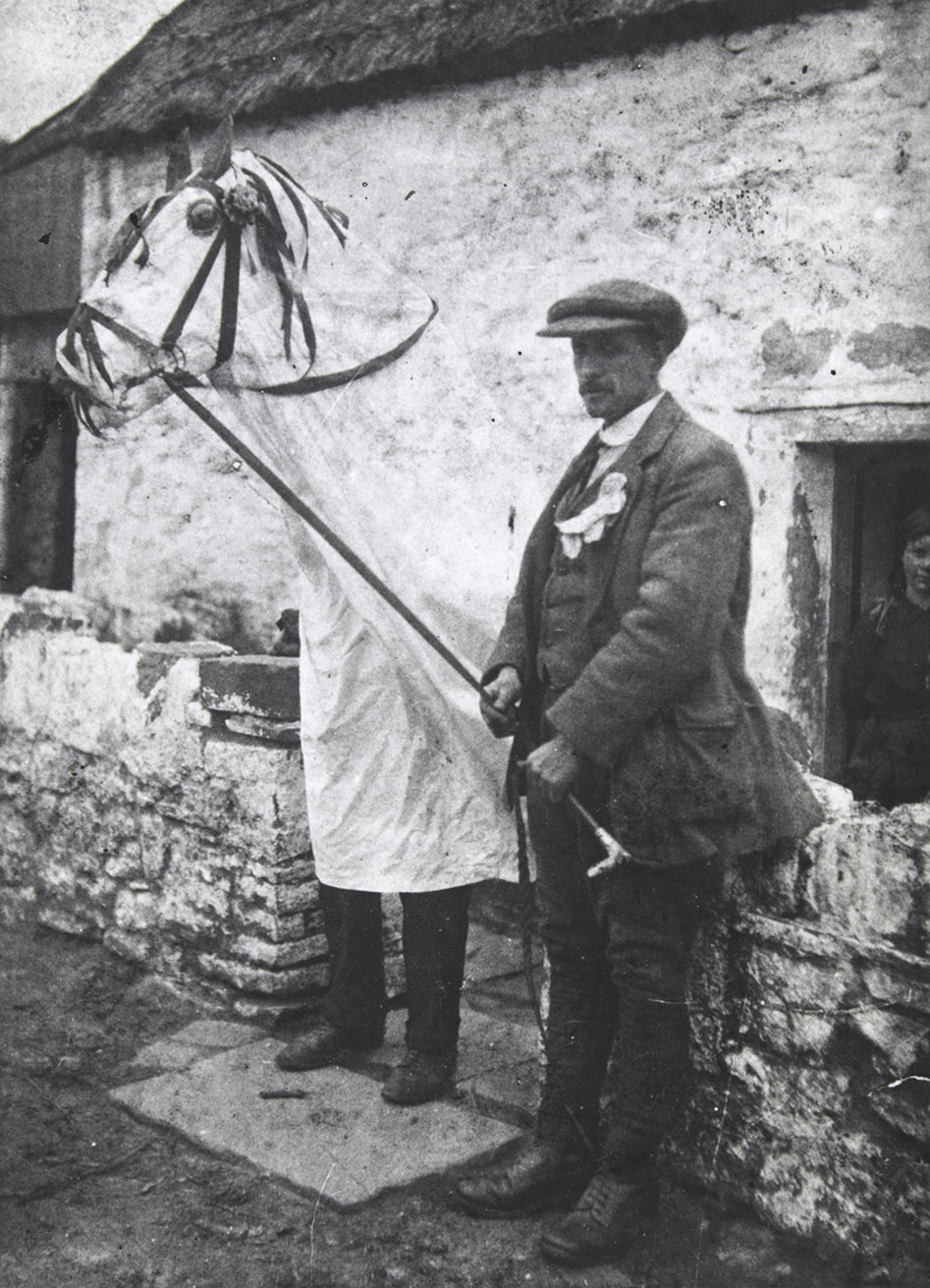 🇬🇧 United KingdomMari LwydY Fari Lwyd
A Welsh winter custom featuring a horse skull carried through villages for song and hospitality.Rite · Luck and prosperity · Wonder and entertainment Revived
🇬🇧 United KingdomMari LwydY Fari Lwyd
A Welsh winter custom featuring a horse skull carried through villages for song and hospitality.Rite · Luck and prosperity · Wonder and entertainment Revived
 🇷🇺 Russia and 3 moreFirebird
A glowing bird of Slavic folklore that brings both fortune and peril to those who seek itFigure · Wonder and entertainment · Luck and prosperity Legendary
🇷🇺 Russia and 3 moreFirebird
A glowing bird of Slavic folklore that brings both fortune and peril to those who seek itFigure · Wonder and entertainment · Luck and prosperity Legendary
 🇪🇬 EgyptSham Ennessimشم النسيم
An Egyptian spring holiday marked by picnics, colored eggs, and salted fishTradition · Luck and prosperity · Wonder and entertainment Living
🇪🇬 EgyptSham Ennessimشم النسيم
An Egyptian spring holiday marked by picnics, colored eggs, and salted fishTradition · Luck and prosperity · Wonder and entertainment Living