Tsuchinoko
In its own language: ツチノコ
from tsuchi meaning earth or hammer and ko meaning child
A snake-like cryptid from Japanese folklore said to roll like a wheel
The tsuchinoko is a legendary creature from Japanese folklore described as a thick-bodied, venomous serpent. It is believed to speak, lie, and roll into a ball to move quickly. Sightings surged in the late twentieth century, turning it into a modern cryptid.
- Named after the word for hammer and child
- Said to roll like a wheel by swallowing its tail
- Known as bachi hebi in northeastern Japan
- 1980s expedition in Shimokitayama found nothing
- Described as having viper venom and jumping ability
What it is
The tsuchinoko is a creature from Japanese folklore often classified as a yokai or a modern cryptid. It resembles a snake but has a much thicker body in the middle. People say it has fangs and venom like a viper. Some stories claim it can jump long distances and even speak. It is also known for telling lies and drinking alcohol. Legends say it swallows its own tail to roll forward like a wheel, similar to the hoop snake of American tales.
Where it comes from
The name tsuchinoko translates literally to child of hammer. This term is common in Western Japan, including the Kansai and Shikoku regions. In Northeastern Japan, the creature is called bachi hebi. The legend has existed for a long time within local folklore. However, it became widely known as a cryptid during a wave of sightings in the late 1980s. This shift moved the creature from pure myth into the realm of unexplained animal encounters.
Tsuchinoko, drawn and placed
- Living
- Revived
- Fading
- Historical
- Legendary
- Performed
- Lineage
- Japanese yokai tradition
Peoples and places
The creature is part of Japanese cultural heritage. Different regions have their own names for it. Those in the west call it tsuchinoko, while those in the northeast use bachi hebi. A major series of reported sightings occurred in Shimokitayama village in Nara Prefecture. This area saw hundreds of people searching for the animal. Other reports came from places near Lake Towada and farms in Okura.
At a glance: who, where and when
Peoples
Belief worlds
What people believe
Folklore holds that the tsuchinoko is a dangerous but elusive animal. It is feared for its viper-like venom and sharp fangs. Believers say it possesses human-like traits such as speech and deceit. Its ability to roll into a ball allows it to escape quickly. These stories explain mysterious injuries or unexplained events in rural areas. The creature remains a subject of curiosity rather than worship.
How scholars and sceptics see it
Researchers view the tsuchinoko as a mix of folklore and modern urban legend. The 1980s sighting wave in Shimokitayama was studied as a social phenomenon. A local official launched an expedition with financial rewards for capture. Despite hundreds of participants, no physical evidence was found. Scholars attribute the sightings to misidentification of known snakes or hoaxes.
Compare and confuse
The tsuchinoko is often compared to the hoop snake of North America. Both are said to roll into a circle to travel fast. It is also grouped with other Japanese yokai spirits. Unlike some mythical beasts, it lacks a specific religious function. It serves mainly as a mysterious figure in local storytelling and modern cryptid hunting.
Today
The search for the tsuchinoko continues in popular culture. The Shimokitayama Tsuchinoko Park opened in 2023 to commemorate the 1980s expeditions. Municipalities once offered large cash rewards for proof of the animal. These bounties have mostly ended. The creature remains a symbol of rural mystery and Japanese folk imagination.
Questions people ask about Tsuchinoko
What is a tsuchinoko?
It is a snake-like creature from Japanese folklore. It has a thick body and is said to have venom like a viper. Some legends claim it can speak and tell lies.
Where does the name come from?
The name means child of hammer in Japanese. It is used in western regions like Kansai. People in the northeast call it bachi hebi instead.
Has anyone ever caught one?
No physical evidence has been found. A famous expedition in the 1980s searched for it but returned empty-handed. Many believe it is a myth or misidentified snake.
How does it move?
Legends say it jumps up to a meter high. It can also swallow its tail to roll like a wheel. This helps it escape danger quickly.
Good reading and sources
- Tsuchinoko on WikipediaEncyclopedia
- More photos on Wikimedia CommonsPhotos and video
- Wikidata recordOpen data
The facts on this page come from the Wikipedia article "Tsuchinoko", written by its contributors and used under the CC BY-SA 4.0 licence, and from its Wikidata record (CC0). EveryJaadu rewrote the text in its own words, with AI assistance, and compares every page with the article to make sure no passage is copied. It may be reused under the same CC BY-SA 4.0 licence with a link back.
It may contain mistakes. Names and customs differ from one community to the next, and some knowledge is closed to outsiders and left out here. This page describes belief and practice. It does not say that any of it works, it is not a how-to, and it is not medical advice. If something is wrong, tell us. Last refreshed 2026-10-07.
More from Japan
All the entries from Japan 🇨🇳 China and 3 moreChinese dragon龍
A legendary water deity and imperial symbol in East Asian cultureBeing · Protection · Luck and prosperity Historical
🇨🇳 China and 3 moreChinese dragon龍
A legendary water deity and imperial symbol in East Asian cultureBeing · Protection · Luck and prosperity Historical
 🇯🇵 JapanOni鬼(おに)
A horned demon of Japanese folklore known for strength and evil deedsBeing · Cursing and harm · Luck and prosperity Legendary
🇯🇵 JapanOni鬼(おに)
A horned demon of Japanese folklore known for strength and evil deedsBeing · Cursing and harm · Luck and prosperity Legendary
 🇯🇵 JapanBaku獏
A Japanese spirit said to eat bad dreams and protect sleepersBeing · Protection Living
🇯🇵 JapanKuda-gitsune管狐 (kuda-gitsune)
A small spirit kept in a tube or sleeve to aid fortune-telling and cursing in Japanese folklore.Being · Seeing and foretelling · Cursing and harm Legendary
🇯🇵 JapanBaku獏
A Japanese spirit said to eat bad dreams and protect sleepersBeing · Protection Living
🇯🇵 JapanKuda-gitsune管狐 (kuda-gitsune)
A small spirit kept in a tube or sleeve to aid fortune-telling and cursing in Japanese folklore.Being · Seeing and foretelling · Cursing and harm Legendary
Related elsewhere
All being 🇬🇧 United Kingdom and 2 moreKing ArthurBrenin Arthur
A legendary British king and folk hero of medieval literature and Welsh mythologyFigure · Power and authority · Wonder and entertainment Legendary
🇬🇧 United Kingdom and 2 moreKing ArthurBrenin Arthur
A legendary British king and folk hero of medieval literature and Welsh mythologyFigure · Power and authority · Wonder and entertainment Legendary
 🇪🇬 Egypt and 1 moreSphinx
A mythical hybrid with a human head and lion body, serving as guardian or riddler in Egyptian and Greek traditions.Being · Protection · Wonder and entertainment Legendary
🇪🇬 Egypt and 1 moreSphinx
A mythical hybrid with a human head and lion body, serving as guardian or riddler in Egyptian and Greek traditions.Being · Protection · Wonder and entertainment Legendary
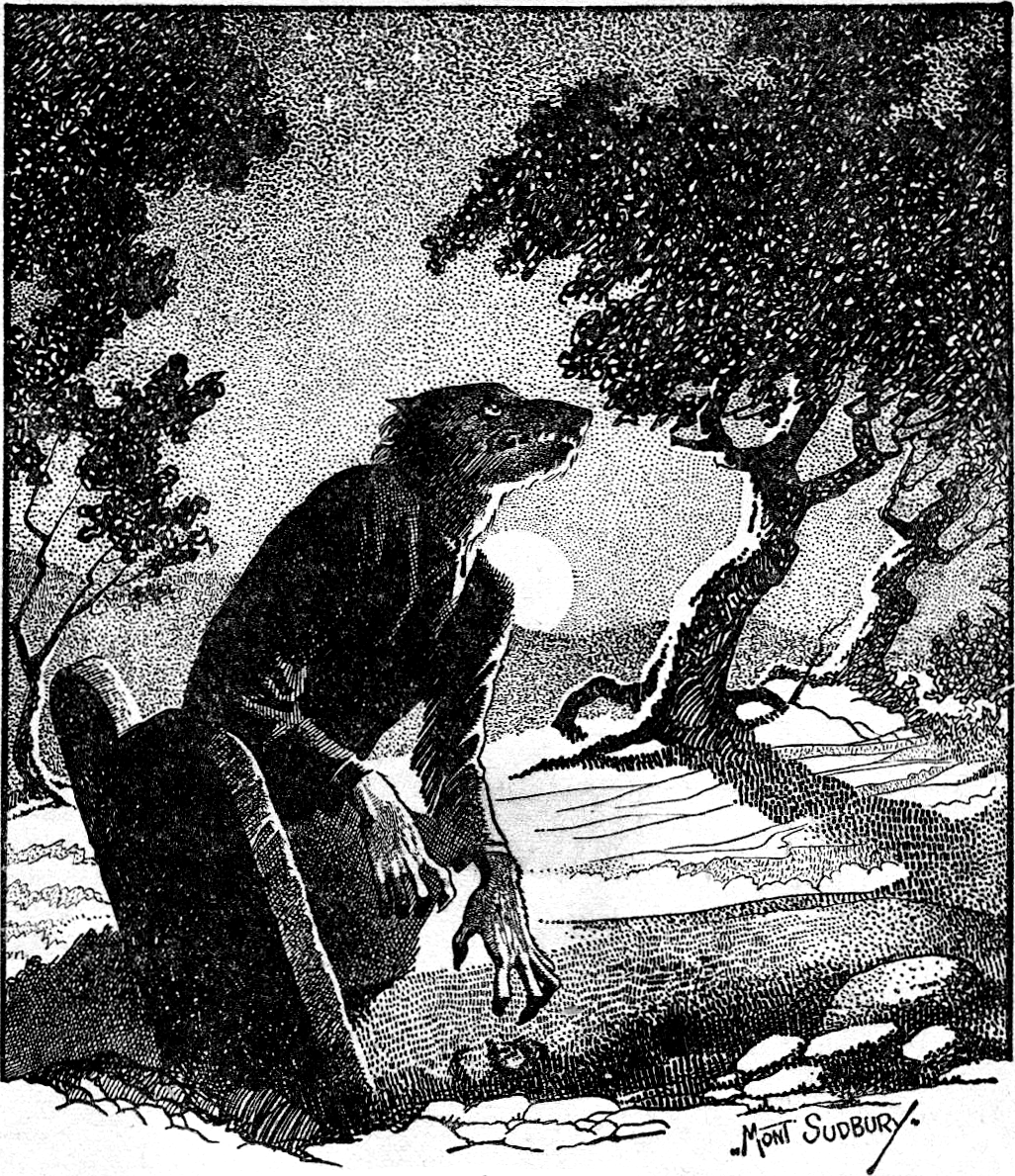 🇫🇷 France and 5 moreWerewolf
A mythical shapeshifter that turns into a wolf, central to European witch-hunts and Gothic horror.Being · Cursing and harm · Wonder and entertainment Legendary
🇫🇷 France and 5 moreWerewolf
A mythical shapeshifter that turns into a wolf, central to European witch-hunts and Gothic horror.Being · Cursing and harm · Wonder and entertainment Legendary
 🇪🇸 Spain and 5 moreSt John's Eve
A Christian vigil marked by bonfires and plant gathering on the summer solstice eveRite · Protection · Speaking with spirits and the dead Living
🇪🇸 Spain and 5 moreSt John's Eve
A Christian vigil marked by bonfires and plant gathering on the summer solstice eveRite · Protection · Speaking with spirits and the dead Living