Nyūdō-bōzu
In its own language: 入道坊主
A Japanese yokai that grows taller when stared at and can kill or vanish depending on the response
The nyūdō-bōzu is a Japanese yokai known for changing size based on how long it is observed. It appears in regions like Aichi, Fukushima, and Nagano with varying forms from a small monk to a weasel or tanuki.
- Grows taller the longer one looks up at it
- Saying 'I've seen it' makes it disappear in Aichi
- Speaking back causes death in local tales
- Identified as a weasel in Fukushima Prefecture
- True form is tanuki or mujina in Nagano
What it is
The nyūdō-bōzu is a type of yōkai found in Japanese folklore. Its most defining trait is its ability to change height based on observation. When first seen, it may appear as a small figure, but as one looks up or gets closer, it grows into a large man. This behavior classifies it as a mikoshi-nyūdō. In some areas, it is described as a small bōzu, while in others, it takes the form of an animal such as a weasel or tanuki.
Where it comes from
These legends are documented in several prefectures across Japan. Early accounts come from Tsukude in Aichi Prefecture. Later reports include locations in Fukushima, Miyagi, and Nagano. The creature is part of a broader category of yokai that exhibit similar growth characteristics when stared at.
How it is done
In Aichi, the encounter ends if the observer says 'I've seen it.' If the yokai speaks instead, death results. In Fukushima, it attacks by gnawing at windpipes. Survivors are advised not to startle when it steps on their shoulder. Grasping the leg and stomping it on the ground is said to destroy it. In Nagano and Miyagi, it is linked to tanuki or mujina forms.
Nyūdō-bōzu, drawn and placed
- Living
- Revived
- Fading
- Historical
- Legendary
- Performed
- Lineage
- Japanese folklore
What it is for
The nyūdō-bōzu is primarily associated with harm. In northern regions, it is believed to kill people by attacking their throats. It serves as a cautionary figure in local tales, warning against staring too long or reacting with fear during encounters.
Peoples and places
The legend varies by region. In Aichi, it is a human-like monk that grows tall. In Fukushima, it is a weasel that kills via throat attacks. Nagano identifies it as a tanuki or mujina. Miyagi also links it to the mujina. These differences show how local folklore adapts the same core concept of a deceptive, growing entity.
At a glance: who, where and when
Peoples
Belief worlds
What people believe
The belief centers on the power of observation and reaction. Staring causes growth. Speaking triggers death. Physical resistance, like stomping the creature's leg, can defeat it. The yokai relies on misdirection, often stepping on shoulders to startle victims before striking.
Compare and confuse
It is related to other mikoshi-nyūdō types that share the trait of growing when looked at. It differs from standard yokai by this specific visual mechanic and the requirement for a verbal or physical counter-response to survive.
Questions people ask about Nyūdō-bōzu
What is the nyūdō-bōzu?
It is a Japanese yokai that changes size based on observation. It starts small and grows tall when stared at, appearing in regions like Aichi and Fukushima.
How do you stop it from killing you?
In Aichi, saying 'I've seen it' makes it vanish. In Fukushima, stomping its leg on the ground after it steps on your shoulder is said to destroy it.
What does it look like?
It can be a small monk, a large man, a weasel, or a tanuki. The form depends on the region, such as Aichi, Fukushima, or Nagano.
Where does this legend come from?
It originates in Japan, with early records from Aichi Prefecture and later accounts in Fukushima, Miyagi, and Nagano.
Good reading and sources
The facts on this page come from the Wikipedia article "Nyūdō-bōzu", written by its contributors and used under the CC BY-SA 4.0 licence, and from its Wikidata record (CC0). EveryJaadu rewrote the text in its own words, with AI assistance, and compares every page with the article to make sure no passage is copied. It may be reused under the same CC BY-SA 4.0 licence with a link back.
It may contain mistakes. Names and customs differ from one community to the next, and some knowledge is closed to outsiders and left out here. This page describes belief and practice. It does not say that any of it works, it is not a how-to, and it is not medical advice. If something is wrong, tell us. Last refreshed 2026-10-07.
More from Japan
All the entries from Japan 🇨🇳 China and 3 moreChinese dragon龍
A legendary water deity and imperial symbol in East Asian cultureBeing · Protection · Luck and prosperity Historical
🇨🇳 China and 3 moreChinese dragon龍
A legendary water deity and imperial symbol in East Asian cultureBeing · Protection · Luck and prosperity Historical
 🇯🇵 JapanOni鬼(おに)
A horned demon of Japanese folklore known for strength and evil deedsBeing · Cursing and harm · Luck and prosperity Legendary
🇯🇵 JapanOni鬼(おに)
A horned demon of Japanese folklore known for strength and evil deedsBeing · Cursing and harm · Luck and prosperity Legendary
 🇯🇵 JapanBaku獏
A Japanese spirit said to eat bad dreams and protect sleepersBeing · Protection Living
🇯🇵 JapanKuda-gitsune管狐 (kuda-gitsune)
A small spirit kept in a tube or sleeve to aid fortune-telling and cursing in Japanese folklore.Being · Seeing and foretelling · Cursing and harm Legendary
🇯🇵 JapanBaku獏
A Japanese spirit said to eat bad dreams and protect sleepersBeing · Protection Living
🇯🇵 JapanKuda-gitsune管狐 (kuda-gitsune)
A small spirit kept in a tube or sleeve to aid fortune-telling and cursing in Japanese folklore.Being · Seeing and foretelling · Cursing and harm Legendary
Related elsewhere
All being 🇷🇸 Serbia and 5 moreVampire
An undead creature from folklore that feeds on the blood or life force of the livingBeing · Cursing and harm · Luck and prosperity Legendary
🇷🇸 Serbia and 5 moreVampire
An undead creature from folklore that feeds on the blood or life force of the livingBeing · Cursing and harm · Luck and prosperity Legendary
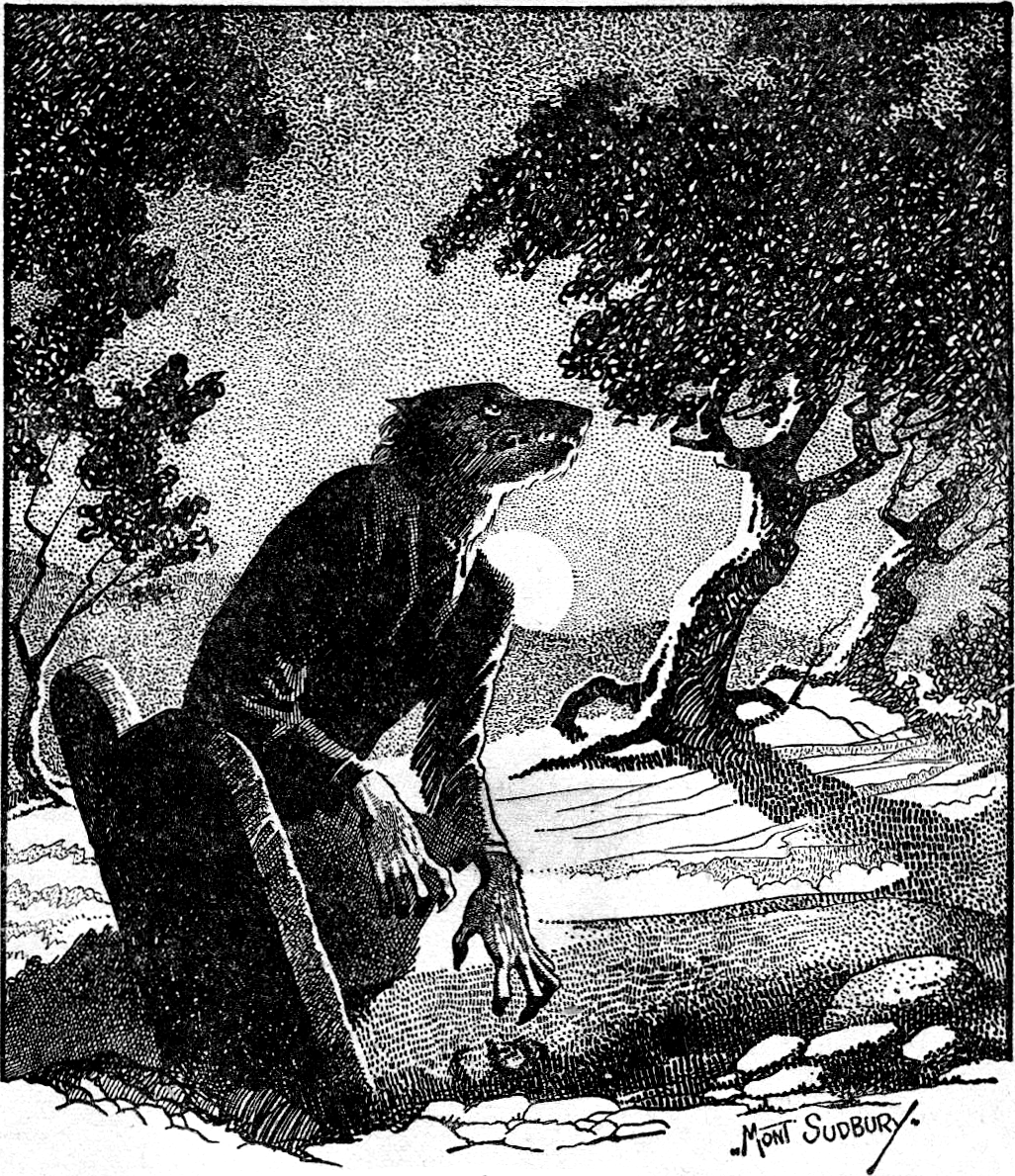 🇫🇷 France and 5 moreWerewolf
A mythical shapeshifter that turns into a wolf, central to European witch-hunts and Gothic horror.Being · Cursing and harm · Wonder and entertainment Legendary
🇫🇷 France and 5 moreWerewolf
A mythical shapeshifter that turns into a wolf, central to European witch-hunts and Gothic horror.Being · Cursing and harm · Wonder and entertainment Legendary
 🇪🇬 Egypt and 1 moreLilithלִילִית
A feminine figure from Mesopotamian and Jewish mythology, often depicted as a night demon or spirit.Being · Cursing and harm Legendary
🇪🇬 Egypt and 1 moreLilithלִילִית
A feminine figure from Mesopotamian and Jewish mythology, often depicted as a night demon or spirit.Being · Cursing and harm Legendary
 🇪🇬 EgyptCurse
A spoken wish for misfortune to befall a person or placeBelief · Cursing and harm · Luck and prosperity Historical
🇪🇬 EgyptCurse
A spoken wish for misfortune to befall a person or placeBelief · Cursing and harm · Luck and prosperity Historical