🇮🇳 Magic in India
350 entries from India, best known first, across 80 places of magic.
Tantra is an esoteric yogic tradition from the Indian subcontinent, initially within Shaivism and Shaktism, later in Buddhism and Vaishnavism. It views the body as divine and uses mantras and rituals to achieve spiritual goals like liberation or supernatural power.
- Tantra means loom or weave in Sanskrit
- It began in India around the 1st millennium CE
- Mantras are central to tantric practice
- Sexual practices are rare and restricted
- Vajrayana Buddhism uses tantric ideas
Overview
Tantra developed in India around the middle of the first millennium CE. It began in Shaivism and Shaktism before spreading to Buddhism and Vaishnavism. The word means loom or weave, suggesting a system that interlaces different teachings. Practitioners see the human body as a reflection of the cosmos. They aim for union with the divine through complex cosmologies. This path is also called the Path of Mantra. It shares influences with Jainism, Taoism, and Shinto. Western views often wrongly link it to sex, but scholars say sexual practices are rare and restricted.
Practices and beliefs
Practitioners use mantras, rituals, and yoga to transform the self. Goals include siddhi, supernatural accomplishment, and kundalini ascent. Texts describe systems for worship and meditation. Deities, both male and female, are central to ritual worship. Magic, sorcery, and divination appear in these texts. The subtle body is mapped to cosmic elements. Geometric patterns called mandalas guide meditation. Initiation by a teacher is required for many advanced techniques.
Rites and charms
Rites focus on sādhanā, which includes initiation and daily practice. Puja, or ritual worship, honors deities and icons. Meditation helps awaken inner energy. Physical purification techniques cleanse the body and mind. Specific gestures and sounds assign meaning to sacred spaces. The house is swept and salt is thrown at the door in some folk contexts, though Tantra focuses more on internal transformation. These rites are said to protect against negative forces and aid spiritual progress.
Who practises
Tantrikas are adepts who follow specific tantric lineages. They undergo diksha, or initiation, to receive knowledge. Teachers guide students through complex practices. Scholars note that living traditions are often secretive. Ethnography of these groups remains scarce due to this secrecy. Practitioners view their path as a way to realize non-duality. They mix tantric elements with other religious aspects freely.
Regions and communities
Tantra spread across South and East Asia. In Tibet, it influenced Vajrayana Buddhism. Japan has Shingon Buddhism, which uses tantric ideas. China developed Esoteric Buddhism based on Indian tantras. Nepal has Newar Buddhist traditions with tantric roots. Southern Esoteric Buddhism parallels tantric ideas without direct reference. These regional variations show how the tradition adapted to local cultures while keeping core concepts.
The calendar
The text does not specify particular festivals or seasonal events for tantric rites. Practices are often tied to personal sadhana rather than public calendars. Life events may involve tantric rituals for protection or blessing. However, no detailed calendar of ceremonies is provided in the source material.
Law and the state
No information is given about legal status or persecution. The text mentions colonial-era definitions but not modern laws. Western scholarship historically labeled tantra as occult or secret. This was a construction by 19th-century Indologists. There is no mention of state treatment or witch-hunts in the provided article.
Today
Modern views often misrepresent tantra as erotic. Scholars work to correct this by studying texts and living traditions. Anthropological study is difficult due to the secretive nature of practitioners. Some researchers try to demystify the myth of secrecy. The tradition continues to influence Hindu, Buddhist, and Jain practices globally.
The facts in this overview come from the Wikipedia article "Tantra", written by its contributors and used under the CC BY-SA 4.0 licence. EveryJaadu rewrote the text in its own words, with AI assistance, and compares every page with the article to make sure no passage is copied. It may be reused under the same CC BY-SA 4.0 licence with a link back.
Places of magic in India
 🇮🇳 IndiaIndian rope trick
A legendary stage illusion involving a levitating rope and a disappearing boy assistantIllusion · Wonder and entertainment Legendary
 🇬🇷 Greece and 4 moreSword swallowing
A performance art where a blade is passed down the throat into the stomachIllusion · Wonder and entertainment Living
 🇮🇳 India and 1 moreCard throwing
The performance art of throwing playing cards with precision for stage magic and records.Illusion · Wonder and entertainment Living
 🇹🇷 Turkey and 2 moreApollonius of TyanaἈπολλώνιος ὁ Τυανεύς
A first-century philosopher and miracle worker whose life became a legend of divine power.Figure · Wonder and entertainment Historical
 🇮🇳 India and 5 moreSnake charming
A street performance using a gourd flute to make snakes swayIllusion · Wonder and entertainment · Luck and prosperity Fading
 🇮🇳 India and 5 moreMandalaमण्डल
A sacred geometric design used in Indian religions for meditation and spiritual mapping.Tradition · Speaking with spirits and the dead · Wonder and entertainment Living
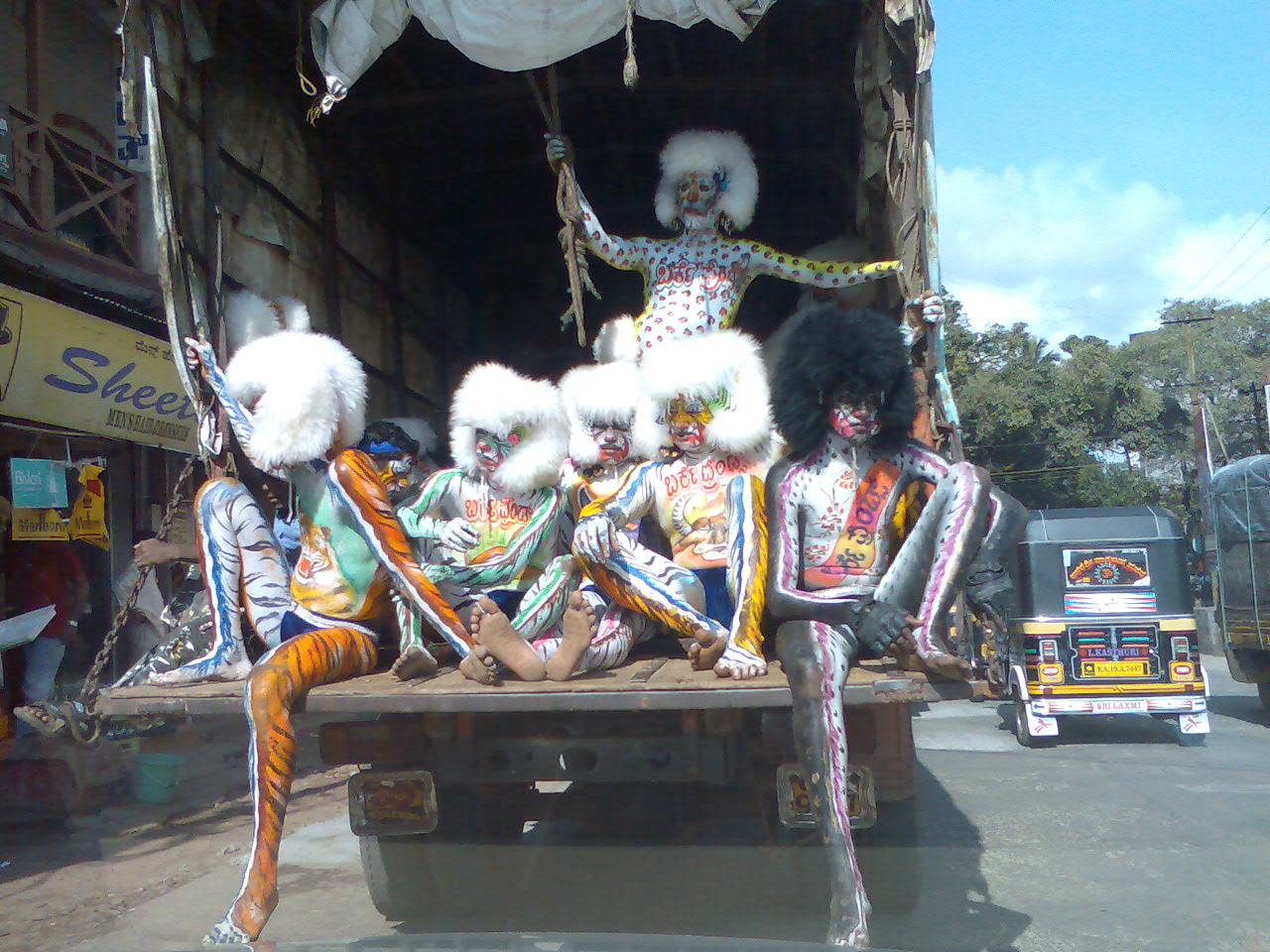 🇮🇳 IndiaPili Yesaಪಿಲಿವೇಷ
A coastal Karnataka folk dance where performers paint themselves as tigers to honour the Goddess DurgaIllusion · Speaking with spirits and the dead · Luck and prosperity Living
 🇺🇸 United States and 5 moreMediumship
The practice of mediating communication between the living and spirits of the dead.Tradition · Speaking with spirits and the dead · Healing Living
 🇳🇵 Nepal and 1 moreMatsyendranathMacchindranāth, Mīnanātha
A yogi and rain deity revered across Hindu and Buddhist traditions in South Asia.Figure · Power and authority · Wonder and entertainment Living
 🇮🇳 India and 1 moreRangoliरंगोली
A floor art form from India using powders and flowers to welcome guests and deitiesTradition · Protection · Luck and prosperity Living
 🇮🇳 India and 1 moreFire eating
A stage act of extinguishing flames in the mouth using physics and skillIllusion · Wonder and entertainment Performed
 🇮🇳 India and 1 moreMantraमन्त्रम्
A sacred sound or phrase repeated to focus the mind and invoke spiritual powerText · Speaking with spirits and the dead · Power and authority Living
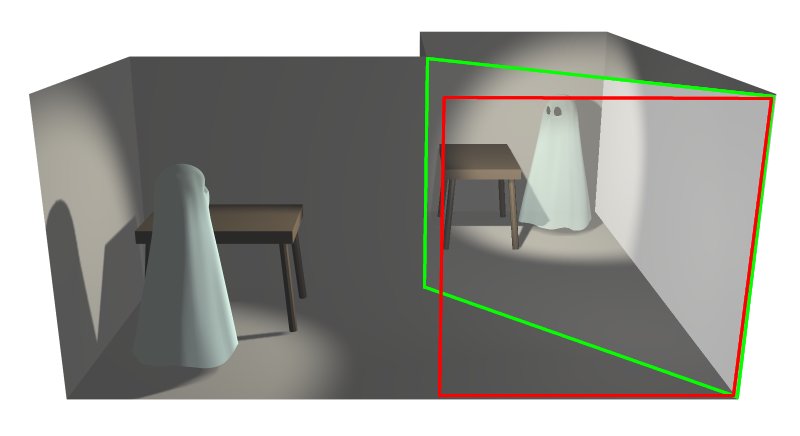 🇬🇧 United Kingdom and 5 morePepper's ghost
A stage illusion using angled glass to project hidden actors as visible ghostsIllusion · Wonder and entertainment Living
 🇮🇳 IndiaStreet magic
Public performance of illusions for passersby, from traditional busking to impromptu guerrilla tricksIllusion · Wonder and entertainment Living
🇪🇬 Egypt and 2 moreCups and balls
A classic stage illusion where objects vanish and reappear under inverted coversIllusion · Wonder and entertainment Living
 🇺🇸 United States and 5 moreBullet catch
A stage illusion where a magician appears to catch a fired bullet in their mouth or handIllusion · Wonder and entertainment Living
 🇮🇳 India and 2 moreApsaraअप्सरस् (Sanskrit), អប្សរា (Khmer)
Celestial water spirits and dancers from Hindu and Buddhist traditions across South and Southeast AsiaBeing · Wonder and entertainment Legendary
 🇺🇸 United States and 5 moreNeoshamanism
A modern spiritual movement adapting shamanic techniques for Western seekers outside their traditional cultures.Tradition · Healing · Change and initiation Living
 🇮🇳 IndiaIndrajalaइन्द्रजाल
A Sanskrit term for illusion and conjuring, linking stage magic to Hindu philosophy.Belief · Wonder and entertainment · Cursing and harm Historical
🇺🇸 United States and 5 moreNeoshamanism
A modern spiritual practice adapting shamanic techniques for personal growth outside traditional cultures.Tradition · Healing · Power and authority Living
 🇮🇳 India and 5 moreKinnaraकिन्नर (Sanskrit)
A half-human, half-bird creature from Hindu and Buddhist myth, known for music and devotion.Being · Love and attraction · Wonder and entertainment Legendary
 🇷🇺 Russia and 1 moreVegetable Lamb of Tartary
A legendary plant-animal from Central Asia said to grow sheep as fruitFigure · Wonder and entertainment Legendary
 🇮🇳 IndiaSnow Lionགངས་སེང་གེ་
A celestial mountain guardian of Tibet embodying fearlessness, bliss, and the DharmaBeing · Protection · Power and authority Living
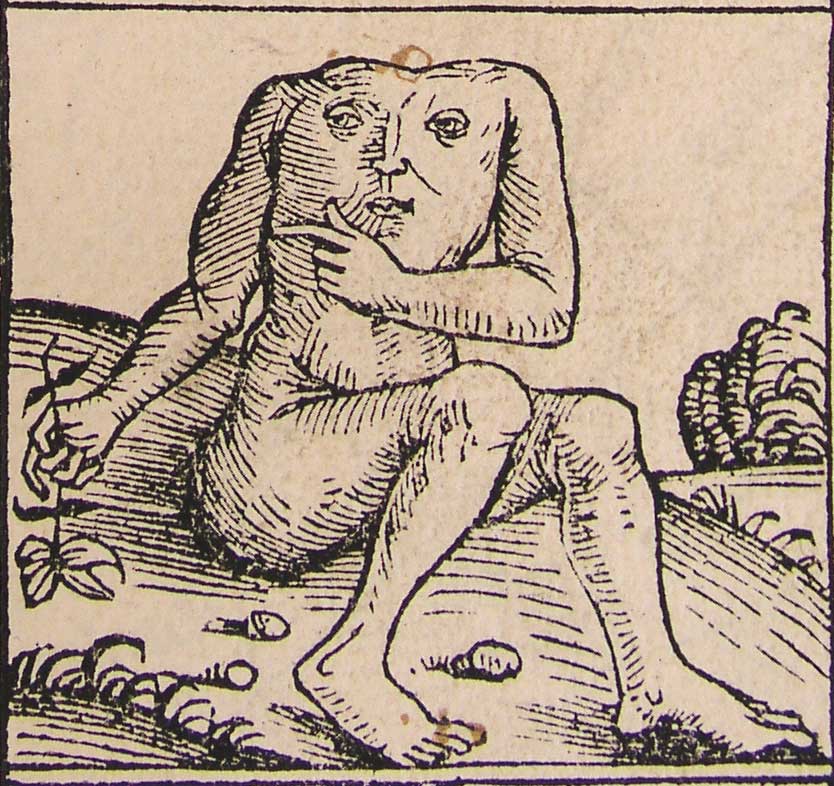 🇱🇾 Libya and 4 moreHeadless men
A legendary race of people described as lacking heads or having facial features on their chest.Being · Wonder and entertainment Legendary
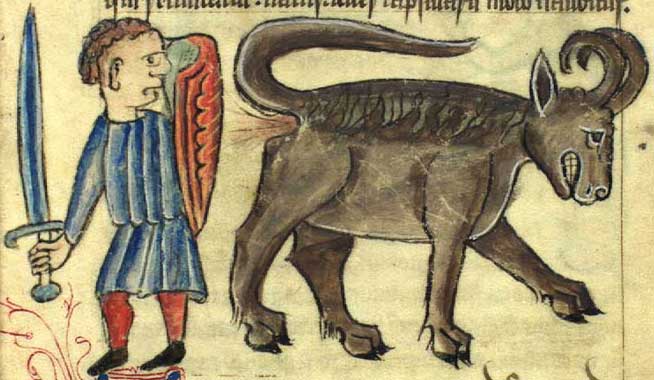 🇮🇳 IndiaBonnaconβόνασος
A legendary bull that defends itself with burning excrementBeing · Wonder and entertainment Legendary
 🇮🇳 India and 1 moreTarand
A legendary reindeer-like creature said to change its hair colour like a chameleon.Being · Wonder and entertainment Legendary
🇨🇳 China and 4 moreHuoshu火鼠
A legendary fire-resistant rat from Chinese folklore said to yield self-cleaning cloth.Being · Wonder and entertainment Legendary
 🇮🇳 IndiaBappiriyan Theyyam
A North Malabar ritual performance blending Hindu and Muslim mythic figuresRite · Wonder and entertainment Living
 🇸🇨 Seychelles and 2 moreLegends of the Coco de Mer
Myths surrounding a rare palm nut shaped like human body partsBelief · Wonder and entertainment Historical
 🇮🇳 India and 1 moreVimanaविमान
Mythological flying palaces and chariots from Hindu and Jain textsFigure · Wonder and entertainment Legendary
 🇮🇳 IndiaIndian basket trick
A stage illusion where an assistant vanishes inside a pierced wicker containerIllusion · Wonder and entertainment Historical
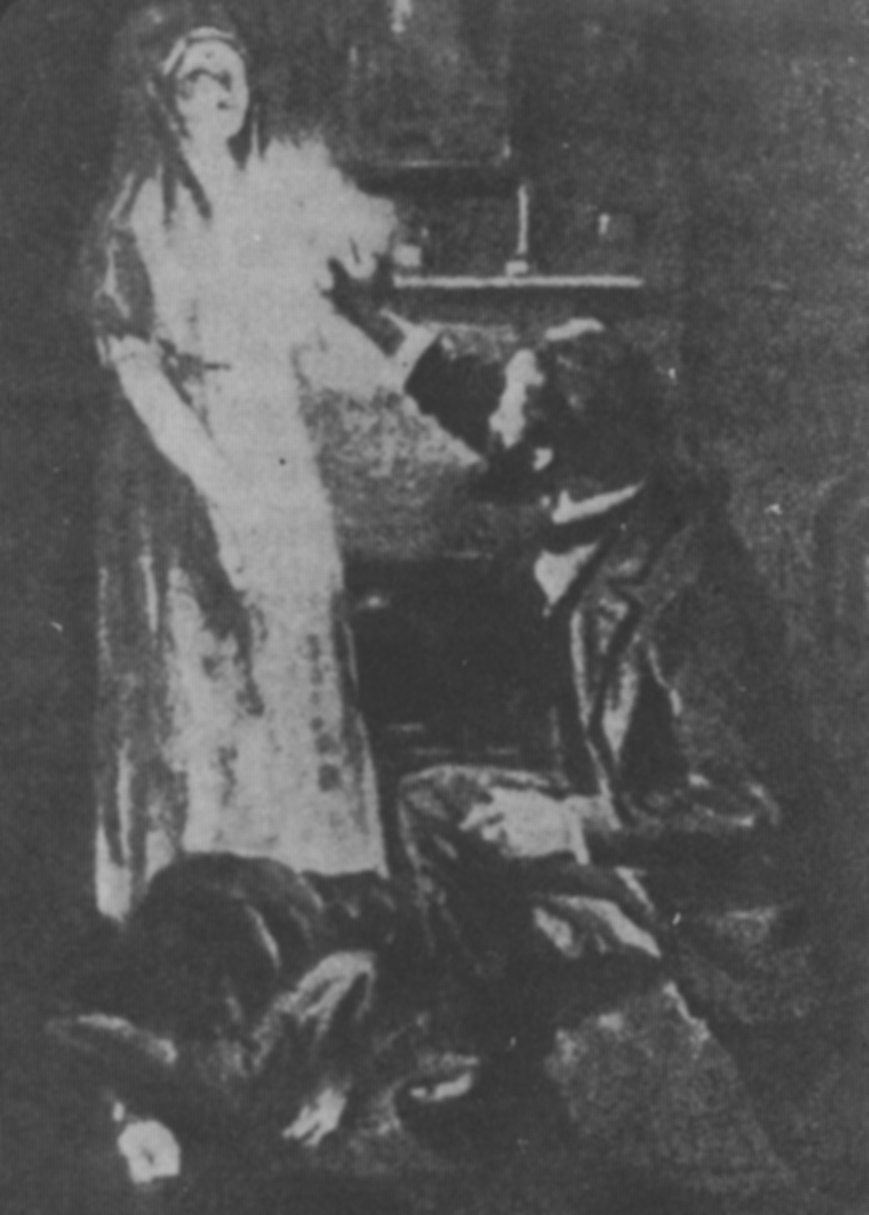 🇩🇪 Germany and 3 moreMaterialization (paranormal)
The claimed appearance of matter from unknown sources in spiritualist séancesBelief · Wonder and entertainment Historical
🇮🇳 IndiaLaphumatonꯂꯐꯨꯃꯇꯣꯟ
A Meitei folktale of a plantain-named hero, a golden lotus and a cruel king's tests.Figure · Wonder and entertainment Legendary
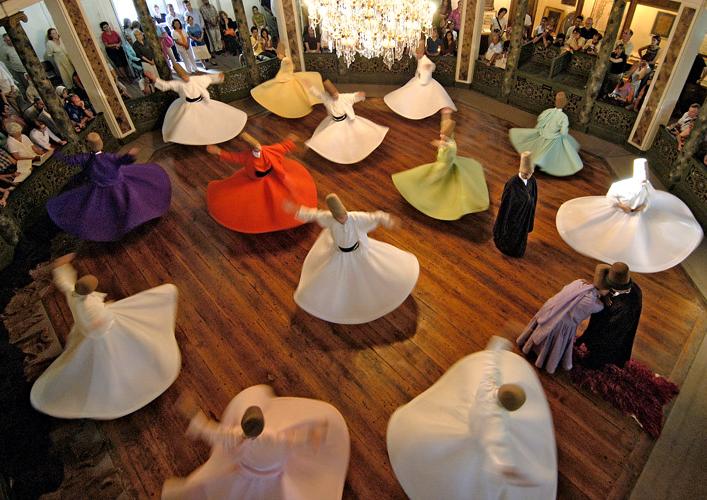 🇹🇷 Turkey and 3 moreSufi whirlingSemazen
A spinning meditation practiced by Sufi dervishes to reach spiritual connection with Allah.Tradition · Speaking with spirits and the dead · Love and attraction Living
🇮🇳 IndiaPandi
A legendary race of giant-eared people from ancient geographic textsBeing · Wonder and entertainment Legendary
🇮🇳 IndiaKhongjomnubi NonggarolKhongchomnupi Nongkalol
A Meitei puya with two stories of transformation and ascent to the sky.Text · Wonder and entertainment Historical
🇮🇳 IndiaKeśin
A Vedic hymn describing long-haired ascetics who travel on the wind and share a cup with Rudra.Tradition · Power and authority · Wonder and entertainment Historical
 🇬🇷 Greece and 2 moreClassical elements
Ancient theories that explain all matter as combinations of earth, water, fire, air, and aetherBelief · Wonder and entertainment Historical
 🇮🇳 India and 1 moreFire (classical element)
A classical substance of heat and transformation in Greek, Indian, and Western esoteric traditionsSubstance · Change and initiation · Power and authority Historical
 🇮🇳 IndiaAbarimon
A mythical tribe with reversed feet, said to inhabit the Himalayas and run at extreme speeds.Figure · Wonder and entertainment Legendary
🇮🇳 IndiaBaakবাক
A shapeshifting water spirit from Assamese folklore that mimics humans and fears torn nets.Being · Cursing and harm · Wonder and entertainment Living
Photo credits on this page
The small pictures above come from Wikimedia Commons under free licences. Some are cropped to fit.
- Magic: Hieronymus Bosch and workshop / Workshop of Hieronymus Bosch / After H, Public domain, source
- Indian basket trick: Samri Baldwin, Public domain, source
- Card throwing: Felbify, CC BY 3.0, source
- Fire eating: Arvind Jain, CC BY-SA 2.0, source
- Pili Yesa: Premnath Kudva, CC BY 3.0, source
- Mandala: Marion Golsteijn, CC BY-SA 3.0, source
- Materialization (paranormal): Unknown author, Public domain, source
- Sufi whirling: myself, Public domain, source
- Snake charming: Paris75000, Public domain, source
- Bonnacon: unknown (medieval) author, Public domain, source
- Mediumship: Harvey Metcalfe, Public domain, source
- Bullet catch: Dave Fayram, CC BY 2.0, source
- Snow Lion: John Hill, CC BY-SA 4.0, source
- Neoshamanism: Carptrash, CC BY-SA 4.0, source
- Indian rope trick: Anonymous Unknown author, CC0, source
- Headless men: Hartmann Schedel (1440-1514), Public domain, source
- Vegetable Lamb of Tartary: Unknown author, Public domain, source
- Tarand: Anonymous Unknown author, Public domain, source
- Matsyendranath: Unknown author, Public domain, source
- Indrajala: Abishekrl15156, CC BY-SA 4.0, source
- Pepper's ghost: The original uploader was Wapcaplet at English Wikipedia ., CC BY-SA 3.0, source
- Apsara: Unknown author, CC0, source
- Sword swallowing: Jeff Kubina, CC BY-SA 2.0, source
- Mantra: Markrosenrosen, CC BY-SA 3.0, source
- Kinnara: ผู้สร้างสรรค์ผลงาน/ส่งข้อมูลเก็บในคลังข้อมูลเสรีวิกิมีเดียคอมมอนส์ - เ, Public domain, source
- Abarimon: Hartmann Schedel (1440-1514),, Public domain, source
- Bappiriyan Theyyam: Sumalkv, CC BY-SA 4.0, source
- Apollonius of Tyana: Zde, CC BY-SA 4.0, source
- Classical elements: Unknown author, Public domain, source
- Fire (classical element): Correogsk, CC BY-SA 3.0, source
- Legends of the Coco de Mer: Brocken Inaglory, CC BY-SA 3.0, source
- Vimana: thesandiegomuseumofartcollection, Public domain, source
- Rangoli: SreeramKalyan, CC0, source
The weekly digest
Every Monday: seven entries you may not know, what is on the calendar this week, and one rite drawn step by step.