
Bappiriyan Theyyam is a folk ritual from Kerala, India. It portrays a figure linked to both Islamic merchant lore and the Hindu epic Ramayana. The performance includes climbing coconut trees as part of its enactment.
- Performed in North Malabar, Kerala, India
- Type of Mappila Theyyam
- Climbs coconut trees and kicks them
- Blends Muslim merchant and Hindu goddess myths
- Practiced by the Vannan community
What it is
Bappiriyan Theyyam is a ritual performance found in the North Malabar region of Kerala, India. It belongs to the Mappila Theyyam tradition. The figure represents a blend of cultural narratives. Some stories identify Bappiriyan as a Muslim merchant. Others link him to the Hindu deity Hanuman. The performance is known for its physical demands and dramatic storytelling elements.
Where it comes from
The ritual originates in Kerala, specifically within the North Malabar area. It is performed by the Vannan community. The mythology combines distinct religious traditions. One narrative involves a Muslim captain and a Hindu goddess named Arya Poonkani. Another connects the figure to the Ramayana epic. These stories reflect historical interactions between different communities in the region.
How it is done
Performers enact specific actions drawn from the myths. A central element involves climbing tall coconut trees. The performer shakes the tree and kicks it to drop coconuts. This act mimics the legend where Bappiriyan drops coconuts in anger. The performance requires significant physical skill and balance. Falls from the trees are common and can result in serious injury.
Tools and materials
The primary prop used in the ritual is the coconut tree. Performers climb these trees to execute key parts of the story. The natural environment serves as the stage for the performance.
Bappiriyan Theyyam, drawn and placed
- Living
- Revived
- Fading
- Historical
- Legendary
- Performed
- Lineage
- Hinduism
What it is for
The performance serves as a cultural expression of religious harmony. It brings together Hindu and Muslim mythological themes. The ritual is believed to honor the deities or figures depicted. It also demonstrates the skills of the Vannan performers. The audience witnesses the physical feats and narrative reenactment.
Who does it
The Vannan community performs this Theyyam in Kerala. Performers must be trained to handle the dangerous aspects of the ritual. Climbing trees and kicking them to drop fruit requires strength and agility. Injuries are a known risk of the practice. The performers act out the roles defined by the local myths.
Peoples and places
The ritual is specific to the Mappila culture of Kerala. It is performed in the North Malabar region. The Vannan community are the primary practitioners. The stories highlight interactions between Hindu and Muslim groups. This reflects the diverse social fabric of the area.
At a glance: who, where and when
Who does it
Peoples
Belief worlds
What people believe
Myths associate Bappiriyan with both Islamic and Hindu traditions. One story features a Muslim merchant helping a Hindu goddess. Another identifies him as Hanuman searching for Sita. These narratives suggest a syncretic belief system. They illustrate coexistence between different faiths in Kerala.
When it is done
No specific festivals or calendar dates are mentioned for this ritual. The performance appears to be tied to general cultural occasions rather than fixed holy days.
How scholars and sceptics see it
Scholars view this ritual as an example of religious harmony. It showcases how Hindu and Muslim stories can coexist. Anthropologists note the unique blend of traditions. The performance highlights the cultural integration in Kerala.
Cautions and what is closed
The ritual involves significant physical danger. Performers often fall from coconut trees during the act. These falls can cause serious injuries. There are no reports of fraud or legal issues associated with the practice itself.
Compare and confuse
Bappiriyan Theyyam is a type of Mappila Theyyam. It differs from other Theyyams by its specific mythological focus. The combination of Islamic and Hindu elements is distinctive. Other rituals may focus solely on one religious tradition.
Law and persecution
No legal restrictions or persecution are mentioned. The ritual is practiced openly in Kerala. There are no reported bans or protections specific to this performance.
Today
The ritual continues to be performed in Kerala. It remains a living tradition within the Vannan community. The performance preserves the local myths and cultural values. It serves as a testament to the region's history.
Questions people ask about Bappiriyan Theyyam
What is Bappiriyan Theyyam?
It is a ritual performance from Kerala, India. It is a form of Mappila Theyyam. The figure combines Muslim and Hindu mythological elements.
Where is it performed?
It is performed in the North Malabar region of Kerala. Specific locations include Kannur and Thaliparamba.
Who performs it?
The Vannan community performs this ritual. They are traditional practitioners of Theyyam in Kerala.
What is the main action in the ritual?
Performers climb coconut trees. They shake the trees and kick them to drop coconuts. This enacts a part of the myth.
What do the myths say about Bappiriyan?
One myth says he was a Muslim merchant. Another links him to Hanuman from the Ramayana. Both stories are part of the tradition.
Good reading and sources
- Bappiriyan Theyyam on WikipediaEncyclopedia
- More photos on Wikimedia CommonsPhotos and video
- Wikidata recordOpen data
The facts on this page come from the Wikipedia article "Bappiriyan Theyyam", written by its contributors and used under the CC BY-SA 4.0 licence, and from its Wikidata record (CC0). EveryJaadu rewrote the text in its own words, with AI assistance, and compares every page with the article to make sure no passage is copied. It may be reused under the same CC BY-SA 4.0 licence with a link back.
It may contain mistakes. Names and customs differ from one community to the next, and some knowledge is closed to outsiders and left out here. This page describes belief and practice. It does not say that any of it works, it is not a how-to, and it is not medical advice. If something is wrong, tell us. Last refreshed 2026-10-11.
More from India
All the entries from India 🇮🇳 IndiaTarpanaतर्पण
A Vedic offering of water and seeds to gods, sages, and ancestorsRite · Speaking with spirits and the dead · Power and authority Living
🇮🇳 IndiaTarpanaतर्पण
A Vedic offering of water and seeds to gods, sages, and ancestorsRite · Speaking with spirits and the dead · Power and authority Living
 🇮🇳 India and 5 moreAncestor worship
Rites of respect for the dead that maintain family bonds and seek spiritual guidanceTradition · Protection · Speaking with spirits and the dead Living
🇮🇳 India and 5 moreAncestor worship
Rites of respect for the dead that maintain family bonds and seek spiritual guidanceTradition · Protection · Speaking with spirits and the dead Living
 🇮🇳 IndiaTheyyam
A ritual dance from Kerala where performers embody deities through elaborate costume and songRite · Speaking with spirits and the dead · Protection Living
🇮🇳 IndiaTheyyam
A ritual dance from Kerala where performers embody deities through elaborate costume and songRite · Speaking with spirits and the dead · Protection Living
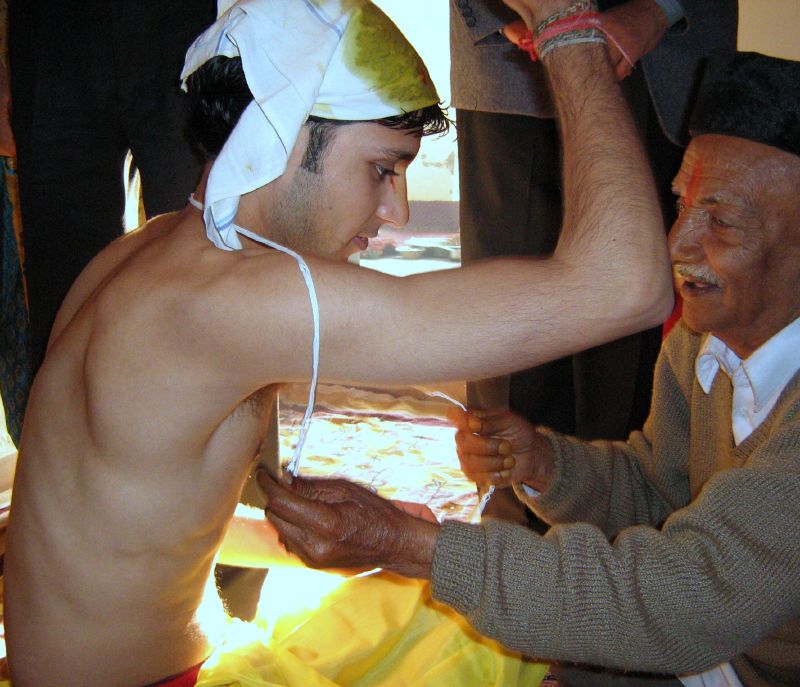 🇮🇳 India and 1 moreUpanayanaउपनयन
A Hindu rite of passage marking a student's initiation into formal education and spiritual discipline.Rite · Speaking with spirits and the dead · Power and authority Living
🇮🇳 India and 1 moreUpanayanaउपनयन
A Hindu rite of passage marking a student's initiation into formal education and spiritual discipline.Rite · Speaking with spirits and the dead · Power and authority Living
Related elsewhere
All rite 🇫🇷 France and 2 moreKing ArthurBrenin Arthur
A legendary British king and folk hero of medieval literature and Welsh mythologyFigure · Power and authority · Wonder and entertainment Legendary
🇫🇷 France and 2 moreKing ArthurBrenin Arthur
A legendary British king and folk hero of medieval literature and Welsh mythologyFigure · Power and authority · Wonder and entertainment Legendary
 🇪🇬 Egypt and 1 moreSphinx
A mythical hybrid with a human head and lion body, serving as guardian or riddler in Egyptian and Greek traditions.Being · Protection · Wonder and entertainment Legendary
🇪🇬 Egypt and 1 moreSphinx
A mythical hybrid with a human head and lion body, serving as guardian or riddler in Egyptian and Greek traditions.Being · Protection · Wonder and entertainment Legendary
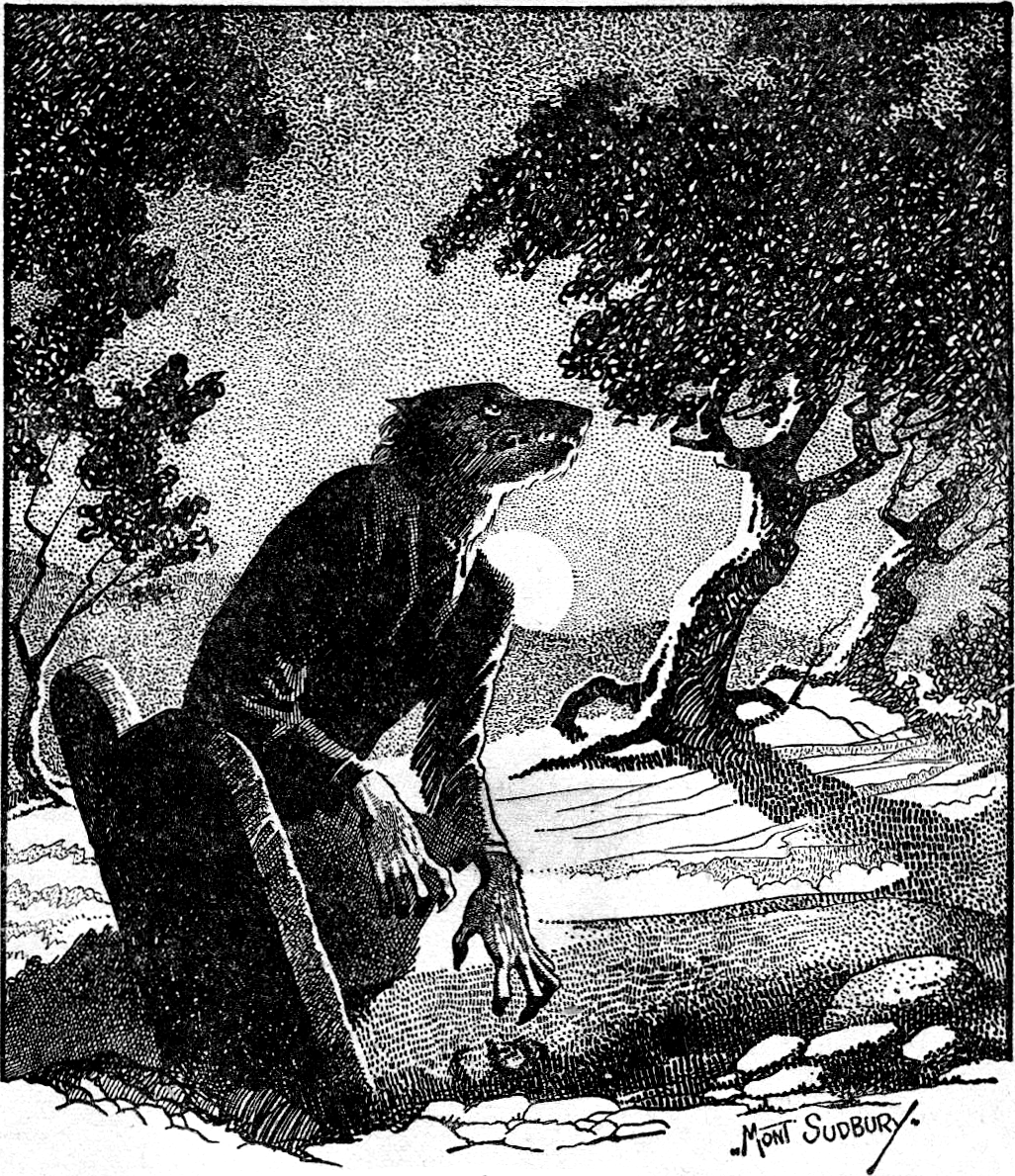 🇫🇷 France and 5 moreWerewolf
A mythical shapeshifter that turns into a wolf, central to European witch-hunts and Gothic horror.Being · Cursing and harm · Wonder and entertainment Legendary
🇷🇺 Russia and 3 moreNart sagaНарты кадджытæ
A collection of epic tales from the North Caucasus about a legendary group of heroes.Text · Wonder and entertainment Historical
🇫🇷 France and 5 moreWerewolf
A mythical shapeshifter that turns into a wolf, central to European witch-hunts and Gothic horror.Being · Cursing and harm · Wonder and entertainment Legendary
🇷🇺 Russia and 3 moreNart sagaНарты кадджытæ
A collection of epic tales from the North Caucasus about a legendary group of heroes.Text · Wonder and entertainment Historical