
Fire eating
from pyrophagia, meaning fire eating
A performance art of extinguishing flames in the mouth
Fire eating is a stage magic and circus act where an entertainer puts a flaming object into their mouth to put it out. It has roots in Indian spiritual traditions and became a standard sideshow skill in the late nineteenth century.
- Richardson performed in France in 1667, eating glowing coals
- Robert Powell won a gold purse and silver medal in 1751
- Brant Matthews set a record by extinguishing 101 torches in one minute
- Fire eating originated in Indian Hindu, Sadhu, and Fakir traditions
- Inhaling fuel can cause fire eater's pneumonia and long-term health issues
What it is
Fire eating, also known as pyrophagia, is a performance art form classified under circus arts. An entertainer places a burning object into their mouth and quickly extinguishes the flame. The act relies on physics rather than supernatural protection. Performers use fuels that burn at lower temperatures or evaporate quickly to minimize heat transfer. The audience sees a person handling open fire without suffering severe burns, creating a sense of wonder and danger.
Where it comes from
The practice appears in Indian spiritual traditions among Hindu, Sadhu, and Fakir performers as a display of spiritual attainment. In the West, it entered the public eye when an Englishman named Richardson performed in France in 1667. He ate glowing coals and drank flaming liquids. His methods were later revealed by his servant. By the late 1880s, fire eating became a staple of sideshow acts and circuses across Europe and America.
Tools and materials
The primary tool is a flaming torch or rod. Performers may use damp handkerchiefs or bills of money to demonstrate heat resistance. Fuels are carefully selected to avoid paraffin candles or materials that melt easily. Some artists use saliva or water mixtures to create a protective layer. The choice of fuel affects the temperature and duration of the burn, influencing the safety and visual impact of the trick.
Fire eating, drawn and placed
- Living
- Revived
- Fading
- Historical
- Legendary
- Performed
- Lineage
- circus arts
- Timing
- on stage or in street performances
What it is for
The main intent is entertainment and creating a sense of awe. Audiences watch for the thrill of seeing someone handle fire safely. In India, it was historically used to demonstrate spiritual power and ascetic discipline. Modern performers use it in circuses, street shows, and festivals. The act showcases skill, bravery, and mastery over dangerous elements, appealing to spectators' fascination with human limits.
Who does it
Fire eaters are professional entertainers trained in fire safety and chemistry. Skills are typically passed from master to student through direct instruction. Training includes first aid and understanding fuel properties. Many performers face minor injuries like blisters or headaches due to fuel exposure. Professional artists emphasize technique over pain tolerance, though some historical accounts suggest enduring discomfort was part of the craft.
Peoples and places
The tradition has strong ties to India, where Hindu, Sadhu, and Fakir practitioners used it for spiritual displays. In Europe, it gained popularity through performers like Richardson in France and Robert Powell in Britain. Powell performed for royalty in the eighteenth century, winning medals for his feats. The art spread globally through circus tours and sideshows, adapting to local cultural contexts while maintaining its core visual spectacle.
At a glance: who, where and when
Who does it


What people believe
In Indian contexts, fire eating was believed to prove spiritual attainment and divine protection. Practitioners held that their faith or discipline allowed them to withstand fire unharmed. Western audiences often viewed it as a marvel of human endurance or hidden science. Skeptics attribute the safety to physics and preparation rather than magic. The belief in invulnerability persists in folk narratives about fire walkers and ascetics.
Cautions and what is closed
The act carries significant health risks. Inhaling hydrocarbons can cause fire eater's pneumonia, a serious lung condition. Performers may suffer from fuel poisoning, leading to headaches and mouth blisters. Improper technique or accidental ingestion of fuel increases danger. Long-term health effects are possible with repeated exposure. Safety training is essential to mitigate these risks, and many professionals warn against attempting the act without proper guidance.
Questions people ask about Fire eating
What is fire eating?
Fire eating, or pyrophagia, is a performance art where an entertainer puts a flaming object into their mouth and extinguishes it. It is a circus and sideshow act that relies on physics and careful technique rather than supernatural protection.
Where did fire eating originate?
The practice has roots in Indian spiritual traditions among Hindu, Sadhu, and Fakir performers who used it to show spiritual attainment. It later appeared in European sideshows after an Englishman named Richardson performed in France in 1667.
Is fire eating dangerous?
Yes, it carries serious health risks. Performers can inhale hydrocarbons, causing fire eater's pneumonia. Fuel poisoning may lead to headaches and blisters. Improper technique or accidental ingestion of fuel increases the danger significantly.
How do performers stay safe?
Skilled fire eaters use fuels with low alcohol content and water to cool flames. They employ techniques like blowing to remove oxygen or covering the mouth to cut air supply. Training in chemistry and first aid is essential for safe performance.
Good reading and sources
The facts on this page come from the Wikipedia article "Fire eating", written by its contributors and used under the CC BY-SA 4.0 licence, and from its Wikidata record (CC0). EveryJaadu rewrote the text in its own words, with AI assistance, and compares every page with the article to make sure no passage is copied. It may be reused under the same CC BY-SA 4.0 licence with a link back.
It may contain mistakes. Names and customs differ from one community to the next, and some knowledge is closed to outsiders and left out here. This page describes belief and practice. It does not say that any of it works, it is not a how-to, and it is not medical advice. If something is wrong, tell us. Last refreshed 2026-10-05.
More from India
All the entries from India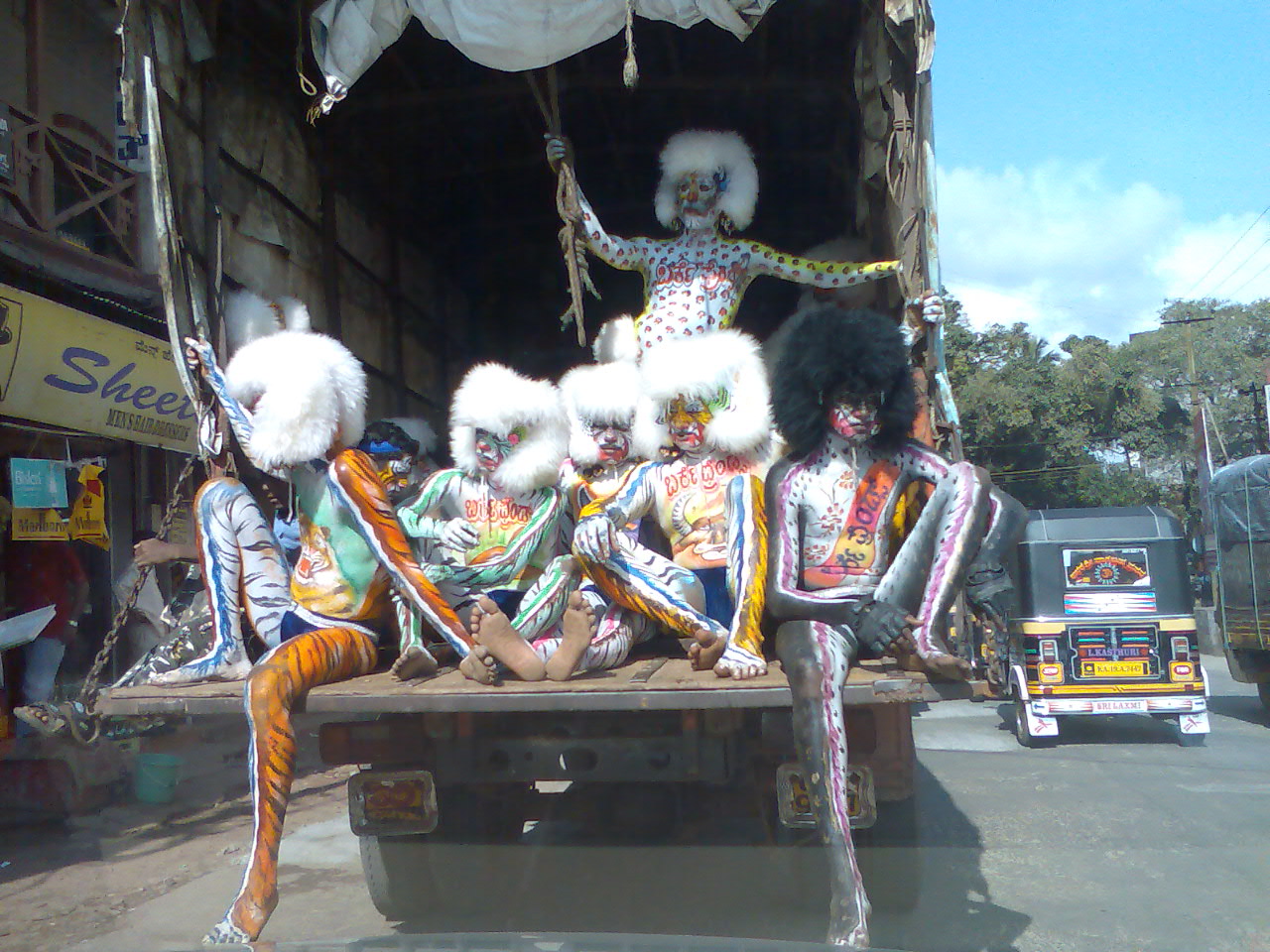 🇮🇳 IndiaPili Yesaಪಿಲಿವೇಷ
A coastal Karnataka folk dance where performers paint themselves as tigers to honour the Goddess DurgaIllusion · Protection · Power and authority Living
🇮🇳 IndiaPili Yesaಪಿಲಿವೇಷ
A coastal Karnataka folk dance where performers paint themselves as tigers to honour the Goddess DurgaIllusion · Protection · Power and authority Living
 🇮🇳 IndiaIndian rope trick
A legendary stage illusion involving a levitating rope and a disappearing boy assistantIllusion · Wonder and entertainment Historical
🇮🇳 IndiaIndian rope trick
A legendary stage illusion involving a levitating rope and a disappearing boy assistantIllusion · Wonder and entertainment Historical
 🇮🇳 India and 2 morePalmistry
A divination method that interprets the lines and shapes of the hand to predict fate or reveal character.Oracle · Seeing and foretelling · Power and authority Living
🇮🇳 India and 2 morePalmistry
A divination method that interprets the lines and shapes of the hand to predict fate or reveal character.Oracle · Seeing and foretelling · Power and authority Living
 🇮🇳 IndiaChakraचक्र
Meditation points in the subtle body used in Hindu and Buddhist yogaTradition · Speaking with spirits and the dead · Change and initiation Living
🇮🇳 IndiaChakraचक्र
Meditation points in the subtle body used in Hindu and Buddhist yogaTradition · Speaking with spirits and the dead · Change and initiation Living
Related elsewhere
All illusion 🇬🇧 United Kingdom and 2 moreKing ArthurBrenin Arthur
A legendary British king and folk hero of medieval literature and Welsh mythologyFigure · Power and authority · Wonder and entertainment Legendary
🇬🇧 United Kingdom and 2 moreKing ArthurBrenin Arthur
A legendary British king and folk hero of medieval literature and Welsh mythologyFigure · Power and authority · Wonder and entertainment Legendary
 🇪🇬 Egypt and 1 moreSphinx
A mythical hybrid with a human head and lion body, serving as guardian or riddler in Egyptian and Greek traditions.Being · Protection · Wonder and entertainment Legendary
🇪🇬 Egypt and 1 moreSphinx
A mythical hybrid with a human head and lion body, serving as guardian or riddler in Egyptian and Greek traditions.Being · Protection · Wonder and entertainment Legendary
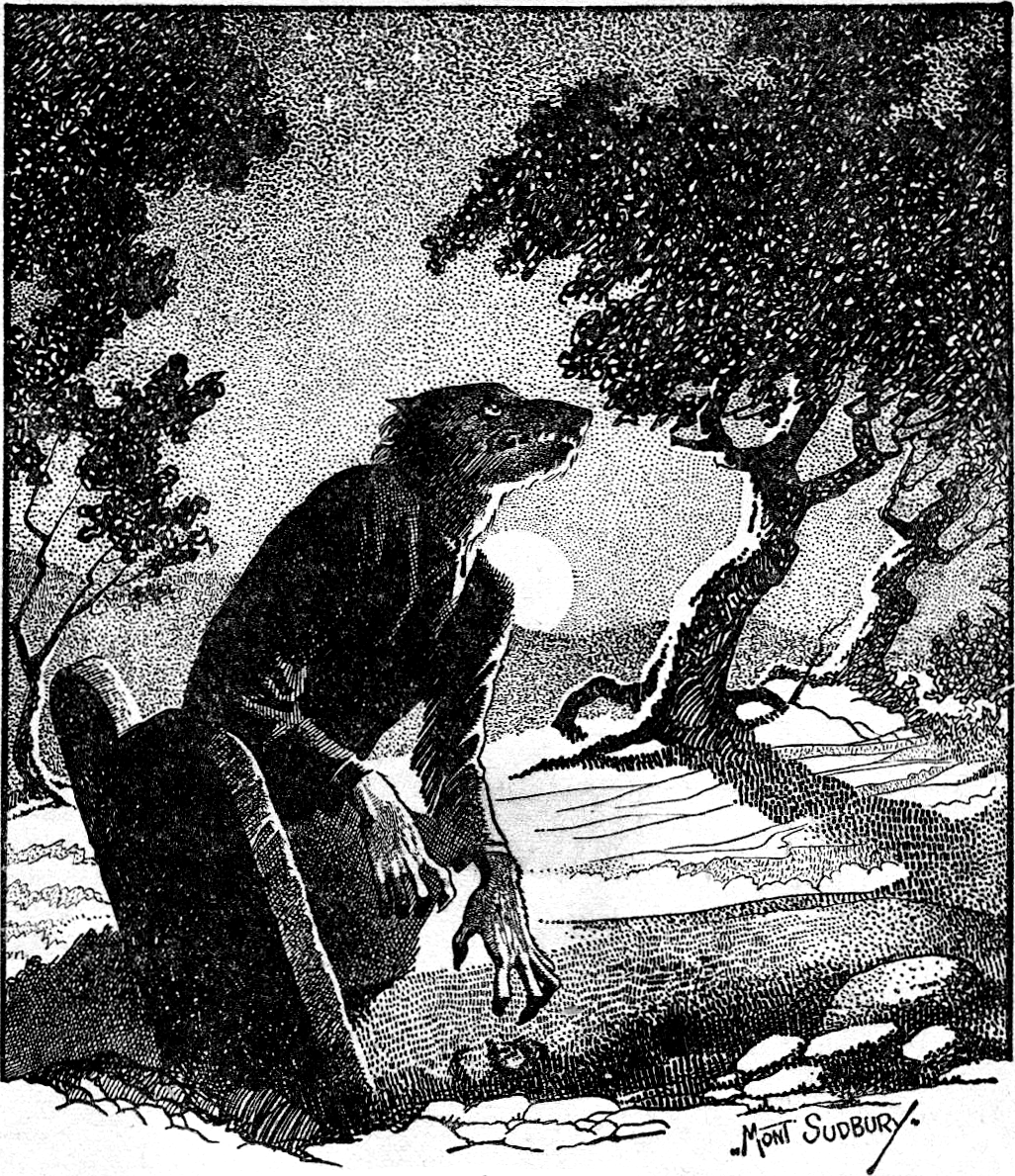 🇫🇷 France and 5 moreWerewolf
A mythical shapeshifter that turns into a wolf, central to European witch-hunts and Gothic horror.Being · Cursing and harm · Wonder and entertainment Legendary
🇬🇧 United KingdomGreen Children of Woolpit
A medieval English legend about two green-skinned siblings who appeared in a Suffolk village.Figure · Wonder and entertainment Legendary
🇫🇷 France and 5 moreWerewolf
A mythical shapeshifter that turns into a wolf, central to European witch-hunts and Gothic horror.Being · Cursing and harm · Wonder and entertainment Legendary
🇬🇧 United KingdomGreen Children of Woolpit
A medieval English legend about two green-skinned siblings who appeared in a Suffolk village.Figure · Wonder and entertainment Legendary