Pepper's ghost
Named after English scientist John Henry Pepper
A stage illusion using angled glass to project hidden actors as visible ghosts
Pepper's ghost is a theatrical technique that uses a sheet of glass or plastic film at an angle to reflect a hidden actor into the view of the audience. It was popularized in 1862 by John Henry Pepper and remains a standard method for creating holographic-style effects in entertainment.
- Popularized by John Henry Pepper in 1862
- Uses angled glass to reflect hidden actors
- Often mistaken for holographic technology
- Used in Disney's Haunted Mansion attraction
- First described by Giambattista della Porta in 1589
What it is
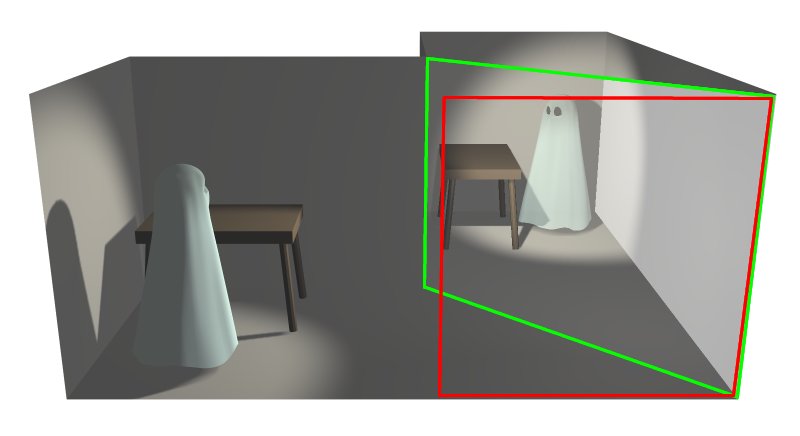
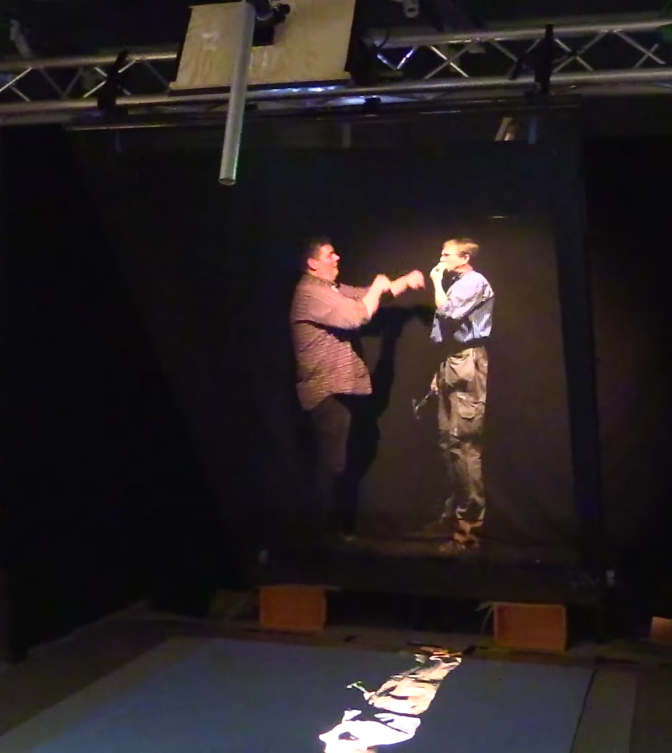
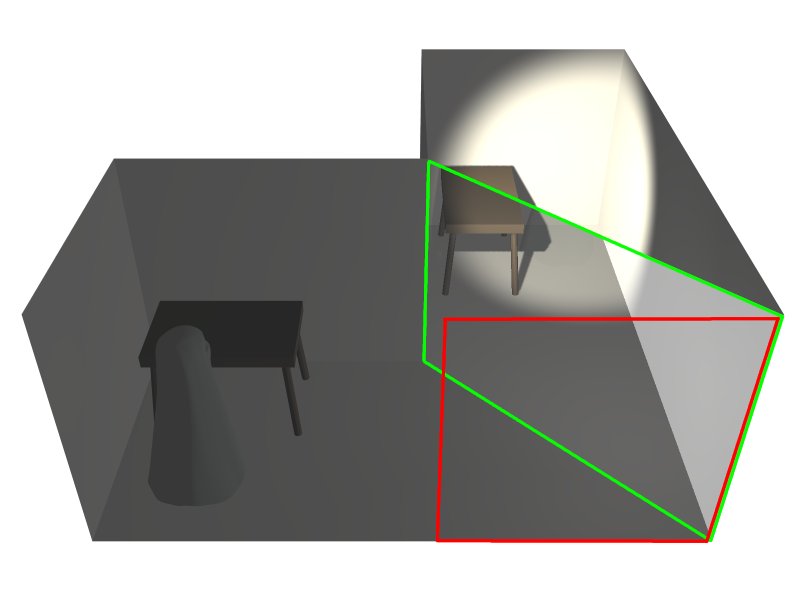
Pepper's ghost is a visual trick used in theatre, cinema, and live concerts to make objects or people appear out of thin air. The effect relies on a simple optical principle: a sheet of transparent material, such as glass or plastic film, is placed at an angle between the audience and the stage. This sheet reflects an image from a hidden area, making it look like the reflected subject is standing right there with the other performers. It is often mistaken for a hologram, but it is actually a reflection. The technique creates a seamless blend between the visible stage and the hidden space, allowing for ghosts, floating objects, or virtual artists to interact with the real world.
Where it comes from
The effect was named after John Henry Pepper, who demonstrated it in London in 1862 during a production of Charles Dickens' The Haunted Man. However, the underlying principle was described much earlier. In 1589, the Italian scholar Giambattista della Porta wrote about seeing reflections in a chamber with a glass window. In 1852, Pierre Séguin patented a toy version called the polyoscope. After Pepper’s successful stage debut, a bitter dispute arose over who truly invented the theatrical application, involving figures like Henri Robin and Henry Dircks, who later co-patented the method with Pepper.
Tools and materials
The primary tool is a reflective surface, traditionally plate glass but now often acrylic or specialized stretched films. The hidden area must be completely separate from the audience view, often located to the side or below the stage. Lighting is critical; bright lights illuminate the hidden subjects while dim lights keep the main stage clear. Sometimes, black-clad actors are used in the hidden area to manipulate light-colored objects, making them appear to float without any visible support.
Pepper's ghost, drawn and placed
- Living
- Revived
- Fading
- Historical
- Legendary
- Performed
- Lineage
- Stage magic and theatrical special effects
- Timing
- Theatrical performances, concerts, and amusement park attractions
What it is for
This illusion is designed purely for entertainment and wonder. It allows storytellers to introduce supernatural elements, such as ghosts or spirits, into a narrative without using physical props on stage. Modern applications include bringing deceased artists back to perform live, creating virtual concert experiences, and adding magical elements to theme park rides. It serves as a powerful tool for spectacle, drawing attention to specific moments in a performance by making them appear impossible.
Who does it
The technique is primarily used by stage magicians, theatrical directors, and technical crews. Historically, John Henry Pepper and his contemporaries developed the methods for choreographing these appearances. Performers on the main stage must follow precise cues, often marked on the floor, to interact correctly with the reflected images they cannot see. Technical operators control the lighting transitions to ensure the ghostly figure appears and disappears smoothly, requiring careful coordination between the hidden and visible spaces.
Peoples and places
While popularized in the United Kingdom, the technique spread globally through theatre and cinema. It became a staple of Victorian entertainment and later evolved into modern digital displays. Countries like France and the United States have significant histories with the effect, from early patent disputes to its use in major theme parks like Disneyland. Today, it is a global standard for live events, used in everything from small carnival sideshows to large-scale international concert tours.
At a glance: who, where and when
Who does it


What people believe
There is no spiritual belief attached to the technique itself; it is understood as a mechanical and optical trick. Audiences know they are watching an illusion. However, within the context of plays, it is used to represent supernatural forces. The effect mimics the appearance of spirits or ethereal beings, playing on cultural ideas of ghosts and the unseen world, but it is strictly a product of physics and engineering rather than mysticism.
When it is done
The illusion is performed whenever a production requires a supernatural or impossible element. It has no fixed religious or seasonal calendar. Its usage spikes during holiday seasons when ghost-themed stories are popular, such as Christmas productions in the nineteenth century. It is also featured continuously in permanent attractions at amusement parks and museums, providing daily entertainment for visitors seeking wonder and surprise.
How scholars and sceptics see it
Historians of magic and technology study Pepper's ghost to understand the evolution of stagecraft. Experts note the complex legal battles over its invention, highlighting how scientific demonstrations were commercialized in the nineteenth century. Scholars distinguish between the early optical descriptions by della Porta and the practical theatrical applications developed later. They also analyze the psychological impact of the effect, noting how it tricks the brain into perceiving depth and presence where none exists.
Cautions and what is closed
The technique poses no physical danger to audiences or performers. However, historical accounts mention that early versions required careful construction to prevent the glass from being seen, which could ruin the illusion if done poorly. There are no health risks associated with the materials used. The main caution is technical: improper lighting or dirty glass can break the effect, revealing the mechanism to the audience. It is a safe, reliable method for creating visual surprises.
Compare and confuse
Pepper's ghost is often confused with true holography, which involves laser interference patterns. Unlike holograms, this effect uses simple reflection. It is also related to phantasmagoria shows, which used magic lanterns to project moving images. While phantasmagoria relied on projection onto smoke or screens, Pepper's ghost uses reflection off a solid surface, offering a more stable and three-dimensional appearance. Both techniques aim to create the same sense of supernatural presence.
Questions people ask about Pepper's ghost
What is Pepper's ghost?
It is a stage illusion that uses a sheet of glass or plastic film at an angle to reflect a hidden actor or object into the audience's view, making it appear as if they are present on stage.
Where did the technique originate?
The optical principle was first described by Italian scholar Giambattista della Porta in 1589. It was later popularized for theatre by John Henry Pepper in London in 1862.
Is it a hologram?
No. It is a reflection illusion. True holograms use lasers, while Pepper's ghost uses a simple pane of glass or film to bounce light from a hidden area to the audience.
Who invented it?
John Henry Pepper is credited with popularizing it, but he co-patented the theatrical method with Henry Dircks. Earlier versions existed, including a toy called the polyoscope patented by Pierre Séguin in 1852.
Good reading and sources
- Pepper's ghost on WikipediaEncyclopedia
- More photos on Wikimedia CommonsPhotos and video
- Wikidata recordOpen data
The facts on this page come from the Wikipedia article "Pepper's ghost", written by its contributors and used under the CC BY-SA 4.0 licence, and from its Wikidata record (CC0). EveryJaadu rewrote the text in its own words, with AI assistance, and compares every page with the article to make sure no passage is copied. It may be reused under the same CC BY-SA 4.0 licence with a link back.
It may contain mistakes. Names and customs differ from one community to the next, and some knowledge is closed to outsiders and left out here. This page describes belief and practice. It does not say that any of it works, it is not a how-to, and it is not medical advice. If something is wrong, tell us. Last refreshed 2026-10-06.
More from the United Kingdom
All the entries from the United Kingdom 🇬🇧 United Kingdom and 3 moreGreen Man
A carved face made of leaves, used as a decorative motif in architecture and art.Illusion · Wonder and entertainment Revived
🇬🇧 United Kingdom and 1 moreMetamorphosis
A stage illusion where a magician and assistant instantly swap places inside a locked container.Illusion · Wonder and entertainment Living
🇬🇧 United Kingdom and 3 moreGreen Man
A carved face made of leaves, used as a decorative motif in architecture and art.Illusion · Wonder and entertainment Revived
🇬🇧 United Kingdom and 1 moreMetamorphosis
A stage illusion where a magician and assistant instantly swap places inside a locked container.Illusion · Wonder and entertainment Living
 🇩🇪 Germany and 2 moreBrocken spectreBrockengespenst
A giant shadow cast by an observer onto clouds, often surrounded by a rainbow halo.Illusion · Wonder and entertainment Living
🇩🇪 Germany and 2 moreBrocken spectreBrockengespenst
A giant shadow cast by an observer onto clouds, often surrounded by a rainbow halo.Illusion · Wonder and entertainment Living
 🇩🇪 Germany and 2 morePhantasmagoria
A horror theatre using magic lanterns to project frightening images in the darkIllusion · Wonder and entertainment Historical
🇩🇪 Germany and 2 morePhantasmagoria
A horror theatre using magic lanterns to project frightening images in the darkIllusion · Wonder and entertainment Historical
Related elsewhere
All illusion 🇪🇬 Egypt and 1 moreSphinx
A mythical hybrid with a human head and lion body, serving as guardian or riddler in Egyptian and Greek traditions.Being · Protection · Wonder and entertainment Legendary
🇷🇺 Russia and 3 moreNart sagaНарты кадджытæ
A collection of epic tales from the North Caucasus about a legendary group of heroes.Text · Wonder and entertainment Historical
🇨🇱 ChileChilean mythology
The myths and legends of Chile, blending indigenous roots with colonial influences.Tradition · Wonder and entertainment Living
🇪🇬 EgyptDjedi
A fictional magician from the Westcar Papyrus who resurrects animals and foretells a king's lineage.Figure · Seeing and foretelling · Wonder and entertainment Legendary
🇪🇬 Egypt and 1 moreSphinx
A mythical hybrid with a human head and lion body, serving as guardian or riddler in Egyptian and Greek traditions.Being · Protection · Wonder and entertainment Legendary
🇷🇺 Russia and 3 moreNart sagaНарты кадджытæ
A collection of epic tales from the North Caucasus about a legendary group of heroes.Text · Wonder and entertainment Historical
🇨🇱 ChileChilean mythology
The myths and legends of Chile, blending indigenous roots with colonial influences.Tradition · Wonder and entertainment Living
🇪🇬 EgyptDjedi
A fictional magician from the Westcar Papyrus who resurrects animals and foretells a king's lineage.Figure · Seeing and foretelling · Wonder and entertainment Legendary