The Pandi were described in medieval bestiaries and Greco-Roman works as a warlike people with enormous ears, eight digits on each hand and foot, and hair that changed color over time. Ancient writers placed them in the mountains of India.
- Giant-eared people with eight fingers and toes
- White hair turning black with age
- Located in Indian mountains by Ctesias
- Warlike bowmen and spearmen
- Lifespan of 200 years according to Pliny
What it is
The Pandi are a mythical people recorded in ancient geography and later medieval bestiaries. They are characterized by distinct physical traits, including oversized ears, white hair that darkens with age, and eight fingers and toes. These descriptions appear in classical texts rather than as part of a living religious tradition or folk practice.
Where it comes from
The historian Ctesias first located the Pandi in the mountains of India within his work Indica. He described them as a warlike group skilled with bows and spears who were born with full sets of teeth. Pliny the Elder later added to these accounts in his Natural History, noting their long lifespan of two hundred years.
Pandi, drawn and placed
- Living
- Revived
- Fading
- Historical
- Legendary
- Performed
At a glance: who, where and when
Peoples
How scholars and sceptics see it
Ancient writers such as Ctesias and Pliny the Elder documented the Pandi as real inhabitants of distant lands. Their accounts blended geographic observation with mythological exaggeration. Medieval authors continued to include them in bestiaries, treating them as factual entries in encyclopedic works about the natural world.
Compare and confuse
The Pandi are often linked to the Panotti, another legendary people known for their large ears. Both groups appear in similar classical and medieval traditions. The Macrobians are also frequently mentioned alongside them as other exotic races with unusual physical characteristics.
Today
The Pandi appear in modern popular culture, such as in Rick Riordan's novel The Burning Maze. In this context, they are depicted as loyal servants to the character Caligula, showing how ancient myths are adapted into contemporary fiction.
Questions people ask about Pandi
What are the Pandi?
The Pandi are a legendary race of people described in ancient Greek and Roman texts. They are known for having huge ears, eight digits on each hand and foot, and hair that changes from white to black as they age.
Where did the Pandi live?
The historian Ctesias placed the Pandi in the mountains of India. Later writers like Pliny the Elder repeated this location in their own geographical and historical works.
Are the Pandi real?
No. The Pandi are mythical figures found in ancient literature and medieval bestiaries. They represent early attempts to describe exotic peoples through a mix of observation and imagination.
Good reading and sources
The facts on this page come from the Wikipedia article "Pandi (legendary creature)", written by its contributors and used under the CC BY-SA 4.0 licence, and from its Wikidata record (CC0). EveryJaadu rewrote the text in its own words, with AI assistance, and compares every page with the article to make sure no passage is copied. It may be reused under the same CC BY-SA 4.0 licence with a link back.
It may contain mistakes. Names and customs differ from one community to the next, and some knowledge is closed to outsiders and left out here. This page describes belief and practice. It does not say that any of it works, it is not a how-to, and it is not medical advice. If something is wrong, tell us. Last refreshed 2026-10-09.
More from India
All the entries from India 🇮🇳 India and 3 moreYakshaयक्ष (Sanskrit), ยักษ์ (Thai)
Nature spirits and guardian deities in South and Southeast Asian traditionsBeing · Protection · Power and authority Living
🇮🇳 India and 1 moreDaayanदायन
A vengeful female spirit from Indian folklore, often blamed for misfortune and witchcraft accusations.Being · Cursing and harm · Luck and prosperity Living
🇮🇳 India and 3 moreYakshaयक्ष (Sanskrit), ยักษ์ (Thai)
Nature spirits and guardian deities in South and Southeast Asian traditionsBeing · Protection · Power and authority Living
🇮🇳 India and 1 moreDaayanदायन
A vengeful female spirit from Indian folklore, often blamed for misfortune and witchcraft accusations.Being · Cursing and harm · Luck and prosperity Living
 🇮🇳 IndiaTaraतारा (Sanskrit), তারা (Bengali)
A fierce Hindu goddess of protection and wisdom, central to the Mahavidya tradition.Being · Protection · Power and authority Living
🇮🇳 IndiaTaraतारा (Sanskrit), তারা (Bengali)
A fierce Hindu goddess of protection and wisdom, central to the Mahavidya tradition.Being · Protection · Power and authority Living
 🇮🇳 India and 3 moreYakshiniयक्षिणी
Some guard, some haunt: female nature spirits of Hindu, Buddhist and Jain loreBeing · Protection · Luck and prosperity Living
🇮🇳 India and 3 moreYakshiniयक्षिणी
Some guard, some haunt: female nature spirits of Hindu, Buddhist and Jain loreBeing · Protection · Luck and prosperity Living
Related elsewhere
All being 🇬🇧 United Kingdom and 2 moreKing ArthurBrenin Arthur
A legendary British king and folk hero of medieval literature and Welsh mythologyFigure · Power and authority · Wonder and entertainment Legendary
🇬🇧 United Kingdom and 2 moreKing ArthurBrenin Arthur
A legendary British king and folk hero of medieval literature and Welsh mythologyFigure · Power and authority · Wonder and entertainment Legendary
 🇪🇬 Egypt and 1 moreSphinx
A mythical hybrid with a human head and lion body, serving as guardian or riddler in Egyptian and Greek traditions.Being · Protection · Wonder and entertainment Legendary
🇪🇬 Egypt and 1 moreSphinx
A mythical hybrid with a human head and lion body, serving as guardian or riddler in Egyptian and Greek traditions.Being · Protection · Wonder and entertainment Legendary
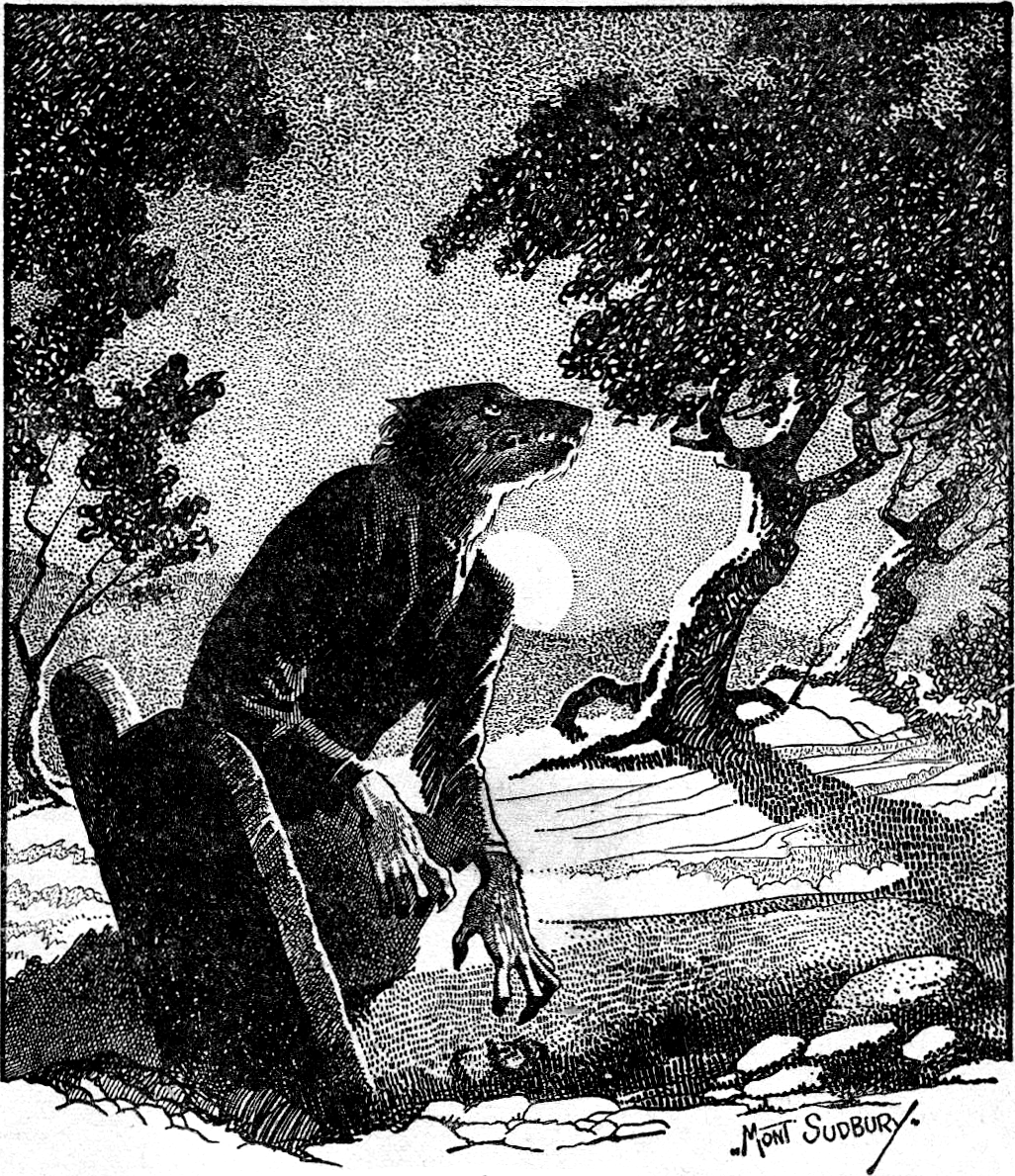 🇫🇷 France and 5 moreWerewolf
A mythical shapeshifter that turns into a wolf, central to European witch-hunts and Gothic horror.Being · Cursing and harm · Wonder and entertainment Legendary
🇬🇧 United Kingdom and 1 moreMetamorphosis
A stage illusion where a magician and assistant instantly swap places inside a locked container.Illusion · Wonder and entertainment Living
🇫🇷 France and 5 moreWerewolf
A mythical shapeshifter that turns into a wolf, central to European witch-hunts and Gothic horror.Being · Cursing and harm · Wonder and entertainment Legendary
🇬🇧 United Kingdom and 1 moreMetamorphosis
A stage illusion where a magician and assistant instantly swap places inside a locked container.Illusion · Wonder and entertainment Living