
Neoshamanism
A modern spiritual movement adapting shamanic techniques for Western seekers outside their traditional cultures.
Neoshamanism describes new forms of shamanic practice developed primarily by Westerners in the late twentieth century. It draws on elements from Indigenous traditions but strips them of specific cultural contexts to create a universal system for personal growth and altered states of consciousness.
- Michael Harner created Core Shamanism in 1980.
- Carlos Castaneda's books are now considered fiction.
- Sixty people attended an unsafe sweat lodge in 2009.
- Three people died in the Arizona sweat lodge incident.
- James Ray was convicted of negligent homicide in 2011.
What it is
Neoshamanism refers to contemporary spiritual practices that mimic or adapt traditional shamanism. It is typically practiced by Western individuals as part of New Age spirituality. Unlike traditional systems, it often lacks direct connection to the Indigenous societies from which its techniques originate. The movement focuses on attaining altered states of consciousness to communicate with spirit worlds. It comprises an eclectic mix of beliefs, including the use of drumming, chanting, and sometimes hallucinogenic substances. Michael Harner’s 'Core Shamanism' represents a major branch, offering a standardized set of practices stripped of specific cultural details.
Where it comes from
The movement emerged in the second half of the twentieth century, influenced by counterculture and post-modernism. Early figures like John Dee are seen as distant forerunners. Mircea Eliade popularized the concept of shamanism as a universal religion in 1951, though academics criticized his broad definitions. Carlos Castaneda’s works in the late 1960s brought these ideas to a wider audience, despite later being regarded as fiction. Michael Harner formalized the practice in 1980 with 'The Way of the Shaman,' synthesizing elements from various Indigenous groups into a secular, accessible system for modern seekers.
How it is done
Practitioners seek altered states through rhythmic drumming, rattling, dancing, and chanting. Some incorporate entheogens, though this remains controversial within the community. A central technique involves journeying to contact 'power animals' or tutelary spirits. Activities include soul retrievals, healing ceremonies, and participation in drum circles. Many adhere to Core Shamanism, which uses standardized methods derived from South American traditions. Others engage in sweat lodge ceremonies or vision quests, often adapted for group settings or tourism rather than strict traditional adherence.
Tools and materials
Common tools include drums and rattles used to induce trance states. Entheogens, such as ayahuasca, are utilized by some groups, particularly in Peruvian contexts. The concept of 'power animals' serves as a key spiritual tool in Core Shamanism. Practitioners may also use fire and enclosed spaces for sweat lodge rituals. These items facilitate the transition between material and spirit worlds, allowing practitioners to access hidden knowledge or perform healing work without relying on complex ceremonial regalia found in traditional societies.
Neoshamanism, drawn and placed
- Living
- Revived
- Fading
- Historical
- Legendary
- Performed
- Lineage
- New Age spirituality
- Timing
- during rituals and retreats
What it is for
The primary intent is personal exploration, development, and psychological healing. Neoshamans often view their role as facilitating individual transformation rather than maintaining cosmic order for a community. While some claim to heal others, many operate in isolation or serve paying clients. The practice emphasizes love and positive emotions over the fear and aggression sometimes present in traditional initiations. It aims to provide a 'happy ending' through psychotherapeutic insights, distinguishing itself from traditional views where malevolence and chaos are acknowledged forces.
Who does it
In neoshamanism, anyone can choose to become a practitioner, unlike traditional societies where shamans are often chosen by the community or inherit the role. Training varies widely, from self-study to attending workshops led by figures like Michael Harner. Some practitioners feel called by spirits, mirroring traditional experiences, but most enter voluntarily. The role is often solitary or commercial, focusing on individual clients rather than communal service. Gender roles are generally fluid, contrasting with the specific social positions held by shamans in their original cultures.
Peoples and places
The movement is predominantly Western, drawing inspiration from diverse global cultures including Siberian, Mexican, Guatemalan, Australian, and North American Indigenous traditions. However, it does not resemble the religious practices of any single one of these groups. Critics note that it homogenizes distinct shamanic traditions into a generic package. Native American activists argue that the appropriation of terms like 'shamanism' by white practitioners erases the specific histories and struggles of Indigenous peoples. The practice spans across countries where tourism intersects with spiritual seeking, such as Peru and India.
At a glance: who, where and when
Who does it
Belief worlds
Occasions
What people believe
Unlike traditional views that prioritize the spirit world, neoshamanic belief often balances materialist explanations with spiritual theories. Practitioners believe they can interact with spirits, ancestors, and animal guides to gain wisdom or power. The worldview is eclectic, incorporating elements from European occultism and various Indigenous cosmologies. It rejects the notion that negative forces are inevitable, instead framing challenges as opportunities for personal growth and emotional release.
When it is done
Rituals occur during dedicated sessions, retreats, or daily practices rather than fixed agricultural or lunar calendars. New Age retreats often last a weekend or a week, featuring intensive workshops. Tourism-driven ceremonies may be scheduled based on visitor availability rather than traditional timing. The lack of a fixed calendar reflects the individualistic nature of the practice, allowing practitioners to engage with the tradition at their own pace without adhering to seasonal obligations or community festivals.
How scholars and sceptics see it
Anthropologists and historians criticize neoshamanism for cultural appropriation and the decontextualization of sacred practices. Scholars like Alice Beck Kehoe argue that the term 'shamanism' should remain tied to specific Siberian cultures. Critics highlight how neoshamanic movements strip techniques of their original meanings to create a marketable product. Academics view the movement as a modern construct rather than a continuation of ancient traditions.
Cautions and what is closed
Neoshamanic tourism poses significant health and safety risks, particularly involving hallucinogenic substances like ayahuasca. Deaths have occurred among tourists in Peru after consuming unregulated brews. High-profile incidents, such as the 2009 sweat lodge deaths in Arizona, highlight dangers from improper setup and overcrowding. Fraudulent leaders may exploit seekers financially and physically. Native American scholars warn that untrained individuals misrepresenting ceremonies cause harm and disrespect to Indigenous cultures. The commercialization of these practices often prioritizes profit over participant safety and cultural integrity.
Compare and confuse
Neoshamanism differs from traditional shamanism in its selection process, social role, and emotional focus. Traditional shamans serve communal needs and maintain cosmic balance, often facing pain and fear during initiation. Neoshamans focus on personal therapy and positive outcomes. It is also distinct from historical witchcraft or European occultism, though it borrows concepts like familiar spirits. The movement shares similarities with other New Age trends in its syncretic approach but stands out for its explicit adoption of shamanic terminology and techniques from Indigenous cultures worldwide.
Law and persecution
Legal status varies by region, with some countries regulating the use of entheogens like ayahuasca. In the United States, practitioners face legal scrutiny if they engage in negligent acts, as seen in the Ray case. Indigenous communities often oppose the commercial exploitation of their ceremonies, leading to social and political tensions. There are no universal protections for neoshamanic practices, and participants assume significant personal risk. Authorities in tourist destinations may intervene when safety standards are violated, but enforcement is inconsistent.
Today
The movement continues to grow through online resources, workshops, and spiritual tourism. Core Shamanism remains influential, taught globally by certified instructors. Criticism persists regarding cultural appropriation and the commodification of Indigenous spirituality. Despite academic rejection, neoshamanism attracts thousands of seekers looking for alternative healing and spiritual experiences. The rise of digital platforms has further disseminated these practices, allowing for global community building while raising questions about authenticity and respect for source cultures.
Questions people ask about Neoshamanism
What is neoshamanism?
It is a modern spiritual movement practicing adapted shamanic techniques. Developed mainly by Westerners, it seeks altered states for personal growth. It draws on Indigenous traditions but removes specific cultural contexts to create a universal system.
Where did neoshamanism originate?
It emerged in the late twentieth century from counterculture and post-modern influences. Key figures include Mircea Eliade, who popularized the concept, and Michael Harner, who formalized Core Shamanism. It has roots in various global traditions but is primarily a Western innovation.
How do neoshamans practice?
Practitioners use drumming, chanting, and sometimes entheogens to reach altered states. They may perform soul retrievals or join drum circles. Core Shamanism offers standardized methods for contacting spirit guides, focusing on individual experience rather than communal ritual.
Why is it controversial?
Critics accuse it of cultural appropriation and exploiting Indigenous traditions. Scholars argue it strips sacred practices of their meaning for commercial gain. Incidents involving unsafe ceremonies and deaths have raised serious ethical and safety concerns among Native American communities.
Good reading and sources
The facts on this page come from the Wikipedia article "Neoshamanism", written by its contributors and used under the CC BY-SA 4.0 licence, and from its Wikidata record (CC0). EveryJaadu rewrote the text in its own words, with AI assistance, and compares every page with the article to make sure no passage is copied. It may be reused under the same CC BY-SA 4.0 licence with a link back.
It may contain mistakes. Names and customs differ from one community to the next, and some knowledge is closed to outsiders and left out here. This page describes belief and practice. It does not say that any of it works, it is not a how-to, and it is not medical advice. If something is wrong, tell us. Last refreshed 2026-10-06.
More from the United States
All the entries from the United States 🇺🇸 United States and 1 moreMedicine wheel
Circular stone formations built by Indigenous peoples of North America for ceremony and astronomy.Tradition · Speaking with spirits and the dead · Power and authority Living
🇺🇸 United States and 1 moreMedicine wheel
Circular stone formations built by Indigenous peoples of North America for ceremony and astronomy.Tradition · Speaking with spirits and the dead · Power and authority Living
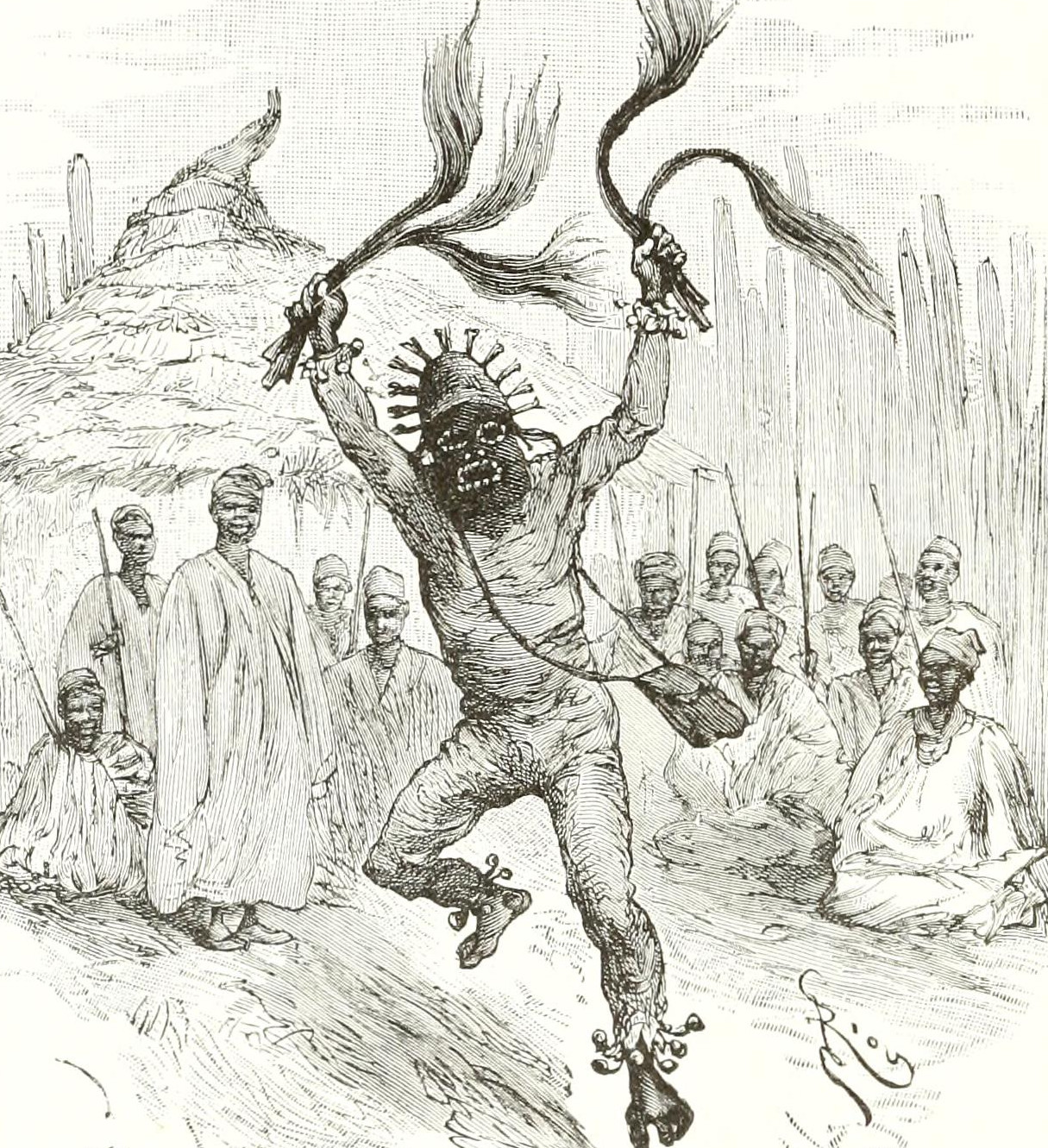 🇺🇸 United States and 2 moreLouisiana Voodoo
An African diasporic religion practiced in Louisiana from the 18th to early 20th centuriesTradition · Healing · Protection Historical
🇺🇸 United States and 2 moreLouisiana Voodoo
An African diasporic religion practiced in Louisiana from the 18th to early 20th centuriesTradition · Healing · Protection Historical
 🇺🇸 United StatesFolk healer
An unlicensed community member who provides healing care using local plants and traditional knowledge.Tradition · Healing · Protection Historical
🇺🇸 United StatesFolk healer
An unlicensed community member who provides healing care using local plants and traditional knowledge.Tradition · Healing · Protection Historical
 🇺🇸 United States and 1 moreGroundhog DayGrund'sau dåk
A North American custom using a burrowing rodent to forecast the end of winterTradition · Seeing and foretelling · Luck and prosperity Living
🇺🇸 United States and 1 moreGroundhog DayGrund'sau dåk
A North American custom using a burrowing rodent to forecast the end of winterTradition · Seeing and foretelling · Luck and prosperity Living
Related elsewhere
All tradition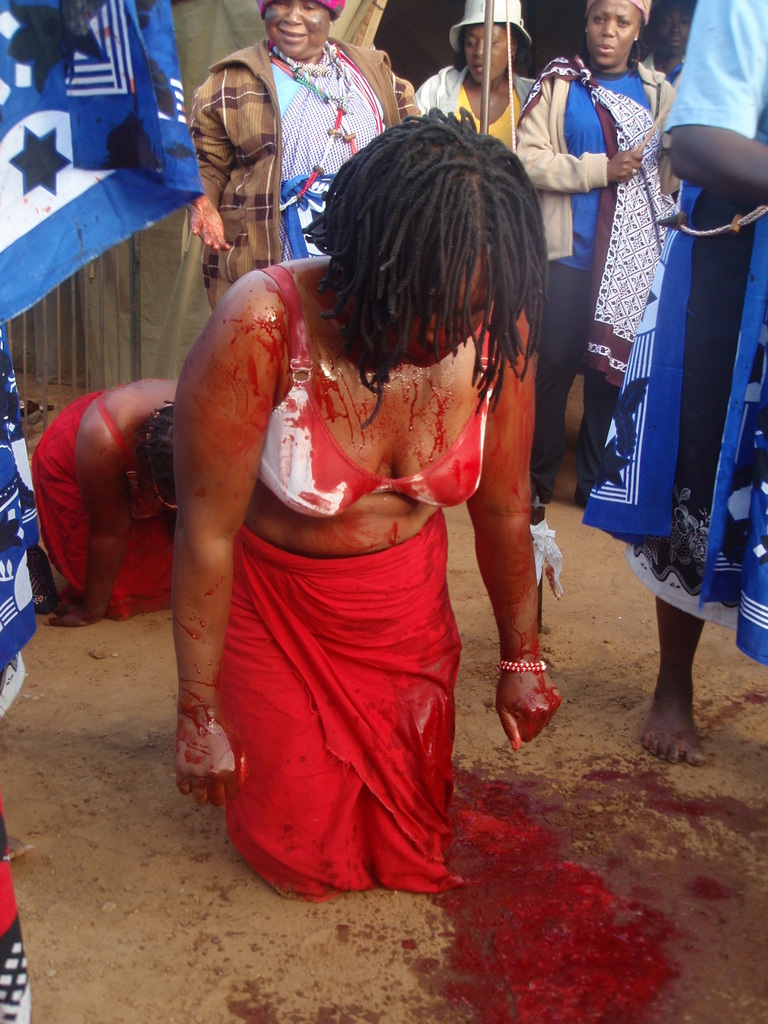 🇿🇦 South AfricaUkuthwasa
A spiritual calling and initiation process for traditional healers in Southern Africa.Rite · Healing · Speaking with spirits and the dead Living
🇨🇳 China and 3 moreQi氣 / 气
A vital force in Chinese philosophy and medicine, believed to flow through all living things.Substance · Healing · Power and authority Living
🇿🇦 South AfricaUkuthwasa
A spiritual calling and initiation process for traditional healers in Southern Africa.Rite · Healing · Speaking with spirits and the dead Living
🇨🇳 China and 3 moreQi氣 / 气
A vital force in Chinese philosophy and medicine, believed to flow through all living things.Substance · Healing · Power and authority Living
 🇲🇦 Morocco and 1 moreGnawa musicڭْناوة or كْناوة
Moroccan ritual music blending West African heritage with Islamic practice for healing and tranceTradition · Healing · Speaking with spirits and the dead Living
🇲🇦 Morocco and 1 moreGnawa musicڭْناوة or كْناوة
Moroccan ritual music blending West African heritage with Islamic practice for healing and tranceTradition · Healing · Speaking with spirits and the dead Living
 🇮🇹 Italy and 1 morePietro d'Abano
A medieval physician and astrologer accused of heresy and magic.Text · Healing · Wonder and entertainment Historical
🇮🇹 Italy and 1 morePietro d'Abano
A medieval physician and astrologer accused of heresy and magic.Text · Healing · Wonder and entertainment Historical