
Indrajala
In its own language: इन्द्रजाल
from Sanskrit indrajala, meaning Indra's net
A Sanskrit term for illusion and conjuring, linking stage magic to Hindu philosophy.
Indrajala is a Sanskrit word meaning Indra's net or magic. It describes the art of conjuring and deception in India. The term also refers to the philosophical idea that the world itself is a divine illusion created by the god Indra.
- Indrajala means Indra's net or magic in Sanskrit.
- It links stage conjuring to Hindu cosmology.
- Ancient diplomats used it as a strategy for victory.
- Philosophers see the world as an illusion like Indrajala.
- The Atharvaveda contains mantras related to these powers.
What it is
Indrajala is a Sanskrit term used across Indian languages to describe magic, deception, and conjuring. In its strict sense, it refers to illusory appearances created for public entertainment. The concept links the skill of the human magician to the divine power of the god Indra. Just as Indra creates the universe as a magical act, performers create illusions that exist only in the minds of spectators. This duality allows the word to cover both the art of jugglery and the philosophical notion of maya, or cosmic illusion.
Where it comes from
The term originates from ancient Hindu texts where Indra is viewed as the first creator of maya in the universe. Historically, Indrajala was used interchangeably with maya to describe the nature of reality. The word reflects a worldview where the creation of the world is seen as a magical performance. Over time, the term expanded to include various forms of trickery and sorcery found in Indian culture and literature.
How it is done
Performers use Indrajala to create sights that do not physically exist. They manipulate objects and perceptions to produce effects that surprise the audience. The goal is to spread a net of illusion over the viewers. In older contexts, the term also described strategic deceptions used in warfare and diplomacy. These stratagems were designed to confuse enemies and secure victory through clever misdirection rather than direct force.
Tools and materials
The practice relies on the skill of the magician to create visual effects. Philosophically, the primary tool is maya, the power of illusion itself. In diplomatic contexts, the tools are words and strategies classified under Bheda, which involves sowing discord or confusion among opponents.
Indrajala, drawn and placed
- Living
- Revived
- Fading
- Historical
- Legendary
- Performed
- Lineage
- Hindu tradition
What it is for
In performance, Indrajala is used to entertain and amaze audiences with wonders. In religious and philosophical contexts, it explains the nature of existence as a divine play. Some traditions view the practice as a way to scare enemies or cause harm through supernatural means. Diplomats historically used the concept to justify strategic deceptions necessary for political success and military advantage.
Who does it
Magicians and jugglers are the primary practitioners of Indrajala as an art form. They imitate the divine forerunners by creating illusions for the public. Philosophers and theologians study the concept to understand the nature of reality and ignorance. Ancient strategists and diplomats also applied the principles of Indrajala in statecraft to outmaneuver rivals without open conflict.
Peoples and places
The term is common to most Indian languages and rooted in Hindu tradition. It appears in the Vedas, particularly the Atharvaveda, which contains mantras for protection and harm. The Puranas and the works of Kamandaka classify Indrajala as a method of diplomacy. Kautilya also references it within his systems of statecraft, showing its broad application across religious, artistic, and political spheres in ancient India.
At a glance: who, where and when
What people believe
Hindu belief holds that Brahman is the fundamental power behind all existence. Indrajala illustrates how this neutral power can be used for good or evil ends. Advaita philosophers equate avidya (ignorance) with moha (delusion), seeing both as factors that bind humans. The world itself is considered a grand illusion, a net woven by Indra, trapping those who do not see beyond the surface of things.
When it is done
The practice is not tied to a specific seasonal cycle or holy day in the provided text. It exists as a general concept applicable whenever magic is performed or philosophical questions about reality are raised.
How scholars and sceptics see it
Scholars of Indian philosophy analyze Indrajala to understand concepts of maya and avidya. Anthropologists and historians note its presence in Vedic texts and diplomatic manuals. The term bridges the gap between religious doctrine and popular entertainment. Researchers examine how the same word can describe a spiritual truth and a street performer's trick, reflecting the interconnectedness of sacred and secular life in India.
Cautions and what is closed
In diplomatic contexts, it involves deceit which can lead to conflict if discovered. The philosophical view warns that mistaking the illusion for reality leads to human bondage.
Compare and confuse
Indrajala is related to the Buddhist concept of Indra's Net, which discusses emptiness. It is distinct from simple cheating as it carries deep philosophical weight. The term overlaps with maya but is more specific to the creative power of Indra. Unlike modern stage magic, it often implies a supernatural or divine origin for the tricks performed.
Questions people ask about Indrajala
What does Indrajala mean?
Indrajala is a Sanskrit word meaning Indra's net. It refers to magic, illusion, and conjuring. The term suggests that the universe is a divine illusion created by the god Indra.
Is Indrajala a type of religion?
No, it is a concept within Hinduism. It describes the nature of reality as an illusion. It also names the art of performance magic practiced in India.
How is Indrajala used in diplomacy?
Ancient strategists classified Indrajala as a sub-method of diplomacy. It involved using stratagems and deception to gain victory over enemies without direct confrontation.
Good reading and sources
The facts on this page come from the Wikipedia article "Indrajala", written by its contributors and used under the CC BY-SA 4.0 licence, and from its Wikidata record (CC0). EveryJaadu rewrote the text in its own words, with AI assistance, and compares every page with the article to make sure no passage is copied. It may be reused under the same CC BY-SA 4.0 licence with a link back.
It may contain mistakes. Names and customs differ from one community to the next, and some knowledge is closed to outsiders and left out here. This page describes belief and practice. It does not say that any of it works, it is not a how-to, and it is not medical advice. If something is wrong, tell us. Last refreshed 2026-10-06.
More from India
All the entries from India 🇮🇳 IndiaChakraचक्र
Meditation points in the subtle body used in Hindu and Buddhist yogaTradition · Speaking with spirits and the dead · Change and initiation Living
🇮🇳 IndiaChakraचक्र
Meditation points in the subtle body used in Hindu and Buddhist yogaTradition · Speaking with spirits and the dead · Change and initiation Living
 🇮🇳 India and 1 moreMantraमन्त्रम्
A sacred sound or phrase repeated to focus the mind and invoke spiritual powerText · Speaking with spirits and the dead · Power and authority Living
🇮🇳 India and 1 moreMantraमन्त्रम्
A sacred sound or phrase repeated to focus the mind and invoke spiritual powerText · Speaking with spirits and the dead · Power and authority Living
 🇮🇳 India and 5 moreKolamகோலம்
A daily geometric floor drawing made with rice flour at the home entrance in South IndiaTradition · Protection · Luck and prosperity Living
🇮🇳 IndiaPanchagavya
A fermented mixture of five cow products used in Hindu rituals and Ayurvedic traditions.Substance · Cleansing and purification · Healing Living
🇮🇳 India and 5 moreKolamகோலம்
A daily geometric floor drawing made with rice flour at the home entrance in South IndiaTradition · Protection · Luck and prosperity Living
🇮🇳 IndiaPanchagavya
A fermented mixture of five cow products used in Hindu rituals and Ayurvedic traditions.Substance · Cleansing and purification · Healing Living
Related elsewhere
All belief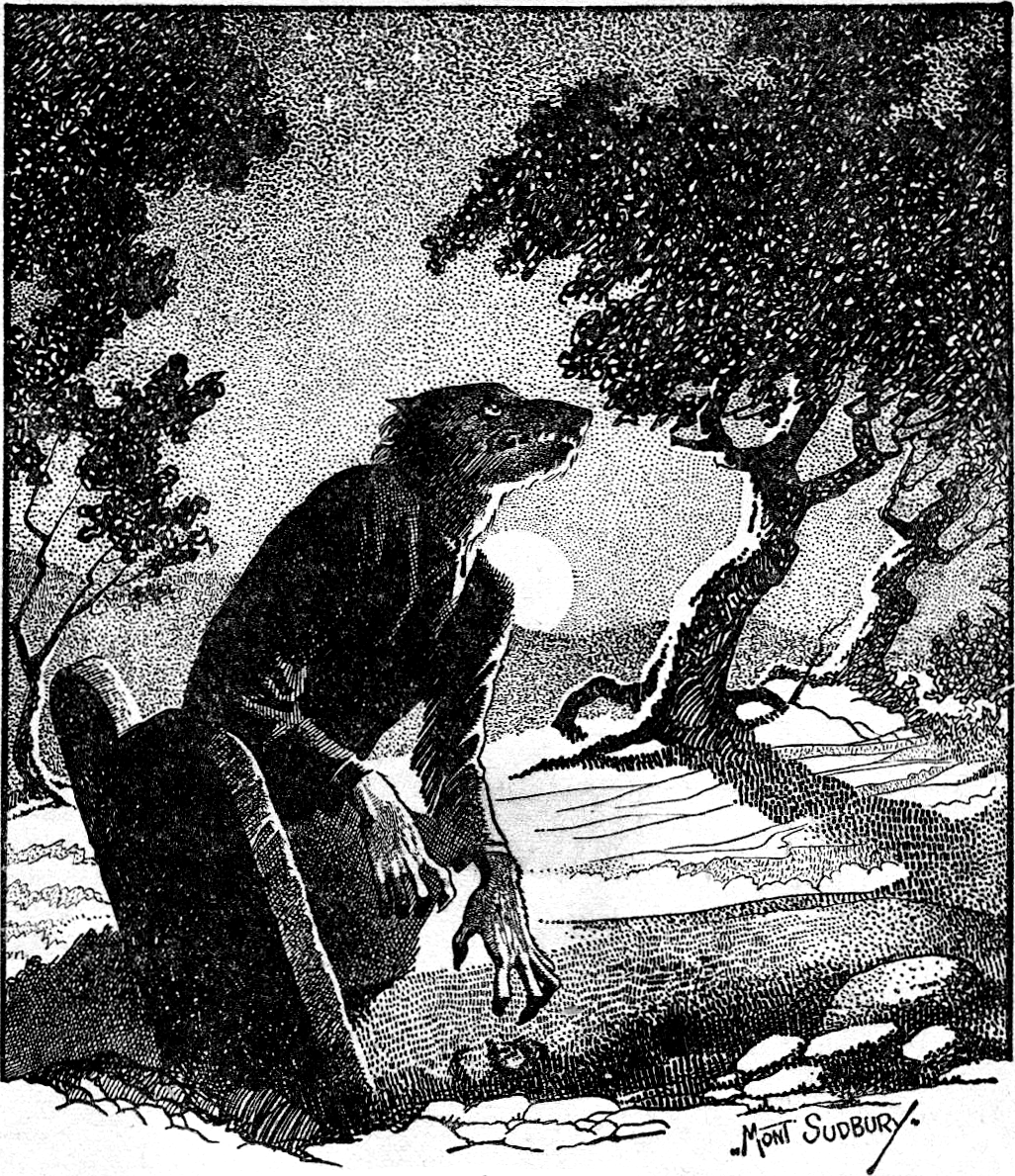 🇫🇷 France and 5 moreWerewolf
A mythical shapeshifter that turns into a wolf, central to European witch-hunts and Gothic horror.Being · Cursing and harm · Wonder and entertainment Legendary
🇫🇷 France and 5 moreWerewolf
A mythical shapeshifter that turns into a wolf, central to European witch-hunts and Gothic horror.Being · Cursing and harm · Wonder and entertainment Legendary
 🇯🇵 JapanNoppera-bōのっぺらぼう
A faceless spirit from Japanese folklore that mimics human appearanceBeing · Cursing and harm · Wonder and entertainment Historical
🇯🇵 JapanNoppera-bōのっぺらぼう
A faceless spirit from Japanese folklore that mimics human appearanceBeing · Cursing and harm · Wonder and entertainment Historical
 🇯🇵 JapanHyakumonogatari Kaidankai百物語怪談会
An Edo period Japanese parlour game where ghost stories extinguish candles one by oneRite · Cursing and harm · Wonder and entertainment Historical
🇨🇳 ChinaNian年兽 (Nián shòu)
A mythical creature linked to Chinese New Year customs and the lion danceFigure · Cursing and harm · Wonder and entertainment Legendary
🇯🇵 JapanHyakumonogatari Kaidankai百物語怪談会
An Edo period Japanese parlour game where ghost stories extinguish candles one by oneRite · Cursing and harm · Wonder and entertainment Historical
🇨🇳 ChinaNian年兽 (Nián shòu)
A mythical creature linked to Chinese New Year customs and the lion danceFigure · Cursing and harm · Wonder and entertainment Legendary