
Vimana
In its own language: विमान
from Sanskrit vimāna, meaning measuring out or traversing
Mythological flying palaces and chariots from Hindu and Jain texts
Vimanas are aerial vehicles described in ancient Indian epics and religious literature. They appear as self-moving chariots or multi-story palaces capable of flight. The tradition spans Hindu scriptures, Jain canonical works, and later architectural treatises.
- Pushpaka Vimana was stolen by Ravana from Kubera
- Samarangana Sutradhara describes mercury-heated wooden aircraft
- Vaimanika Shastra claims channelled knowledge from Bharadvaja
- Term now means aircraft in modern Indian languages
- Jain tirthankaras travelled in Jayanta-vimana and Vijaya-vimana
What it is
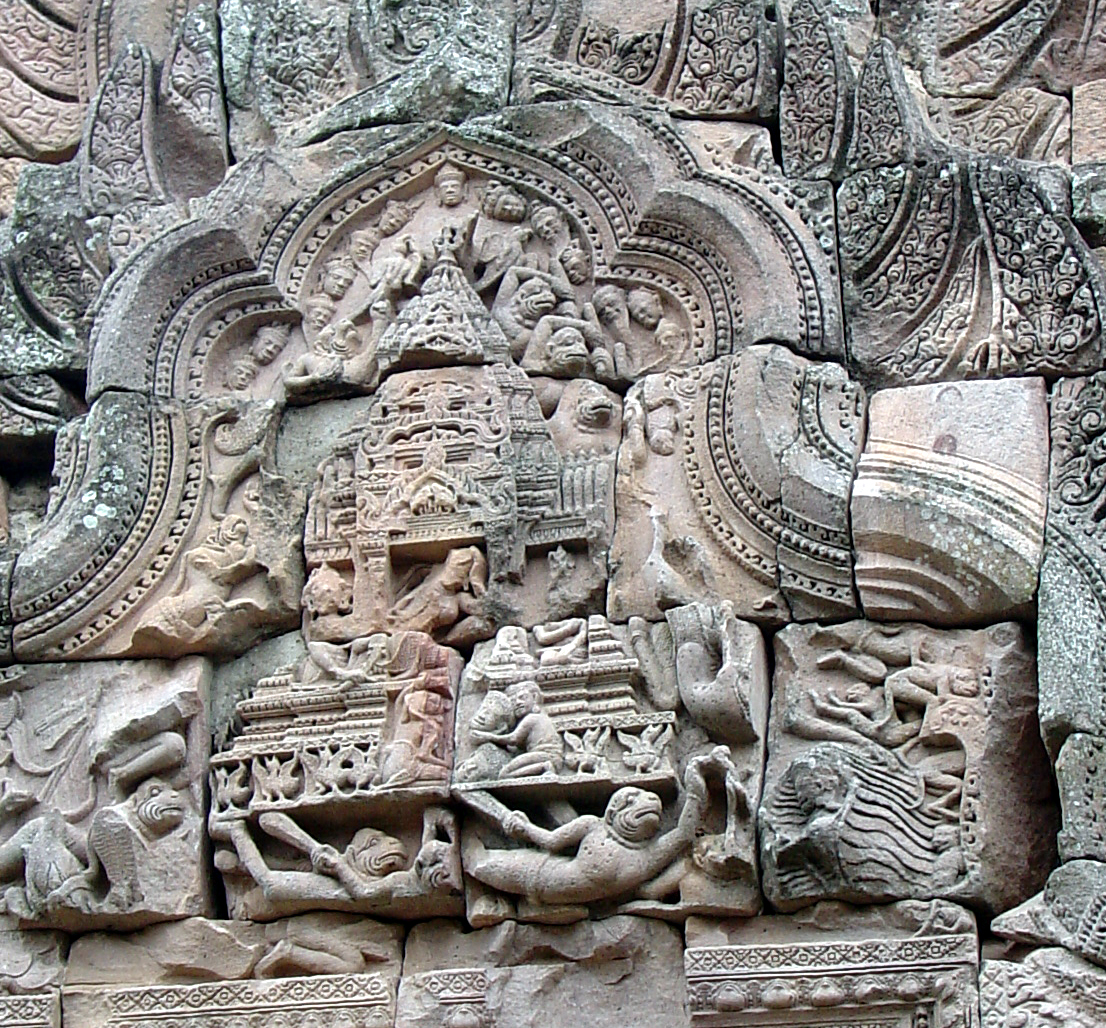
Vimanas are mythical flying structures found in Hindu and Jain literature. They function as aerial chariots or elaborate palaces that travel through the sky. These vehicles are often depicted as self-moving entities capable of carrying gods, kings, or sages across great distances. The concept represents a blend of divine power and advanced mechanical imagination within ancient Indian storytelling traditions.
Where it comes from
The term originates from Sanskrit, literally translating to measuring out or traversing. Early references appear in the Ramayana and Mahabharata epics. Later Jain texts describe deities dwelling in these aerial realms. The concept also appears in Ashoka Edicts describing processional models. Architectural treatises like the Samarangana Sutradhara discuss mechanical principles behind such devices.
How it is done
Descriptions vary by text. The Pushpaka Vimana is commanded by its user to fly at will. Some accounts mention it being yoked with ghost-faced mules. Other descriptions involve complex machinery using fire chambers to heat mercury, causing wooden structures shaped like birds or temples to rise. These methods are presented as narrative elements rather than engineering manuals.
Tools and materials
Materials mentioned include wood, mercury, and fire. The Pushpaka Vimana is described as resembling the sun or a bright cloud. Some versions feature seven stories. Mechanical descriptions involve containers heated by fire to lift heavy wooden aircraft. These tools serve symbolic and narrative purposes within the myths.
Vimana, drawn and placed
- Living
- Revived
- Fading
- Historical
- Legendary
- Performed
- Lineage
- Hindu and Jain mythology
What it is for
Vimanas transport important figures between realms. Ravana used his to carry Lanka. Rama used it to return to Ayodhya. Jain tirthankaras emerged from or traveled in them to reach heaven. They symbolize divine authority and the ability to transcend earthly limitations. Modern usage applies the word to commercial aviation in India and Bangladesh.
Who does it
Scholars study these texts to understand ancient Indian cosmology and literature. Engineers have analyzed later texts like the Vaimanika Shastra for technical claims. Most researchers view the descriptions as mythological rather than historical records of actual flight technology. The texts are preserved by religious communities and academic institutions.
Peoples and places
Hindu texts provide the most famous examples, particularly the Ramayana and Mahabharata. Jain literature describes vaimanika deities who dwell in these aerial heavens. Ayyavazhi mythology also features pushpak vimanas for transporting saints. The concept has influenced modern naming conventions for airlines and towns in South Asia.
At a glance: who, where and when
Belief worlds

What people believe
The worldview places vimanas within a cosmos where gods and enlightened beings can traverse space effortlessly. They represent the intersection of spiritual power and material form. Some later interpretations suggest advanced ancient aerodynamics, though mainstream scholarship views these as literary devices. The belief system emphasizes the supremacy of divine vehicles over mortal constraints.
How scholars and sceptics see it
Academic studies treat vimanas as literary and mythological constructs. Researchers analyze their role in epic narratives and religious symbolism. Engineering analyses of later texts like the Vaimanika Shastra conclude they lack practical aeronautical understanding. Scholars note the evolution of the term from vehicle to general aircraft designation in modern Indian languages.
Compare and confuse
Vimanas differ from Greek aeolipile or Chinese kite theories. They share similarities with other cultural flying thrones or chariots. The term now commonly means aircraft in Hindi and Bengali, distinct from its mythological origins. Modern ufology sometimes conflates ancient vimana descriptions with extraterrestrial technology.
Today
The word vimana is widely used in India and Bangladesh for airplanes. Airlines like Biman Bangladesh Airways derive their names from this root. The concept appears in popular culture, games, and internet discussions about ancient technology. Academic interest focuses on textual analysis rather than technological reconstruction.
Questions people ask about Vimana
What is a vimana?
A vimana is a mythical flying palace or chariot described in Hindu and Jain texts. It functions as an aerial vehicle capable of carrying gods, kings, or saints through the sky. The concept appears in ancient epics and religious literature as a symbol of divine power.
Where does the word come from?
The word comes from Sanskrit vimana, meaning measuring out or traversing. It originally referred to any car, ship, or palace. Today it denotes aircraft in Indian languages, including the national airline of Bangladesh.
How did the Pushpaka Vimana work?
Texts describe it as self-moving and commanded by its user. Some accounts mention ghost-faced mules yoking it. Later treatises suggest fire chambers heating mercury to lift wooden structures. These are narrative elements rather than engineering specifications.
Good reading and sources
The facts on this page come from the Wikipedia article "Vimana", written by its contributors and used under the CC BY-SA 4.0 licence, and from its Wikidata record (CC0). EveryJaadu rewrote the text in its own words, with AI assistance, and compares every page with the article to make sure no passage is copied. It may be reused under the same CC BY-SA 4.0 licence with a link back.
It may contain mistakes. Names and customs differ from one community to the next, and some knowledge is closed to outsiders and left out here. This page describes belief and practice. It does not say that any of it works, it is not a how-to, and it is not medical advice. If something is wrong, tell us. Last refreshed 2026-10-14.
More from India
All the entries from India 🇮🇳 India and 1 moreYoginiयोगिनी
A female master of yoga and tantra, or a fierce goddess aspect in Indian temples.Tradition · Power and authority · Protection Historical
🇮🇳 India and 1 moreYoginiयोगिनी
A female master of yoga and tantra, or a fierce goddess aspect in Indian temples.Tradition · Power and authority · Protection Historical
 🇮🇳 India and 2 moreGorakhnathगोरक्षनाथ
A Hindu yogi and saint who founded the Nath monastic order in India.Figure · Power and authority · Speaking with spirits and the dead Living
🇮🇳 India and 2 moreGorakhnathगोरक्षनाथ
A Hindu yogi and saint who founded the Nath monastic order in India.Figure · Power and authority · Speaking with spirits and the dead Living
 🇳🇵 Nepal and 1 moreMatsyendranathMacchindranāth, Mīnanātha
A yogi and rain deity revered across Hindu and Buddhist traditions in South Asia.Figure · Speaking with spirits and the dead · Power and authority Living
🇳🇵 Nepal and 1 moreMatsyendranathMacchindranāth, Mīnanātha
A yogi and rain deity revered across Hindu and Buddhist traditions in South Asia.Figure · Speaking with spirits and the dead · Power and authority Living
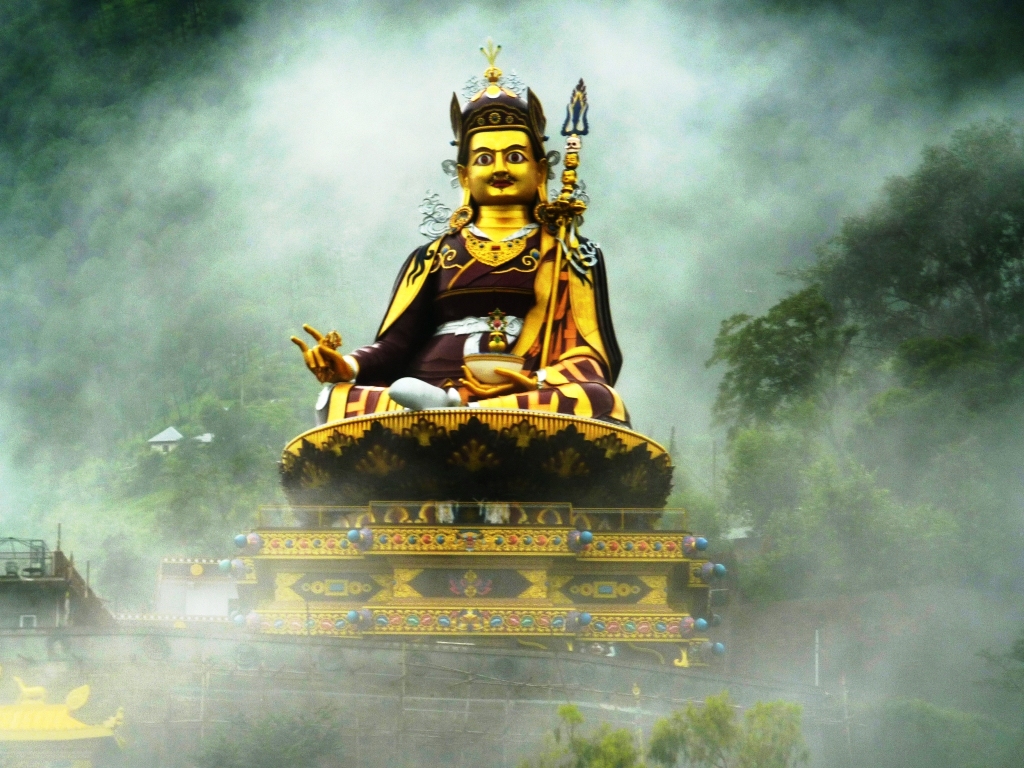 🇮🇳 India and 2 morePadmasambhavaཔདྨ་འབྱུང་གནས།
A tantric master credited with establishing Buddhism in Tibet and founding the Nyingma school.Figure · Protection · Power and authority Living
🇮🇳 India and 2 morePadmasambhavaཔདྨ་འབྱུང་གནས།
A tantric master credited with establishing Buddhism in Tibet and founding the Nyingma school.Figure · Protection · Power and authority Living
Related elsewhere
All figure 🇫🇷 France and 2 moreKing ArthurBrenin Arthur
A legendary British king and folk hero of medieval literature and Welsh mythologyFigure · Power and authority · Wonder and entertainment Legendary
🇫🇷 France and 2 moreKing ArthurBrenin Arthur
A legendary British king and folk hero of medieval literature and Welsh mythologyFigure · Power and authority · Wonder and entertainment Legendary
 🇫🇷 FranceHoly GrailSaint Graal
A cup or stone from Arthurian legend with miraculous powersFigure · Healing · Luck and prosperity Legendary
🇫🇷 FranceHoly GrailSaint Graal
A cup or stone from Arthurian legend with miraculous powersFigure · Healing · Luck and prosperity Legendary
 🇨🇳 ChinaHundun混沌
A faceless being and the primordial void in Chinese cosmology and myth.Being · Wonder and entertainment Legendary
🇬🇧 United KingdomGreen Children of Woolpit
A medieval English legend about two green-skinned siblings who appeared in a Suffolk village.Figure · Wonder and entertainment Legendary
🇨🇳 ChinaHundun混沌
A faceless being and the primordial void in Chinese cosmology and myth.Being · Wonder and entertainment Legendary
🇬🇧 United KingdomGreen Children of Woolpit
A medieval English legend about two green-skinned siblings who appeared in a Suffolk village.Figure · Wonder and entertainment Legendary