
Street magic
null
Public performance of illusions for passersby, from traditional busking to impromptu guerrilla tricks
Street magic is a form of stage magic performed in public spaces for pedestrians. It encompasses traditional busking that seeks tips and modern guerrilla performances designed for television or surprise encounters.
- Traditional street magic dates back approximately 3,000 years
- Guerrilla magic aims for impromptu and unrehearsed feelings
- Jeff Sheridan inspired young David Blaine in Central Park
- Apache performers used yucca seeds and rawhide for growth tricks
- Eugene Burger called guerrilla magic ultimate trivialization of magic
What it is
Street magic is a branch of stage magic performed outdoors for casual audiences. Practitioners draw crowds from passing pedestrians using sleight of hand with small props like cards, coins, or ropes. The art relies heavily on the ability to capture attention rather than just the trick itself. Two main styles exist: traditional busking that earns money through tips, and guerrilla magic which offers free, sudden performances for shock value.
Where it comes from
Anthropologists trace street performance back roughly three thousand years across Europe, Asia and the Middle East. Historical records include mentions by Samuel Pepys in the seventeenth century and depictions by artists like Hieronymous Bosch. Reginald Scot described similar tricks in fifteen eighty four. The Indian Mango Tree trick involves growing a plant rapidly under a cloth. Apache performers achieved similar effects using yucca seeds and rawhide skins.
Tools and materials
Small portable items define the genre. Magicians use cards, coins, balls, scarves and ropes for hand magic. Larger illusions may involve seeds, cloths and rawhide animal skins as seen in the Mango Tree effect. Props are chosen for their concealability and ease of handling in open spaces without elaborate setups.
Street magic, drawn and placed
- Living
- Revived
- Fading
- Historical
- Legendary
- Performed
- Lineage
- stage magic
- Timing
- null
What it is for
The primary intent is entertainment and wonder. Performers seek to amaze strangers with impossible feats. Buskers aim for financial remuneration through voluntary donations. Guerrilla performers aim to create a sense of experimental discovery and impromptu interaction with the public.
Who does it
Practitioners are professional entertainers who specialize in crowd control. Jeff Sheridan emerged as a key figure in the United States during the late sixties. Jim Cellini and Gazzo Macee have performed full time since the seventies and eighties respectively. Eric Evans became prominent in the nineties. Training involves mastering both the physical dexterity of sleight of hand and the social skills required to manage unpredictable outdoor crowds.
Peoples and places
The tradition spans multiple cultures including European, South Asian and Middle Eastern histories. The Apache people utilized specific seed and skin methods for growth illusions. Modern practice is strongly associated with American performers like David Blaine who popularized the guerrilla style. British traditions include Yorkshire Egg Magic. The art has moved significantly into television media through these figures.
At a glance: who, where and when
What people believe
This is a secular performance art with no religious or spiritual beliefs attached. Audiences understand the events are tricks. There are no claims of supernatural power or divine intervention. The magic exists purely within the realm of skilled deception and psychological misdirection presented as entertainment.
When it is done
Performances occur daily in public spaces wherever crowds gather. There are no specific festivals or holy days tied to the practice. Street magicians operate based on foot traffic patterns and weather conditions rather than a calendar schedule.
How scholars and sceptics see it
Magic historians note that guerrilla magic is limited to specific individuals and dealers selling effects. Jamy Ian Swiss observes the style is primarily a television phenomenon. Eugene Burger criticized the approach as trivialization and accosting strangers. Scholars view the genre as a commercial adaptation of traditional busking for modern media consumption.
Cautions and what is closed
Critics argue that guerrilla magic trivializes the art form by targeting unsuspecting strangers. Accosting people in public spaces can be seen as intrusive. The format relies on exploiting the element of surprise rather than building a genuine connection with an audience. Some consider the television-driven version less authentic than traditional busking.
Compare and confuse
Street magic differs from stage magic by lacking a formal venue and ticket sales. It contrasts with parlor magic which occurs in private homes. Television specials like David Blaine's Street Magic shifted the focus from live tipping to broadcast entertainment. The term guerrilla magic specifically refers to the hit-and-run style distinct from continuous busking routines.
Law and persecution
Performers generally operate within public rights of way.
Today
The genre continues through dedicated full-time performers and television personalities. Books and DVDs document the techniques and history of street performing. The style remains influential in shaping the public image of modern magicians. Commercial dealers sell effects specifically designed for this intimate performance context.
Questions people ask about Street magic
What is street magic?
Street magic is a form of stage magic performed in public spaces for pedestrians. It includes traditional busking that earns tips and guerrilla magic which offers free, sudden performances for surprise encounters.
Where did street magic originate?
Anthropologists trace it back three thousand years across Europe, Asia and the Middle East. Historical records mention magicians in the seventeenth century and describe tricks in fifteen eighty four.
What tools do street magicians use?
They use small portable items like cards, coins, balls, scarves and ropes. Larger illusions may involve seeds, cloths and rawhide skins for effects like rapid plant growth.
Who popularized guerrilla magic?
David Blaine popularized the term and style through his nineteen ninety seven television special. He created a distinct image for contemporary magicians separate from traditional stage performers.
Good reading and sources
- Street magic on WikipediaEncyclopedia
- More photos on Wikimedia CommonsPhotos and video
- Wikidata recordOpen data
The facts on this page come from the Wikipedia article "Street magic", written by its contributors and used under the CC BY-SA 4.0 licence, and from its Wikidata record (CC0). EveryJaadu rewrote the text in its own words, with AI assistance, and compares every page with the article to make sure no passage is copied. It may be reused under the same CC BY-SA 4.0 licence with a link back.
It may contain mistakes. Names and customs differ from one community to the next, and some knowledge is closed to outsiders and left out here. This page describes belief and practice. It does not say that any of it works, it is not a how-to, and it is not medical advice. If something is wrong, tell us. Last refreshed 2026-10-06.
More from India
All the entries from India 🇪🇬 Egypt and 2 moreCups and balls
A classic stage illusion where objects vanish and reappear under inverted coversIllusion · Wonder and entertainment Living
🇪🇬 Egypt and 2 moreCups and balls
A classic stage illusion where objects vanish and reappear under inverted coversIllusion · Wonder and entertainment Living
 🇮🇳 India and 5 moreFountain of Youth
A legendary spring said to reverse aging and cure illness, appearing in myths across the world.Belief · Healing · Change and initiation Legendary
🇮🇳 India and 1 moreNeotantraनवतन्त्र (navatantra)
A Western movement blending Tantra with modern views on sacred sexualityTradition · Love and attraction · Change and initiation Living
🇮🇳 India and 5 moreFountain of Youth
A legendary spring said to reverse aging and cure illness, appearing in myths across the world.Belief · Healing · Change and initiation Legendary
🇮🇳 India and 1 moreNeotantraनवतन्त्र (navatantra)
A Western movement blending Tantra with modern views on sacred sexualityTradition · Love and attraction · Change and initiation Living
 🇺🇸 United States and 5 moreNeoshamanism
A modern spiritual movement adapting shamanic techniques for Western seekers outside their traditional cultures.Tradition · Healing · Change and initiation Living
🇺🇸 United States and 5 moreNeoshamanism
A modern spiritual movement adapting shamanic techniques for Western seekers outside their traditional cultures.Tradition · Healing · Change and initiation Living
Related elsewhere
All illusion 🇬🇧 United Kingdom and 2 moreKing ArthurBrenin Arthur
A legendary British king and folk hero of medieval literature and Welsh mythologyFigure · Power and authority · Wonder and entertainment Legendary
🇬🇧 United Kingdom and 2 moreKing ArthurBrenin Arthur
A legendary British king and folk hero of medieval literature and Welsh mythologyFigure · Power and authority · Wonder and entertainment Legendary
 🇪🇬 Egypt and 1 moreSphinx
A mythical hybrid with a human head and lion body, serving as guardian or riddler in Egyptian and Greek traditions.Being · Protection · Wonder and entertainment Legendary
🇪🇬 Egypt and 1 moreSphinx
A mythical hybrid with a human head and lion body, serving as guardian or riddler in Egyptian and Greek traditions.Being · Protection · Wonder and entertainment Legendary
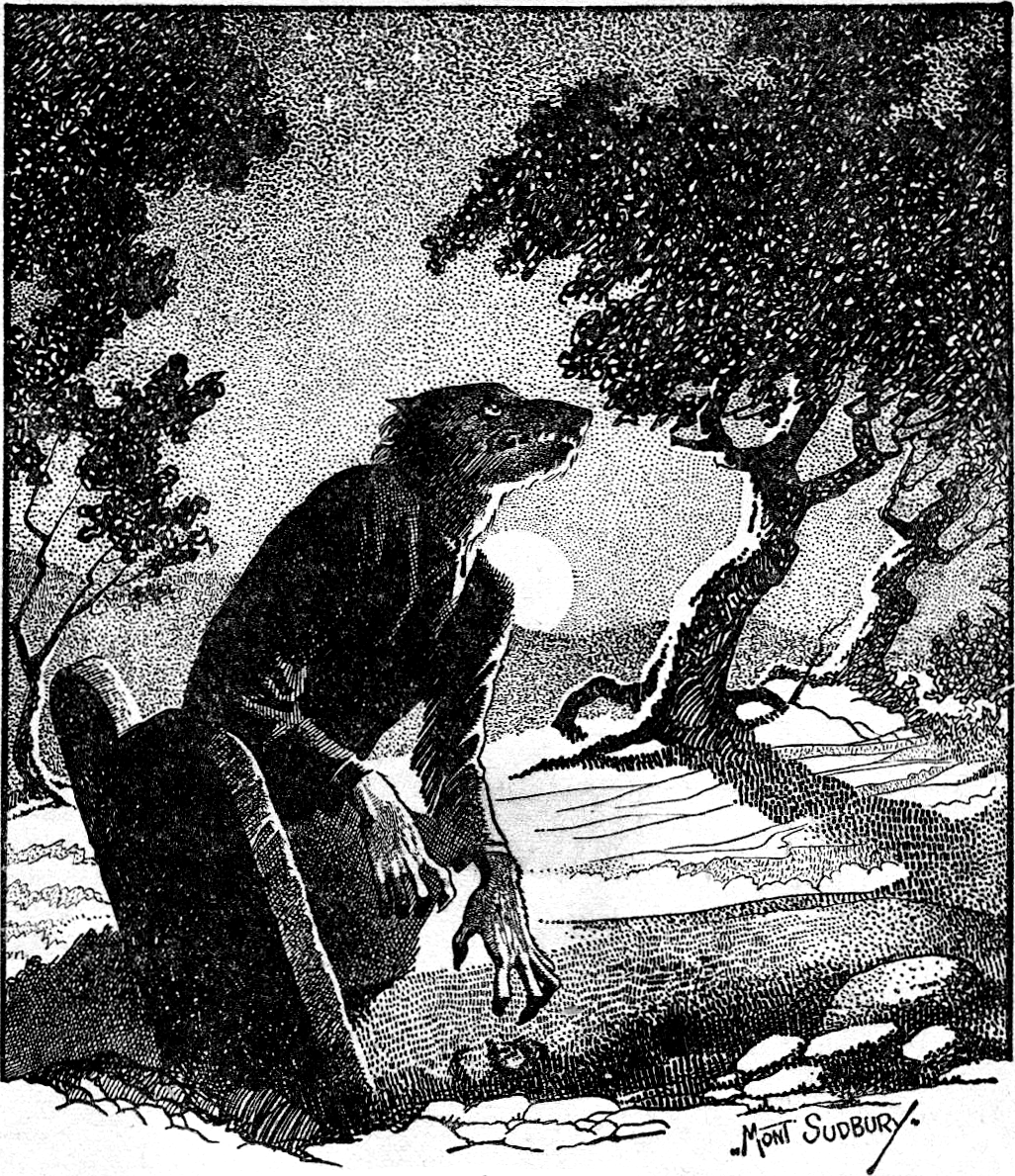 🇫🇷 France and 5 moreWerewolf
A mythical shapeshifter that turns into a wolf, central to European witch-hunts and Gothic horror.Being · Cursing and harm · Wonder and entertainment Legendary
🇫🇷 France and 5 moreWerewolf
A mythical shapeshifter that turns into a wolf, central to European witch-hunts and Gothic horror.Being · Cursing and harm · Wonder and entertainment Legendary
 🇪🇸 Spain and 5 moreSt John's Eve
A Christian vigil marked by bonfires and plant gathering on the summer solstice eveRite · Protection · Speaking with spirits and the dead Living
🇪🇸 Spain and 5 moreSt John's Eve
A Christian vigil marked by bonfires and plant gathering on the summer solstice eveRite · Protection · Speaking with spirits and the dead Living