Insufflation
from Latin sufflare, meaning to blow upon
A ritual breath used in Christian rites to drive out evil or invite the spirit.
Insufflation is a ceremonial act of blowing air during religious ceremonies. It appears in ancient Christian baptismal liturgies to symbolize the expulsion of demons and the reception of divine grace.
- Breathing on the candidate drives out demons.
- Blowing on water consecrates the baptismal font.
- Used in Roman, Orthodox, and Maronite rites.
- Luther called it an inessential ceremony.
- Traces back to third-century liturgical texts.
What it is
Insufflation refers to the deliberate act of breathing on a person or object within a sacred context. In historical Christian practice, this gesture serves two primary symbolic functions. First, it acts as a forceful expulsion of evil spirits from the candidate. Second, it represents the gentle infusion of holy spirit or divine grace into the individual. While often grouped with exsufflation (blowing away), the terms describe opposite directional intents that frequently overlap in ancient texts.
Where it comes from
The practice likely originated in early catechumenate rituals before becoming standard in baptism. Early liturgical documents, such as those attributed to Hippolytus of Rome, describe bishops laying hands on candidates and breathing on their faces to drive out alien spirits. By the fourth century, figures like Cyril of Jerusalem documented both the negative effect of banishing the devil and the positive effect of inviting the Holy Spirit through this single physical action.
How it is done
A priest or bishop blows air onto the forehead, ears, or nose of the candidate, often tracing the sign of the cross with their breath. The action may be repeated three times. In some traditions, the clergyman blows upon the baptismal water itself to consecrate it. The candidate may also be required to blow away from themselves, renouncing the devil before receiving the blessing.
Tools and materials
The sole tool is the human breath. No external objects are required for the core act, though it often accompanies other materials like salt, oil, or water. The physical direction of the air matters: blowing toward the subject signifies blessing, while blowing away signifies rejection of sin.
Insufflation, drawn and placed
- Living
- Revived
- Fading
- Historical
- Legendary
- Performed
- Lineage
- Christian baptismal liturgy
- Timing
- during baptism and initiation rites
What it is for
Practitioners use insufflation to prepare the soul for baptism. It is believed to clear the path by removing demonic influence and making room for divine presence. The rite addresses the concept of original sin, aiming to purify the candidate spiritually before they enter the faith community.
Who does it
Ordained clergy members, specifically bishops or priests, perform the rite. In early church structures, the bishop held the authority to exorcise and baptize. The role requires formal training in liturgical law and theological understanding of the sacrament's mechanics.
Peoples and places
The custom was widespread across Western Christendom by the medieval period. It appeared in Roman, Gallican, Ambrosian, and Mozarabic rites. Anglo-Saxon England retained specific variations in pontificals. Eastern traditions, including Greek Orthodox and Coptic churches, preserved elements of the practice longer than many Western Protestant groups.
At a glance: who, where and when
Who does it
Peoples
Belief worlds
Occasions
What people believe
The theology rests on the belief that spiritual forces can be physically influenced by breath. Evil is viewed as a tangible entity that can be commanded to flee. Conversely, the Holy Spirit is seen as a potent force that can be invited into a human vessel through sacred respiration.
When it is done
The rite occurs during the initiation process, specifically at baptism. For adult converts, it happened during the catechumenate phase. In cultures practicing infant baptism, it became part of the birth-related sacramental cycle.
How scholars and sceptics see it
Historians note that medieval theologians debated whether the breath affected the human soul or the demon possessing it. Figures like Isidore of Seville argued it targeted the devil, not the child. Scholars observe that the distinction between insufflation and exsufflation blurred over time, with texts using various verbs for blowing interchangeably.
Compare and confuse
Exsufflation is the counterpart act of blowing away. Sufflation is a broader term covering both directions. Similar breath-based purification exists in other Near Eastern traditions, though Christian liturgy formalized it most extensively.
Questions people ask about Insufflation
What is insufflation?
It is a ritual act of blowing air during Christian ceremonies. The breath symbolizes either the expulsion of evil spirits or the invitation of divine grace into the candidate.
Where does the practice come from?
It originates in early Christian baptismal liturgies. Texts from the third and fourth centuries describe bishops breathing on candidates to cleanse them before baptism.
How is it performed?
A priest blows on the candidate's face or forehead, often making the sign of the cross with their breath. They may also blow on the baptismal water to bless it.
Good reading and sources
The facts on this page come from the Wikipedia article "Insufflation", written by its contributors and used under the CC BY-SA 4.0 licence, and from its Wikidata record (CC0). EveryJaadu rewrote the text in its own words, with AI assistance, and compares every page with the article to make sure no passage is copied. It may be reused under the same CC BY-SA 4.0 licence with a link back.
It may contain mistakes. Names and customs differ from one community to the next, and some knowledge is closed to outsiders and left out here. This page describes belief and practice. It does not say that any of it works, it is not a how-to, and it is not medical advice. If something is wrong, tell us. Last refreshed 2026-10-06.
More from Syria
All the entries from Syria 🇬🇷 Greece and 5 moreZeusΖεύς
Supreme king of the Greek gods and ruler of the sky and thunderBeing · Power and authority Legendary
🇬🇷 Greece and 5 moreZeusΖεύς
Supreme king of the Greek gods and ruler of the sky and thunderBeing · Power and authority Legendary
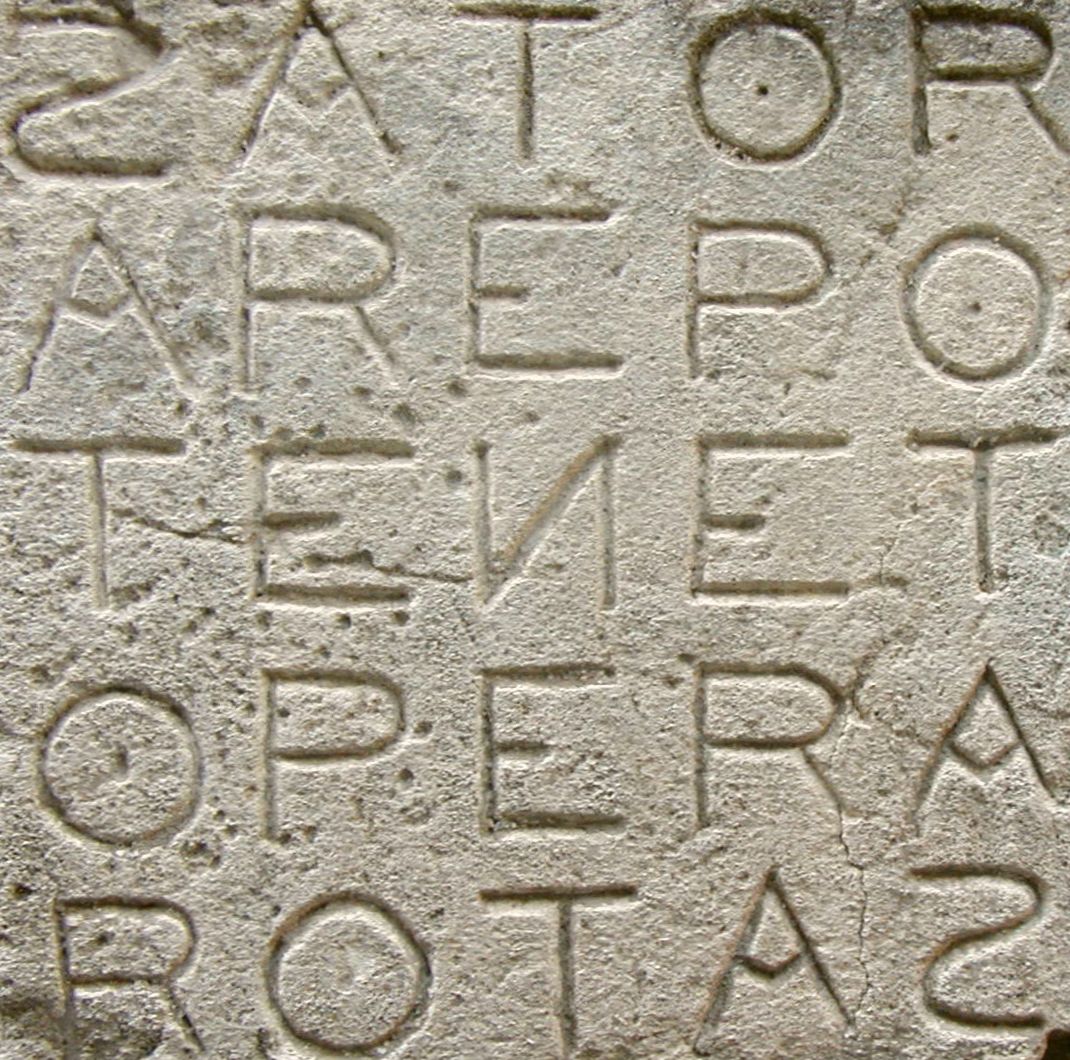 🇮🇹 Italy and 5 moreSator Square
A five-word Latin palindrome found in Roman ruins and medieval churchesCharm · Protection · Healing Historical
🇮🇹 Italy and 5 moreSator Square
A five-word Latin palindrome found in Roman ruins and medieval churchesCharm · Protection · Healing Historical
 🇬🇷 Greece and 3 morePalladium
A sacred image or object believed to guarantee the safety of a city or nationCharm · Protection Historical
🇬🇷 Greece and 3 morePalladium
A sacred image or object believed to guarantee the safety of a city or nationCharm · Protection Historical
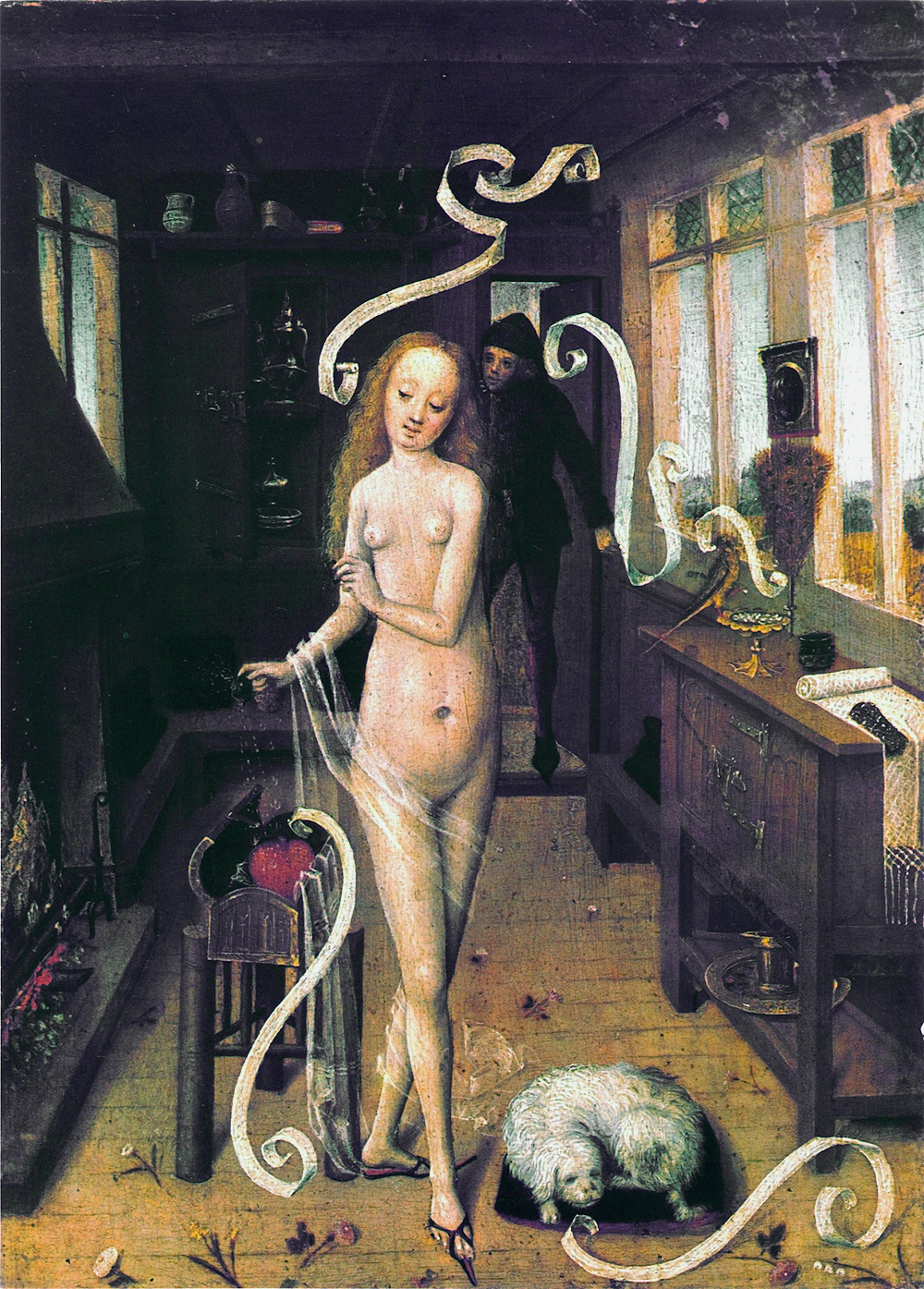 🇮🇶 Iraq and 5 moreLove magic
Rituals and spells used to attract, preserve, or end romantic relationships across many cultures.Tradition · Love and attraction · Cursing and harm Historical
🇮🇶 Iraq and 5 moreLove magic
Rituals and spells used to attract, preserve, or end romantic relationships across many cultures.Tradition · Love and attraction · Cursing and harm Historical
Related elsewhere
All rite 🇸🇳 Senegal and 1 moreSerer religionA ƭat Roog
The traditional faith of the Serer people, centred on the supreme deity Roog and ancestral veneration.Tradition · Protection · Speaking with spirits and the dead Living
🇸🇳 Senegal and 1 moreSerer religionA ƭat Roog
The traditional faith of the Serer people, centred on the supreme deity Roog and ancestral veneration.Tradition · Protection · Speaking with spirits and the dead Living
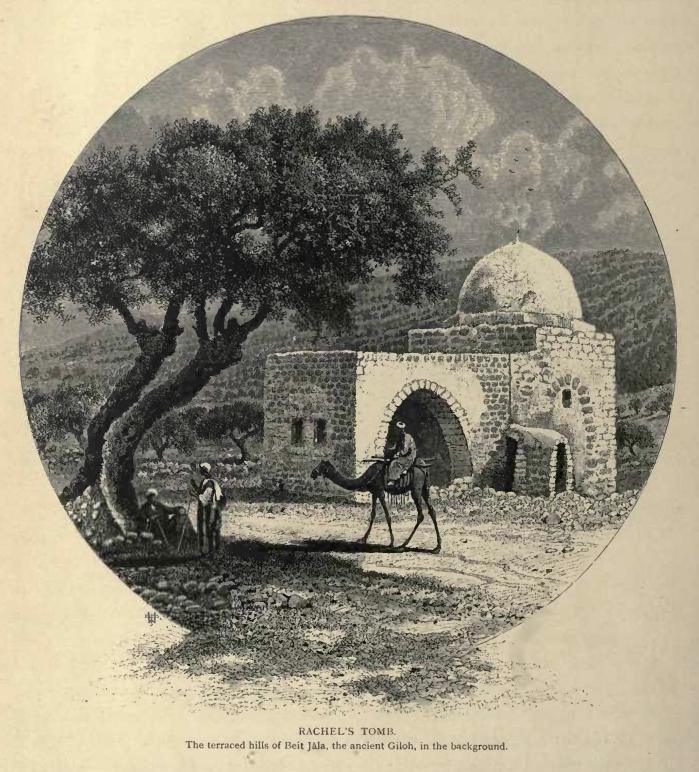 🇵🇸 Palestine and 1 moreRachel's TombQever Raḥel; Qabr Rāḥīl
A shared holy site near Bethlehem revered by Jews, Christians, and MuslimsTradition · Speaking with spirits and the dead · Protection Living
🇨🇳 China and 4 moreKitchen God灶君
The Chinese hearth deity who reports domestic conduct to the Jade EmperorBeing · Protection · Luck and prosperity Living
🇵🇸 Palestine and 1 moreRachel's TombQever Raḥel; Qabr Rāḥīl
A shared holy site near Bethlehem revered by Jews, Christians, and MuslimsTradition · Speaking with spirits and the dead · Protection Living
🇨🇳 China and 4 moreKitchen God灶君
The Chinese hearth deity who reports domestic conduct to the Jade EmperorBeing · Protection · Luck and prosperity Living
 🇰🇪 Kenya and 1 moreMaasai religion
The spiritual beliefs of the semi-nomadic Maasai people of East AfricaTradition · Protection · Healing Living
🇰🇪 Kenya and 1 moreMaasai religion
The spiritual beliefs of the semi-nomadic Maasai people of East AfricaTradition · Protection · Healing Living