
Salige Frau
from Middle High German sælic meaning "blissful"
A blissful Alpine spirit who guides farmers and guards mountain game
The Salige Frau is a mythical figure from the German-speaking Alpine region. She is believed to offer wisdom to humans while protecting chamois in the high mountains.
- She protects chamois from hunters in the Alps
- Her name means "blissful woman" in German
- She teaches humans to spin flax into linen
- Loud noises drive her away from her caves
- She is hunted by the wild man or giants
What it is
The Salige Frau is a legendary being found in the German-speaking Alps. Her name translates to "blessed woman" or "blissful lady." She appears as a shy but helpful spirit who lives in deep rock caves or glacier hollows. People believe she offers advice to those who visit her dwelling. She is also known by names like Salkweib or weiße Frau across different valleys.
Where it comes from
The term derives from the Middle High German word sælic, meaning blessed. This root connects to English terms like seely court. In South Tyrol, she is called Salige Fräulein. Slovene speakers in Carinthia use similar plural forms for these women. The legends are most dense in the Inntal and Ötztal regions of Austria.
How it is done
She does not perform rituals but interacts with humans through encounters. Visitors must approach quietly at night. Loud noises or rackets drive her away because she abhors sound. If treated kindly, she may share secrets about farming or provide magical thread for spinning linen cloth.
Tools and materials
She is linked to flax culture and weaving. Legends say she taught humans to grow and spin flax fibers. A common motif involves a hair filament that becomes an endless supply of thread on a spinning wheel. She is also seen combing her blond hair on landmarks like the Frauenstein rock.
Salige Frau, drawn and placed
- Living
- Revived
- Fading
- Historical
- Legendary
- Performed
- Lineage
- Alpine folklore
What it is for
People view her as a protector of game animals, especially the chamois. She is said to guard mountain beasts from hunters. Some tales credit her with introducing buckwheat crops during droughts. Farmers seek her help for agricultural success and livestock safety.
Who does it
No specific priestly class performs rites for her. She is part of general folk belief among Alpine communities. Scholars study her as a figure of regional mythology. Local traditions vary slightly in how they describe her appearance and cave locations.
Peoples and places
The legends are strongest in Austria and northern Italy. The Slovene population in Carinthia has parallel names for similar beings. In South Tyrol, she is often identified with the wilde Frau. Different valleys have unique stories about her interactions with locals.
At a glance: who, where and when
Belief worlds
What people believe
She represents a pre-Christian or syncretic Alpine worldview. She is sometimes equated with Frau Hulda, queen of spirits. Tales place her in conflict with the wild hunt or giants. She maintains a balance between the human world and the wild mountain environment.
When it is done
Encounters happen at night under bright moonlight. Specific seasons are not strictly defined, though farming advice relates to sowing and harvest cycles. She is associated with winter voices heard near rivers.
How scholars and sceptics see it
Researchers classify her within Alpine folklore studies. They note her similarity to other European wood nymphs or forest spirits. The connection to Frau Hulda suggests broader Germanic mythological roots. Modern novels continue to adapt her legend.
Questions people ask about Salige Frau
What is a Salige Frau?
She is a mythical spirit from the German-speaking Alps. Her name means blessed woman. She lives in caves and helps people with farming or guards mountain animals.
Where do these legends come from?
They originate in the Austrian and Italian Alps. Regions like Ötztal and Vinschgau hold many stories about her. The name comes from old German words for blessed.
How can you meet her?
You must be quiet and respectful. She hates loud noises. If you treat her well, she might give advice or magical gifts like endless spinning thread.
What does she protect?
She is a guardian of game animals. Specifically, she protects chamois in the high mountains. Hunters who break promises to her face bad luck.
Is she related to other spirits?
Yes, she is linked to Frau Hulda. She is also similar to the wilde Frau. Slovene speakers have their own names for comparable female spirits.
Good reading and sources
- Salige Frau on WikipediaEncyclopedia
- More photos on Wikimedia CommonsPhotos and video
- Wikidata recordOpen data
The facts on this page come from the Wikipedia article "Salige Frau", written by its contributors and used under the CC BY-SA 4.0 licence, and from its Wikidata record (CC0). EveryJaadu rewrote the text in its own words, with AI assistance, and compares every page with the article to make sure no passage is copied. It may be reused under the same CC BY-SA 4.0 licence with a link back.
It may contain mistakes. Names and customs differ from one community to the next, and some knowledge is closed to outsiders and left out here. This page describes belief and practice. It does not say that any of it works, it is not a how-to, and it is not medical advice. If something is wrong, tell us. Last refreshed 2026-10-07.
More from Austria
All the entries from Austria 🇩🇪 Germany and 5 moreKrampus
A horned Alpine figure who punishes misbehaving children on KrampusnachtFigure · Cursing and harm Living
🇫🇷 France and 5 moreCount of St. GermainComte de Saint Germain
An 18th-century European adventurer known for alchemy, music, and claims of immortality.Figure · Power and authority · Wonder and entertainment Historical
🇩🇪 Germany and 5 moreKrampus
A horned Alpine figure who punishes misbehaving children on KrampusnachtFigure · Cursing and harm Living
🇫🇷 France and 5 moreCount of St. GermainComte de Saint Germain
An 18th-century European adventurer known for alchemy, music, and claims of immortality.Figure · Power and authority · Wonder and entertainment Historical
 🇩🇪 Germany and 5 moreWitch trials in the Holy Roman Empire
A wave of executions across Central Europe between the fifteenth and eighteenth centuries.Belief · Cursing and harm Historical
🇭🇺 Hungary and 1 moreWitch trials in Hungary
A centuries-long series of persecutions for sorcery that ended with imperial decree.Belief · Cursing and harm Historical
🇩🇪 Germany and 5 moreWitch trials in the Holy Roman Empire
A wave of executions across Central Europe between the fifteenth and eighteenth centuries.Belief · Cursing and harm Historical
🇭🇺 Hungary and 1 moreWitch trials in Hungary
A centuries-long series of persecutions for sorcery that ended with imperial decree.Belief · Cursing and harm Historical
Related elsewhere
All figure 🇰🇪 Kenya and 1 moreMaasai religion
The spiritual beliefs of the semi-nomadic Maasai people of East AfricaTradition · Protection · Healing Living
🇰🇪 Kenya and 1 moreMaasai religion
The spiritual beliefs of the semi-nomadic Maasai people of East AfricaTradition · Protection · Healing Living
 🇮🇳 India and 5 moreSnake worship
Veneration of serpents as divine or ancestral beings across global culturesTradition · Protection · Healing Living
🇮🇳 India and 5 moreSnake worship
Veneration of serpents as divine or ancestral beings across global culturesTradition · Protection · Healing Living
 🇸🇳 Senegal and 1 moreSerer religionA ƭat Roog
The traditional faith of the Serer people, centred on the supreme deity Roog and ancestral veneration.Tradition · Protection · Speaking with spirits and the dead Living
🇸🇳 Senegal and 1 moreSerer religionA ƭat Roog
The traditional faith of the Serer people, centred on the supreme deity Roog and ancestral veneration.Tradition · Protection · Speaking with spirits and the dead Living
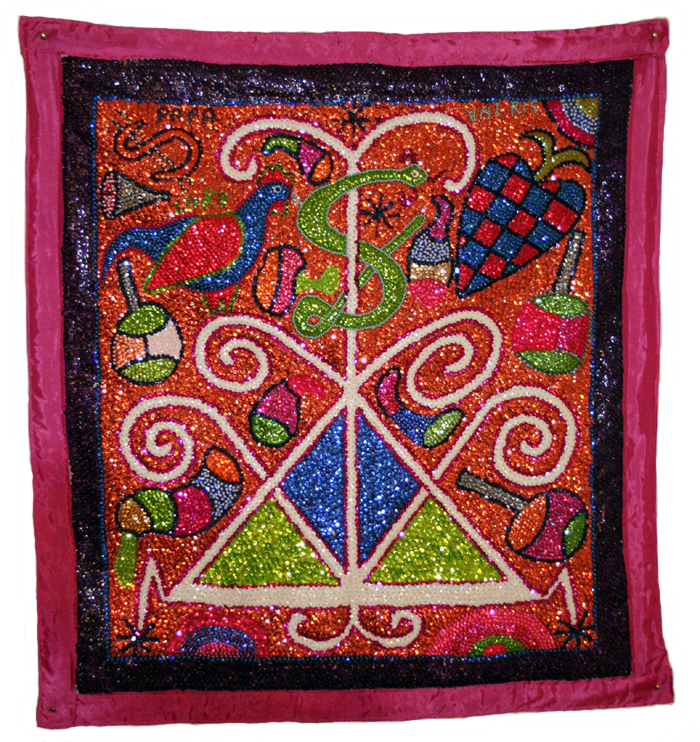 🇭🇹 Haiti and 2 moreHaitian VodouVodou
An Afro-Haitian religion blending West African traditions with Catholicism and FreemasonryTradition · Protection · Healing Living
🇭🇹 Haiti and 2 moreHaitian VodouVodou
An Afro-Haitian religion blending West African traditions with Catholicism and FreemasonryTradition · Protection · Healing Living