
Mbulu Ngulu are reliquary guardians created by the Kota people of Gabon. They shield ancestral bones from harm while visually representing the lineage's power.
- Wood and brass figures guard ancestor bones in Gabon
- Created by the Kota people for portable ancestor worship
- Metal shine wards off evil and represents water boundaries
- Production ceased in the 1930s due to colonial bans
- Used in initiations and to resolve social crises
What it is
The Mbulu Ngulu serves as a protective cover for the physical remains of ancestors among the Kota people of Gabon. These sculptural pieces combine wood with hammered copper or brass to form a figure that stands above a bundle containing bones and other relics. The object is not a portrait of a specific individual but rather an abstract representation of the lineage itself. It embodies a non-human spiritual force associated with the family line. The primary function is to shield these sacred items from evil influences. At the same time, the figure acts as a visual symbol of the prestige and authority held by the ancestors during their lives.
Where it comes from
The practice emerged from the need to preserve ancestral remains in a mobile society. The Kota people practiced slash-and-burn agriculture, requiring relocation every five to seven years. This movement made fixed ancestral shrines impractical. To solve this, they began tying bones and relics into portable packets attached to the base of wooden figures. Most surviving examples are believed to predate their arrival in European collections in the late nineteenth century. Some symbolism may reflect influences from Catholicism introduced by the end of the fifteenth century. The creation of these figures largely ceased by the 1930s due to missionary activity and colonial bans.
How it is done
The figures were kept in the homes of family leaders or placed in small huts separate from daily living areas. During rituals, the bundles served as agents for various community needs. Ancestors were invoked to resolve social crises, ensure health, or guarantee successful hunting and trade. In cases of suspected infidelity, pieces of a wife's clothing might be placed inside the reliquary to induce madness. Young men used the bundles during initiation rites to understand the potency of their heritage. When neighboring communities faced shared dangers, they would bring their figures together to strengthen alliances and ward off threats through joint ceremonies.
Tools and materials
Artisans crafted the figures using wood combined with copper or brass. This specific mixture of materials was unique to this regional sculptural tradition. Copper held significant value as currency before colonial coinage became standard, linking the sculpture to notions of prosperity. The metals were regularly scrubbed to maintain their shine. This reflectivity served two symbolic purposes. It echoed the shimmer of water, representing the boundary between the living and the dead. The brightness also acted as a defensive mechanism, believed to scare away evil forces. The shapes often included crescents and cylinders, interpreted as hair or ornaments, creating a rhythmic energy.
Mbulu Ngulu, drawn and placed
- Living
- Revived
- Fading
- Historical
- Legendary
- Performed
- Lineage
- Bwiti spiritual beliefs
- Timing
- during initiation and social crises
What it is for
The primary intent is protection of ancestral relics from malevolent forces. The figures also facilitate communication with the spirit world. Families seek their aid during times of crisis or for general well-being. The objects help young men grasp the extent of their ancestral power during initiation. Communities use them to foster unity and allyship against external dangers. The presence of the figure is thought to provide insurance against social discord, such as marital infidelity. The overall goal is to harness the perceived powers of distinguished ancestors for the benefit of the living descendants.
Who does it
The care and use of these figures fell to the household, specifically within the lineage group. Family leaders or heads of households were responsible for keeping the bundles in appropriate locations. The practice was part of the broader Bwiti spiritual beliefs common in Equatorial Africa. Participants believed that individuals who stood out for their abilities or status retained power after death. The craftsmanship required to shape the wood and metal was viewed as a form of spiritual intercession in itself. No specific professional priestly class is mentioned; the duty rested with the kin group preserving the remains.
Peoples and places
The Mbulu Ngulu is associated with the Kota people of Gabon. Their practices are linked to the wider cult of ancestors found across Equatorial Africa. This includes groups participating in Bwiti spiritual beliefs. The tradition reflects a belief that the remains of notable relatives possess enduring power. These ancestors could include leaders, warriors, artists, or fertile women. The portable nature of the reliquaries allowed the tradition to survive despite the mobility required by agricultural practices. The figures represent the lineage rather than the individual, unifying the community under a shared spiritual identity.
At a glance: who, where and when
Who does it
Peoples
Belief worlds

What people believe
The worldview underlying the Mbulu Ngulu holds that distinguished ancestors retain their powers after death. These powers can be accessed and utilized by descendants for protection and success. The supernatural realm is often thought to exist beyond bodies of water, a concept reflected in the metallic shine of the figures. The separation between the living and the dead is mediated through these objects. Evil forces are repelled by the light emitted by the polished metals. The aggregation of multiple figures strengthens communal bonds and spiritual defenses. The ritual handling of the bundles reinforces the transfer of family history and authority across generations.
When it is done
The figures were involved in various life events and seasonal activities. Initiation rituals for young men were a key occasion for engaging with the bundles. Social crises prompted calls upon the ancestors for remedy. Health, fertility, and successful hunting or trading were sought through these practices. Their use was driven by immediate community needs, such as danger from neighbors or internal disputes like infidelity. The regular maintenance of the metal surfaces ensured their constant readiness for spiritual work.
How scholars and sceptics see it
Interpretations of the figure's form vary among researchers. Some see the crescent shapes as special hairstyles or hats. Others view cylindrical pendants as ear ornaments or references to traditional hair. The lozenge base is debated as either a torso or arms. Despite these differences, scholars agree that the combination of figurative and abstract shapes creates a rhythmic energy. This design reinforces the perception of the object as powerful. The unique use of hammered metal on wood distinguishes these artifacts within African sculptural traditions. The historical context involves colonial suppression, which led to the burning or burial of many pieces.
Cautions and what is closed
The production of Mbulu Ngulu was suppressed by Christian missionaries and French colonial authorities in the early twentieth century. Many figures were destroyed, burned, or buried during this period. The practice stopped largely by the 1930s due to these aggressive interventions. Today, most remaining exemplars are found in museums or private collections outside Gabon. The tradition is considered historical rather than living, as the active creation and ritual use have ceased. The destruction of these objects represents a significant loss of cultural heritage and spiritual continuity for the Kota people.
Compare and confuse
The Mbulu Ngulu is part of the bwete reliquary tradition. It shares similarities with other ancestor cults in Equatorial Africa. Unlike fixed shrine statues, these figures are designed for portability. The use of metal plating distinguishes it from purely wooden sculptures. The concept of protecting relics differs from amulets worn for personal luck. While some cultures focus on individual portraits, the Kota figures emphasize lineage abstraction. The term bwete refers to the bundle itself, which contains the bones beneath the figure.
Law and persecution
French colonial authorities banned the practice associated with the Mbulu Ngulu. Missionaries actively worked against the tradition, leading to its decline. The legal status of the objects shifted from sacred items to colonial artifacts. Many were removed from Gabon to France and Germany in the late nineteenth century. The suppression was part of a broader effort to replace indigenous spiritual practices with Christianity.
Questions people ask about Mbulu Ngulu
What is a Mbulu Ngulu?
It is a reliquary figure made of wood and metal by the Kota people of Gabon. It covers a bundle containing ancestral bones and relics, serving to protect them from evil.
Why did the Kota create these figures?
They moved frequently for farming, making fixed shrines impossible. The figures allowed them to carry ancestral remains safely while traveling, maintaining connection with the dead.
What do the metal parts symbolize?
Copper and brass represent prosperity and social value. Their shine mimics water, marking the boundary between the living and the dead, and is believed to scare away evil spirits.
How were the figures used in rituals?
They helped initiate young men into adulthood. Communities also called upon ancestors through them to cure illness, ensure good harvests, or punish unfaithful spouses.
Good reading and sources
The facts on this page come from the Wikipedia article "Mbulu Ngulu", written by its contributors and used under the CC BY-SA 4.0 licence, and from its Wikidata record (CC0). EveryJaadu rewrote the text in its own words, with AI assistance, and compares every page with the article to make sure no passage is copied. It may be reused under the same CC BY-SA 4.0 licence with a link back.
It may contain mistakes. Names and customs differ from one community to the next, and some knowledge is closed to outsiders and left out here. This page describes belief and practice. It does not say that any of it works, it is not a how-to, and it is not medical advice. If something is wrong, tell us. Last refreshed 2026-10-09.
More from Gabon
All the entries from Gabon 🇨🇬 Republic of the Congo and 2 moreMokele-mbembemokèlé-mbèmbé
A water-dwelling legend from Central Africa, often linked to sauropods or rhinos.Being · Wonder and entertainment Legendary
🇨🇬 Republic of the Congo and 2 moreMokele-mbembemokèlé-mbèmbé
A water-dwelling legend from Central Africa, often linked to sauropods or rhinos.Being · Wonder and entertainment Legendary
 🇺🇸 United States and 5 moreMojo bag
A cloth pouch holding charms for protection, luck, or love in the Hoodoo tradition.Charm · Protection · Healing Living
🇺🇸 United States and 5 moreMojo bag
A cloth pouch holding charms for protection, luck, or love in the Hoodoo tradition.Charm · Protection · Healing Living
 🇹🇴 Tonga and 5 moreTabootapu
A cultural prohibition that marks something as forbidden or sacredBelief · Protection · Speaking with spirits and the dead Living
🇹🇴 Tonga and 5 moreTabootapu
A cultural prohibition that marks something as forbidden or sacredBelief · Protection · Speaking with spirits and the dead Living
Related elsewhere
All charm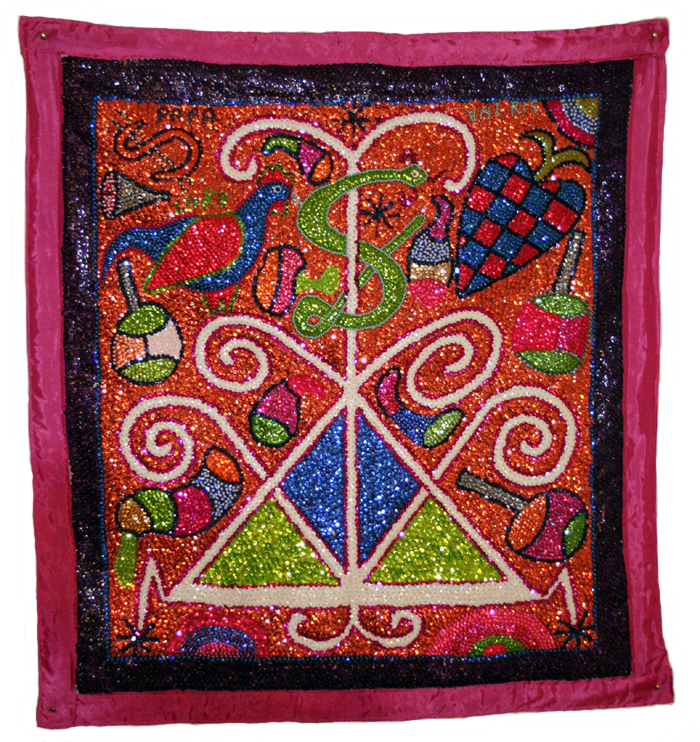 🇭🇹 Haiti and 2 moreHaitian VodouVodou
An Afro-Haitian religion blending West African traditions with Catholicism and FreemasonryTradition · Protection · Healing Living
🇮🇶 IraqKispu
An ancient Mesopotamian ritual to feed and honour the dead ancestorsRite · Speaking with spirits and the dead · Protection Historical
🇭🇹 Haiti and 2 moreHaitian VodouVodou
An Afro-Haitian religion blending West African traditions with Catholicism and FreemasonryTradition · Protection · Healing Living
🇮🇶 IraqKispu
An ancient Mesopotamian ritual to feed and honour the dead ancestorsRite · Speaking with spirits and the dead · Protection Historical
 🇮🇶 Iraq and 5 moreGrimoire
A textbook containing instructions for spells, rituals, and the creation of magical objects.Text · Protection · Healing Historical
🇮🇶 Iraq and 5 moreGrimoire
A textbook containing instructions for spells, rituals, and the creation of magical objects.Text · Protection · Healing Historical
 🇨🇺 Cuba and 2 moreAbakuá
A male-only Cuban religious fraternity with West African roots and strict secrecyTradition · Protection · Speaking with spirits and the dead Living
🇨🇺 Cuba and 2 moreAbakuá
A male-only Cuban religious fraternity with West African roots and strict secrecyTradition · Protection · Speaking with spirits and the dead Living