
Nis Puk
In its own language: Niß Puk
from nisse and puck, meaning kobold or toad
A legendary household spirit from Northern Germany and Denmark that helps or torments its owner.
The Nis Puk is a legendary creature from Danish, Low German, and North Frisian folklore of Northern Germany and Southern Denmark. It acts as a domestic helper or an infernal spirit, bringing wealth through theft or causing mischief depending on how it is treated.
- Wears a red cap that makes the wearer invisible.
- Tests homes by dirtying milk barrels with cattle waste.
- Can work as hard as seven men on a farm.
- Steals hay and linen from neighbors to enrich owners.
- Demands the owner's soul after death in some legends.
What it is
The Nis Puk stands as a legendary creature within the folk traditions of Northern Germany and Southern Denmark. This spirit blends traits of the helpful Nisse and the mischievous Puck. People in Schleswig describe it as a small being, no taller than a toddler, with a large head and bright eyes. It wears a pointed red cap and soft slippers that allow rapid movement. The spirit can act as a household helper or an infernal force. In some tales, it transforms into a cat or a fiery dragon to move unseen. Its presence is linked to farm prosperity, while its absence often marks decline. Local lore treats it as a sentient partner requiring respect and offerings.
Where it comes from
The name combines two distinct terms found in local dialects. Nisse likely derives from the name Nicholas, while Puk traces back to Old Norse words for kobold or Low German terms for toad. Scholars note the combination acts as a tautology, repeating the same meaning twice. The figure appears across a wide region, including Denmark, Norway, and parts of Poland like Pomerania. Variations exist in Scania and Halland, where it is called Goanisse. The name shifts frequently, appearing as Nißpuk, Nispuk, or Hauspuken in different villages.
How it is done
Acquiring a Nis Puk requires careful observation and specific rituals. A spirit tests potential homes by dirtying milk barrels and piling wood chips. Residents must leave the mess untouched and drink the milk to prove acceptance. In North Frisia, hosts invite the spirits using local phrases to inspect the house. Another method involves hatching a spirit from an egg laid by a seven-year-old rooster or a black hen at midnight. Owners must carry the egg silently until it breaks. To win over a restless spirit, families leave sweet porridge and soft slippers for eight days.
Tools and materials
The creature relies on simple items to perform its tasks and maintain its form. A pointed red cap grants invisibility to whoever wears it. Soft slippers enable the spirit to travel quickly across farms. Offerings of sweet porridge mixed with butter serve as payment for its labor. Small eggs from unusual hens act as vessels for summoning new spirits. Bowls placed in hidden corners or lofts receive these daily gifts. The spirit itself carries strength and agility, often described as capable of lifting heavy loads or working faster than humans.
Nis Puk, drawn and placed
- Living
- Revived
- Fading
- Historical
- Legendary
- Performed
- Lineage
- Northern European folklore
- Timing
- daily chores and at night
What it is for
The Nis Puk exists to manage farm duties and bring wealth to its host. It feeds livestock, sweeps threshing floors, and guards against thieves like polecats. In some regions, it steals hay, grain, or linen from neighbors to fill the owner's barns. The spirit ensures cattle prosper and crops are ready by morning. However, this help comes with conditions. An infernal variant demands the owner's soul after death. If neglected, the spirit may torment the household by beating the master or spoiling food.
Who does it
Farm households and rural workers interact directly with the Nis Puk. Farmers provide shelter in lofts, cellars, or wooden beams. Farmhands seek the spirit's favor to secure early completion of chores or protection while visiting lovers. Disrespect leads to swift punishment. The spirit beats those who mock it and refuses to work for doubters. Successful owners treat the creature with constant care, ensuring it receives food and rest. The bond relies on mutual benefit, where the human provides comfort and the spirit delivers labor.
Peoples and places
Regional groups shape the Nis Puk's identity differently. North Frisians know it as Niskepuk, focusing on horse grooming and stable guarding. Low Germans in Pomerania view it as a mill worker that steals linen and drives away with pig dirt curses. Danes call it nis pug, linking it to broader nisse traditions. On Rügen, the spirit shifts forms, appearing as a boy indoors and a dragon outdoors. Each culture adapts the legend to local farming needs and fears, creating distinct behaviors while keeping the core theme of hidden assistance.
At a glance: who, where and when

What people believe
Communities hold that the Nis Puk controls local fortune and stability. Its arrival signals incoming wealth, while its departure predicts poverty. The spirit operates under strict rules of exchange and respect. Humans must offer food and shelter without demanding immediate results. The belief system treats the creature as a sentient partner rather than a tool. Misunderstanding these rules invites chaos. The spirit's ability to steal and transform reinforces the idea that unseen forces shape daily life and agricultural success.
When it is done
The spirit remains active throughout the year, working during quiet hours. Most tasks occur at night or before dawn. Specific rituals mark certain times, such as the eight-day period of leaving porridge. Hatching rituals depend on rare events, like eggs laid by old roosters or black hens at midnight. Daily offerings continue once the spirit settles. The creature does not follow major festivals but responds to the rhythm of farm life and household maintenance.
Questions people ask about Nis Puk
What is the Nis Puk?
The Nis Puk is a legendary household spirit from Northern Germany and Denmark. It combines traits of the Nisse and Puck. People believe it helps with farm chores or steals goods to bring wealth.
Where does it come from?
The figure originates in Danish, Low German, and North Frisian folklore. It appears across Schleswig, Pomerania, and parts of Scandinavia. The name blends local words for kobold and toad.
How do you get one?
You test a home by leaving dirtied milk alone. You can also hatch it from a special egg carried silently. Offering porridge and slippers wins over a restless spirit.
What does it do?
It feeds cattle, sweeps floors, and guards stables. It may steal hay or money for the owner. Neglect causes it to beat the master or spoil food.
Good reading and sources
- Nis Puk on WikipediaEncyclopedia
- More photos on Wikimedia CommonsPhotos and video
- Wikidata recordOpen data
The facts on this page come from the Wikipedia article "Nis Puk", written by its contributors and used under the CC BY-SA 4.0 licence, and from its Wikidata record (CC0). EveryJaadu rewrote the text in its own words, with AI assistance, and compares every page with the article to make sure no passage is copied. It may be reused under the same CC BY-SA 4.0 licence with a link back.
It may contain mistakes. Names and customs differ from one community to the next, and some knowledge is closed to outsiders and left out here. This page describes belief and practice. It does not say that any of it works, it is not a how-to, and it is not medical advice. If something is wrong, tell us. Last refreshed 2026-10-11.
More from Germany
All the entries from Germany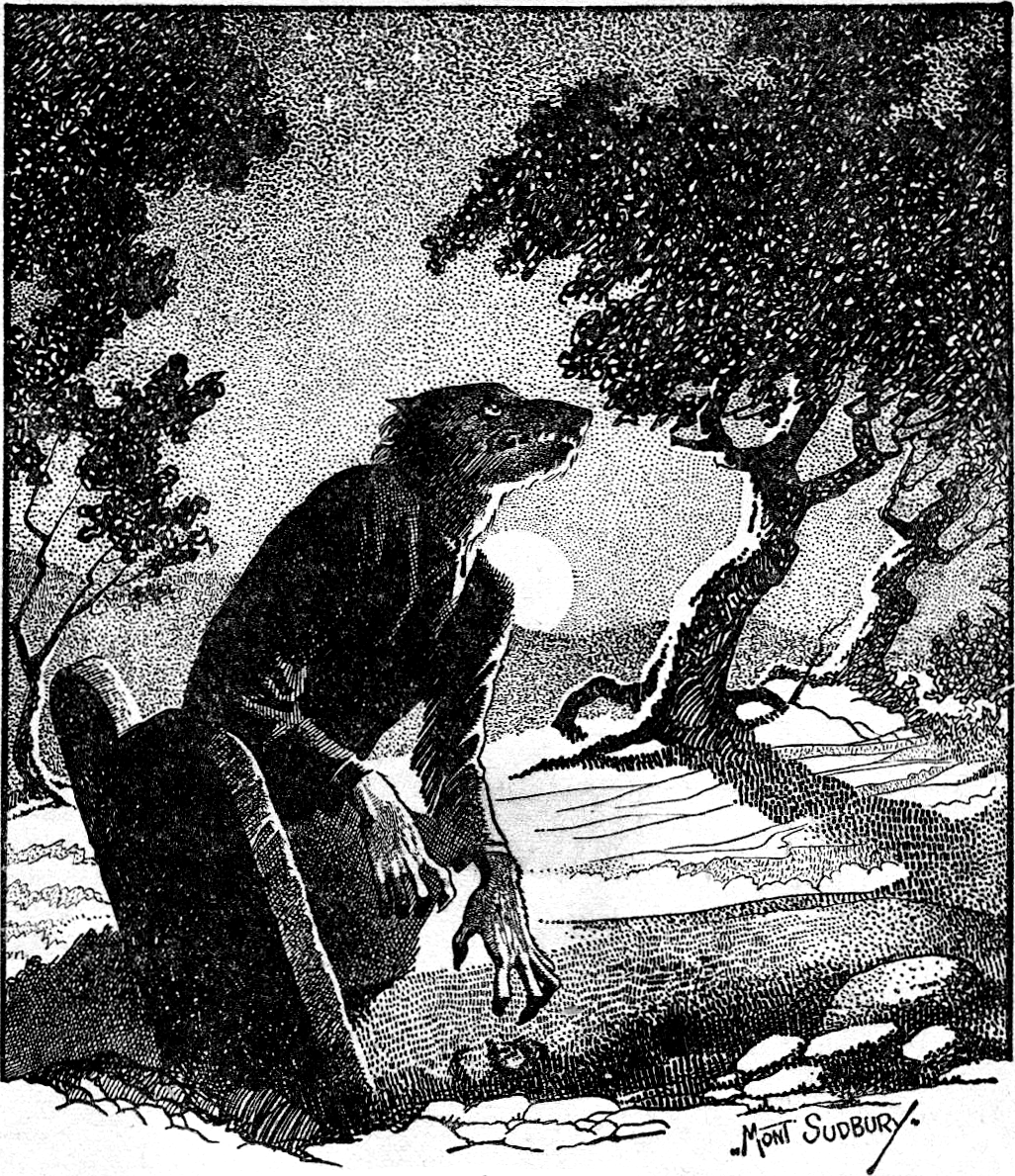 🇨🇭 Switzerland and 5 moreWerewolf
A figure in folklore who transforms into a wolf or hybrid beastFigure · Cursing and harm Legendary
🇨🇭 Switzerland and 5 moreWerewolf
A figure in folklore who transforms into a wolf or hybrid beastFigure · Cursing and harm Legendary
 🇩🇪 GermanyAlp
A Germanic spirit that presses on sleepers and drinks milkBeing · Cursing and harm · Luck and prosperity Historical
🇩🇪 GermanyJohannes Junius
Mayor of Bamberg executed in the witch trials, known for a letter to his daughterFigure Historical
🇩🇪 GermanyAlp
A Germanic spirit that presses on sleepers and drinks milkBeing · Cursing and harm · Luck and prosperity Historical
🇩🇪 GermanyJohannes Junius
Mayor of Bamberg executed in the witch trials, known for a letter to his daughterFigure Historical
 🇩🇪 GermanyPied Piper of Hamelinder Rattenfänger von Hameln
A medieval legend about a piper who leads children away from the town of HamelinFigure · Cursing and harm · Luck and prosperity Legendary
🇩🇪 GermanyPied Piper of Hamelinder Rattenfänger von Hameln
A medieval legend about a piper who leads children away from the town of HamelinFigure · Cursing and harm · Luck and prosperity Legendary
Related elsewhere
All being 🇮🇳 India and 1 moreNavagrahaनवग्रह
A group of nine celestial deities in Hinduism that govern fate and astrologyTradition · Protection · Luck and prosperity Living
🇧🇷 Brazil and 1 moreQuimbanda
An Afro-Brazilian religion focused on male and female street spirits for worldly mattersTradition · Protection · Luck and prosperity Living
🇮🇳 India and 1 moreNavagrahaनवग्रह
A group of nine celestial deities in Hinduism that govern fate and astrologyTradition · Protection · Luck and prosperity Living
🇧🇷 Brazil and 1 moreQuimbanda
An Afro-Brazilian religion focused on male and female street spirits for worldly mattersTradition · Protection · Luck and prosperity Living
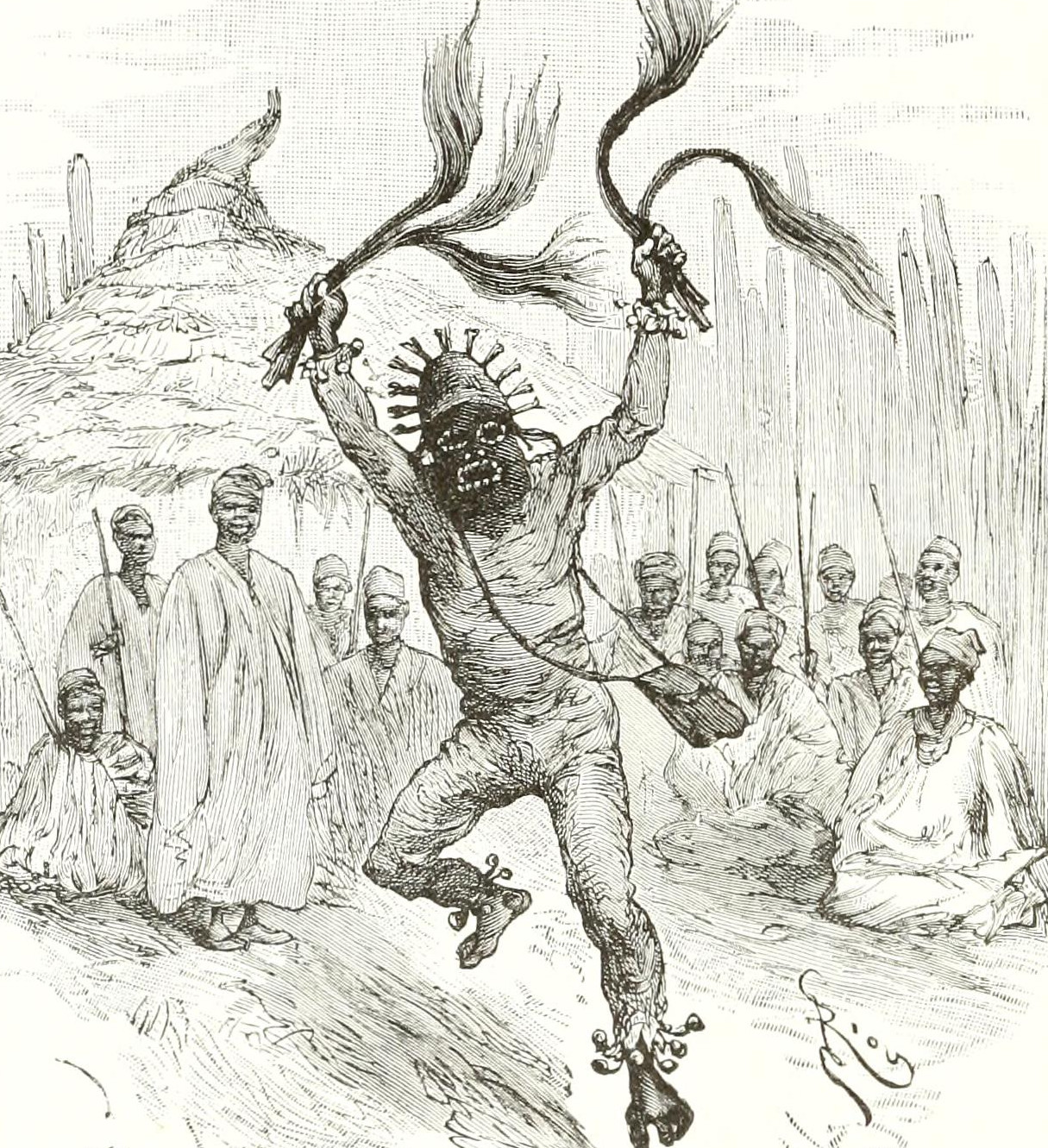 🇺🇸 United States and 2 moreLouisiana Voodoo
An African diasporic religion practiced in Louisiana from the 18th to early 20th centuriesTradition · Healing · Protection Historical
🇺🇸 United States and 2 moreLouisiana Voodoo
An African diasporic religion practiced in Louisiana from the 18th to early 20th centuriesTradition · Healing · Protection Historical
 🇲🇽 Mexico and 2 moreAluxaluxo'ob
A small Maya spirit believed to guard fields and cause mischief if offended.Being · Protection · Luck and prosperity Living
🇲🇽 Mexico and 2 moreAluxaluxo'ob
A small Maya spirit believed to guard fields and cause mischief if offended.Being · Protection · Luck and prosperity Living