Hindu and Tantric: magic in this belief world
Mantra, yantra, tantra, puja and the folk goddess cults of India and Nepal.
Hindu practice holds a very large range of ritual: Vedic fire offerings, mantra and yantra, tantra, temple puja, astrology, and the village goddess cults of India and Nepal. Many Hindus would call this worship, not magic, while scholars note that charms, spells and rites of power run through the tradition from the Atharvaveda onward. This page covers the range and the tensions inside it. Hindu communities live in every continent, and their rites differ by language and household.
Mantra, yantra and tantra
A mantra is a sacred sound or phrase, a yantra a diagram, and tantra a family of ritual traditions that use both. Tantric practice is varied: some is household devotion, some is initiatory work under a guru, and some has been sensationalised abroad as sex magic, a picture most practitioners reject. Knowledge is passed through initiation, and many texts are closed to outsiders. Initiation into a mantra is usually given by a guru or family teacher, and the same sound may be said to work only when received in the right way.
Folk and village practice
Beyond the temple, villages have healers, exorcists and mediums who work with goddesses and spirits. Practices against the evil eye include the lemon and chillies, black dots and a rite of waving salt and chillies before a child. Jyotisha, Indian astrology, is consulted for weddings, names and business, and is taught in some universities, which scientists have criticised. Healers and goddess shrines, such as those of Sitala for smallpox and fever and of Bhagavati in Kerala, draw crowds who seek relief and protection.
Gender, caste and law
Access follows caste and gender. Priesthood is largely male and Brahmin, though women lead some rites, and low-caste and Dalit practitioners lead many village cults. Accusations of witchcraft, in India often called dayan or dain, have killed people in states such as Jharkhand and Assam, and several states have passed laws against witch-hunting. Maharashtra and Karnataka have anti-superstition laws. Hindu reformers have also attacked such practice: the Arya Samaj, founded in 1875, opposed idol worship and ritual excess, and rationalist groups in India campaign against godmen who claim miracles.
Diaspora and commerce
Overseas, communities keep household rites and temple worship, and pandits conduct weddings by video. Yoga and tantra are now global industries, and Western teachers have sold forms far from their roots, while Indian reformers and some Hindus object. Scholars point to centuries of overlap between Hindu, Buddhist, Jain and Islamic traditions of charms and healing. Hindu temples in Britain, North America and Southeast Asia now host priests trained in India, and some rites have been adapted to the calendar of working life.
Hindu and Tantric on EveryJaadu
The entries written up so far, best known first.
 🇪🇬 Egypt and 3 moreAmulet
A portable object worn or carried to ward off harm and invite fortuneCharm · Protection · Luck and prosperity Living
🇪🇬 Egypt and 3 moreAmulet
A portable object worn or carried to ward off harm and invite fortuneCharm · Protection · Luck and prosperity Living
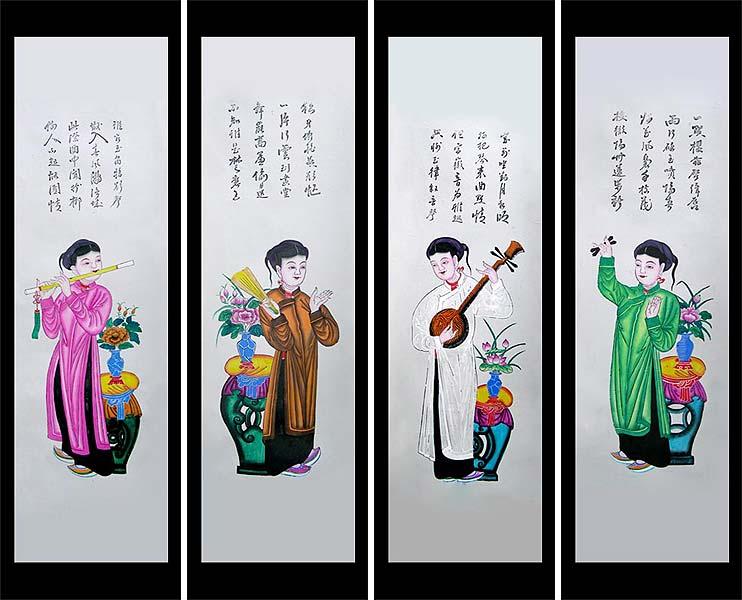 🇻🇳 Vietnam and 1 moreVietnamese folk religiontín ngưỡng dân gian Việt Nam
A collection of local spirit worship and ancestral veneration in VietnamTradition · Protection · Healing Living
🇻🇳 Vietnam and 1 moreVietnamese folk religiontín ngưỡng dân gian Việt Nam
A collection of local spirit worship and ancestral veneration in VietnamTradition · Protection · Healing Living
 🇪🇬 EgyptWadjetwꜢḏyt
The green cobra goddess who protected Lower Egypt and the pharaohs.Being · Protection · Power and authority Historical
🇪🇬 EgyptWadjetwꜢḏyt
The green cobra goddess who protected Lower Egypt and the pharaohs.Being · Protection · Power and authority Historical
 🇹🇭 Thailand and 7 moreSpirit house
A small roofed shrine that shelters a place's protective spiritCharm · Protection Living
🇹🇭 Thailand and 7 moreSpirit house
A small roofed shrine that shelters a place's protective spiritCharm · Protection Living
 🇮🇳 India and 5 morePilgrimage
A journey to a sacred site for spiritual growth or religious dutyTradition · Healing · Speaking with spirits and the dead Living
🇮🇳 India and 5 morePilgrimage
A journey to a sacred site for spiritual growth or religious dutyTradition · Healing · Speaking with spirits and the dead Living
 🇮🇳 India and 5 moreHoliहोली
A Hindu spring festival marked by coloured powders and bonfires to celebrate love and virtue.Tradition · Love and attraction · Cursing and harm Living
🇮🇷 Iran and 2 moreHaoma
A divine plant and spirit in Zoroastrianism, linked to healing and ancient rituals.Substance · Healing · Speaking with spirits and the dead Living
🇮🇳 India and 5 moreHoliहोली
A Hindu spring festival marked by coloured powders and bonfires to celebrate love and virtue.Tradition · Love and attraction · Cursing and harm Living
🇮🇷 Iran and 2 moreHaoma
A divine plant and spirit in Zoroastrianism, linked to healing and ancient rituals.Substance · Healing · Speaking with spirits and the dead Living
 🇮🇩 IndonesiaNyepiᬜᬾᬧᬶ
A Balinese day of total silence, fasting, and self-reflection to mark the new year.Rite · Cleansing and purification · Speaking with spirits and the dead Living
🇮🇩 IndonesiaNyepiᬜᬾᬧᬶ
A Balinese day of total silence, fasting, and self-reflection to mark the new year.Rite · Cleansing and purification · Speaking with spirits and the dead Living
 🇮🇳 IndiaMahakaleshwar JyotirlingaMahākāleśvara
A sacred Shiva shrine in Ujjain, India, known for its south-facing idol and ancient origins.Tradition · Protection · Power and authority Living
🇮🇳 IndiaMahakaleshwar JyotirlingaMahākāleśvara
A sacred Shiva shrine in Ujjain, India, known for its south-facing idol and ancient origins.Tradition · Protection · Power and authority Living
 🇪🇬 EgyptDjedḏd
An ancient Egyptian pillar symbol representing stability and resurrectionCharm · Protection · Power and authority Historical
🇪🇬 EgyptDjedḏd
An ancient Egyptian pillar symbol representing stability and resurrectionCharm · Protection · Power and authority Historical
 🇮🇳 India and 5 moreKolamகோலம்
A daily geometric floor drawing made with rice flour at the home entrance in South IndiaTradition · Protection · Luck and prosperity Living
🇮🇳 India and 5 moreKolamகோலம்
A daily geometric floor drawing made with rice flour at the home entrance in South IndiaTradition · Protection · Luck and prosperity Living
 🇸🇩 Sudan and 5 moreIncense
Aromatic plant materials burned to release fragrant smoke for ritual, scent, or timekeeping.Substance · Protection · Speaking with spirits and the dead Living
🇸🇩 Sudan and 5 moreIncense
Aromatic plant materials burned to release fragrant smoke for ritual, scent, or timekeeping.Substance · Protection · Speaking with spirits and the dead Living
 🇮🇳 IndiaKavu
Sacred forest patches in South India that protect local deities and wildlifeTradition · Protection · Speaking with spirits and the dead Living
🇮🇳 IndiaKavu
Sacred forest patches in South India that protect local deities and wildlifeTradition · Protection · Speaking with spirits and the dead Living
 🇮🇳 India and 1 moreNavagrahaनवग्रह
A group of nine celestial deities in Hinduism that govern fate and astrologyTradition · Protection · Luck and prosperity Living
🇮🇳 India and 1 moreNavagrahaनवग्रह
A group of nine celestial deities in Hinduism that govern fate and astrologyTradition · Protection · Luck and prosperity Living
 🇮🇩 IndonesiaOgoh-ogohᬳᭀᬕᭀᬄ ᬳᭀᬕᭀᬄ
Balinese sculptures paraded and burned to cleanse the environment before NyepiTradition · Cursing and harm · Cleansing and purification Living
🇮🇩 IndonesiaOgoh-ogohᬳᭀᬕᭀᬄ ᬳᭀᬕᭀᬄ
Balinese sculptures paraded and burned to cleanse the environment before NyepiTradition · Cursing and harm · Cleansing and purification Living
 🇮🇳 India and 2 moreYantraयन्त्र
A geometric diagram from Indian traditions used for worship and meditationTradition · Protection · Speaking with spirits and the dead Living
🇮🇳 IndiaPanchagavya
A fermented mixture of five cow products used in Hindu rituals and Ayurvedic traditions.Substance · Cleansing and purification · Healing Living
🇮🇳 India and 2 moreYantraयन्त्र
A geometric diagram from Indian traditions used for worship and meditationTradition · Protection · Speaking with spirits and the dead Living
🇮🇳 IndiaPanchagavya
A fermented mixture of five cow products used in Hindu rituals and Ayurvedic traditions.Substance · Cleansing and purification · Healing Living
 🇮🇳 India and 1 moreGarba
A Gujarati circle dance performed around a central symbol during NavaratriIllusion · Power and authority · Luck and prosperity Living
🇮🇳 India and 1 moreGarba
A Gujarati circle dance performed around a central symbol during NavaratriIllusion · Power and authority · Luck and prosperity Living
 🇮🇳 IndiaKumkumकुङ्कुमम्
A red powder made from turmeric and lime, used in Hindu markings and ritualsSubstance · Protection · Luck and prosperity Living
🇮🇳 IndiaKumkumकुङ्कुमम्
A red powder made from turmeric and lime, used in Hindu markings and ritualsSubstance · Protection · Luck and prosperity Living
 🇮🇳 India and 5 moreAncestor worship
Rites of respect for the dead that maintain family bonds and seek spiritual guidanceTradition · Protection · Speaking with spirits and the dead Living
🇮🇳 India and 5 moreAncestor worship
Rites of respect for the dead that maintain family bonds and seek spiritual guidanceTradition · Protection · Speaking with spirits and the dead Living
 🇮🇳 India and 1 moreSantoshi Mataसंतोषी माता
A Hindu goddess of contentment worshipped through a Friday ritual fast.Being · Protection · Luck and prosperity Living
🇮🇳 India and 1 moreSantoshi Mataसंतोषी माता
A Hindu goddess of contentment worshipped through a Friday ritual fast.Being · Protection · Luck and prosperity Living
 🇮🇳 India and 1 moreMantraमन्त्रम्
A sacred sound or phrase repeated to focus the mind and invoke spiritual powerText · Speaking with spirits and the dead · Power and authority Living
🇮🇳 India and 1 moreMantraमन्त्रम्
A sacred sound or phrase repeated to focus the mind and invoke spiritual powerText · Speaking with spirits and the dead · Power and authority Living
 🇮🇹 Italy and 5 morePrecious coral
A marine skeleton harvested for jewelry and worn as a protective charm in several culturesSubstance · Protection · Healing Living
🇮🇹 Italy and 5 morePrecious coral
A marine skeleton harvested for jewelry and worn as a protective charm in several culturesSubstance · Protection · Healing Living
 🇭🇹 Haiti and 2 moreLwa
Spirits in Haitian Vodou that mediate between people and the creator god.Being · Protection · Healing Living
🇭🇹 Haiti and 2 moreLwa
Spirits in Haitian Vodou that mediate between people and the creator god.Being · Protection · Healing Living
 🇳🇬 Nigeria and 3 moreYemọjaYemoja
A mother spirit of rivers and oceans worshipped across Yoruba and diaspora traditionsBeing · Protection · Healing Living
🇳🇬 Nigeria and 3 moreYemọjaYemoja
A mother spirit of rivers and oceans worshipped across Yoruba and diaspora traditionsBeing · Protection · Healing Living
 🇮🇳 India and 3 moreYakshiniयक्षिणी
Some guard, some haunt: female nature spirits of Hindu, Buddhist and Jain loreBeing · Protection · Luck and prosperity Living
🇮🇳 India and 3 moreYakshiniयक्षिणी
Some guard, some haunt: female nature spirits of Hindu, Buddhist and Jain loreBeing · Protection · Luck and prosperity Living
 🇮🇳 India and 2 moreBrahmarakshasaब्रह्मराक्षसः
A cursed Brahmin spirit in Hindu lore, feared for harm and venerated in temples.Being · Cursing and harm · Protection Living
🇮🇳 India and 2 moreBrahmarakshasaब्रह्मराक्षसः
A cursed Brahmin spirit in Hindu lore, feared for harm and venerated in temples.Being · Cursing and harm · Protection Living
 🇹🇭 ThailandSongkranสงกรานต์
The Thai solar New Year marked by water rituals and sand pagodasTradition · Cleansing and purification · Luck and prosperity Living
🇹🇭 ThailandSongkranสงกรานต์
The Thai solar New Year marked by water rituals and sand pagodasTradition · Cleansing and purification · Luck and prosperity Living
 🇳🇬 Nigeria and 5 moreEleguaÈṣù-Ẹlẹ́gbára
A Yoruba deity of crossroads and messenger who opens all spiritual pathsBeing · Protection · Speaking with spirits and the dead Living
🇳🇬 Nigeria and 5 moreEleguaÈṣù-Ẹlẹ́gbára
A Yoruba deity of crossroads and messenger who opens all spiritual pathsBeing · Protection · Speaking with spirits and the dead Living
 🇳🇬 Nigeria and 1 moreObatalaỌbatalá
The Yoruba king of white cloth who is believed to have created humanity and presides over purity.Being · Protection · Healing Living
🇳🇬 Nigeria and 1 moreObatalaỌbatalá
The Yoruba king of white cloth who is believed to have created humanity and presides over purity.Being · Protection · Healing Living
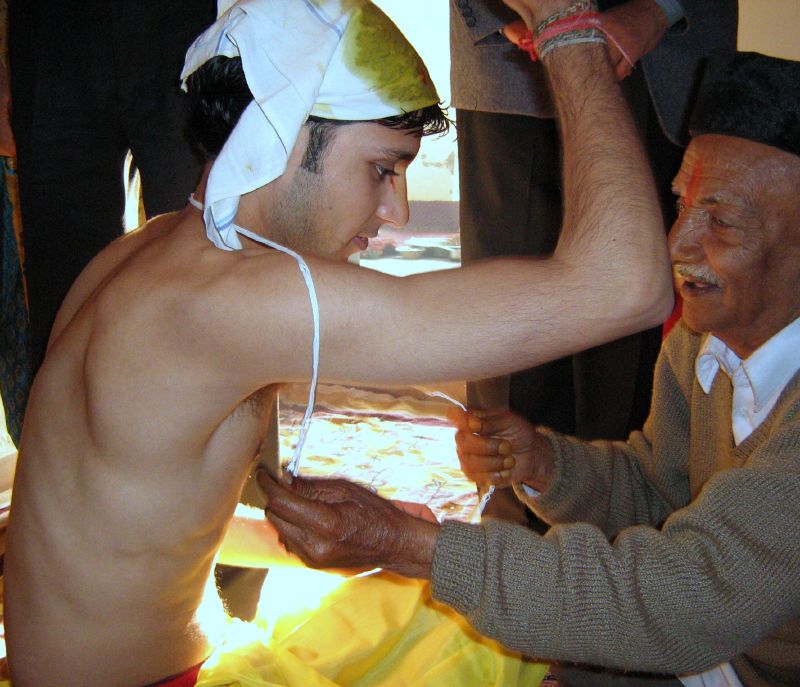 🇮🇳 India and 1 moreUpanayanaउपनयन
A Hindu rite of passage marking a student's initiation into formal education and spiritual discipline.Rite · Speaking with spirits and the dead · Power and authority Living
🇮🇳 India and 1 moreUpanayanaउपनयन
A Hindu rite of passage marking a student's initiation into formal education and spiritual discipline.Rite · Speaking with spirits and the dead · Power and authority Living
 🇮🇳 India and 1 moreDiyaदीया
A small oil lamp used in prayers and festivals across the Indian subcontinentTradition · Protection · Luck and prosperity Living
🇮🇳 India and 1 moreDiyaदीया
A small oil lamp used in prayers and festivals across the Indian subcontinentTradition · Protection · Luck and prosperity Living
 🇮🇳 India and 4 moreShivaशिव
A principal Hindu deity of destruction and yoga, worshipped across South and Southeast AsiaBeing · Power and authority · Change and initiation Living
🇮🇳 India and 4 moreShivaशिव
A principal Hindu deity of destruction and yoga, worshipped across South and Southeast AsiaBeing · Power and authority · Change and initiation Living
 🇮🇳 IndiaKaliकाली
A fierce Hindu goddess of time and destruction, worshipped as a protective mother.Being · Protection · Cursing and harm Living
🇮🇳 IndiaKaliकाली
A fierce Hindu goddess of time and destruction, worshipped as a protective mother.Being · Protection · Cursing and harm Living
 🇮🇷 Iran and 2 moreSomaसोम
A sacred ritual drink of the ancient Vedic religion and its Iranian counterpartSubstance · Power and authority · Speaking with spirits and the dead Historical
🇮🇷 Iran and 2 moreSomaसोम
A sacred ritual drink of the ancient Vedic religion and its Iranian counterpartSubstance · Power and authority · Speaking with spirits and the dead Historical
 🇮🇳 India and 2 moreDurga Pujaদুর্গাপূজা
A ten-day autumn festival honouring the goddess Durga and her victory over evil.Tradition · Protection · Luck and prosperity Living
🇮🇳 India and 2 moreDurga Pujaদুর্গাপূজা
A ten-day autumn festival honouring the goddess Durga and her victory over evil.Tradition · Protection · Luck and prosperity Living
 🇬🇷 Greece and 2 moreAstragalomancy
Divination by casting marked bones, carved rods, or numbered diceOracle · Seeing and foretelling · Speaking with spirits and the dead Living
🇬🇷 Greece and 2 moreAstragalomancy
Divination by casting marked bones, carved rods, or numbered diceOracle · Seeing and foretelling · Speaking with spirits and the dead Living
 🇩🇲 Dominica and 1 morePrayer beads
Beaded strings used to count prayers and mantras across many world religionsSubstance · Speaking with spirits and the dead Living
🇩🇲 Dominica and 1 morePrayer beads
Beaded strings used to count prayers and mantras across many world religionsSubstance · Speaking with spirits and the dead Living
 🇮🇳 IndiaTarpanaतर्पण
A Vedic offering of water and seeds to gods, sages, and ancestorsRite · Speaking with spirits and the dead · Power and authority Living
🇮🇳 IndiaMuhurtamuhūrta
A Hindu unit of time used to select auspicious moments for rituals and daily practiceBelief · Power and authority · Speaking with spirits and the dead Living
🇮🇳 IndiaTarpanaतर्पण
A Vedic offering of water and seeds to gods, sages, and ancestorsRite · Speaking with spirits and the dead · Power and authority Living
🇮🇳 IndiaMuhurtamuhūrta
A Hindu unit of time used to select auspicious moments for rituals and daily practiceBelief · Power and authority · Speaking with spirits and the dead Living
 🇮🇳 India and 5 moreShakta pithasशाक्त पीठ (Śākta Pīṭha)
Sacred shrines in Shaktism marking where parts of the goddess Sati fell to earth.Tradition · Speaking with spirits and the dead · Power and authority Living
🇮🇳 India and 5 moreShakta pithasशाक्त पीठ (Śākta Pīṭha)
Sacred shrines in Shaktism marking where parts of the goddess Sati fell to earth.Tradition · Speaking with spirits and the dead · Power and authority Living
 🇹🇴 Tonga and 5 moreTabootapu
A cultural prohibition that marks something as forbidden or sacredBelief · Protection · Speaking with spirits and the dead Living
🇹🇴 Tonga and 5 moreTabootapu
A cultural prohibition that marks something as forbidden or sacredBelief · Protection · Speaking with spirits and the dead Living
 🇮🇳 India and 3 moreMaha Shivaratriमहाशिवरात्रि
A Hindu night of fasting and vigil dedicated to the deity ShivaTradition · Protection · Speaking with spirits and the dead Living
🇮🇳 India and 3 moreMaha Shivaratriमहाशिवरात्रि
A Hindu night of fasting and vigil dedicated to the deity ShivaTradition · Protection · Speaking with spirits and the dead Living
 🇮🇪 Ireland and 4 moreWinter solstice
The shortest day and longest night of the year, marked by rites of solar returnTradition · Seeing and foretelling · Protection Living
🇮🇪 Ireland and 4 moreWinter solstice
The shortest day and longest night of the year, marked by rites of solar returnTradition · Seeing and foretelling · Protection Living
 🇮🇳 India and 2 moreRudrakshaरुद्राक्ष
Dried seeds of the Elaeocarpus tree used as prayer beads in Hindu and Buddhist traditions.Substance · Protection · Speaking with spirits and the dead Living
🇮🇳 India and 2 moreRudrakshaरुद्राक्ष
Dried seeds of the Elaeocarpus tree used as prayer beads in Hindu and Buddhist traditions.Substance · Protection · Speaking with spirits and the dead Living
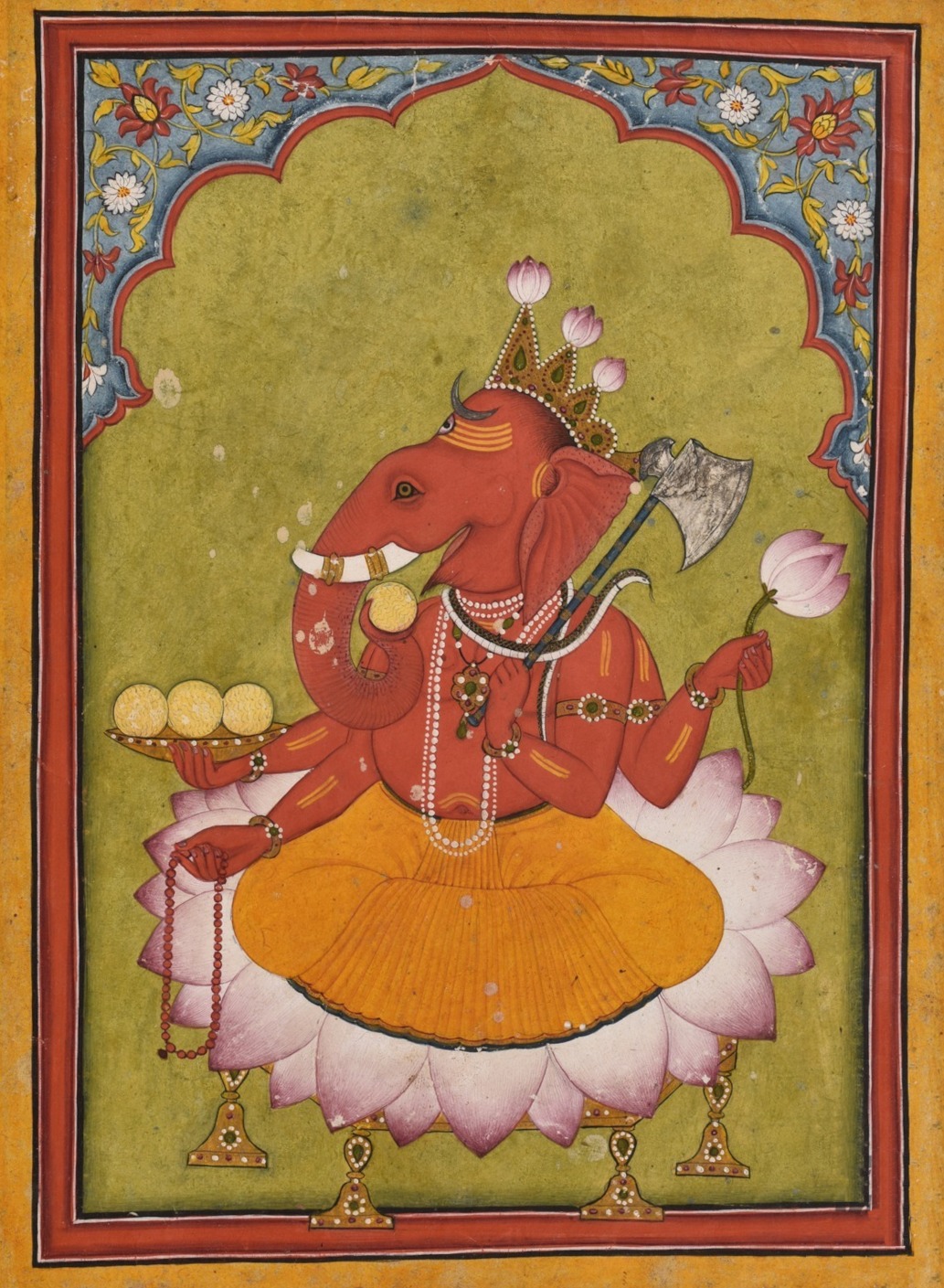 🇮🇳 India and 5 moreGaneshaगणेश (Gaṇeśa)
An elephant-headed Hindu deity worshipped as the remover of obstacles and patron of wisdom.Being · Protection · Luck and prosperity Living
🇮🇳 India and 5 moreGaneshaगणेश (Gaṇeśa)
An elephant-headed Hindu deity worshipped as the remover of obstacles and patron of wisdom.Being · Protection · Luck and prosperity Living
 🇮🇳 India and 5 moreKartikeyaKārttikeya
Hindu god of war and victory, son of Shiva and ParvatiBeing · Power and authority · Protection Living
🇮🇳 India and 5 moreKartikeyaKārttikeya
Hindu god of war and victory, son of Shiva and ParvatiBeing · Power and authority · Protection Living
 🇲🇦 Morocco and 5 moreWild rueاسپند
A desert plant whose seeds hold psychoactive alkaloids and serve as incense in the Middle East.Substance · Protection · Speaking with spirits and the dead Living
🇲🇦 Morocco and 5 moreWild rueاسپند
A desert plant whose seeds hold psychoactive alkaloids and serve as incense in the Middle East.Substance · Protection · Speaking with spirits and the dead Living
Photo credits on this page
The small pictures above come from Wikimedia Commons under free licences. Some are cropped to fit.
- Kolam: mckaysavage, CC BY 2.0, source
- Garba: anurag agnihotri, CC BY 2.0, source
- Holi: Jitenderasingh, CC BY-SA 4.0, source
- Mantra: Markrosenrosen, CC BY-SA 3.0, source
- Precious coral: Géry PARENT, CC BY-SA 3.0, source
- Ogoh-ogoh: Simondodit, CC BY-SA 4.0, source
- Mahakaleshwar Jyotirlinga: Ashverse, CC BY-SA 4.0, source
- Amulet: Anonymous ( Egypt ) Unknown author, Public domain, source
- Incense: nakimusi, CC BY 2.0, source
- Kavu: Ashwin.appus, CC BY-SA 4.0, source
- Navagraha: Kiran891, CC BY-SA 4.0, source
- Yantra: Photo by Daniel Conrad (Chromacon), artwork by Daniel Conrad under dir, Public domain, source
- Soma: Krzysztof Ziarnek, Kenraiz, CC BY-SA 4.0, source
- Prayer beads: ja:利用者:pack372sd, CC BY-SA 3.0, source
- Kumkum: Thamizhpparithi Maari, CC BY-SA 3.0, source
- Ancestor worship: Lyn Gateley, CC BY 2.0, source
- Rudraksha: Merasmita, CC BY-SA 4.0, source
- Lwa: Hector Hyppolite, Public domain, source
- Yemọja: Samuel Tobbytex007, CC BY-SA 4.0, source
- Yakshini: Brihaspati, CC BY-SA 4.0, source
- Brahmarakshasa: Chaitnyags, CC BY-SA 4.0, source
- Songkran: ผู้สร้างสรรค์ผลงาน/ส่งข้อมูลเก็บในคลังข้อมูลเสรีวิกิมีเดียคอมมอนส์ - เ, CC BY 3.0, source
- Elegua: Sailko, CC BY 3.0, source
- Obatala: Isha, CC BY 3.0, source
- Wadjet: Rama, CC BY-SA 3.0 fr, source
- Diya: Suyash Dwivedi, CC BY-SA 4.0, source
- Shiva: Indianhilbilly, CC BY-SA 3.0, source
- Kali: Raja Ravi Varma, Public domain, source
- Durga Puja: Subhrajyoti07, CC BY-SA 4.0, source
- Astragalomancy: Roland zh, CC BY-SA 3.0, source
- Tarpana: Biswarup Ganguly, CC BY 3.0, source
- Shakta pithas: Abhishek Chandra, Public domain, source
- Taboo: Jonathan McIntosh, CC BY 2.0, source
- Santoshi Mata: Nishu0246, CC BY-SA 4.0, source
- Winter solstice: Image by Przemyslaw " Blueshade " Idzkiewicz, CC BY-SA 2.0, source
- Ganesha: anonymous, Public domain, source
- Kartikeya: Dassmahen, CC BY-SA 4.0, source
- Wild rue: Yuriy75, CC BY-SA 3.0, source
- Nyepi: Matt Croxson, Public domain, source
- Djed: Anonymous ( Egypt ) Unknown author, Public domain, source
- Upanayana: vinodbahal, CC BY 2.0, source
- Spirit house: Chainwit., CC BY-SA 4.0, source
- Maha Shivaratri: Navneesh Ramessur, CC BY-SA 4.0, source
- Pilgrimage: Ali Mansuri, CC BY-SA 2.5, source
- Vietnamese folk religion: Unknown (traditional painting dated back to the 17th century), Public domain, source