
Maha Shivaratri
In its own language: महाशिवरात्रि
from Sanskrit maha (great), Shiva, and ratri (night)
A Hindu night of fasting and vigil dedicated to the deity Shiva
Maha Shivaratri is an annual Hindu festival held between February and March to worship Shiva. Devotees observe it with fasting, all-night vigils, and temple visits to commemorate Shiva's wedding to Parvati and his cosmic dance.
- Observed on the 14th lunar day of the waning moon
- Devotees stay awake all night in vigil called jagarana
- Central ritual involves bathing lingams with milk and honey
- Commemorates Shiva's marriage to Parvati and his cosmic dance
- Major gathering occurs at Pashupatinath Temple in Nepal
What it is
Maha Shivaratri is a major Hindu festival celebrated annually to honor the deity Shiva. It falls in late winter or early spring on the fourteenth day of the dark fortnight of the moon. The name means 'Great Night of Shiva'. Devotees view this time as an opportunity to overcome darkness and ignorance. They remember Shiva through prayer, fasting, and meditation on virtues like honesty and charity. The night marks significant events in Shaiva theology, including Shiva's marriage to Parvati and his performance of the tandava, a ritual dance of creation and destruction.
Where it comes from
The festival appears in ancient Puranic texts such as the Shiva Purana and Linga Purana. One legend tells of a hunter named Gurudruha who climbed a tree to survive wild animals and unknowingly offered bilva leaves to a lingam, earning divine grace. Some scholars link these stories to earlier Indus Valley Civilization practices, pointing to seals showing human-animal figures that resemble proto-Shaiva imagery. The observance likely evolved from monthly Shivaratri vigils into a single grand annual celebration.
How it is done
Devotees maintain a jagarana, an all-night wake at temples or home shrines. The night is divided into four parts, each marked by specific prayers and offerings. Participants often fast completely or eat only fruits and milk, avoiding grains and root vegetables. Temples perform abhisheka, bathing stone lingams with water, milk, yogurt, and honey. Pilgrims walk barefoot around sacred hills or visit Jyotirlinga sites. In some regions, artists perform dance festivals as offerings to Shiva.
Tools and materials
The central object of worship is the lingam, a symbolic representation of Shiva. Devotees offer bilva leaves, which are considered especially sacred to him. Ritual baths use milk, honey, ghee, and yogurt. Fasters avoid iodized salt, preferring rock salt or unrefined sea salt. In Kashmir, walnuts are soaked and buried before the festival, then retrieved for distribution as blessed food.
Maha Shivaratri, drawn and placed
- Living
- Revived
- Fading
- Historical
- Legendary
- Performed
- Lineage
- Shaivism tradition of Hinduism
- Timing
- on the fourteenth lunar day of the waning moon
What it is for
The festival aims to help devotees transcend ignorance and connect with the divine. It commemorates Shiva's union with Parvati and his role as the cosmic dancer. Practitioners seek spiritual purification through discipline and devotion. The night is seen as auspicious for removing negative karma and gaining Shiva's blessings. Many believe that sincere observance leads to liberation and inner peace.
Who does it
Any Hindu can participate in Maha Shivaratri. No special priestly training is required for personal observance. Household members lead home rituals, while temple priests conduct formal ceremonies. Ascetics and sadhus gather at major sites to lead group vigils. The practice emphasizes personal effort and devotion rather than hierarchical authority.
Peoples and places
The festival is widespread across India and Nepal, with large gatherings at Pashupatinath Temple in Kathmandu. In Kashmir, it is known as Herath and may span nearly three weeks. Tamil Nadu devotees perform Girivalam, a long pilgrimage walk around Arunachala hill. Punjab Hindus organize processions called Shobha Yatras. The observance varies by region but shares core elements of fasting and night vigils.
At a glance: who, where and when
Who does it
Peoples
Belief worlds
Occasions


What people believe
Shaivism teaches that Shiva is the supreme reality. The night represents the triumph of light over darkness. Legends say Shiva consumed poison to save the world, turning his neck blue. Others claim he emerged from a pillar of fire to settle a dispute between Brahma and Vishnu. These myths reinforce the idea of Shiva as both destroyer and savior, accessible to those who call upon him sincerely.
When it is done
The date changes yearly based on the lunar calendar. It falls on the caturdashi tithi during the Krishna paksha (waning moon) in the months of Magha or Phalguna. Unlike most Hindu holidays, it is observed at night rather than day. The full moon marks the end of the previous month, so the festival occurs just before the new cycle begins.
How scholars and sceptics see it
Researchers study the festival through textual analysis of Puranas and archaeological evidence from the Indus Valley. Anthropologists examine how local customs blend with pan-Indian traditions. Historians trace the evolution from monthly vigils to annual celebrations. Scholars note the festival's role in reinforcing community identity and transmitting religious values across generations.
Cautions and what is closed
Fasting can pose health risks for people with medical conditions. Pilgrimages involve large crowds, increasing the chance of accidents or illness. Some traditional practices require physical endurance that may not suit everyone. Devotees are advised to consult doctors before undertaking strict fasts or long walks. Safety measures are implemented at major temple sites to manage crowd density.
Compare and confuse
Maha Shivaratri differs from other Hindu festivals by its nocturnal focus. Monthly Shivaratri observances follow similar patterns but lack the grand scale. It shares themes with Diwali, such as overcoming darkness, but uses different symbols. The Kashmiri Herath celebration extends over many days, unlike the single-night format elsewhere. Dance offerings at Chidambaram distinguish it from purely devotional sites.
Law and persecution
The festival is recognized as a public holiday in India, Nepal, and other countries with Hindu populations. Government regulations ensure safety at major pilgrimage sites. Religious freedom laws protect the right to observe the festival openly. No legal restrictions apply to standard practices like fasting or temple visits.
Days linked to Maha Shivaratri
Questions people ask about Maha Shivaratri
What is Maha Shivaratri?
It is a Hindu festival honoring Shiva, held annually on the fourteenth night of the dark moon. Devotees fast, pray, and keep watch through the night to overcome ignorance and seek divine blessings.
When does Maha Shivaratri occur?
It falls between February and March, depending on the lunar calendar. The exact date shifts yearly but always lands on the caturdashi tithi during the waning phase of the moon.
Why do people fast on this night?
Fasting is believed to purify the body and mind, helping devotees focus on prayer and meditation. It honors Shiva and prepares participants for the all-night vigil and temple rituals.
What is the significance of the bilva leaf?
Bilva leaves are considered sacred to Shiva. Offering them during puja is thought to please the deity and earn his favor. A legend says a hunter earned grace by dropping leaves on a lingam while climbing a tree.
How is it celebrated in Kashmir?
In Kashmir, it is called Herath and may last nearly three weeks. Devotees soak walnuts in water before burying them, then retrieve and distribute them as blessed food after offering to Shiva.
Good reading and sources
- Maha Shivaratri on WikipediaEncyclopedia
- More photos on Wikimedia CommonsPhotos and video
- Wikidata recordOpen data
The facts on this page come from the Wikipedia article "Maha Shivaratri", written by its contributors and used under the CC BY-SA 4.0 licence, and from its Wikidata record (CC0). EveryJaadu rewrote the text in its own words, with AI assistance, and compares every page with the article to make sure no passage is copied. It may be reused under the same CC BY-SA 4.0 licence with a link back.
It may contain mistakes. Names and customs differ from one community to the next, and some knowledge is closed to outsiders and left out here. This page describes belief and practice. It does not say that any of it works, it is not a how-to, and it is not medical advice. If something is wrong, tell us. Last refreshed 2026-10-05.
More from India
All the entries from India 🇮🇳 IndiaChakraचक्र
Meditation points in the subtle body used in Hindu and Buddhist yogaTradition · Speaking with spirits and the dead · Change and initiation Living
🇮🇳 IndiaChakraचक्र
Meditation points in the subtle body used in Hindu and Buddhist yogaTradition · Speaking with spirits and the dead · Change and initiation Living
 🇮🇳 IndiaMahakaleshwar JyotirlingaMahākāleśvara
A sacred Shiva shrine in Ujjain, India, known for its south-facing idol and ancient origins.Tradition · Protection · Power and authority Living
🇮🇳 IndiaMahakaleshwar JyotirlingaMahākāleśvara
A sacred Shiva shrine in Ujjain, India, known for its south-facing idol and ancient origins.Tradition · Protection · Power and authority Living
 🇮🇳 India and 5 moreKolamகோலம்
A daily geometric floor drawing made with rice flour at the home entrance in South IndiaTradition · Protection · Luck and prosperity Living
🇮🇳 India and 5 moreKolamகோலம்
A daily geometric floor drawing made with rice flour at the home entrance in South IndiaTradition · Protection · Luck and prosperity Living
 🇮🇳 India and 5 moreHoliहोली
A Hindu spring festival marked by coloured powders and bonfires to celebrate love and virtue.Tradition · Love and attraction · Cursing and harm Living
🇮🇳 India and 5 moreHoliहोली
A Hindu spring festival marked by coloured powders and bonfires to celebrate love and virtue.Tradition · Love and attraction · Cursing and harm Living
Related elsewhere
All tradition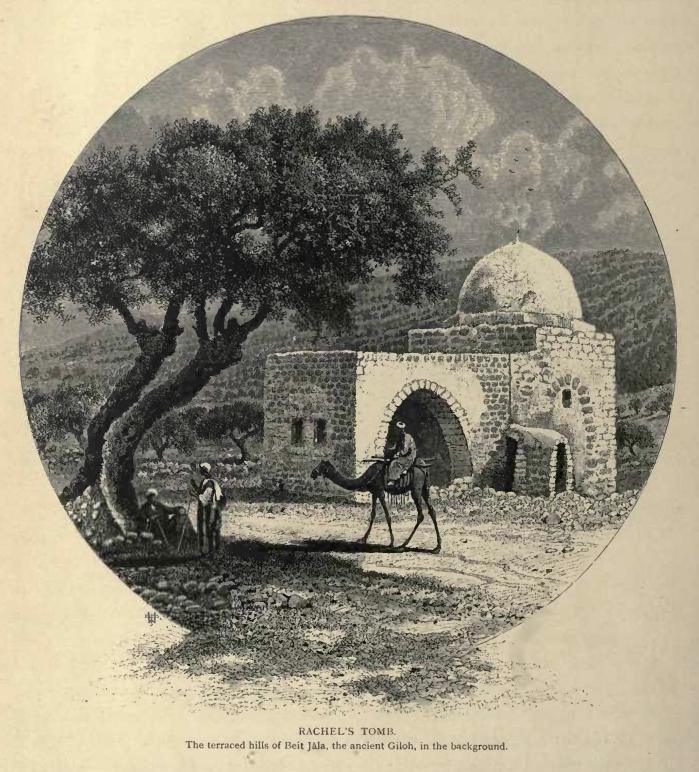 🇵🇸 Palestine and 1 moreRachel's TombQever Raḥel; Qabr Rāḥīl
A shared holy site near Bethlehem revered by Jews, Christians, and MuslimsTradition · Speaking with spirits and the dead · Protection Living
🇵🇸 Palestine and 1 moreRachel's TombQever Raḥel; Qabr Rāḥīl
A shared holy site near Bethlehem revered by Jews, Christians, and MuslimsTradition · Speaking with spirits and the dead · Protection Living
 🇪🇸 Spain and 5 moreSt John's Eve
A Christian vigil marked by bonfires and plant gathering on the summer solstice eveRite · Protection · Speaking with spirits and the dead Living
🇨🇳 China and 4 moreKitchen God灶君
The Chinese hearth deity who reports domestic conduct to the Jade EmperorBeing · Protection · Luck and prosperity Living
🇪🇸 Spain and 5 moreSt John's Eve
A Christian vigil marked by bonfires and plant gathering on the summer solstice eveRite · Protection · Speaking with spirits and the dead Living
🇨🇳 China and 4 moreKitchen God灶君
The Chinese hearth deity who reports domestic conduct to the Jade EmperorBeing · Protection · Luck and prosperity Living