Hindu and Tantric: magic in this belief world
Mantra, yantra, tantra, puja and the folk goddess cults of India and Nepal.
Hindu practice holds a very large range of ritual: Vedic fire offerings, mantra and yantra, tantra, temple puja, astrology, and the village goddess cults of India and Nepal. Many Hindus would call this worship, not magic, while scholars note that charms, spells and rites of power run through the tradition from the Atharvaveda onward. This page covers the range and the tensions inside it. Hindu communities live in every continent, and their rites differ by language and household.
Mantra, yantra and tantra
A mantra is a sacred sound or phrase, a yantra a diagram, and tantra a family of ritual traditions that use both. Tantric practice is varied: some is household devotion, some is initiatory work under a guru, and some has been sensationalised abroad as sex magic, a picture most practitioners reject. Knowledge is passed through initiation, and many texts are closed to outsiders. Initiation into a mantra is usually given by a guru or family teacher, and the same sound may be said to work only when received in the right way.
Folk and village practice
Beyond the temple, villages have healers, exorcists and mediums who work with goddesses and spirits. Practices against the evil eye include the lemon and chillies, black dots and a rite of waving salt and chillies before a child. Jyotisha, Indian astrology, is consulted for weddings, names and business, and is taught in some universities, which scientists have criticised. Healers and goddess shrines, such as those of Sitala for smallpox and fever and of Bhagavati in Kerala, draw crowds who seek relief and protection.
Gender, caste and law
Access follows caste and gender. Priesthood is largely male and Brahmin, though women lead some rites, and low-caste and Dalit practitioners lead many village cults. Accusations of witchcraft, in India often called dayan or dain, have killed people in states such as Jharkhand and Assam, and several states have passed laws against witch-hunting. Maharashtra and Karnataka have anti-superstition laws. Hindu reformers have also attacked such practice: the Arya Samaj, founded in 1875, opposed idol worship and ritual excess, and rationalist groups in India campaign against godmen who claim miracles.
Diaspora and commerce
Overseas, communities keep household rites and temple worship, and pandits conduct weddings by video. Yoga and tantra are now global industries, and Western teachers have sold forms far from their roots, while Indian reformers and some Hindus object. Scholars point to centuries of overlap between Hindu, Buddhist, Jain and Islamic traditions of charms and healing. Hindu temples in Britain, North America and Southeast Asia now host priests trained in India, and some rites have been adapted to the calendar of working life.
Hindu and Tantric on EveryJaadu
The entries written up so far, best known first.
 🇮🇳 IndiaKhodiyarખોડીયાર
A limping Hindu folk goddess who rides a crocodile and shields royal clansBeing · Protection · Healing Living
 🇨🇳 ChinaSuperstition in China
A broad category for folk beliefs and rituals dismissed as backward by modern Chinese authoritiesBelief · Protection · Luck and prosperity Living
🇮🇳 India and 1 moreRani Bhatiyani
A Rajput princess said to have become a guardian goddess of Rajasthan and SindhBeing · Protection · Speaking with spirits and the dead Living
 🇮🇳 IndiaArya Poonkani
A Hindu goddess of North Malabar, performed in Theyyam ritual with a Muslim sailor companion.Figure · Speaking with spirits and the dead Living
🇧🇩 Bangladesh and 1 moreFolk deities of Sylhet
Seven local gods and goddesses of the Sylhet region, each with its own careBeing · Protection · Love and attraction Living
 🇮🇳 IndiaVamacharaवामाचार
A Hindu tantric tradition using unorthodox rituals for spiritual growthTradition · Change and initiation Living
🇮🇳 IndiaMogal Maa
A Hindu folk goddess of Gujarat worshipped for children and healingBeing · Healing · Luck and prosperity Living
 🇮🇳 India and 1 moreDamnation
A state of divine punishment or separation from the sacred after deathBelief · Cursing and harm Living
 🇮🇳 IndiaInvolution
A term for spirit entering matter, before evolution turns the movement upwardBelief · Change and initiation Living
 🇮🇳 IndiaVyatipāta
An astrological moment in India marking a sun-moon alignment believed to signal calamity.Belief · Cursing and harm Historical
🇮🇳 IndiaTarakeshwaraतारकेश्वर (Tārakeśvara)
A form of Shiva who guides souls to liberation through sacred mantrasFigure · Speaking with spirits and the dead · Change and initiation Living
 🇬🇷 Greece and 2 moreClassical elements
Ancient theories that explain all matter as combinations of earth, water, fire, air, and aetherBelief · Wonder and entertainment Historical
 🇮🇳 India and 1 moreFire (classical element)
A classical substance of heat and transformation in Greek, Indian, and Western esoteric traditionsSubstance · Change and initiation · Power and authority Historical
 🇮🇳 India and 1 moreAstral body
A subtle vehicle of emotion and dream said to travel beyond the physical formBelief · Speaking with spirits and the dead · Change and initiation Historical
 🇮🇳 India and 2 moreAiravataऐरावत
A pristine white mythic elephant that carries the king of gods and controls the rains.Being · Power and authority · Protection Legendary
 🇳🇬 NigeriaIroke Ifáìrọ́kẹ́ Ifá
A carved staff used by Yoruba diviners to mark time and invoke spirits during ritual sessionsCharm · Speaking with spirits and the dead · Power and authority Living
 🇮🇳 IndiaKuttichathan Theyyam
A North Kerala ritual dance honoring a guardian deity born of divine and human linesIllusion · Protection · Speaking with spirits and the dead Living
 🇮🇳 IndiaUchitta Bhagavathyഉച്ചിട്ട ഭഗവതി
A North Malabar goddess of fire and childbirth, performed as TheyyamBeing · Protection · Healing Living
 🇮🇳 IndiaPashaपाश
A divine weapon symbolizing the binding of obstacles and worldly attachment in HinduismCharm · Binding and oaths · Power and authority Historical
 🇮🇳 IndiaAshapura Mataआशापुरा माता
A Hindu goddess worshipped as the clan protector of Rajput and other communities in western India.Being · Protection · Luck and prosperity Living
 🇬🇷 Greece and 3 moreExorcist
A religious specialist who performs rites to remove alleged demonic possession from people or places.Tradition · Cursing and harm · Cleansing and purification Living
 🇮🇳 India and 1 moreVimanaविमान
Mythological flying palaces and chariots from Hindu and Jain textsFigure · Wonder and entertainment Legendary
 🇪🇬 EgyptSekhem scepter
An ancient Egyptian staff symbolizing power and authorityCharm · Power and authority Historical
 🇮🇳 IndiaShamanism in Ayyavazhi
A divination practice within the Hindu denomination of Ayyavazhi in South India.Rite · Seeing and foretelling · Speaking with spirits and the dead Living
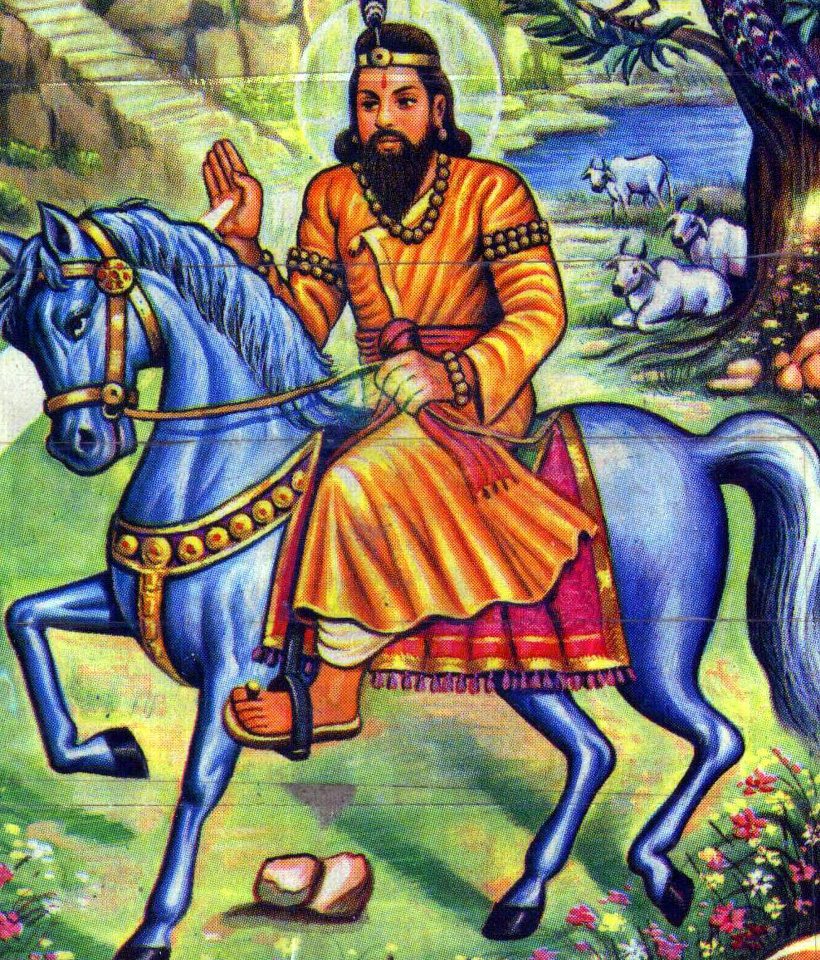 🇮🇳 IndiaBaba Mohan Ramबाबा मोहन राम
A folk form of Krishna worshipped at a cave shrine with a flame that never diesBeing · Healing · Luck and prosperity Living
 🇪🇬 Egypt and 1 morePsychopomp
A spirit or creature that guides the dead to the afterlifeBeing · Speaking with spirits and the dead Historical
 🇮🇳 IndiaStambhaस्तम्भ
A pillar or column in Indian architecture and Hindu cosmologyTradition · Power and authority Historical
 🇪🇬 Egypt and 5 moreWorship of heavenly bodies
Veneration of stars, planets, and the sky as divine forces or deitiesTradition · Protection · Power and authority Historical
 🇬🇷 Greece and 3 morePalladium
A sacred image or object believed to guarantee the safety of a city or nationCharm · Protection Historical
🇮🇳 IndiaKhongjomnubi NonggarolKhongchomnupi Nongkalol
A Meitei puya with two stories of transformation and ascent to the sky.Text · Wonder and entertainment Historical
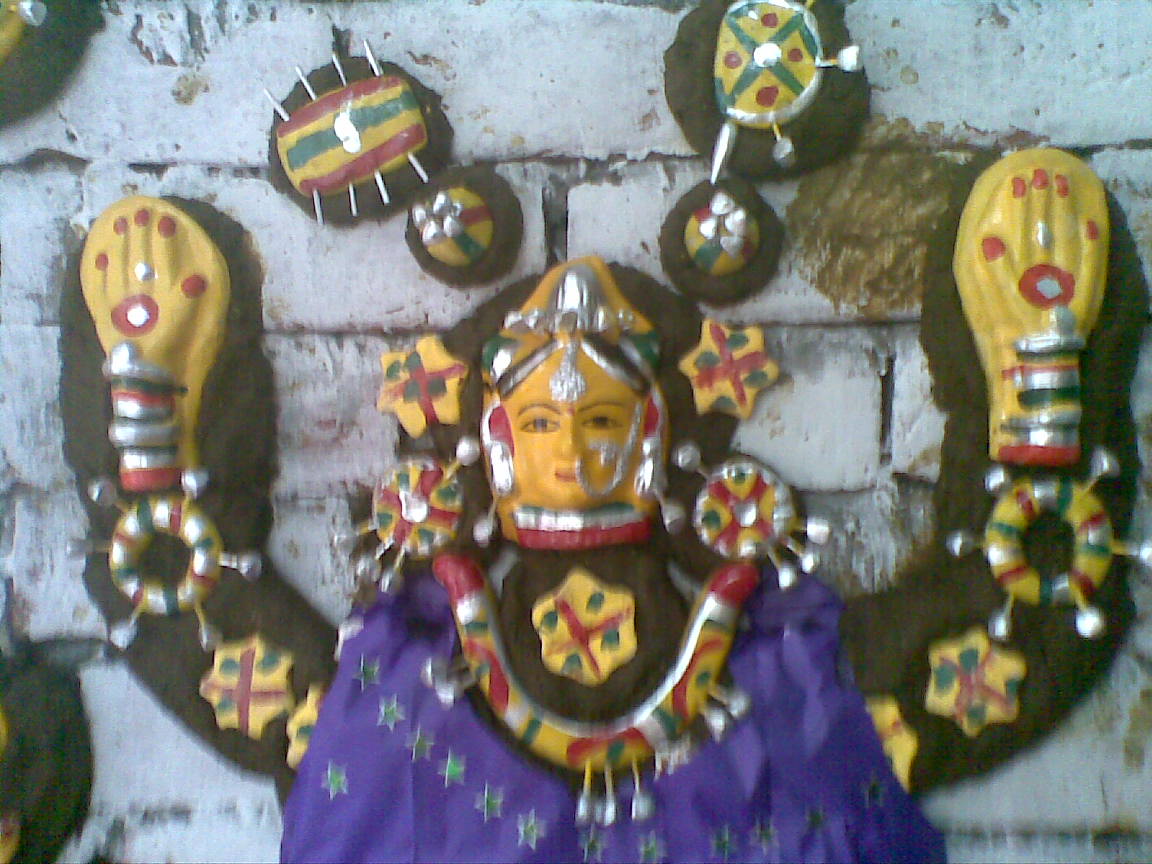 🇮🇳 IndiaSanjhi
A festival and art form honoring a mother goddess through clay images and colored designsTradition · Love and attraction · Luck and prosperity Living
 🇮🇳 IndiaGandharvaगन्धर्व
Celestial musicians of Indian religions and a form of marriage by consentBeing · Power and authority · Luck and prosperity Living
 🇹🇭 ThailandSihuhataแมงสี่หูห้าตา
A legendary creature from northern Thai folklore associated with wealth and divine testingBeing · Luck and prosperity · Power and authority Living
 🇮🇱 Israel and 1 moreDivine retribution
Supernatural punishment by a deity in response to anger or wrongdoingBelief · Cursing and harm Historical
 🇪🇬 Egypt and 1 moreOuroborosοὐροβόρος
An ancient image of a serpent eating its own tail, symbolizing cycles and wholenessFigure · Power and authority · Wonder and entertainment Historical
 🇮🇩 IndonesiaBhoma
A Balinese earth god whose carved face on temple gates is believed to repel spiritsBeing · Protection · Love and attraction Living
🇮🇳 IndiaKeśin
A Vedic hymn describing long-haired ascetics who travel on the wind and share a cup with Rudra.Tradition · Power and authority · Wonder and entertainment Historical
 🇮🇳 India and 2 moreCintāmaṇiचिन्तामणि
A wish-fulfilling jewel from Hindu and Buddhist traditionsSubstance · Healing · Power and authority Historical
 🇮🇷 Iran and 5 moreAxis mundi
A concept describing a central point connecting the earthly and heavenly realms.Belief · Speaking with spirits and the dead · Power and authority Historical
 🇮🇳 IndiaMomaiમોમાઈ માં
A four-armed Kutch goddess on a camel, kept as a family deityBeing · Luck and prosperity Living
 🇮🇳 India and 1 moreVarahiवाराही (Vārāhī)
A Hindu mother goddess with a sow face, worshipped in Tantric rites for protection and powerBeing · Protection · Power and authority Living
🇮🇳 IndiaHenjunaha and LairoulembiHensunaha Lailoulempi
A Meitei epic of lovers who die and return from the underworld through devotion.Figure · Love and attraction Legendary
 🇮🇳 India and 1 moreMahanam Sampradayaমহানাম সম্প্রদায়
A Bengali Krishnaite monastic order focused on chanting and humanitarian serviceTradition · Speaking with spirits and the dead · Power and authority Living
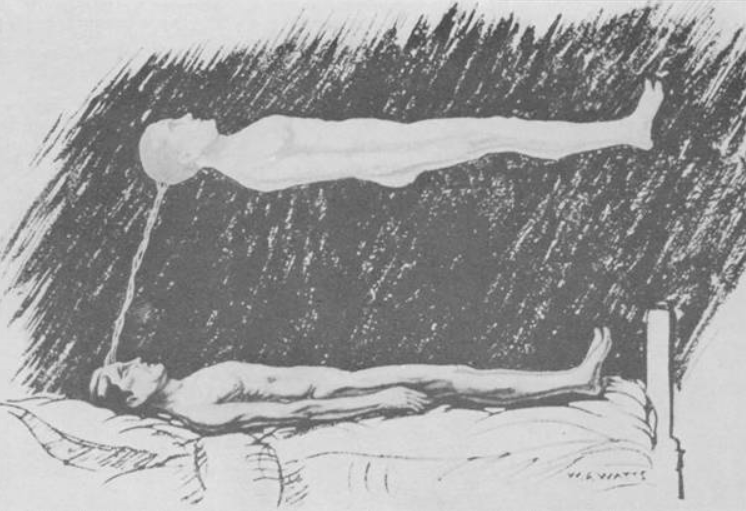 🇮🇳 India and 3 moreAstral projection
An intentional out-of-body experience where consciousness travels through the astral planeTradition · Speaking with spirits and the dead · Change and initiation Living
 🇮🇳 IndiaDrishti bommai
A fearsome doll hung at homes and vehicles to ward off the evil eye in South India.Charm · Protection Living
 🇮🇳 IndiaKadangot Makkam
A North Malabar goddess who became a deity after being killed by her brothers.Being · Protection · Love and attraction Living
🇯🇵 Japan and 5 moreMythic humanoids
Creatures that blend human and animal traits across global folkloreBeing · Wonder and entertainment Legendary
Photo credits on this page
The small pictures above come from Wikimedia Commons under free licences. Some are cropped to fit.
- Shamanism in Ayyavazhi: Vaikunda Raja, CC BY-SA 3.0, source
- Exorcist: Francisco Goya, Public domain, source
- Ashapura Mata: Rossifummi, CC BY-SA 4.0, source
- Kuttichathan Theyyam: Ajeeshkumar4u, CC BY-SA 4.0, source
- Airavata: Unknown, India, Rajasthan, Amber, South Asia, Public domain, source
- Damnation: Didier Descouens, Public domain, source
- Palladium: Marie-Lan Nguyen ( Jastrow ), Public domain, source
- Vahana: Unknown Nepali, Public domain, source
- Mahanam Sampradaya: Neehar Haldar, CC0, source
- Momai: Oatsjvs, CC BY-SA 4.0, source
- Cintāmaṇi: sailko, CC BY-SA 3.0, source
- Bhoma: Siti Noviali, CC BY-SA 4.0, source
- Gandharva: Biswarup Ganguly, CC BY 3.0, source
- Worship of heavenly bodies: Jean-Pierre Dalbéra, CC BY 2.0, source
- Stambha: Shakti, CC BY-SA 3.0, source
- Psychopomp: Unknown author, CC BY 2.5, source
- Sanjhi: Veer jindal, CC BY-SA 3.0, source
- Sihuhata: Chainwit., CC BY-SA 4.0, source
- Divine retribution: John Martin, Public domain, source
- Ouroboros: Djehouty, CC BY-SA 4.0, source
- Axis mundi: Unknown author, Public domain, source
- Astral projection: Hereward Carrington, Sylvan Muldoon., Public domain, source
- Drishti bommai: Chrissy starsi, CC BY-SA 4.0, source
- Kadangot Makkam: Shagil Kannur, CC BY-SA 4.0, source
- Khodiyar: Damian N. Boodram, CC BY-SA 4.0, source
- Superstition in China: Gary Todd, CC0, source
- Arya Poonkani: Shagil Kannur, CC BY-SA 3.0, source
- Vamachara: painting by an Indian artist. Date [between 1800 and 1899?], Public domain, source
- Involution: Rudolf 1922, Public domain, source
- Vyatipāta: Krishnachandranvn, CC0, source
- Classical elements: Unknown author, Public domain, source
- Fire (classical element): Correogsk, CC BY-SA 3.0, source
- Astral body: Rad el Baluvar, CC BY-SA 3.0, source
- Iroke Ifá: OmoAyan, CC BY 4.0, source
- Baba Mohan Ram: Yajush Rao, CC BY-SA 4.0, source
- Uchitta Bhagavathy: Sreejith K ( talk ), CC BY 3.0, source
- Pasha: unknown author, Public domain, source
- Vimana: thesandiegomuseumofartcollection, Public domain, source
- Sekhem scepter: Maler der Grabkammer der Nefertari, Public domain, source