
Arya Poonkani
A Hindu goddess of North Malabar, performed in Theyyam ritual with a Muslim sailor companion.
Arya Poonkani is a female deity from the North Malabar region of Kerala, India. She is venerated through the Theyyam performance tradition, often accompanied by the spirit of Bappiriyan, a Muslim sailor who aids her in myth.
- Arya Poonkani is a Hindu goddess from North Malabar, Kerala.
- She is worshipped through the Theyyam ritual performance tradition.
- Her myth features Bappiriyan, a Muslim sailor who helps her.
- Performers wear traditional wooden footwear for this deity.
- Their story is viewed as a symbol of Hindu-Muslim harmony.
What it is
Arya Poonkani stands as a prominent female figure within the folk religious landscape of North Malabar, Kerala. She is recognized as a Hindu goddess who manifests through the vibrant ritual theatre known as Theyyam. This form of worship involves elaborate costume and dance to embody divine spirits. The deity is frequently paired with Bappiriyan, a male spirit identified as a Muslim sailor. Together, they represent a unique narrative intersection of different faith traditions within the local cultural framework.
Where it comes from
Myths describe Arya Poonkani as the daughter of Aryapattar and Aryapattathi. Her early life was marked by a deep fascination with jewelry and precious stones. A pivotal event in her legend involves a shipwreck during a storm while she traveled with her brothers to find pearls for her marriage. After surviving seven days at sea on wreckage, the siblings were separated upon reaching land. Arya Poonkani then encountered Bappiriyan, using magical abilities to persuade him to help locate her lost brothers. Though her brothers chose to settle elsewhere, she and Bappiriyan continued to the Kooran hills, where they were eventually enshrined.
How it is done
The worship of Arya Poonkani is enacted through specific Theyyam performances. Performers wear intricate facial art that captures the goddess's beauty and move with deliberate slowness. A distinctive feature of this particular Theyyam is the use of traditional wooden footwear, which contrasts with the barefoot style common in other rituals. The performance often includes the simultaneous enactment of Bappiriyan, allowing the audience to witness the interaction between the Hindu goddess and the Muslim sailor spirit within the sacred space of the shrine.
Tools and materials
The visual identity of Arya Poonkani relies heavily on artistic expression. Performers apply detailed face paint to represent the deity's appearance. The most notable prop is a pair of wooden shoes, worn specifically for this character. These items serve to distinguish her from other Theyyam figures and highlight her unique status within the ritual hierarchy. The combination of makeup and footwear creates a recognizable silhouette for devotees and observers alike.
Arya Poonkani, drawn and placed
- Living
- Revived
- Fading
- Historical
- Legendary
- Performed
- Lineage
- Theyyam
What it is for
Devotees seek the presence of Arya Poonkani through ritual performance to honor her divine nature. The act of performing her Theyyam is believed to bring blessings and connect the community with the spiritual realm. The inclusion of Bappiriyan in the rites emphasizes themes of assistance and cross-cultural cooperation. Communities view the pairing of these two figures as a symbol of peaceful coexistence and mutual respect between Hindu and Muslim traditions in the region.
Who does it
Specialized performers undertake the role of Arya Poonkani in temple shrines across North Malabar. These artists undergo training to master the specific movements and costumes required for the character. The performance demands physical endurance and precise application of facial art. In many communities, the right to perform certain Theyyams is hereditary, passed down through families who maintain the ritual lineage. The performer becomes a vessel for the deity during the ceremony.
Peoples and places
The cult of Arya Poonkani is centered in the North Malabar district of Kerala, India. It originated at the Thaliparamba Kaithakeel temple before spreading to numerous other shrines in the area. The story reflects the diverse social fabric of Kerala, where Hindu and Muslim communities have long interacted. The narrative of the goddess and the sailor is interpreted by locals as an enduring example of religious harmony, showcasing how different beliefs can intertwine in shared cultural practices.
At a glance: who, where and when
What people believe
The mythology positions Arya Poonkani as a powerful figure capable of magic and survival against odds. Her bond with Bappiriyan suggests a spiritual alliance that transcends religious boundaries. Believers view their union not as a contradiction but as a harmonious blend of faiths. The enshrinement in temples signifies their acceptance into the local pantheon. The story reinforces values of loyalty, rescue, and the breaking down of social barriers through divine intervention.
When it is done
Specific calendar dates for Arya Poonkani worship are not detailed in the available records. However, Theyyam performances generally occur during festival seasons or specific temple anniversaries. The rituals are tied to the agricultural and religious cycles of the local community. Devotees attend these performances to pay homage, often during times when the temple schedule aligns with regional holidays or lunar phases.
How scholars and sceptics see it
Anthropologists and historians study Arya Poonkani as a case of syncretism in South Indian folk religion. Scholars note the unusual pairing of a Hindu goddess with a Muslim spirit as evidence of historical inter-community relations. Researchers analyze the Theyyam performance as a medium for expressing social ideals like tolerance and unity. The narrative is seen as a reflection of Kerala's pluralistic history, where religious identities coexist within shared ritual spaces.
Cautions and what is closed
The ritual is open to public observation as part of temple festivals. There are no reports of harm, fraud, or legal issues associated with this specific deity. The performance is treated with reverence by the local community, and access to the shrine is governed by standard temple rules.
Compare and confuse
Arya Poonkani shares characteristics with other Theyyam deities in Kerala, such as the use of elaborate costumes and divine possession. However, her association with Bappiriyan sets her apart as a unique figure representing interfaith connection. Unlike many solitary deities, her myth emphasizes relationship and collaboration. Other Theyyam forms may focus on individual power or wrath, whereas Arya Poonkani's story highlights rescue and companionship.
Law and persecution
The worship of Arya Poonkani is legally permitted and protected as part of India's cultural heritage. Temples in Kerala operate under state regulations that safeguard religious practices. There are no known legal restrictions or persecution targeting this deity or its performers. The government recognizes Theyyam as an important intangible cultural asset, supporting its preservation and practice.
Questions people ask about Arya Poonkani
Who is Arya Poonkani?
Arya Poonkani is a female Hindu deity venerated in the North Malabar region of Kerala, India. She is known for her worship through the Theyyam ritual, where performers embody her spirit.
What makes her Theyyam unique?
Unlike most Theyyam performers who go barefoot, Arya Poonkani performers wear traditional wooden footwear. Her ritual also often includes the performance of Bappiriyan, a Muslim sailor spirit.
Why is she significant in Kerala?
Her myth involving a Muslim helper is celebrated as an example of religious harmony between Hindu and Muslim communities in Kerala, reflecting the region's pluralistic culture.
Where is she primarily worshipped?
She is primarily worshipped in the North Malabar district, with her main shrine located at the Thaliparamba Kaithakeel temple. Many other shrines in the region also honor her.
Good reading and sources
The facts on this page come from the Wikipedia article "Arya Poonkani", written by its contributors and used under the CC BY-SA 4.0 licence, and from its Wikidata record (CC0). EveryJaadu rewrote the text in its own words, with AI assistance, and compares every page with the article to make sure no passage is copied. It may be reused under the same CC BY-SA 4.0 licence with a link back.
It may contain mistakes. Names and customs differ from one community to the next, and some knowledge is closed to outsiders and left out here. This page describes belief and practice. It does not say that any of it works, it is not a how-to, and it is not medical advice. If something is wrong, tell us. Last refreshed 2026-10-11.
More from India
All the entries from India 🇮🇳 IndiaNaropa
An Indian Buddhist master whose teachings shaped Tibetan Vajrayana practiceFigure · Change and initiation Historical
🇮🇳 IndiaNaropa
An Indian Buddhist master whose teachings shaped Tibetan Vajrayana practiceFigure · Change and initiation Historical
 🇳🇵 Nepal and 1 moreMatsyendranathMacchindranāth, Mīnanātha
A yogi and rain deity revered across Hindu and Buddhist traditions in South Asia.Figure · Speaking with spirits and the dead · Power and authority Living
🇳🇵 Nepal and 1 moreMatsyendranathMacchindranāth, Mīnanātha
A yogi and rain deity revered across Hindu and Buddhist traditions in South Asia.Figure · Speaking with spirits and the dead · Power and authority Living
 🇮🇳 India and 2 moreGorakhnathगोरक्षनाथ
A Hindu yogi and saint who founded the Nath monastic order in India.Figure · Power and authority · Speaking with spirits and the dead Living
🇮🇳 India and 2 moreGorakhnathगोरक्षनाथ
A Hindu yogi and saint who founded the Nath monastic order in India.Figure · Power and authority · Speaking with spirits and the dead Living
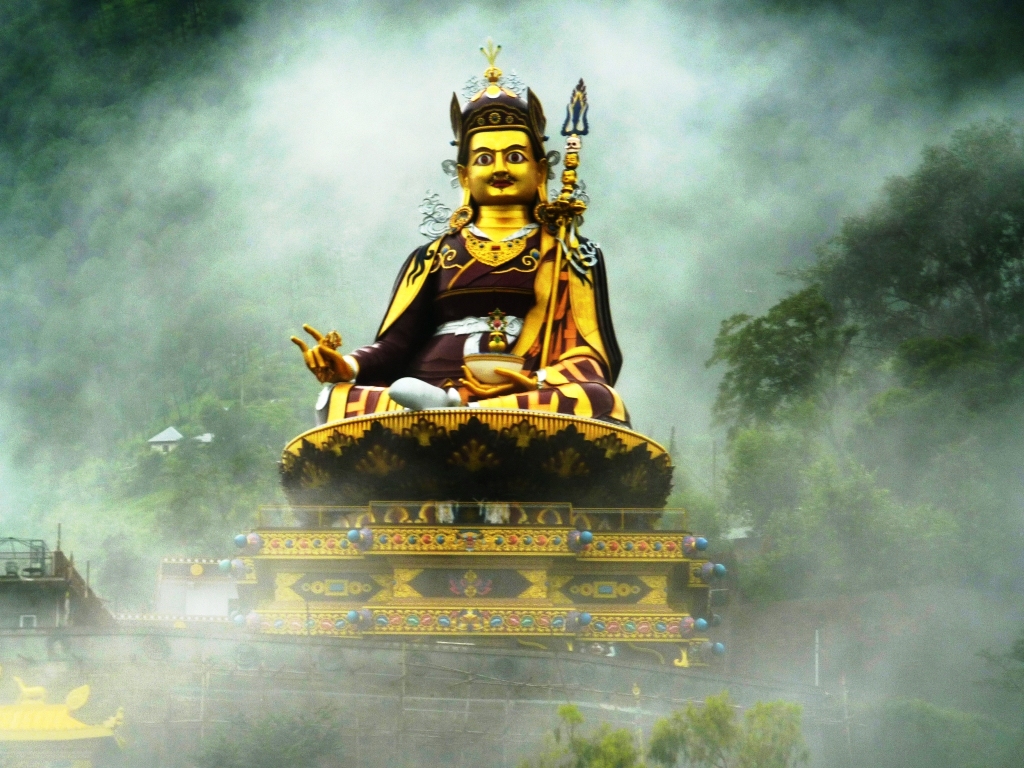 🇮🇳 India and 2 morePadmasambhavaཔདྨ་འབྱུང་གནས།
A tantric master credited with establishing Buddhism in Tibet and founding the Nyingma school.Figure · Protection · Power and authority Living
🇮🇳 India and 2 morePadmasambhavaཔདྨ་འབྱུང་གནས།
A tantric master credited with establishing Buddhism in Tibet and founding the Nyingma school.Figure · Protection · Power and authority Living
Related elsewhere
All figure 🇮🇹 ItalyEtruscan religion
The polytheistic beliefs and divination practices of the ancient Etruscans of ItalyTradition · Seeing and foretelling · Speaking with spirits and the dead Historical
🇮🇹 ItalyEtruscan religion
The polytheistic beliefs and divination practices of the ancient Etruscans of ItalyTradition · Seeing and foretelling · Speaking with spirits and the dead Historical
 🇮🇶 Iraq and 5 moreGrimoire
A textbook containing instructions for spells, rituals, and the creation of magical objects.Text · Protection · Healing Historical
🇮🇶 Iraq and 5 moreGrimoire
A textbook containing instructions for spells, rituals, and the creation of magical objects.Text · Protection · Healing Historical
 🇸🇳 Senegal and 1 moreSerer religionA ƭat Roog
The traditional faith of the Serer people, centred on the supreme deity Roog and ancestral veneration.Tradition · Protection · Speaking with spirits and the dead Living
🇳🇴 NorwayEsbat
A monthly Wiccan ritual held at the full or new moon for worship and community.Rite · Speaking with spirits and the dead · Love and attraction Living
🇸🇳 Senegal and 1 moreSerer religionA ƭat Roog
The traditional faith of the Serer people, centred on the supreme deity Roog and ancestral veneration.Tradition · Protection · Speaking with spirits and the dead Living
🇳🇴 NorwayEsbat
A monthly Wiccan ritual held at the full or new moon for worship and community.Rite · Speaking with spirits and the dead · Love and attraction Living