
Kuttichathan Theyyam
A North Kerala ritual dance honoring a guardian deity born of divine and human lines
Kuttichathan Theyyam is a ceremonial dance performed in the North Malabar region of Kerala, India. It honors Kuttichathan, a guardian deity in Malabari Hindu folklore who is believed to be the son of Shiva and Parvati or a Namboodiri priest.
- Performed in North Malabar, Kerala, India
- Honors Kuttichathan, a guardian deity
- Also known as Sasthappan Theyyam
- Costume features red color and wooden headgear
- Myths link deity to Shiva and Parvati
What it is
Kuttichathan Theyyam is a ritual performance found in the North Malabar region of Kerala, India. It serves as a medium for honoring Kuttichathan, a significant guardian deity within Malabari Hindu folklore. The dance acts as a bridge between the community and the divine figure, allowing practitioners to embody the spirit of the deity during specific ceremonies. This tradition is deeply rooted in local religious practices and is recognized as a vital part of the cultural heritage of the area.
Where it comes from
The origins of this ritual are tied to several myths regarding the deity's birth. One story claims Kuttichathan was born to Shiva and Parvati, who disguised themselves as Valluvan and Valluvathi. Another narrative describes him as the illegitimate son of a Namboodiri priest and a woman from a lower caste. These stories highlight themes of rebellion against strict social hierarchies and Brahmanical customs, which form the core of the deity's legendary status.
Tools and materials
The ritual relies on specific visual elements to establish the deity's identity. Wooden components form the structure of the headgear, while a metal cap filters the performer's vision. Red fabric dominates the costume, symbolizing energy and divinity. Peacock feather extensions add height and grandeur. These materials are not merely decorative but serve to transform the human performer into the divine guardian during the ceremony.
Kuttichathan Theyyam, drawn and placed
- Living
- Revived
- Fading
- Historical
- Legendary
- Performed
- Lineage
- Hinduism in Kerala
What it is for
The primary purpose of Kuttichathan Theyyam is to honor and commune with the guardian deity. Communities believe that performing this ritual protects them and maintains spiritual balance. It also serves to acknowledge the complex nature of the deity, who embodies both divine origin and human struggle. The ceremony reinforces social bonds and respects the historical narratives of resistance and transformation associated with Kuttichathan.
Who does it
The performers are typically local artists trained in the specific dance forms and rituals of the region. They undergo preparation to embody the deity accurately, often involving fasting or other preparatory rites. The role requires physical stamina and skill to manage the heavy costume and execute precise movements. Performers are respected within their communities for their ability to channel the divine presence during the ceremony.
Peoples and places
This tradition is primarily practiced by Malabari Hindus in North Kerala. The Namboodiri community plays a significant role in its history and preservation, particularly through associations with families like the Kalakattu illam in Payyanur. The ritual reflects the diverse social fabric of the region, incorporating elements from various castes and communities, although it is centered around Hindu folk beliefs.
At a glance: who, where and when


What people believe
Believers hold that Kuttichathan is a powerful guardian who can influence the well-being of the community. The myths suggest he possesses extraordinary intelligence and supernatural abilities, including rebirth after death. His association with Shiva and Parvati elevates his status, while his rebellious nature resonates with those who challenge rigid social structures. Worshiping him is seen as a way to gain protection and favor from a deity who understands human suffering.
How scholars and sceptics see it
Scholars view Kuttichathan Theyyam as an important example of how folklore integrates with religious practice. Anthropologists study the ritual to understand social dynamics, particularly the tension between Brahmanical authority and local traditions. Historians examine the myths to trace the evolution of regional identities and the ways in which marginalized figures are elevated to divine status over time.
Cautions and what is closed
The ritual is considered sacred and is performed with strict adherence to traditional protocols. Outsiders are generally expected to observe respectfully without interfering. There are no known public hazards associated with the performance itself, though the elaborate costumes require careful handling. The community maintains the integrity of the practice by limiting access to certain aspects of the preparation and performance.
Questions people ask about Kuttichathan Theyyam
What is Kuttichathan Theyyam?
It is a ceremonial dance from North Kerala, India, that honors Kuttichathan, a guardian deity in Malabari Hindu folklore. The performance allows communities to commune with the divine figure through ritual embodiment.
Where does this ritual originate?
The ritual originates in the North Malabar region of Kerala. It is closely associated with the Namboodiri community and specific locations like Payyanur in the Kannur district, where local legends about the deity's life are preserved.
Who is Kuttichathan?
Kuttichathan is a guardian deity believed to be the son of Shiva and Parvati in some myths, or the illegitimate child of a Namboodiri priest in others. He is revered for his intelligence, rebellious nature, and protective powers.
What does the costume look like?
The costume is predominantly red and includes a wooden headgear with cheek pieces, a metallic eye cap, and peacock-like extensions on the back. These elements help the performer visually represent the deity's divine and fierce attributes.
Good reading and sources
- Kuttichathan Theyyam on WikipediaEncyclopedia
- More photos on Wikimedia CommonsPhotos and video
- Wikidata recordOpen data
The facts on this page come from the Wikipedia article "Kuttichathan Theyyam", written by its contributors and used under the CC BY-SA 4.0 licence, and from its Wikidata record (CC0). EveryJaadu rewrote the text in its own words, with AI assistance, and compares every page with the article to make sure no passage is copied. It may be reused under the same CC BY-SA 4.0 licence with a link back.
It may contain mistakes. Names and customs differ from one community to the next, and some knowledge is closed to outsiders and left out here. This page describes belief and practice. It does not say that any of it works, it is not a how-to, and it is not medical advice. If something is wrong, tell us. Last refreshed 2026-10-11.
More from India
All the entries from India 🇮🇳 India and 5 moreSnake charming
A street performance using a gourd flute to make snakes swayIllusion · Wonder and entertainment · Luck and prosperity Fading
🇮🇳 India and 5 moreSnake charming
A street performance using a gourd flute to make snakes swayIllusion · Wonder and entertainment · Luck and prosperity Fading
 🇮🇳 India and 1 moreGarba
A Gujarati circle dance performed around a central symbol during NavaratriIllusion · Power and authority · Luck and prosperity Living
🇮🇳 India and 1 moreGarba
A Gujarati circle dance performed around a central symbol during NavaratriIllusion · Power and authority · Luck and prosperity Living
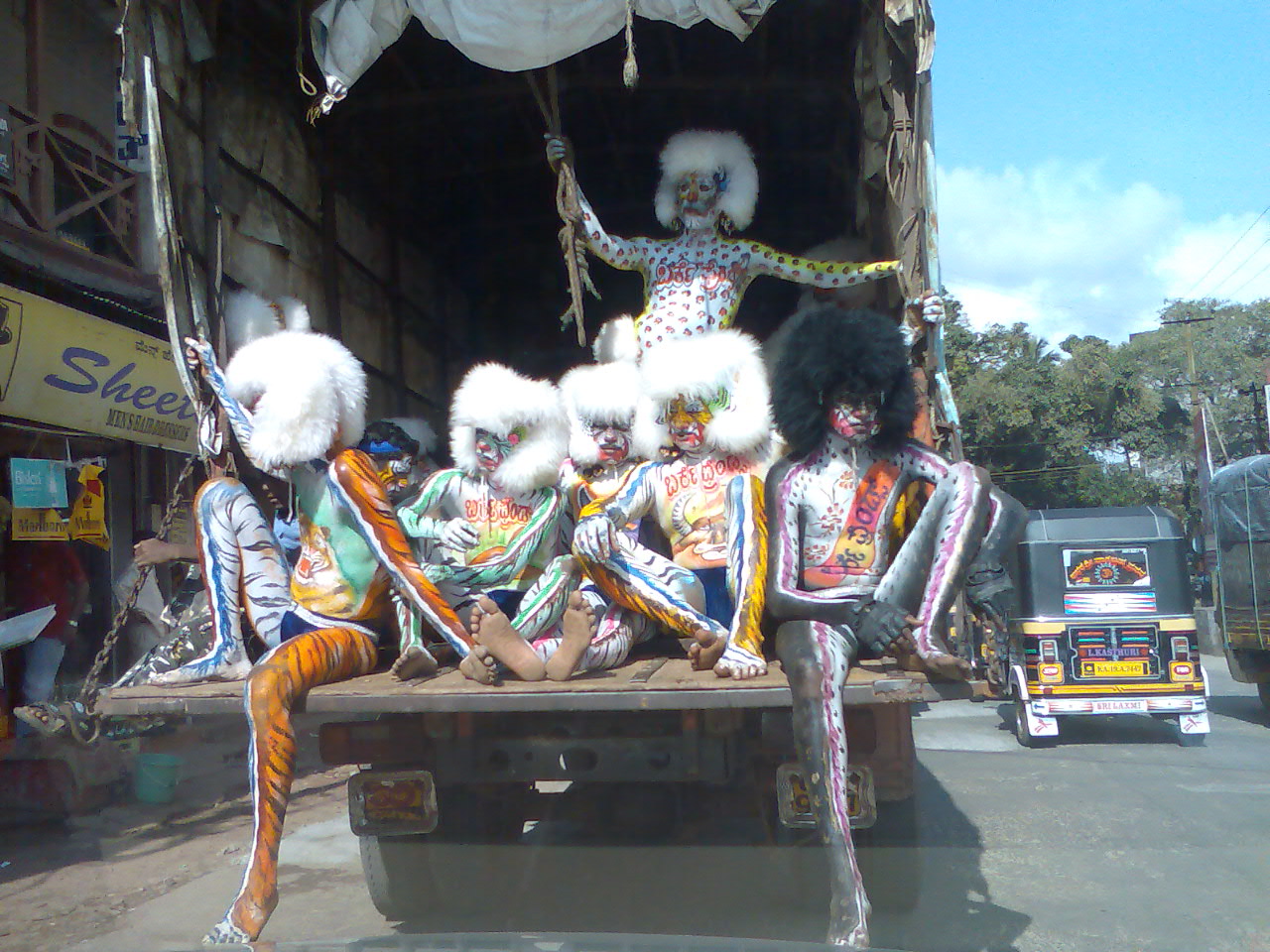 🇮🇳 IndiaPili Yesaಪಿಲಿವೇಷ
A coastal Karnataka folk dance where performers paint themselves as tigers to honour the Goddess DurgaIllusion · Protection · Power and authority Living
🇮🇳 IndiaPili Yesaಪಿಲಿವೇಷ
A coastal Karnataka folk dance where performers paint themselves as tigers to honour the Goddess DurgaIllusion · Protection · Power and authority Living
 🇮🇳 IndiaIndian rope trick
A legendary stage illusion involving a levitating rope and a disappearing boy assistantIllusion · Wonder and entertainment Legendary
🇮🇳 IndiaIndian rope trick
A legendary stage illusion involving a levitating rope and a disappearing boy assistantIllusion · Wonder and entertainment Legendary
Related elsewhere
All illusion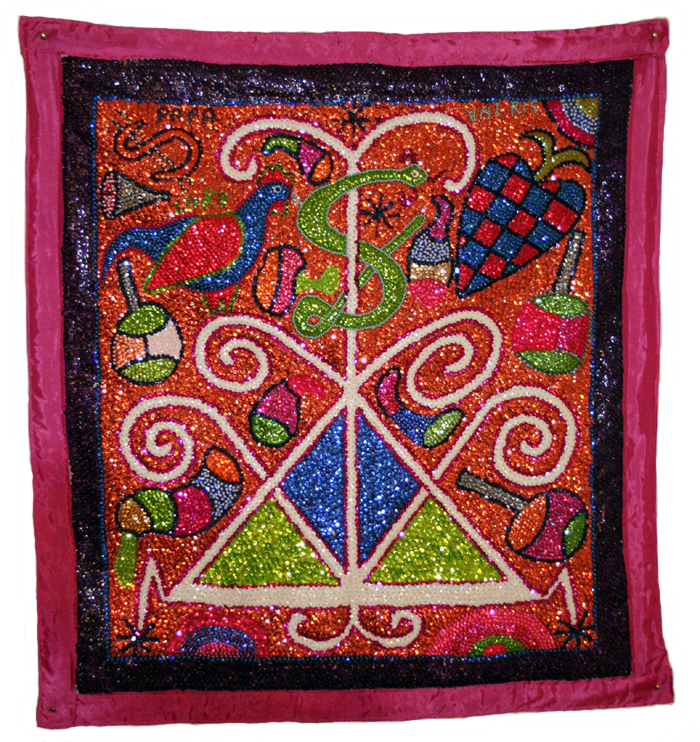 🇭🇹 Haiti and 2 moreHaitian VodouVodou
An Afro-Haitian religion blending West African traditions with Catholicism and FreemasonryTradition · Protection · Healing Living
🇭🇹 Haiti and 2 moreHaitian VodouVodou
An Afro-Haitian religion blending West African traditions with Catholicism and FreemasonryTradition · Protection · Healing Living
 🇮🇶 Iraq and 5 moreGrimoire
A textbook containing instructions for spells, rituals, and the creation of magical objects.Text · Protection · Healing Historical
🇮🇶 Iraq and 5 moreGrimoire
A textbook containing instructions for spells, rituals, and the creation of magical objects.Text · Protection · Healing Historical
 🇨🇺 Cuba and 2 moreAbakuá
A male-only Cuban religious fraternity with West African roots and strict secrecyTradition · Protection · Speaking with spirits and the dead Living
🇨🇺 Cuba and 2 moreAbakuá
A male-only Cuban religious fraternity with West African roots and strict secrecyTradition · Protection · Speaking with spirits and the dead Living