
Gandharva
In its own language: गन्धर्व
from Sanskrit gandharva, meaning celestial musician
Celestial musicians of Indian religions and a form of marriage by consent
A gandharva is a celestial being in Hinduism, Buddhism, and Jainism, known as a divine musician or singer. In Hindu tradition, they serve the devas and guard sacred substances, while also representing a type of marriage based on mutual consent.
- Gandharvas are celestial musicians serving the devas in Hinduism.
- A gandharva marriage requires only mutual consent, no rituals.
- Kerala temples enshrine gandharvas for fertility blessings.
- Buddhist gandharvas are reborn through basic ethical living.
- Gandharva dosha is a curse feared to affect childbirth.
What it is
The term gandharva refers to a class of celestial beings found across major Indian religions. In Hinduism, these entities act as divine musicians who play for the devas and guard the sacred Soma drink. They are often described as handsome, passionate, and skilled in the arts. The concept extends beyond mythology into social practice, where it names a specific type of union. A gandharva marriage is defined by mutual agreement between partners, requiring no formal religious ceremonies or rituals to be valid. This dual nature places the gandharva at the intersection of spiritual hierarchy and human social custom.
Where it comes from
Early Vedic texts present the gandharva as a singular deity associated with the sun and heavenly waters. These early sources describe the being as watching over the Soma plant to bring it into the world for gods and sacrificers. Later traditions expanded this role, linking the gandharvas to fertility and virility. Some Puranic accounts suggest they emerged from the laughter of Brahma during creation. Buddhist texts place them among the lowest-ranking devas, subject to the Guardian of the East. Jain cosmology classifies them as Vyantara Devas, with specific lists of names provided in ancient scriptures like the Tiloyapaṇṇatti.
How it is done
In Kerala, India, local worship involves enshrining gandharvas in temples alongside yakshis. Devotees pray for fertility and good fortune, believing that displeasing these beings causes a curse known as gandharva dosha. Rituals such as Gandharvanpattu, a form of theyyam and kalampattu, are performed to invoke their presence. In social contexts, the method of a gandharva marriage relies entirely on the free choice and consent of the individuals involved, bypassing traditional ceremonial requirements. This approach emphasizes personal agency over institutional validation.
Tools and materials
Gandharvas are depicted wearing fragrant attire and carrying musical instruments. They are closely linked to the Soma drink, which they guard and distribute. Their realm, Gandharvaloka, is distinct from Svarga, though they frequently appear at Indra's court. In Buddhist lore, they dwell in the scents of trees, bark, sap, and blossoms. Specific trees like the Tumbaru hold sacred significance in Jain traditions. Their physical forms vary, with some described as part animal, possessing features of birds or horses, while others maintain humanoid appearances.
Gandharva, drawn and placed
- Living
- Revived
- Fading
- Historical
- Legendary
- Performed
- Lineage
- Indian mythology and cosmology
- Timing
- during weddings and rituals for fertility
What it is for
The primary function of gandharvas in mythology is artistic service and protection. They provide music for the devas and safeguard sacred substances from dangerous external forces. In folk practice, particularly in Kerala, they are invoked for blessings regarding childbirth and prosperity. The fear of gandharva dosha drives many devotees to seek appeasement through temple visits and ritual performances. As a marital category, the purpose is to legitimize unions formed through love and consent, offering an alternative to arranged or ritual-heavy wedding customs.
Who does it
Mythological gandharvas serve as attendants to higher deities like Indra and Śakra. Notable figures include Tumburu, Visvavasu, and Pañcasikha, each associated with specific legends or roles such as charioteering or matchmaking. In living traditions, priests and ritual specialists in Kerala temples conduct worship ceremonies. The practitioners of gandharva marriages are the couples themselves, who initiate the union through mutual agreement without needing priestly intervention. Female counterparts are known as gandharvis or apsaras in broader contexts.
Peoples and places
The concept is central to Hindu, Buddhist, and Jain cultures across India. In Hinduism, they appear in the Rigveda, Atharvaveda, and epics like the Mahabharata. Buddhist texts classify them within cosmic hierarchies and rebirth cycles. Jain scriptures list specific names and attributes for these beings. Regional variations exist, with Kerala maintaining a unique tradition of temple worship and ritual invocation. Other parts of India recognize the term primarily through its legal and social definition regarding marriage types rather than active deity worship.
At a glance: who, where and when
Who does it
Belief worlds
Occasions


What people believe
Hindu belief views gandharvas as minor deities with powers over music, fertility, and the transition of sacred items from the divine to the mortal realm. They are believed to escort humans and animals from beyond, removing potential dangers. Buddhist doctrine sees them as karmic results of basic ethical living, capable of flight and skilled in music. Jainism categorizes them as Vyantara Devas with specific physical traits like golden or blackish complexions. The belief in gandharva dosha reflects a worldview where spiritual beings can directly influence human health and reproductive success.
When it is done
Worship occurs throughout the year in Kerala temples, but specific rituals like Gandharvanpattu are tied to community festivals and life events. The concept of gandharva marriage is available at any time, depending on the couple's readiness. Mythological narratives do not assign fixed calendar dates to their activities, though they are associated with the Soma ritual cycle. The focus remains on personal milestones such as weddings and requests for fertility rather than seasonal observances.
How scholars and sceptics see it
Academic analysis distinguishes between the mythological celestial beings and the social institution of marriage. Scholars note the evolution from a singular Vedic deity to a class of beings in later texts. Anthropologists study the Kerala temple traditions as examples of regional folk religion integrated into mainstream Hindu practice. Historians examine the legal status of gandharva marriages in contrast to other forms recognized in ancient Hindu law. The Buddhist interpretation focuses on cosmological placement and rebirth mechanics.
Cautions and what is closed
In Kerala folklore, angering a gandharva is believed to cause gandharva dosha, a curse affecting fertility and childbirth. This belief motivates protective rituals and temple offerings. There are no widespread reports of fraud or legal issues related to the mythological beings themselves. The marriage type faces occasional scrutiny in modern legal contexts regarding proof of consent, though it remains a valid form under Hindu law. No significant health risks are associated with the worship practices beyond standard cultural considerations.
Compare and confuse
Gandharvas are often paired with apsaras, who are divine dancers, forming a complementary pair of artists. They are sometimes confused with yakshas, another class of nature spirits, though yakshas are generally broader in scope. The term is distinct from sylphs in European folklore, despite superficial similarities as air-dwelling beings. The marriage type differs from other Hindu unions like brahma or daiva marriages, which involve parental arrangement or priestly mediation.
Questions people ask about Gandharva
What is a gandharva?
A gandharva is a celestial being in Indian religions, known as a divine musician or singer who serves the gods and guards sacred substances like Soma.
Where does the term come from?
The term originates from Sanskrit, referring to a class of beings in Hindu, Buddhist, and Jain traditions, with roots in early Vedic texts.
What is a gandharva marriage?
It is a form of marriage contracted by mutual consent between partners, valid without formal rituals or religious ceremonies in Hindu law.
Why are gandharvas worshipped in Kerala?
Devotees worship them in Kerala temples to seek fertility and good fortune, fearing that displeasing them causes a curse called gandharva dosha.
Good reading and sources
- Gandharva on WikipediaEncyclopedia
- More photos on Wikimedia CommonsPhotos and video
- Wikidata recordOpen data
The facts on this page come from the Wikipedia article "Gandharva", written by its contributors and used under the CC BY-SA 4.0 licence, and from its Wikidata record (CC0). EveryJaadu rewrote the text in its own words, with AI assistance, and compares every page with the article to make sure no passage is copied. It may be reused under the same CC BY-SA 4.0 licence with a link back.
It may contain mistakes. Names and customs differ from one community to the next, and some knowledge is closed to outsiders and left out here. This page describes belief and practice. It does not say that any of it works, it is not a how-to, and it is not medical advice. If something is wrong, tell us. Last refreshed 2026-10-14.
More from India
All the entries from India 🇮🇳 IndiaChakraचक्र
Meditation points in the subtle body used in Hindu and Buddhist yogaTradition · Speaking with spirits and the dead · Change and initiation Living
🇮🇳 IndiaChakraचक्र
Meditation points in the subtle body used in Hindu and Buddhist yogaTradition · Speaking with spirits and the dead · Change and initiation Living
 🇮🇳 IndiaParashuramaपरशुराम (Paraśurāma)
The warrior sage of Hinduism who wields a divine axe to restore cosmic balance.Being · Power and authority · Cursing and harm Legendary
🇮🇳 IndiaMuhurtamuhūrta
A Hindu unit of time used to select auspicious moments for rituals and daily practiceBelief · Power and authority · Speaking with spirits and the dead Living
🇮🇳 IndiaParashuramaपरशुराम (Paraśurāma)
The warrior sage of Hinduism who wields a divine axe to restore cosmic balance.Being · Power and authority · Cursing and harm Legendary
🇮🇳 IndiaMuhurtamuhūrta
A Hindu unit of time used to select auspicious moments for rituals and daily practiceBelief · Power and authority · Speaking with spirits and the dead Living
 🇮🇳 IndiaKamakhya Templekamakhya mondir
A Hindu temple in Assam known for its yoni shrine and the Ambubachi Mela festivalTradition · Protection · Healing Living
🇮🇳 IndiaKamakhya Templekamakhya mondir
A Hindu temple in Assam known for its yoni shrine and the Ambubachi Mela festivalTradition · Protection · Healing Living
Related elsewhere
All being 🇮🇶 Iraq and 4 moreAstrology
A system of divination that links human affairs to the positions of celestial bodiesTradition · Seeing and foretelling · Luck and prosperity Living
🇮🇶 Iraq and 4 moreAstrology
A system of divination that links human affairs to the positions of celestial bodiesTradition · Seeing and foretelling · Luck and prosperity Living
 🇫🇷 France and 5 moreYule log
A large wooden log burned in the hearth during winter festivals across Europe and North America.Tradition · Protection · Luck and prosperity Living
🇫🇷 France and 5 moreYule log
A large wooden log burned in the hearth during winter festivals across Europe and North America.Tradition · Protection · Luck and prosperity Living
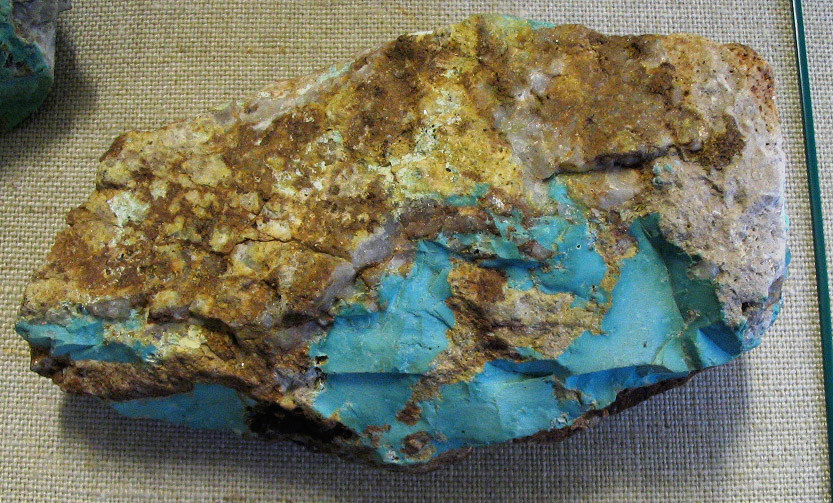 🇮🇷 Iran and 5 moreTurquoise
An opaque blue-green gemstone prized for its color since ancient timesSubstance · Protection · Luck and prosperity Living
🇮🇷 Iran and 5 moreTurquoise
An opaque blue-green gemstone prized for its color since ancient timesSubstance · Protection · Luck and prosperity Living
 🇮🇸 Iceland and 1 moreNornsnornir
Fate-weaving figures from Norse myth who shape human destiny and tend the world tree.Being · Cursing and harm · Luck and prosperity Historical
🇮🇸 Iceland and 1 moreNornsnornir
Fate-weaving figures from Norse myth who shape human destiny and tend the world tree.Being · Cursing and harm · Luck and prosperity Historical