Historical practices
Documented in the past; no continuous living tradition today.
- Living
- Revived
- Fading
- Historical
- Legendary
- Performed
RegionSouth AsiaSoutheast AsiaEast AsiaCentral Asia and the CaucasusMiddle EastNorth AfricaSub-Saharan AfricaEuropeNorth AmericaLatin America and the CaribbeanOceania
PurposeProtectionHealingSeeing and foretellingLuck and prosperityLove and attractionCursing and harmCleansing and purificationSpeaking with spirits and the deadChange and initiationBinding and oathsPower and authorityWonder and entertainment
WhoShamansFolk healersPriests and ritual specialistsWitches, sorcerers and cunning folkDiviners and readersMediums and the possessedCeremonial magicians and alchemistsHouseholds and ordinary peopleStage magiciansScholars and sceptics
BeliefHindu and TantricBuddhistJainMuslim and SufiJewishChristianSikhZoroastrianShinto and TaoistIndigenous and shamanicAfrican and Afro-diasporicPagan and NeopaganEsoteric and occultFolk and village customSecular and stageOther traditions
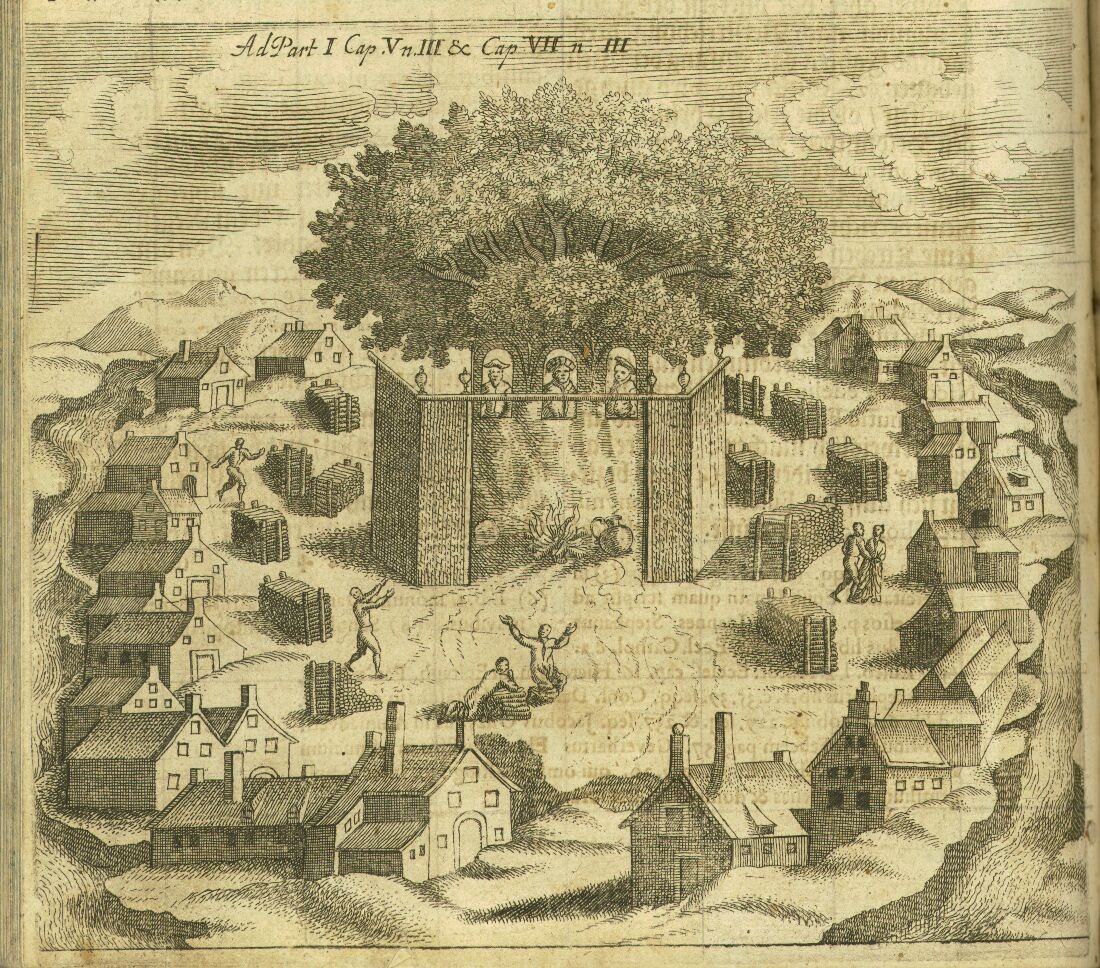 🇱🇹 Lithuania and 1 moreLithuanian mythologyLietuvių mitologija
The ancient polytheistic beliefs of the Baltic people, preserved in folklore and early chroniclesTradition · Speaking with spirits and the dead · Luck and prosperity Historical
 🇪🇬 EgyptPapyrus of Ani
A 13th-century BCE Egyptian scroll guiding a scribe through the afterlifeText Historical
 🇮🇳 IndiaAtharvavedaअथर्ववेद
The fourth Veda of Hinduism, containing spells, healing rites, and domestic rituals.Text · Protection · Healing Historical
🇷🇴 Romania and 2 moreStrigoi
A Romanian undead spirit linked to witchcraft and vampirismBeing · Cursing and harm Historical
 🇪🇬 EgyptAnubis𓇋𓈖𓊪𓃣
The jackal-headed god who guides souls and oversees mummification in ancient Egypt.Being · Protection · Speaking with spirits and the dead Historical
 🇬🇧 United Kingdom and 4 moreCunning folk
European practitioners of folk medicine and helpful magic from the Middle Ages to the twentieth centuryTradition · Protection · Healing Historical
 🇪🇬 Egypt and 1 moreEye of Horuswḏꜣt
A stylized eye symbol in ancient Egypt representing healing and cosmic orderCharm · Protection · Healing Historical
 🇷🇺 Russia and 2 moreDomovoyДомовой
A household spirit in Slavic folklore that guards the family and home.Being · Protection · Seeing and foretelling Historical
 🇪🇬 EgyptScarab
An ancient Egyptian amulet shaped like a dung beetle, symbolizing rebirth and serving as a seal.Charm · Protection · Luck and prosperity Historical
 🇪🇬 Egypt and 1 moreAncient Egyptian religion
Polytheistic worship, divine kingship, and funerary rites along the NileTradition · Protection · Speaking with spirits and the dead Historical
 🇪🇬 EgyptOpening of the mouth ceremonywpt-r (Egyptian)
An ancient Egyptian rite to restore a deceased person's senses for the afterlifeRite · Speaking with spirits and the dead · Power and authority Historical
 🇵🇰 Pakistan and 4 moreLal Shahbaz Qalandarلعل شهباز قلندر
A Sufi saint and poet revered in South Asia, especially among the Sindhi people.Figure · Speaking with spirits and the dead Historical
 🇬🇧 United Kingdom and 3 moreJet
A black gemstone carved into amulets and mourning jewelry for millenniaCharm · Protection · Power and authority Historical
🇮🇶 IraqKispu
An ancient Mesopotamian ritual to feed and honor the dead ancestorsRite · Speaking with spirits and the dead · Protection Historical
 🇬🇧 United KingdomDeath knell
A church bell rung to mark a person's passing and announce the death to the community.Rite · Speaking with spirits and the dead Historical
 🇪🇬 EgyptUshabtiwšbtj
Ancient Egyptian funerary figurines believed to work for the dead in the afterlifeCharm · Speaking with spirits and the dead Historical
 🇪🇬 Egypt and 2 moreIsisꜣst (Egyptian)
Egyptian goddess of magic, mourning and kingship, mother of HorusBeing · Protection · Healing Historical
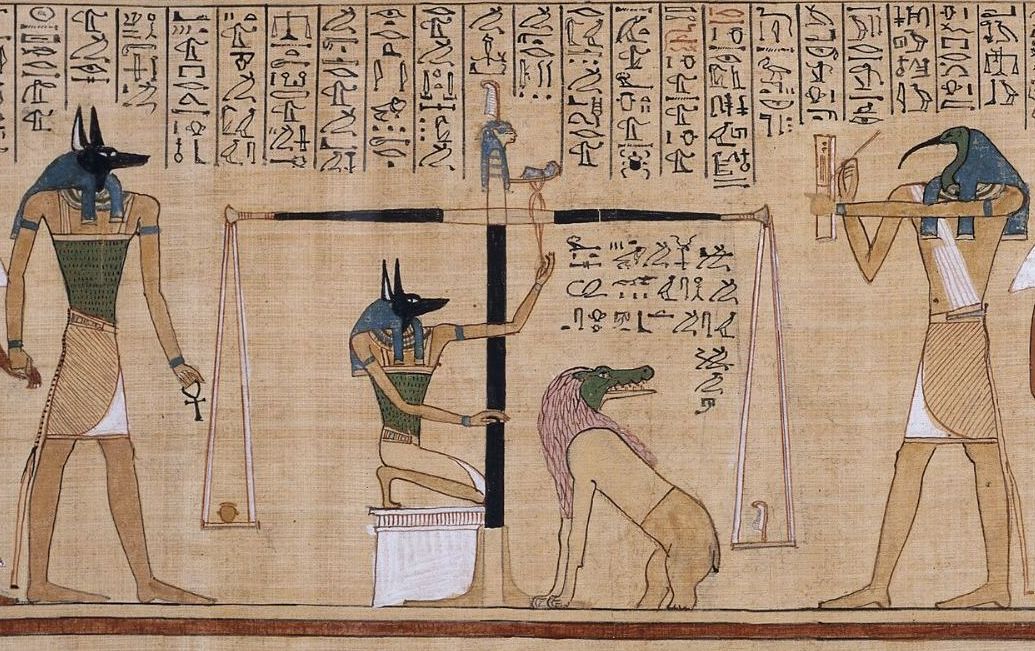 🇪🇬 EgyptAncient Egyptian afterlife beliefs
Rituals and texts guiding the soul through the underworld to rebirthTradition · Protection · Speaking with spirits and the dead Historical
 🇪🇬 EgyptDjedḏd
An ancient Egyptian pillar symbol representing stability and resurrectionCharm · Protection · Power and authority Historical
 🇷🇺 Russia and 2 moreVampire
A demonic spirit possessing a corpse, feared in Slavic folklore for drinking blood and bringing misfortune.Being · Cursing and harm Historical
 🇨🇳 ChinaPig dragon玉豬龍
A coiled Neolithic jade amulet from Hongshan culture, possibly an early dragon imageCharm · Power and authority Historical
 🇪🇬 Egypt and 1 moreHypocephalus
An ancient Egyptian disk placed under the head of the dead for protection and rebirthCharm · Protection · Speaking with spirits and the dead Historical
 🇪🇬 Egypt and 4 moreScarab
An ancient Egyptian amulet and seal shaped like a dung beetleCharm · Protection · Luck and prosperity Historical
 🇪🇬 Egypt and 2 moreLecanomancy
Divination using a dish or bowl of water to read the futureOracle · Seeing and foretelling · Luck and prosperity Historical
 🇨🇳 China and 2 moreChinese burial money瘞錢 (yì qián)
Imitations of currency placed in Chinese graves to serve the deceased in the afterlife.Charm · Protection · Luck and prosperity Historical
 🇪🇬 EgyptPlummet amulet
An Ancient Egyptian charm shaped like a plumb bob to ensure balance in the afterlifeCharm Historical
 🇸🇪 SwedenNumbers in Germanic paganism
The sacred role of three and nine in ancient Germanic ritual and mythBelief · Power and authority Historical
 🇯🇵 JapanDatsue-ba奪衣婆
A Japanese underworld figure who strips clothes from spirits at the river of deathBeing · Cursing and harm Historical
 🇮🇪 IrelandTailteann GamesÁenach Tailteann
Ancient Irish funeral games and assemblies held in County Meath to honor the dead.Rite · Speaking with spirits and the dead · Luck and prosperity Historical
 🇪🇬 EgyptLotus chalice
An alabaster cup from Tutankhamun's tomb, carved as an open lotusCharm · Change and initiation Historical
 🇹🇷 TurkeyHittite sun disk
An ancient Anatolian bronze symbol used in Hattian and Hittite religious ceremoniesCharm · Speaking with spirits and the dead · Power and authority Historical
🇬🇧 United KingdomCaoineag
A Highland spirit whose night cries signal impending death for a specific family lineBeing · Seeing and foretelling Historical
 🇪🇬 EgyptHermanubisἙρμανοῦβις
A Graeco-Egyptian god who guides the souls of the dead to the underworld.Being · Speaking with spirits and the dead Historical
 🇳🇿 New Zealand and 5 moreMokomokaiToi moko
Preserved Māori heads with facial tattoos, once traded as curios and now repatriated.Being · Cursing and harm · Power and authority Historical
🇺🇸 United StatesJewett City vampires
A 19th-century New England family's belief in undead plague and their violent response to it.Belief · Protection Historical
 🇪🇬 EgyptMenatmnj.t
A beaded necklace and rattle linked to Hathor for protection and luck in ancient EgyptCharm · Protection · Luck and prosperity Historical
 🇮🇪 Ireland and 1 moreKeeningcaoineadh
A Gaelic vocal lament for the dead, performed by hired mourners in Ireland and ScotlandRite · Speaking with spirits and the dead Historical
🇨🇦 CanadaPinga
An Inuit goddess of the hunt and medicine who oversees caribou herds and souls.Being · Healing · Cursing and harm Historical
 🇪🇬 EgyptMaatmꜣꜥt
An Egyptian idea of truth, law and balance, and the goddess who stands for itBelief · Power and authority Historical
 🇯🇵 JapanKasha火車
A Japanese yōkai that steals corpses from funerals and gravesBeing · Cursing and harm Historical
 🇪🇬 Egypt and 1 morePsychopomp
A spirit or creature that guides the dead to the afterlifeBeing · Speaking with spirits and the dead Historical
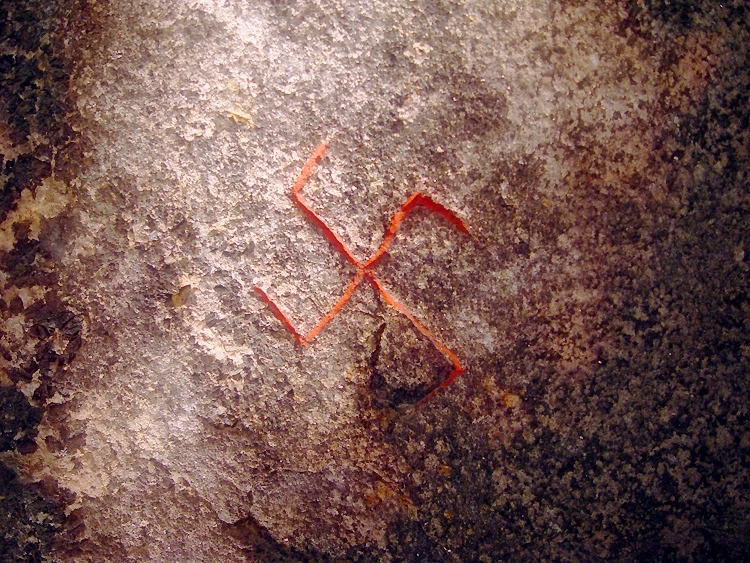 🇸🇪 Sweden and 4 moreSwastika (Germanic Iron Age)
A four-armed symbol found on Germanic artefacts from the Migration to Viking periods.Belief · Power and authority Historical
 🇺🇸 United StatesNew England vampire panic
A folk response to tuberculosis involving the exhumation and burning of organsBelief · Protection · Healing Historical
 🇲🇽 Mexico and 4 moreMirrors in Mesoamerican culture
Reflective stones used for divination and elite status across ancient Mexico and Central AmericaCharm · Seeing and foretelling · Power and authority Historical
🇪🇬 EgyptWadj amulet
A papyrus-shaped charm for eternal youth in the afterlifeCharm · Healing · Luck and prosperity Historical
 🇨🇳 ChinaShi尸
A living descendant who sat in place of a dead ancestor during ancient Chinese ritualsRite · Speaking with spirits and the dead · Luck and prosperity Historical
 🇨🇳 ChinaQintianjian欽天監
China's state sky office, which also set lucky days and read omensTradition · Seeing and foretelling · Luck and prosperity Historical
🇬🇧 United KingdomDrummer of Cortachy
A ghostly drummer said to foretell the death of the lords of Cortachy CastleBeing · Cursing and harm Historical
Photo credits on this page
The small pictures above come from Wikimedia Commons under free licences. Some are cropped to fit.
- New England vampire panic: no credited author, Public domain, source
- Datsue-ba: Fred Cherrygarden, CC BY-SA 4.0, source
- Tailteann Games: Unknown author, Public domain, source
- Lotus chalice: Sat Ra, CC BY-SA 3.0, source
- Hittite sun disk: Noumenon, CC BY-SA 3.0, source
- Hermanubis: Ad Meskens, CC BY-SA 3.0, source
- Mokomokai: New Zealand Electronic Text Centre, Public domain, source
- Plummet amulet: The Art Institute of Chicago, CC0, source
- Atharvaveda: William Dwight Whitney / Charles Rockwell Lanman, Public domain, source
- Banshee: W.H. Brooke, Public domain, source
- Anubis: Hunefer, Public domain, source
- Cunning folk: Midnightblueowl at English Wikipedia, CC BY-SA 3.0, source
- Eye of Horus: Tangopaso, Public domain, source
- Pig dragon: Prof. Gary Lee Todd, CC BY-SA 4.0, source
- Scarab: Unknown author, CC BY 4.0, source
- Jet: Thmsfrst, Public domain, source
- Death knell: Dougsim, CC BY-SA 4.0, source
- Papyrus of Ani: Photographed by the British Museum; original artist unknown, Public domain, source
- Menat: Anagoria, CC BY 3.0, source
- Maat: anonymous, Public domain, source
- Kasha: Brigham Young University, CC BY-SA 4.0, source
- Psychopomp: Unknown author, CC BY 2.5, source
- Lithuanian mythology: Prussian historian Christophorus Hartknoch (1644-1687), Public domain, source
- Scarab: Rama, CC BY-SA 2.0 fr, source
- Swastika (Germanic Iron Age): No machine-readable author provided. Bloodofox~commonswiki assumed (ba, Public domain, source
- Domovoy: Ivan Bilibin, Public domain, source
- Numbers in Germanic paganism: Sendelbach ( talk ), CC BY-SA 3.0, source
- Ancient Egyptian religion: Moh hakem, CC BY-SA 4.0, source
- Opening of the mouth ceremony: Hunefer, Public domain, source
- Lal Shahbaz Qalandar: Fassifarooq, CC BY-SA 4.0, source
- Mirrors in Mesoamerican culture: Vassil, CC0, source
- Ushabti: Unknown author, CC0, source
- Isis: Ägyptischer Maler um 1360 v. Chr., Public domain, source
- Ancient Egyptian afterlife beliefs: Hunefer, Public domain, source
- Lecanomancy: Author Robert Burns Translator Alexander Smith Illustrator C. A. Vande, Public domain, source
- Hypocephalus: rob koopman, CC BY-SA 2.0, source
- Chinese burial money: Gary Todd, CC0, source
- Vampire: Віщун, CC BY-SA 4.0, source
- Shi: Jason Zou, Public domain, source
- Qintianjian: User:Vmenkov, CC BY-SA 3.0, source
- Djed: Anonymous ( Egypt ) Unknown author, Public domain, source