Wadj amulet
from Ancient Egyptian wadj, meaning green, health, or flourishing life
A papyrus-shaped charm for eternal youth in the afterlife
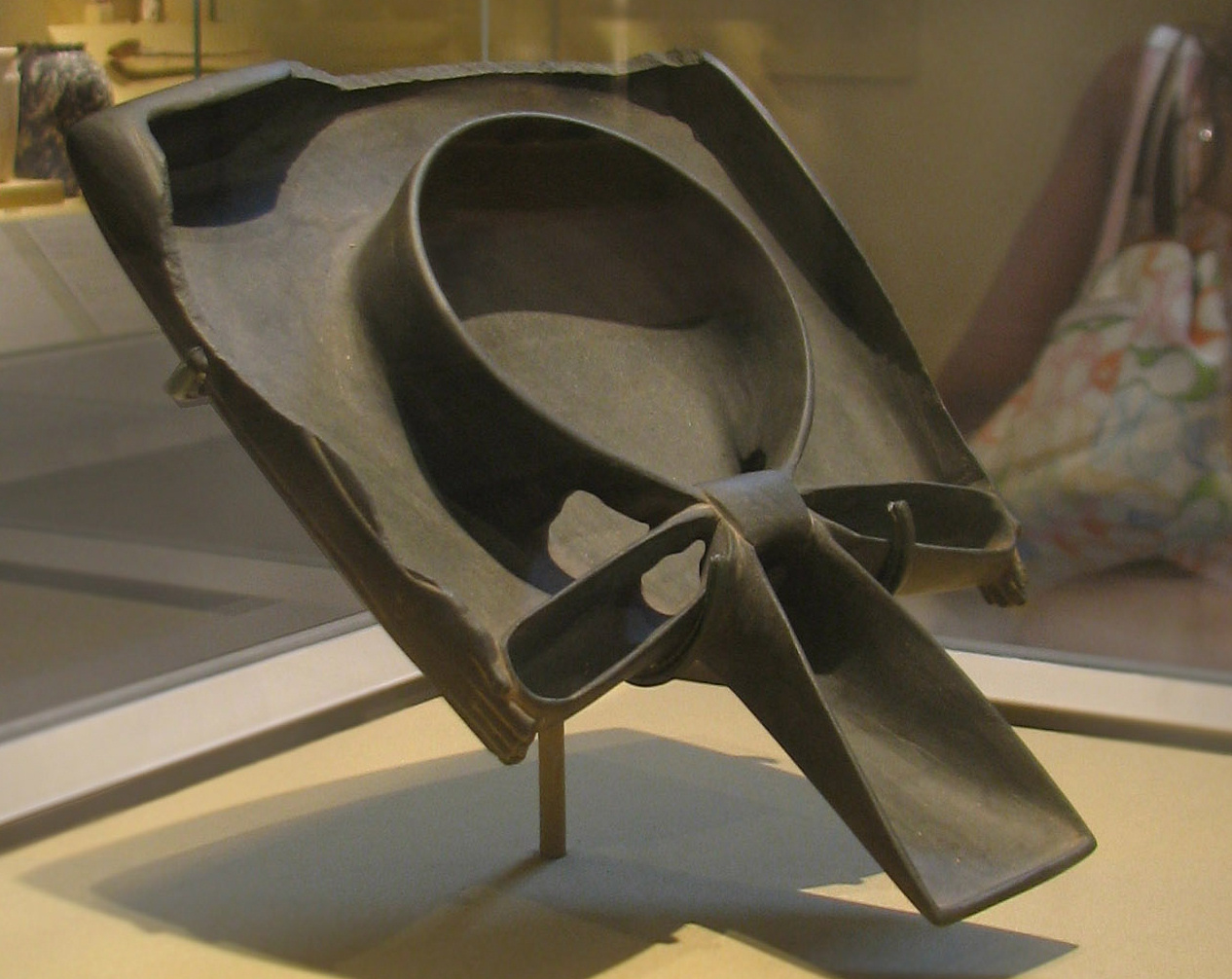
The wadj is an Ancient Egyptian burial charm shaped like a papyrus stem. It was worn by the deceased to ensure health and eternal youth in the next world.
- Shaped like a papyrus stem or plaque
- Made from turquoise feldspar or faience
- Used during the Late Period (664-332 BC)
- Placed on the neck of the deceased
- Ensures health in the afterlife
What it is
This object is a protective charm from Ancient Egypt. It takes the shape of a papyrus plant stem or a flat plaque showing the plant. The name comes from a word meaning green, health, and growth. People placed it on the dead body during burial. They believed it helped the person stay healthy forever in the afterlife. The charm represents lasting youth and vitality beyond death.
Where it comes from
The charm dates to the Late Period of Egypt. This era covers the time from the twenty-sixth through the thirtieth dynasties. That spans from six hundred sixty-four to three hundred thirty-two before the common era. Artifacts have been found at New Kingdom sites. One example was discovered at the Giza Plateau. It is now kept at the Museum of Fine Arts in Boston.
How it is done
The charm was placed around the neck of the deceased. It was positioned directly on the body before burial. The Book of the Dead mentions this item. Texts say that if the charm remains intact, the wearer will be healthy in the next life. The physical placement was part of the funeral rites.
Tools and materials
Artisans made these charms from turquoise feldspar. They also used Egyptian faience. The shape mimics a papyrus stem. Some versions are rectangular plaques with papyrus designs carved or painted on them.
Wadj amulet, drawn and placed
- Living
- Revived
- Fading
- Historical
- Legendary
- Performed
- Lineage
- Ancient Egyptian funerary practice
- Timing
- at burial
What it is for
People used this charm to wish for eternal youth. It was meant to protect the soul's health after death. The goal was to ensure the deceased would flourish in the afterlife. Families sought this protection for their loved ones during burial.
Who does it
Households prepared the body for burial. They placed the charm on the deceased. No special priestly role is mentioned for this specific act. It was part of standard funerary care for the dead.
Peoples and places
Ancient Egyptians created and used this charm. It is tied to their Late Period culture. The practice is documented in their religious texts. The charm reflects their beliefs about death and rebirth.
At a glance: who, where and when
Who does it
Peoples
Belief worlds
Occasions
What people believe
Ancient Egyptians believed in an afterlife where health mattered. The wadj symbolized eternal youth and vitality. They thought the charm's integrity affected the soul's condition. A whole charm meant a healthy spirit in the next world.
When it is done
The charm was used at funerals. It was placed on the body during burial rites. No specific festival dates are mentioned for its use.
How scholars and sceptics see it
Scholars study these charms as artifacts of Ancient Egyptian religion. They analyze the materials and shapes found at sites like Giza. The Book of the Dead provides context for their purpose. Researchers link the charm to concepts of health and youth.
Cautions and what is closed
The charm is a historical artifact. There are no reports of harm or fraud associated with its original use.
Compare and confuse
The wadj is similar to other Egyptian burial charms. It shares themes of health and youth with other symbols. The papyrus motif appears in various forms of Egyptian art.
Law and persecution
The charm is a historical object. Modern laws do not apply to its ancient use.
Today
The charm is studied as a historical artifact. Museums hold examples like the one in Boston. Scholars examine it to understand Ancient Egyptian beliefs. It is not practiced today as a living tradition.
Questions people ask about Wadj amulet
What is a wadj amulet?
It is an Ancient Egyptian burial charm shaped like a papyrus stem. It was placed on the dead to ensure health and eternal youth in the afterlife.
Where does the name come from?
The name comes from the Ancient Egyptian word wadj. It means green, but also refers to health and flourishing life.
When was it used?
It was used during the Late Period of Egypt. This covers the twenty-sixth through thirtieth dynasties, from 664 to 332 BC.
What materials were used?
Artisans made them from turquoise feldspar or Egyptian faience. Some were rectangular plaques with papyrus images.
Why was it important?
It symbolized eternal youth. The Book of the Dead says an intact charm ensures the wearer is healthy in the afterlife.
Good reading and sources
- Wadj amulet on WikipediaEncyclopedia
- More photos on Wikimedia CommonsPhotos and video
- Wikidata recordOpen data
The facts on this page come from the Wikipedia article "Wadj amulet", written by its contributors and used under the CC BY-SA 4.0 licence, and from its Wikidata record (CC0). EveryJaadu rewrote the text in its own words, with AI assistance, and compares every page with the article to make sure no passage is copied. It may be reused under the same CC BY-SA 4.0 licence with a link back.
It may contain mistakes. Names and customs differ from one community to the next, and some knowledge is closed to outsiders and left out here. This page describes belief and practice. It does not say that any of it works, it is not a how-to, and it is not medical advice. If something is wrong, tell us. Last refreshed 2026-10-11.
More from Egypt
All the entries from Egypt 🇪🇬 EgyptDjedḏd
An ancient Egyptian pillar symbol representing stability and resurrectionCharm · Protection · Power and authority Historical
🇪🇬 EgyptDjedḏd
An ancient Egyptian pillar symbol representing stability and resurrectionCharm · Protection · Power and authority Historical
 🇪🇬 EgyptScarab
A carved beetle amulet and seal used in ancient Egypt for protection, identity, and ritual.Charm · Protection · Luck and prosperity Historical
🇪🇬 EgyptScarab
A carved beetle amulet and seal used in ancient Egypt for protection, identity, and ritual.Charm · Protection · Luck and prosperity Historical
 🇪🇬 Egypt and 1 moreShen ring
An ancient Egyptian symbol of eternal protection, shaped like a rope looped around a stick.Charm · Protection Historical
🇪🇬 Egypt and 1 moreShen ring
An ancient Egyptian symbol of eternal protection, shaped like a rope looped around a stick.Charm · Protection Historical
 🇪🇬 Egypt and 2 moreAnkh
Ancient Egyptian hieroglyph for life and the amulet that carries its meaningCharm · Protection · Power and authority Historical
🇪🇬 Egypt and 2 moreAnkh
Ancient Egyptian hieroglyph for life and the amulet that carries its meaningCharm · Protection · Power and authority Historical
Related elsewhere
All charm 🇫🇷 FranceHoly GrailSaint Graal
A cup or stone from Arthurian tales that grants healing and eternal lifeFigure · Healing · Luck and prosperity Legendary
🇫🇷 FranceHoly GrailSaint Graal
A cup or stone from Arthurian tales that grants healing and eternal lifeFigure · Healing · Luck and prosperity Legendary
 🇨🇳 China and 2 moreEight Immortals八仙
Eight legendary Taoist figures of China, each with a power and a vesselFigure · Protection · Healing Living
🇨🇳 China and 2 moreEight Immortals八仙
Eight legendary Taoist figures of China, each with a power and a vesselFigure · Protection · Healing Living
 🇨🇳 China and 5 moreGuanyin觀音 (Guānyīn)
The Bodhisattva of compassion, worshipped across East Asia as a listener to human sufferingBeing · Protection · Healing Living
🇮🇳 IndiaPanchagavya
A fermented mixture of five cow products used in Hindu rituals and Ayurvedic traditions.Substance · Cleansing and purification · Healing Living
🇨🇳 China and 5 moreGuanyin觀音 (Guānyīn)
The Bodhisattva of compassion, worshipped across East Asia as a listener to human sufferingBeing · Protection · Healing Living
🇮🇳 IndiaPanchagavya
A fermented mixture of five cow products used in Hindu rituals and Ayurvedic traditions.Substance · Cleansing and purification · Healing Living