Caoineag
from Scottish Gaelic meaning weeper
A Highland spirit whose night cries signal impending death for a specific family line
The caoineag is a female spirit from Scottish Gaelic tradition. She acts as a death omen by wailing near water or in glens to warn of a clan member's passing.
- Name means weeper in Scottish Gaelic
- Foretells death by wailing near water or glens
- Cannot be approached or questioned unlike bean nighe
- Wailed before the Massacre of Glencoe
- Clan members who fled escaped the massacre
What it is
The caoineag serves as a spectral herald within Scottish Gaelic folklore. This female entity functions as a specific type of Highland banshee. Her primary role involves predicting mortality for members of her associated lineage. She typically remains unseen by the living. Her presence is marked by loud lamenting sounds produced during nighttime hours. These mournful cries are often heard near flowing water sources such as streams or lochs. They may also echo across mountain slopes and deep valleys. The name itself translates directly to weeper. This figure differs significantly from other similar spirits like the bean nighe. While that counterpart can sometimes be approached for favors, the caoineag offers no interaction. She cannot be questioned or commanded to grant wishes. She simply announces the coming end of life through her sorrowful vocalizations.
Where it comes from
Scholars of Scottish folklore have documented this spirit since at least the late nineteenth century. Alexander Carmichael recorded details in his work Carmina Gadelica. He noted her association with those who fall in battle. Her wails cause significant distress to parents waiting for news of sons at war. A famous account links her to the Massacre of Glencoe. Tradition holds that she wailed repeatedly before the event. Some clan members heeded these warnings and fled the glen. Those who stayed suffered the fate foretold by her grief. Fragments of the dirges she supposedly sang were preserved by Carmichael. These stories anchor her identity firmly within historical clan tragedies.
How it is done
She appears as an auditory phenomenon rather than a visual one. Witnesses report hearing her voice near natural water features. The sound mimics intense human mourning. It is described as a keening or wailing that fills the night air. No rituals are performed to summon her. She arrives spontaneously when a death is imminent. Unlike the bean nighe who washes clothes, she does not engage in physical tasks. She simply vocalizes her sorrow. If anyone attempts to interrupt her or approach her, she remains unresponsive. Her presence is solely focused on announcing the departure of a soul from the clan.
Tools and materials
Her only tool is her own voice. She uses the natural acoustics of the landscape to project her message. Waterfalls and streams amplify her cries. Glen valleys carry the sound over long distances. In some related accounts involving the caointeach variant, green shawls are mentioned. These garments are worn when appearing near sickrooms. Wet linen is used by the caointeach to strike victims. This causes paralysis in the legs. However, the standard caoineag relies purely on sound. She requires no physical objects to fulfill her role as a death messenger.
Caoineag, drawn and placed
- Living
- Revived
- Fading
- Historical
- Legendary
- Performed
- Lineage
- Highland banshee tradition
- Timing
- at the approach of death
What it is for
Her function is strictly predictive. She warns the living that a family member will soon die. This applies particularly to those killed in combat. It also covers deaths from illness in some regional variations. The purpose is not to harm but to announce. Families listen for her voice to prepare for loss. Those who hear her and flee may escape danger. Those who ignore her face inevitable tragedy. She serves as a grim alarm system for the clan. Her cries relieve the anxiety of waiting by confirming the outcome.
Who does it
No practitioners actively engage with her. She is an object of folklore study. Scholars like Alexander Carmichael collected her stories. Local communities historically listened for her signs. They did not worship her or perform rites. They reacted to her presence with fear or flight. She is viewed as an autonomous spirit. She acts according to her nature rather than human command. Gender is specified as female in all accounts. She is tied to specific clan identities rather than general populations.
Peoples and places
She is rooted in Scottish Gaelic culture. Highland clans are her primary domain. Clan MacDonald is specifically linked to her pre-massacre appearances. The caointeach variant appears in Islay. This version interacts more closely with the sick. She wears green and laments at doors. She can be banished by pity and gifts. This contrasts with the distant caoineag. Both share the root concept of a female death spirit. Regional differences shape how they interact with the living. Some treat them as formidable forces. Others view them as pitiable figures needing charity.
At a glance: who, where and when
Who does it
Peoples
Belief worlds
Occasions
What people believe
They exist within a worldview where spirits guard clan boundaries. Death is seen as a transition announced by supernatural signs. Water holds spiritual significance in these beliefs. Spirits haunt desolate places and flow sources. The belief system distinguishes between interactive and non-interactive entities. The caoineag represents the latter. She is a fixed portent. Her cries are interpreted as genuine warnings. Ignoring them is considered fatal. This reflects a cultural emphasis on heeding omens. The spirit world communicates through sound and shadow. Mortality is a communal event shared by the entire lineage.
When it is done
She appears whenever death approaches. There is no fixed seasonal schedule. Her visits are triggered by individual mortality events. She is most active at night. Her cries fill the darkness with sorrow. She may appear during times of war. Sons leaving for battle increase her activity. She also appears during periods of illness. The timing is entirely dependent on the clan's fate. It is unpredictable and tied to human vulnerability.
How scholars and sceptics see it
Anthropologists view her as a manifestation of clan anxiety. She embodies the fear of sudden loss in battle. Her story explains survival through vigilance. Those who fled Glencoe succeeded because they listened. Scholars analyze her dirges as cultural artifacts. They reflect historical trauma and collective memory. The distinction between her and the bean nighe highlights regional variations. Some see her as a fairy or water-kelpie. Others view her as a pure death omen. Research focuses on her role in preserving clan history through oral tradition.
Cautions and what is closed
Approaching her is considered dangerous or futile. She cannot be reasoned with or bargained with. Attempting to question her yields no results. In the caointeach variant, interruption causes physical harm. Striking with wet linen leads to leg paralysis. Victims lose the use of their limbs. This serves as a warning against disturbing the spirit. Fear is the natural reaction to her presence. Panic may drive people to flee. Staying behind carries the risk of death. The spirit itself is not malicious but indifferent to comfort.
Compare and confuse
She is often compared to the Irish banshee. Both are female spirits who wail for the dead. The caoineag is a specific Highland variant. She is distinct from the bean nighe. That spirit washes clothes and can be asked questions. The caoineag refuses interaction. She is also linked to the caointeach. This Islay figure wears green and strikes victims. All three share themes of water and mourning. They represent different aspects of death prophecy. The caoineag remains the most distant and silent observer.
Law and persecution
There are no legal restrictions on her. She exists in the realm of folklore. Colonial laws did not suppress her specifically. She was never criminalized. Modern society views her as a myth. No laws protect or punish interactions with her. She survives through storytelling and cultural memory. Her status is purely traditional. She holds no place in contemporary legal frameworks. Her relevance is limited to historical and anthropological study.
Today
She lives on in Scottish folklore collections. Tourists may encounter her stories in guidebooks. Scholars continue to analyze her role in Gaelic culture. Her image appears in books about Highland ghosts. She is remembered as a symbol of clan loyalty. Her cries are cited in discussions of omens. Diaspora communities keep her stories alive. She remains a potent symbol of ancestral connection. Her legacy persists through literature and oral history.
Questions people ask about Caoineag
What is a caoineag?
She is a female spirit in Scottish Gaelic folklore. She acts as a Highland banshee who predicts death. Her name translates to weeper. She wails near water or in valleys to signal a clan member's passing.
Where does the caoineag come from?
She originates from Scottish Highland traditions. She is tied to specific clans like MacDonald. Folklorist Alexander Carmichael recorded her stories. She is part of the broader banshee mythology of the British Isles.
Can you talk to a caoineag?
No, she cannot be approached or questioned. Unlike the bean nighe, she grants no wishes. She simply laments. Trying to interact with her is futile. She exists solely to announce death through her cries.
What happens if you hear her?
Hearing her signals impending death for your clan. In the Glencoe story, fleeing saved lives. Staying meant facing the predicted fate. Her cries cause anxiety but offer a chance to prepare or escape.
Good reading and sources
The facts on this page come from the Wikipedia article "Caoineag", written by its contributors and used under the CC BY-SA 4.0 licence, and from its Wikidata record (CC0). EveryJaadu rewrote the text in its own words, with AI assistance, and compares every page with the article to make sure no passage is copied. It may be reused under the same CC BY-SA 4.0 licence with a link back.
It may contain mistakes. Names and customs differ from one community to the next, and some knowledge is closed to outsiders and left out here. This page describes belief and practice. It does not say that any of it works, it is not a how-to, and it is not medical advice. If something is wrong, tell us. Last refreshed 2026-10-12.
More from the United Kingdom
All the entries from the United Kingdom 🇬🇧 United KingdomCeridwenCerridwen
A Welsh enchantress and modern goddess of poetic inspiration and transformation.Being · Change and initiation Revived
🇬🇧 United KingdomAfanc
A lake monster from Welsh mythology that dwells in dark waters and preys on the unwary.Being · Cursing and harm Legendary
🇬🇧 United Kingdom and 1 moreFuath
A class of malevolent water spirits in Scottish and Irish folkloreBeing · Cursing and harm Legendary
🇬🇧 United KingdomCeridwenCerridwen
A Welsh enchantress and modern goddess of poetic inspiration and transformation.Being · Change and initiation Revived
🇬🇧 United KingdomAfanc
A lake monster from Welsh mythology that dwells in dark waters and preys on the unwary.Being · Cursing and harm Legendary
🇬🇧 United Kingdom and 1 moreFuath
A class of malevolent water spirits in Scottish and Irish folkloreBeing · Cursing and harm Legendary
 🇬🇧 United Kingdom and 1 moreEach-uisge
A fierce water spirit of the Scottish Highlands and Irish shores that takes the form of a horse.Being · Cursing and harm Legendary
🇬🇧 United Kingdom and 1 moreEach-uisge
A fierce water spirit of the Scottish Highlands and Irish shores that takes the form of a horse.Being · Cursing and harm Legendary
Related elsewhere
All being 🇮🇶 Iraq and 4 moreAstrology
A system of divination that links human affairs to the positions of celestial bodiesTradition · Seeing and foretelling · Luck and prosperity Living
🇮🇶 Iraq and 4 moreAstrology
A system of divination that links human affairs to the positions of celestial bodiesTradition · Seeing and foretelling · Luck and prosperity Living
 🇮🇳 India and 2 morePalmistry
A divination method that interprets the lines and shapes of the hand to predict fate or reveal character.Oracle · Seeing and foretelling · Power and authority Living
🇪🇬 EgyptDjedi
A fictional magician from the Westcar Papyrus who resurrects animals and foretells a king's lineage.Figure · Seeing and foretelling · Wonder and entertainment Legendary
🇮🇳 India and 2 morePalmistry
A divination method that interprets the lines and shapes of the hand to predict fate or reveal character.Oracle · Seeing and foretelling · Power and authority Living
🇪🇬 EgyptDjedi
A fictional magician from the Westcar Papyrus who resurrects animals and foretells a king's lineage.Figure · Seeing and foretelling · Wonder and entertainment Legendary
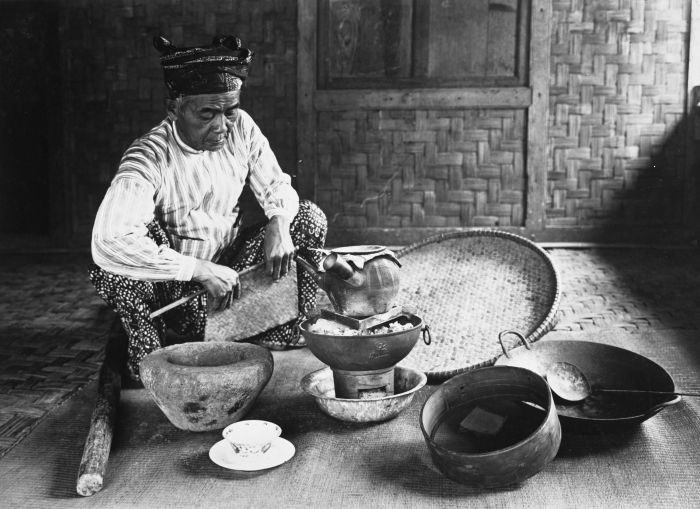 🇮🇩 Indonesia and 2 moreDukun
A traditional healer and spirit medium in Indonesian folk practiceTradition · Healing · Seeing and foretelling Living
🇮🇩 Indonesia and 2 moreDukun
A traditional healer and spirit medium in Indonesian folk practiceTradition · Healing · Seeing and foretelling Living