Magic in East Asia
Taoist talismans, the I Ching and feng shui, onmyodo and the omamori, and the mudang of Korea. 311 entries on EveryJaadu so far.
Places of magic
Kyoto 5Beijing 3Edo 3Mount Tai 3Shikoku 3Akita 2Asakusa 2Guangdong 2Himeji Castle 2Kifune Shrine 2Kumano Sanzan 2Mount Hiei 2Mount Ōmine 2Mukden 2Nagano Prefecture 2Sado Island 2Sendai 2Seoul 2Shimane Prefecture 2Aikoku Station 1Aizu region 1Akishino-dera 1Amami Ōshima 1Amoy 1Anyang 1Aojiang 1Aomori prefecture 1Ariake Sea 1Asagaya 1Awaji Island 1
Rites of the region
Writing and burning a fu talismanJoss paper and the Hungry Ghost offeringKau cim and jiaobeiThe I Ching and the yarrow stalksFeng shui placementSetsubun bean-throwingHarai, the Shinto rite of purificationOmamori and ofuda renewalOmikuji fortune slipsGut, the Korean shaman rite
Countries
PurposeProtectionHealingSeeing and foretellingLuck and prosperityLove and attractionCursing and harmCleansing and purificationSpeaking with spirits and the deadChange and initiationBinding and oathsPower and authorityWonder and entertainment
WhoShamansFolk healersPriests and ritual specialistsWitches, sorcerers and cunning folkDiviners and readersMediums and the possessedCeremonial magicians and alchemistsHouseholds and ordinary peopleStage magiciansScholars and sceptics
BeliefHindu and TantricBuddhistJainMuslim and SufiJewishChristianSikhZoroastrianShinto and TaoistIndigenous and shamanicAfrican and Afro-diasporicPagan and NeopaganEsoteric and occultFolk and village customSecular and stageOther traditions
 🇨🇳 China and 3 moreChinese dragon龍
A legendary water deity and imperial symbol in East Asian cultureBeing · Protection · Luck and prosperity Historical
🇨🇳 China and 3 moreChinese dragon龍
A legendary water deity and imperial symbol in East Asian cultureBeing · Protection · Luck and prosperity Historical
 🇯🇵 JapanInugami犬神
A Japanese spirit of dog possession and folk sorceryBelief · Cursing and harm · Power and authority Historical
🇯🇵 JapanInugami犬神
A Japanese spirit of dog possession and folk sorceryBelief · Cursing and harm · Power and authority Historical
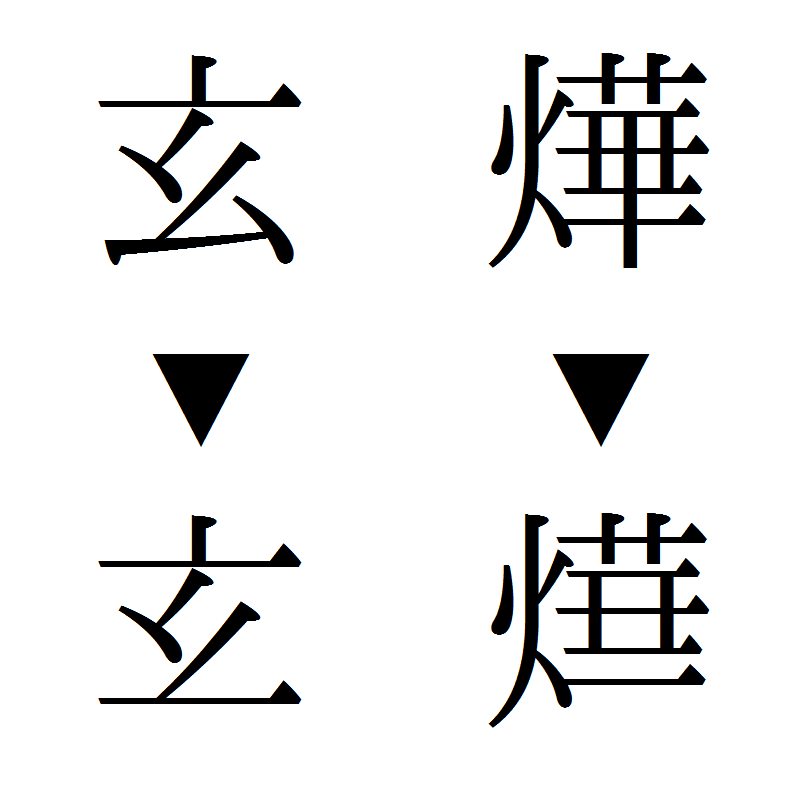 🇨🇳 China and 2 moreNaming taboo避諱
A cultural rule against speaking or writing the names of rulers and ancestors in East AsiaBelief · Protection Historical
🇯🇵 JapanShikigami式神
A conjured spirit from Japanese Onmyōdō, often bound to paper or animal form.Being · Power and authority · Cursing and harm Historical
🇨🇳 China and 2 moreNaming taboo避諱
A cultural rule against speaking or writing the names of rulers and ancestors in East AsiaBelief · Protection Historical
🇯🇵 JapanShikigami式神
A conjured spirit from Japanese Onmyōdō, often bound to paper or animal form.Being · Power and authority · Cursing and harm Historical
 🇯🇵 Japan and 1 moreKūkai空海
Founder of Shingon Buddhism who brought Vajrayana esoteric practices from China to Japan.Text · Power and authority · Protection Historical
🇯🇵 Japan and 1 moreKūkai空海
Founder of Shingon Buddhism who brought Vajrayana esoteric practices from China to Japan.Text · Power and authority · Protection Historical
 🇯🇵 JapanEn no Gyōja役小角
A legendary Japanese ascetic and founder of Shugendō mountain practiceFigure · Power and authority · Protection Historical
🇯🇵 Japan and 1 moreKuji-in九字印
A system of nine syllables and hand gestures used for protection and spiritual alignment in Japanese esoteric traditionsRite · Protection · Speaking with spirits and the dead Historical
🇯🇵 JapanEn no Gyōja役小角
A legendary Japanese ascetic and founder of Shugendō mountain practiceFigure · Power and authority · Protection Historical
🇯🇵 Japan and 1 moreKuji-in九字印
A system of nine syllables and hand gestures used for protection and spiritual alignment in Japanese esoteric traditionsRite · Protection · Speaking with spirits and the dead Historical
 🇨🇳 China and 1 moreLock charms家锁 / 锁片 (jiā suǒ / suǒ piàn)
A Chinese metal pendant shaped like a lock to protect children from harm and death.Charm · Protection · Luck and prosperity Historical
🇨🇳 China and 1 moreLock charms家锁 / 锁片 (jiā suǒ / suǒ piàn)
A Chinese metal pendant shaped like a lock to protect children from harm and death.Charm · Protection · Luck and prosperity Historical
 🇨🇳 China and 2 moreChinese burial money瘞錢 (yì qián)
Imitations of currency placed in Chinese graves to serve the deceased in the afterlife.Charm · Protection · Luck and prosperity Historical
🇨🇳 China and 2 moreChinese burial money瘞錢 (yì qián)
Imitations of currency placed in Chinese graves to serve the deceased in the afterlife.Charm · Protection · Luck and prosperity Historical
 🇨🇳 China and 1 moreLei Ting curse charm符咒钱
A numismatic charm invoking the thunder god to banish evil spirits.Charm · Protection · Cursing and harm Historical
🇨🇳 China and 1 moreLei Ting curse charm符咒钱
A numismatic charm invoking the thunder god to banish evil spirits.Charm · Protection · Cursing and harm Historical
 🇨🇳 China and 1 moreTaoist coin charm道教品壓生錢
Chinese and Vietnamese numismatic charms used for protection and feng shuiCharm · Protection · Cursing and harm Historical
🇨🇳 China and 1 moreTaoist coin charm道教品壓生錢
Chinese and Vietnamese numismatic charms used for protection and feng shuiCharm · Protection · Cursing and harm Historical
 🇨🇳 China and 2 moreBuddhist coin charm佛教品壓勝錢
Amulets shaped like coins that bear Buddhist symbols and prayers for protection.Charm · Protection · Luck and prosperity Historical
🇨🇳 China and 2 moreBuddhist coin charm佛教品壓勝錢
Amulets shaped like coins that bear Buddhist symbols and prayers for protection.Charm · Protection · Luck and prosperity Historical
 🇨🇳 China and 1 moreJiji ru lüling急急如律令
A Taoist incantation demanding immediate action from spiritsText · Cursing and harm · Protection Historical
🇨🇳 China and 1 moreJiji ru lüling急急如律令
A Taoist incantation demanding immediate action from spiritsText · Cursing and harm · Protection Historical
 🇰🇷 South Korea and 3 moreKorean numismatic charm열쇠패
Coin-shaped objects used as protective and decorative charms in Korean cultureCharm · Protection · Luck and prosperity Historical
🇰🇷 South Korea and 3 moreKorean numismatic charm열쇠패
Coin-shaped objects used as protective and decorative charms in Korean cultureCharm · Protection · Luck and prosperity Historical
 🇨🇳 China and 1 moreShamanism in the Qing dynasty
State-managed rituals of the Manchu rulers and their shamansTradition · Protection · Healing Historical
🇨🇳 China and 1 moreShamanism in the Qing dynasty
State-managed rituals of the Manchu rulers and their shamansTradition · Protection · Healing Historical
 🇨🇳 China and 3 moreMarriage coin charm夫婦和合花錢
Coin-shaped amulets from East Asia that celebrate marriage, fertility, and conjugal harmonyCharm · Protection · Luck and prosperity Historical
🇨🇳 China and 3 moreMarriage coin charm夫婦和合花錢
Coin-shaped amulets from East Asia that celebrate marriage, fertility, and conjugal harmonyCharm · Protection · Luck and prosperity Historical
 🇨🇳 China and 1 moreVault protector coin鎮庫錢 (zhèn kù qián)
Large Chinese numismatic charms cast to guard mint treasuries and attract wealth.Charm · Protection · Luck and prosperity Historical
🇨🇳 China and 1 moreVault protector coin鎮庫錢 (zhèn kù qián)
Large Chinese numismatic charms cast to guard mint treasuries and attract wealth.Charm · Protection · Luck and prosperity Historical
 🇨🇳 China and 1 moreConfucian coin charms
Amulets bearing Confucian moral teachings and historical storiesCharm · Protection · Luck and prosperity Historical
🇨🇳 China and 1 moreConfucian coin charms
Amulets bearing Confucian moral teachings and historical storiesCharm · Protection · Luck and prosperity Historical
 🇯🇵 JapanSakabashira逆柱
A reversed wooden pillar in Japanese folk belief, said to cause misfortune or ward off disasterBelief · Protection · Cursing and harm Historical
🇯🇵 JapanSakabashira逆柱
A reversed wooden pillar in Japanese folk belief, said to cause misfortune or ward off disasterBelief · Protection · Cursing and harm Historical
 🇨🇳 ChinaReligion of the Shang dynasty
The spiritual system of ancient China's second dynasty, centred on ancestor worship and oracle bone divination.Tradition · Protection · Luck and prosperity Historical
🇨🇳 ChinaReligion of the Shang dynasty
The spiritual system of ancient China's second dynasty, centred on ancestor worship and oracle bone divination.Tradition · Protection · Luck and prosperity Historical
 🇨🇳 ChinaLute
A sealing paste for alchemical vessels and a joining technique in potterySubstance · Protection · Power and authority Historical
🇨🇳 ChinaLute
A sealing paste for alchemical vessels and a joining technique in potterySubstance · Protection · Power and authority Historical
 🇯🇵 JapanGoryō御霊
A Japanese belief in appeasing vengeful spirits through Shinto shrinesBelief · Protection · Speaking with spirits and the dead Historical
🇯🇵 JapanHōko這子
A Japanese soft doll used as a protective talisman for mothers and childrenCharm · Protection Historical
🇯🇵 JapanYosuzume夜雀
A Japanese mountain spirit that appears as a bird or butterfly and signals the presence of wolves.Being · Cursing and harm · Protection Historical
🇯🇵 JapanHashihime橋姫
A Japanese bridge spirit linked to jealousy and demonic transformation in folklore and Noh theatre.Being · Protection · Cursing and harm Historical
🇯🇵 JapanGoryō御霊
A Japanese belief in appeasing vengeful spirits through Shinto shrinesBelief · Protection · Speaking with spirits and the dead Historical
🇯🇵 JapanHōko這子
A Japanese soft doll used as a protective talisman for mothers and childrenCharm · Protection Historical
🇯🇵 JapanYosuzume夜雀
A Japanese mountain spirit that appears as a bird or butterfly and signals the presence of wolves.Being · Cursing and harm · Protection Historical
🇯🇵 JapanHashihime橋姫
A Japanese bridge spirit linked to jealousy and demonic transformation in folklore and Noh theatre.Being · Protection · Cursing and harm Historical
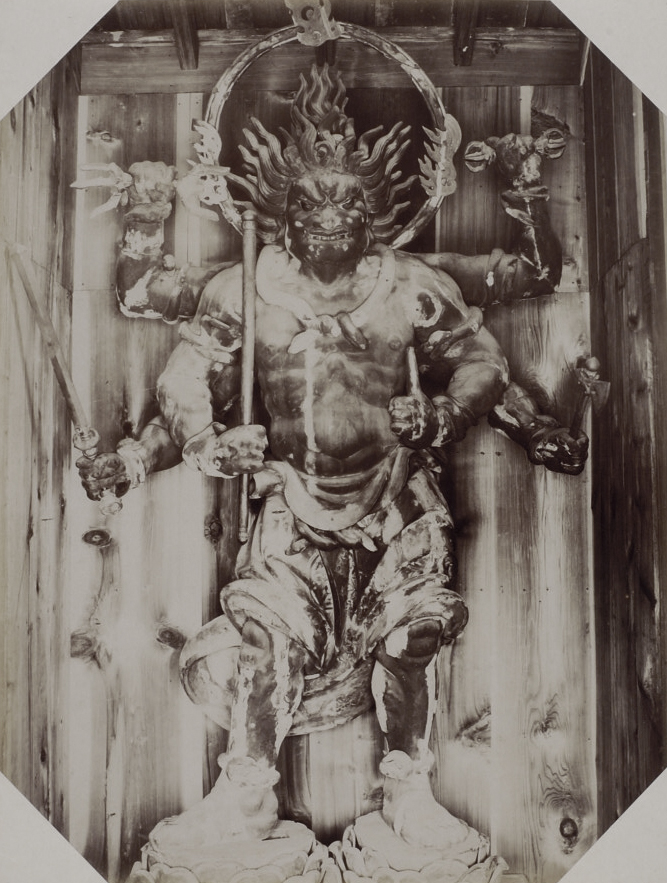 🇯🇵 JapanDaigensuihō大元帥法
An Esoteric Shingon Buddhist rite for military defense and cursing enemiesRite · Cursing and harm · Protection Historical
🇯🇵 JapanDaigensuihō大元帥法
An Esoteric Shingon Buddhist rite for military defense and cursing enemiesRite · Cursing and harm · Protection Historical
Photo credits on this page
The small pictures above come from Wikimedia Commons under free licences. Some are cropped to fit.
- Vault protector coin: 风之清扬, CC BY-SA 3.0, source
- Chinese burial money: Gary Todd, CC0, source
- Lei Ting curse charm: Donald_Trung, CC BY-SA 4.0, source
- En no Gyōja: Wmpearl, CC0, source
- Naming taboo: Haruno Akiha, Public domain, source
- Kūkai: Unknown author, CC BY 4.0, source
- Taoist coin charm: Etnografiska Museet, CC BY 2.5, source
- Buddhist coin charm: Scott Semans, CC BY 3.0, source
- Confucian coin charms: Jean-Michel Moullec, CC BY 2.0, source
- Marriage coin charm: Scott Semans, CC BY 3.0, source
- Shamanism in the Qing dynasty: A nineteenth-century team of editors., Public domain, source
- Daigensuihō: Kamakura-period artist; photo by Kudo Risaburo (工藤利三郎), Public domain, source
- Chinese dragon: Unknown author, CC0, source
- Religion of the Shang dynasty: Unknown author, CC0, source
- Korean numismatic charm: Unknown author(s)., Public domain, source
- Lock charms: Scott Semans World Coins (CoinCoin.com)., CC BY 3.0, source
- Inugami: Sawaki Suushi (佐脇嵩之, Japanese, *1707, †1772), Public domain, source
- Lute: Gremelm, CC BY-SA 3.0, source
- Goryō: Tsukioka Yoshitoshi (1839–1892), Public domain, source
- Jiji ru lüling: Unknown author, Public domain, source
- Sakabashira: Unknown author, Public domain, source