
En no Gyōja
In its own language: 役小角
from En no Gyōja, meaning 'En the ascetic'
A legendary Japanese ascetic and founder of Shugendō mountain practice
En no Gyōja is a historical figure from seventh-century Japan who became the central saint of Shugendō, a syncretic path blending Buddhism, Shinto, and shamanism. He is believed to have mastered sorcery and commanded spirits, earning both imperial banishment and posthumous veneration as a bodhisattva.
- Banished to Izu Ōshima in 699 for alleged sorcery
- Founder of the syncretic religion Shugendō
- Venerated as Bodhisattva Jinben Daibosatsu since 1799
- Enshrined as guardian tengu on Mount Ishizuchi
- Student Hirotari became Head Apothecary for the court
What it is
En no Gyōja is a legendary Japanese mystic and ascetic traditionally recognized as the founder of Shugendō. This tradition combines elements of esoteric Buddhism, Shinto, Taoism, and indigenous shamanism. He is viewed as a mountain saint who possessed supernatural abilities, including the power to command demonic spirits to perform tasks like drawing water or gathering firewood. His life story blends historical records with folklore, portraying him as a master of magic who faced political opposition for his perceived trickery.
Where it comes from
Born in 634 in Katsuragi, he lived during the Asuka period. Historical chronicles like the Shoku Nihongi record his banishment to Izu Ōshima in 699 after accusations of sorcery. Despite this, his school's herbal knowledge was respected by the Imperial Court. Folk tales, such as those in the Nihon Ryōiki from around 800, expanded his reputation into one of miraculous feats. Over centuries, he was elevated from a controversial mystic to a revered religious figure.
En no Gyōja, drawn and placed
- Living
- Revived
- Fading
- Historical
- Legendary
- Performed
- Lineage
- Shugendō
What it is for
Practitioners of Shugendō, known as yamabushi, revere him as their spiritual ancestor. He is invoked for protection and spiritual power. In popular culture, he appears as a source of magical talismans, such as the japamala in the novel Nansou Satomi Hakkenden, which wards off curses. His image serves as a bridge between the human world and the divine or spirit realms within Japanese folk religion.
Who does it
He is studied by scholars of Japanese history and religion. The yamabushi, or mountain warriors, trace their lineage to him through the Shugendō order. Historically, his student Karakuni no Hirotari rose to become Head Apothecary, indicating the practical value placed on his teachings in medicine and herbalism by the state, even while his magical practices were politically sensitive.
Peoples and places
The subject is specific to Japan. He is venerated across the archipelago, particularly at sacred sites like Mount Ishizuchi, where he is enshrined as the guardian tengu.
At a glance: who, where and when
Who does it
Peoples
Belief worlds

What people believe
Within Shugendō, he is seen as a Bodhisattva, receiving the title Jinben Daibosatsu in 1799. Earlier traditions identified him as Hōki Bosatsu, linking him to mountain protection. Believers hold that he transcended ordinary human limits, manifesting as a great tengu to guard sacred peaks. This belief system merges Buddhist compassion with shamanistic control over nature spirits, positioning him as a mediator between gods and humans.
How scholars and sceptics see it
Historians analyze his life through texts like the Shoku Nihongi, distinguishing between documented events and later legends. Scholars note the tension between his official banishment for sorcery and the continued imperial reliance on his school's medical expertise. Anthropologists view his evolution from a feared magician to a sanctified bodhisattva as an example of how folk beliefs are integrated into organized religious structures over time.
Compare and confuse
He is often compared to other mountain ascetics in East Asia, but his unique synthesis of Buddhist and Shinto elements defines Shugendō. While similar figures exist in Chinese Daoism, En no Gyōja is distinctively Japanese. His dual identity as both a historical banished noble and a mythological tengu sets him apart from purely legendary saints.
Today
His legacy persists in the Gion Festival of Kyoto, where a float dedicated to him is piloted by yamabushi. Modern literature and media frequently adapt his character, using him as a archetype for powerful mystics. The Shugendō tradition continues to operate, maintaining rituals that honor his original ascetic path and spiritual authority.
Questions people ask about En no Gyōja
Who is En no Gyōja?
He is a seventh-century Japanese ascetic regarded as the founder of Shugendō, a mountain-based religious tradition combining Buddhism, Shinto, and shamanism.
What powers are attributed to him?
Folklore claims he could command demonic spirits to work for him and possessed great herbal knowledge, though he was also accused of trickery by the imperial court.
Why was he banished?
Historical records state he was exiled to Izu Ōshima in 699 after being accused of practicing weird magic and sorcery, likely due to envy of his influence.
How is he worshipped today?
He is honored as a bodhisattva and mountain guardian. Yamabushi practitioners perform rituals in his name, and floats dedicated to him appear in festivals like Kyoto's Gion Matsuri.
Good reading and sources
- En no Gyōja on WikipediaEncyclopedia
- More photos on Wikimedia CommonsPhotos and video
- Wikidata recordOpen data
The facts on this page come from the Wikipedia article "En no Gyōja", written by its contributors and used under the CC BY-SA 4.0 licence, and from its Wikidata record (CC0). EveryJaadu rewrote the text in its own words, with AI assistance, and compares every page with the article to make sure no passage is copied. It may be reused under the same CC BY-SA 4.0 licence with a link back.
It may contain mistakes. Names and customs differ from one community to the next, and some knowledge is closed to outsiders and left out here. This page describes belief and practice. It does not say that any of it works, it is not a how-to, and it is not medical advice. If something is wrong, tell us. Last refreshed 2026-10-05.
More from Japan
All the entries from Japan 🇨🇳 China and 2 moreJiang Ziya姜子牙
A historical strategist and war god who helped establish the Zhou dynastyFigure · Power and authority · Cursing and harm Historical
🇯🇵 JapanKamo no Yasunori賀茂 保憲
A Heian-era onmyōji and teacher of Abe no Seimei in Japanese esoteric artsFigure · Seeing and foretelling · Cursing and harm Historical
🇨🇳 China and 2 moreJiang Ziya姜子牙
A historical strategist and war god who helped establish the Zhou dynastyFigure · Power and authority · Cursing and harm Historical
🇯🇵 JapanKamo no Yasunori賀茂 保憲
A Heian-era onmyōji and teacher of Abe no Seimei in Japanese esoteric artsFigure · Seeing and foretelling · Cursing and harm Historical
 🇯🇵 Japan and 2 moreTamamo-no-Mae玉藻前
A nine-tailed fox spirit from Japanese legend who possessed emperors and concubines across Asia.Figure · Cursing and harm · Power and authority Legendary
🇯🇵 Japan and 2 moreTamamo-no-Mae玉藻前
A nine-tailed fox spirit from Japanese legend who possessed emperors and concubines across Asia.Figure · Cursing and harm · Power and authority Legendary
 🇯🇵 JapanAshiya Dōman蘆屋道満
A legendary Heian onmyōji known for his rivalry with Abe no Seimei and his use of cursesFigure · Cursing and harm · Power and authority Legendary
🇯🇵 JapanAshiya Dōman蘆屋道満
A legendary Heian onmyōji known for his rivalry with Abe no Seimei and his use of cursesFigure · Cursing and harm · Power and authority Legendary
Related elsewhere
All figure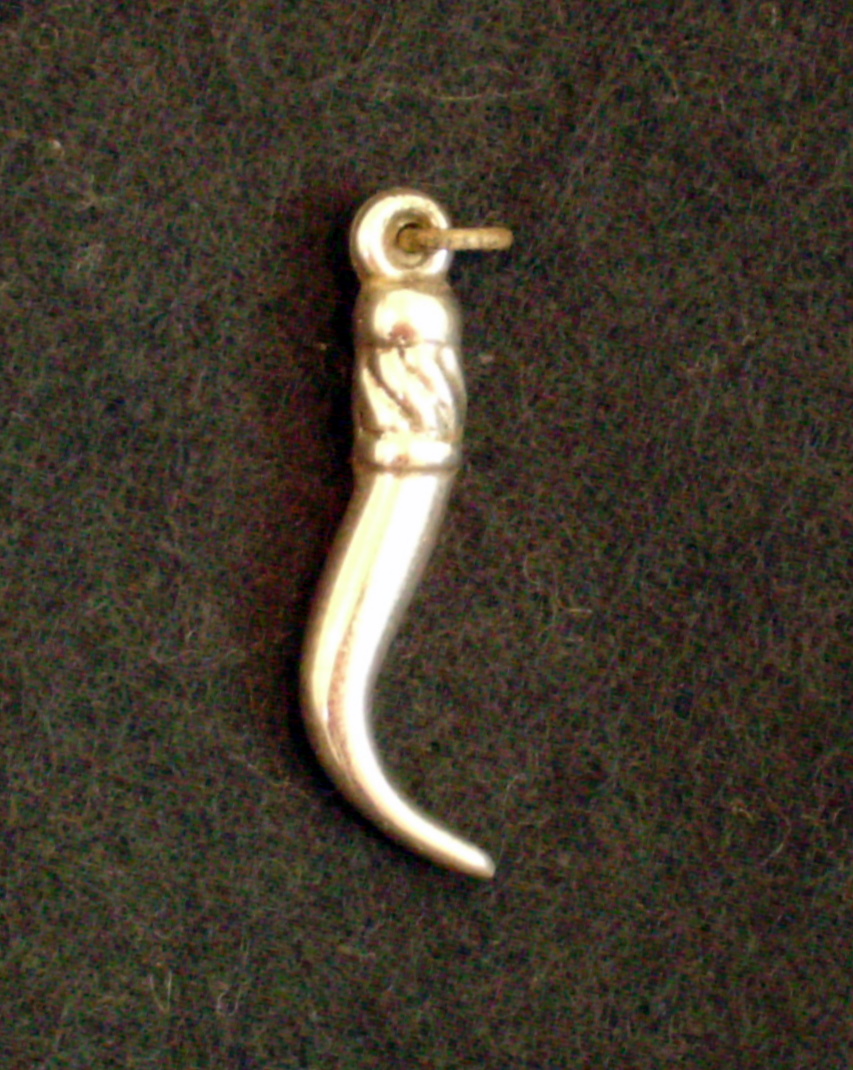 🇮🇹 ItalyCornicello
A twisted horn charm worn in Italy to ward off the evil eye and invite luck.Charm · Protection · Luck and prosperity Living
🇮🇹 ItalyCornicello
A twisted horn charm worn in Italy to ward off the evil eye and invite luck.Charm · Protection · Luck and prosperity Living
 🇫🇷 France and 5 moreYule log
A large wooden log burned in the hearth during winter festivals across Europe and North America.Tradition · Protection · Luck and prosperity Living
🇫🇷 France and 5 moreYule log
A large wooden log burned in the hearth during winter festivals across Europe and North America.Tradition · Protection · Luck and prosperity Living
 🇮🇳 India and 2 moreHomaहोम
A fire ritual found across Asian religions where offerings are burned as a votive exchange with the divine.Rite · Protection · Speaking with spirits and the dead Living
🇮🇳 India and 2 moreHomaहोम
A fire ritual found across Asian religions where offerings are burned as a votive exchange with the divine.Rite · Protection · Speaking with spirits and the dead Living
 🇮🇳 IndiaMahakaleshwar JyotirlingaMahākāleśvara
A sacred Shiva shrine in Ujjain, India, known for its south-facing idol and ancient origins.Tradition · Protection · Power and authority Living
🇮🇳 IndiaMahakaleshwar JyotirlingaMahākāleśvara
A sacred Shiva shrine in Ujjain, India, known for its south-facing idol and ancient origins.Tradition · Protection · Power and authority Living